

Clear hearing helps you notice quiet wildlife and follow conversation in the field without taking your attention from the hunt. Ordinary earplugs reduce sound across the board, while bare ears offer no adjustable help with faint noises or loud shots.
That gap is where hunting hearing enhancers can help. These electronic devices use microphones to pick up and amplify quieter sounds, while many models limit sudden loud noise. You can hear more of your surroundings and still protect your ears from sharp report.
Many enhancers offer adjustable volume for a more comfortable listening level, compact designs that sit in or over your ears, and controls you can manage outdoors. Some also provide directional microphones, which help you focus on sounds ahead while keeping nearby conversation audible.
Models differ in fit, sound range, battery life, and protection features, so consider your hunting style and comfort needs. Explore the best hunting hearing enhancers below to compare choices for your time in the field.
7 Best Hunting Hearing Enhancers Reviews

1.Walker's Rope Hearing Enhancer Bluetooth
29 dB noise reduction and two modes help protect hearing as you shoot

2.Walker's Ultra Ear BTE 22 dB Hearing Enhancer
Adjustable frequency tuning helps focus sound for clearer reception

3.Pro Ears Stealth 28 Electronic Earbuds
5X amplification brings softer sounds forward as loud sounds compress

4.Walker's Ultra Ear Hearing Enhancer
Compact behind-the-ear design fits either ear for lightweight use
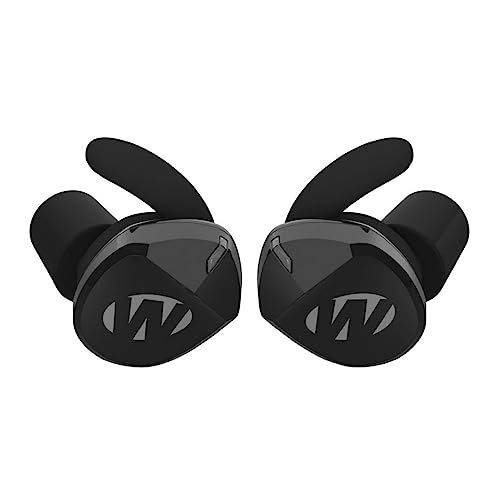
5.Walker's Silencer 2.0 Rechargeable Earbuds
24 dB noise reduction and wind control help protect hearing outdoors

6.Mack's Live Fire Stealth Sound Amplifier
Four channels and a 16-band equalizer amplify sound clearly for you

7.Walker's Single Mic Electronic Hearing Muff
Hi-gain microphone amplifies surrounding sounds for better awareness
1. Walker’s Rope Hearing Enhancer Bluetooth
Walker’s Rope Hearing Enhancers help protect hearing during shooting and training while amplifying nearby sounds. Their 29 dB noise reduction rating and high-gain omnidirectional microphones make them the core features for hunters who want hearing protection and sound enhancement together.
Two listening modes, High and Low, let you choose the level that suits the setting. The sound-activated noise reduction responds to sound, while the microphones pick up audio from all directions for enhanced listening during indoor or outdoor training.
The earbuds hang from a flexible rubber cord worn around the neck, so they stay close when not in use. Their lightweight build supports all-day wear, and the neck-worn setup may also make them harder to misplace between uses.
A built-in lithium-ion battery powers the rechargeable design for up to 10 hours per charge. You can recharge it with the included 12-inch USB cable, which makes it easier to top up between hunting or training sessions.
Bluetooth lets the earbuds pair with mobile devices and work as a standard headset. You can use them for phone calls or music as well as hearing enhancement, giving them another role away from the range.
The brown-and-black, one-size set weighs about 0.3 pounds. It suits hunters and shooting-sports users who want sound enhancement, hearing protection and Bluetooth in a neck-worn pair.
- 29 dB noise reduction with sound activation
- Omnidirectional mics enhance sounds from all sides
- Up to 10 hours of rechargeable battery life
- Neck cord helps keep the earbuds close by
- No major cons
2. Walker’s Ultra Ear BTE 22 dB Hearing Enhancer
For hunting outdoors, Walker’s Ultra Ear BTE amplifies sound while offering a 22dB noise reduction rating. Its volume limit of 105dB helps keep amplified sound within that stated ceiling, making it an option for hunters who want to hear more around them.
Adjustable Frequency Tuning focuses on selected sound frequencies, and the tone control lets you adjust the sound to your needs. These controls offer ways to tailor listening for different situations, whether you’re outdoors or using the device in everyday settings.
The behind-the-ear design fits either ear, and three sizes of foam ear tips help you choose a fit. Its compact shape and rechargeable battery also suit extended wear away from a charging point.
One USB recharge provides up to 48 hours of battery life, according to the product details. The package includes two sound amplifiers, a USB charging cable, a cleaning brush, and a wax pick that also serves as a tone adjustment stick.
For hunters who want adjustable sound amplification in a rechargeable format, this two-pack combines frequency tuning with ear tips in several sizes. It also suits people looking for a hearing enhancer for everyday use.
- Up to 48 hours per USB recharge
- 22dB noise reduction rating for outdoor use
- Three ear tip sizes help tailor the fit
- Two amplifiers cover both ears
- No major cons
3. Pro Ears Stealth 28 Electronic Earbuds
Up to 12 hours of rechargeable use gives the Pro Ears earbuds enough runtime for long hunting or shooting outings. Their electronic sound system amplifies softer sounds while compressing loud ones, helping you stay aware of nearby sounds.
The earbuds provide 5x amplification for quieter sounds, while DLSC sound compression handles louder ones. Pro Ears says this technology aims to avoid the tinny audio some electronic hearing protectors produce.
A 28 dB Noise Reduction Rating and 2.0-millisecond response time help reduce exposure to loud noise. That combination suits shooting sessions where hearing protection and awareness of your surroundings both matter.
The built-in microphone wind cover helps cut distracting wind noise outdoors. Three sizes of soft ear tips let you choose a fit for hunting, range visits or other outdoor shooting.
Each earbud weighs 0.7 ounces, so the lightweight fit can help during extended wear. A full charge takes about three hours using the included USB charger, and the rechargeable design avoids disposable batteries.
Finished in green, these earbuds suit hunters and shooters who want amplified quieter sounds, loud-sound compression and rechargeable hearing protection in a lightweight form.
- 5x amplification helps you hear softer sounds
- 28 dB rating helps reduce loud-noise exposure
- Up to 12 hours of use per charge
- Three ear-tip sizes help tailor the fit
- Takes about three hours to recharge fully
4. Walker’s Ultra Ear Hearing Enhancer
Hunters who want to hear more around them get a compact, behind-the-ear enhancer with the Walker’s Game Ear UE1001. It increases hearing and can sit on either ear, so you can choose the side that works best for you.
A mild compression circuit is included to handle changes in incoming sound. The device also has dB Limiting, though the product information does not give a specific limit or explain how its level is set.
Its behind-the-ear shape keeps the unit close to the ear rather than placing it inside. The single-unit package may suit someone who wants an enhancer for one ear, while its one-size fit avoids choosing among listed sizes.
At about 0.1 pounds, it weighs very little, which can matter during a long day outdoors. The brown color gives it a low-key look, and its compact form keeps the design simple.
The available details do not list controls, power source, battery life, or adjustment options, so check those points before buying if they matter to your setup. This hearing enhancer suits hunters seeking a lightweight, single-ear device with hearing increase, mild compression, and dB Limiting.
- Works on either ear for flexible placement
- Mild compression helps handle changing sound
- Weighs about 0.1 pounds for light wear
- Sold as a single unit, not a pair
5. Walker’s Silencer 2.0 Rechargeable Earbuds
Shooting and hunting call for hearing protection that still lets you notice surrounding sounds. Walker’s Silencer 2.0 earbuds provide 24 dB of noise reduction, with variable gunshot suppression to manage sharp firearm sounds.
Dynamic wind noise reduction helps address wind noise outdoors, while the advanced digital circuit includes auto shut-off. These features make the earbuds suited to hunting and shooting, where both loud reports and changing outdoor conditions matter.
The rechargeable earbuds come with a USB charging dock and a case with an integrated lithium battery. The case can recharge the earbuds about four times before you need to recharge the case itself, giving you several charging cycles between opportunities to plug in.
A sealed fit matters for in-ear hearing protection, and the set includes three sizes of Sure-Lock sizing fins and three sizes of foam tips. You can choose among the included sizes to find a fit that feels secure and suits your ears.
The earbuds come in black, and the charging case makes it practical to carry them for use in the field. Auto shut-off is another useful detail for sessions when you may not be actively handling the earbuds.
This set suits hunters and shooters who want rechargeable in-ear protection, adjustable fit options and sound suppression features. Its carrying case also helps keep the earbuds charged between outings, though the data does not specify battery life per charge.
- 24 dB noise reduction for loud reports
- Variable gunshot suppression for shooting
- Case recharges earbuds about four times
- Three sizes of tips and sizing fins
- No major cons
6. Mack’s Live Fire Stealth Sound Amplifier
Four digital sound-processing channels give Mack’s Live Fire Stealth its core job as a hunting hearing enhancer. The 24-bit audio processor, 16-band equalizer and integrated frequency tuning work together to amplify sound, while the receiver-in-canal amplifier sits in the ear.
Sound-activated compression reduces loud sounds before they reach the ear canal. Its 23-decibel Noise Reduction Rating gives hunters and target shooters a specific protection figure to consider alongside sound amplification.
The behind-the-ear and over-the-ear fit helps hold the device in place, and several ear-tip sizes let you choose a fit that feels suitable. It works with either ear, so you can use it on the left or right side.
Raised power and volume controls make adjustments easier to locate by touch. You can change the volume while wearing it, and the power button lets you switch the amplifier on or off.
The black unit works with glasses and has a water-resistant design for outdoor use. A low-battery warning signals when power is running down, and the included carrying case gives you a place to store it between outings.
This amplifier suits hunters, tactical users and target shooters who want sound enhancement paired with stated hearing protection. Its multiple sound-processing tools offer tuning options, while the 23-decibel rating and in-ear design help buyers assess whether it fits their needs.
- 16-band equalizer helps tune amplified sound
- 24-bit processor supports detailed sound processing
- 23dB NRR helps suppress loud sounds
- Raised controls allow touch adjustments on the go
- No major cons
7. Walker’s Single Mic Electronic Hearing Muff
Walker’s electronic muffs protect your hearing at the shooting range while helping you hear surrounding sounds. Their single high-gain omnidirectional microphone picks up sound from different directions, and built-in high-definition speakers play it back.
Sound-activated compression responds to loud noises in a split second, while noise-reduction technology helps manage sound levels. This combination supports hearing protection without cutting you off from the sounds around you during hunting or range sessions.
The digital audio system aims for clear, balanced playback. Soft-touch controls operate quietly, so you can adjust settings without loud clicks adding to the noise around you.
A cushioned headband and folding design make the muffs easier to wear and pack. The rugged housing suits active use, and the compact shape fits into a range bag when you head out.
Two AAA batteries power the electronic features, and the package includes both batteries. The gray, one-size design weighs about 0.7 pounds, making it a portable option for range trips.
As our final pick, this model suits hunters and shooters who want electronic hearing protection with amplified environmental sound, plus a compact build for carrying between sessions.
- Amplifies surrounding sounds through one mic
- Compression reacts to loud sounds quickly
- Folds compactly for storage in a range bag
- Included AAA batteries let you power it
- Uses two AAA batteries for operation
How to Choose the Best Hunting Hearing Enhancers
Choosing a hunting hearing enhancer means balancing clearer quiet sounds with dependable gunfire protection. Fit, noise reduction, sound controls, battery life, and the way you hunt all affect which features deserve your money.
| If You Need | Look For | Expect |
|---|---|---|
| Gunfire protection | Published NRR and sound limiting | More protection may reduce ambient sound |
| Clearer quiet sounds | Adjustable amplification and tone | More controls require setup |
| Long outings | Rechargeable battery runtime | Longer runtime may mean larger units |
| A secure ear fit | Multiple tip sizes and retention fins | Tighter tips may feel less comfortable |
| Windy or brushy terrain | Wind reduction and compact fit | Extra processing may cost more |
| Hands-free communication | Bluetooth connectivity | Wireless use adds battery demand |
| Simple operation | Large, raised controls | Fewer adjustments to fine-tune sound |
Hearing Protection
Protection comes first because a hunting enhancer should not leave your ears exposed to sudden gunfire. Look for a clearly stated Noise Reduction Rating, or NRR, and sound-limiting circuitry that reduces harmful peaks.
NRR figures are measured under standardized conditions, not as a guarantee of the protection you will receive in the field. Fit, use, and noise level affect real protection, so follow the instructions and use additional protection when recommended.
Electronic compression lowers sudden loud sounds while allowing quieter sounds through, but it does not make every shot harmless. For frequent shooting or especially loud settings, consider whether the manufacturer advises pairing the enhancer with passive earplugs.
Sound Processing
Amplification helps you hear softer sounds, such as movement or conversation, but more amplification is not automatically better. Look for adjustable volume and a limiter that controls output, so you can choose a useful listening level.
Sound compression describes how quickly a device reduces sudden loud sounds. A stated response time or sound-activated design gives you useful information, but numbers alone do not establish protection; read the safety instructions and use the device as directed.
Some models offer tone control, frequency tuning, equalizer settings, or several processing channels. These features help tailor sound to your preferences or hearing needs, while simpler controls suit buyers who want quick adjustments without a learning curve.
Fit And Seal
A secure fit helps keep the enhancer in place as you walk, crouch, or shoulder a firearm. For in-ear styles, look for several tip sizes and, where offered, fins that improve retention.
Foam tips may seal differently from silicone-style tips, and neither suits everyone. A tip that feels comfortable but leaks sound can reduce protection, so follow fit instructions and replace worn or damaged tips.
Behind-the-ear and receiver-in-canal designs place hardware around or behind the ear, while earbuds sit inside it. Choose a style that works with your hat, eyewear, and cheek weld; bulky parts can interfere with a comfortable shooting position.
Microphone Performance
Microphones pick up ambient sounds for electronic listening, so their number and direction affect what reaches your ears. Omnidirectional microphones collect sound from multiple directions, while a single microphone may provide a simpler setup.
High-gain microphones amplify quiet sounds, which helps when you want to notice activity at a distance. However, stronger amplification may also make wind, clothing rustle, or nearby handling noise more noticeable.
Wind reduction is useful in exposed terrain, and digital noise processing may make listening less distracting. Look for these features if you often hunt in windy conditions, but expect more sophisticated processing to add cost or controls.
Controls And Modes
Simple controls help when you need to adjust volume quietly and quickly. Raised buttons are easier to locate by touch, while soft-touch buttons may reduce handling noise; compare the layout with your usual gloves.
High and low listening modes offer a quick way to change amplification without navigating several settings. Adjustable tone or frequency controls provide more personal tuning, but they take time to set and can be inconvenient during a fast-moving hunt.
An automatic shutoff helps conserve power if you forget to switch the device off. Bluetooth supports wireless connections, but it adds another setting to manage and uses battery power; consider it only if you will use that connection.
Battery And Charging
Battery life determines how long the enhancer stays ready during a hunt. Compare the stated runtime with your typical outing, and leave room for cold weather, frequent adjustments, and battery aging to reduce available power.
Rechargeable units avoid routine disposable-battery purchases, while replaceable batteries are useful when you can carry spares. Check the charging method and time, and confirm that the included cable or dock works with your available power source.
A charging case with extra capacity adds convenient recharges away from an outlet, but also adds an item to carry. For long trips, compare total listening time and recharge options rather than relying on one runtime figure.
Weight And Carrying
Weight and shape affect comfort over hours, especially when a unit presses against your ear or interferes with headgear. Compare the listed weight and wearing style, then consider how it will sit with your hat, glasses, and firearm.
Neck-worn designs keep earbuds connected, while compact behind-the-ear units reduce loose parts. Folding earmuffs pack more easily, but their headband and cups take up space and may affect fit with other gear.
Durability And Upkeep
Outdoor use exposes electronics to sweat, rain, dust, and rough handling. Water resistance is useful in damp conditions, but check what the stated rating covers; water resistant does not mean safe to submerge.
Cleaning tools and replaceable tips help control wax buildup and maintain a comfortable seal. Follow the care instructions, keep charging contacts clean, and avoid using damaged parts that could affect fit or operation.
Price And Value
Lower-priced options often provide basic amplification and straightforward controls, while higher prices may bring rechargeable power, adjustable sound, wind reduction, or a charging case. Compare features you will use rather than paying for settings you do not need.
A two-unit package can be useful if you want a spare or need coverage for both ears, but confirm whether each unit has independent controls. Paying more makes sense when added protection, fit options, or runtime match your outings.
Warranty And Support
Warranty coverage matters because small electronics and rechargeable batteries wear with use. Read the term, exclusions, and return policy before buying, especially for battery capacity, water damage, and fit-related concerns.
Confirm that replacement tips, cleaning parts, or charging accessories are available if needed. Clear instructions and responsive support are useful when you need help fitting the device or understanding its protection limits.
Frequently Asked Questions
Which hunting hearing enhancers are rechargeable, and which need disposable batteries?
The Walker’s Silencer 2.0 is rechargeable. Check the product details for the power source of the other models, as it isn’t specified here.
What should I look for in materials and build?
Compare the listed form factors and features: the Walker’s Ultra Ear is a compact behind-the-ear design, while the Pro Ears Stealth 28 and Silencer 2.0 are earbuds. The provided product details don’t specify materials, so check each listing for construction information.
What comes in the box with each hearing enhancer?
The included accessories aren’t specified in the product details here. Check the individual listings for information about items such as batteries, charging cables, or storage cases.
Should I choose the Walker’s Rope Bluetooth or Walker’s Silencer 2.0?
Both offer noise reduction, but the Rope lists 29 dB and two modes, while the rechargeable Silencer 2.0 lists 24 dB and wind control. Choose based on which features and power source suit your needs.
Which model may help bring softer sounds forward?
The Pro Ears Stealth 28 offers 5X amplification and compresses loud sounds. The Walker’s Single Mic Electronic Hearing Muff also amplifies surrounding sounds with its hi-gain microphone.
How can I tune sound to suit my hearing?
The Walker’s Ultra Ear BTE has adjustable frequency tuning, while the Mack’s Live Fire Stealth offers four channels and a 16-band equalizer. Check each product’s controls to see which adjustment options fit your preferences.
So, What Should You Buy?
For most hunters, Walker’s Rope Hearing Enhancer Bluetooth is the best pick, combining 29 dB noise reduction with two modes for hearing protection while shooting. If budget is your priority, consider Walker’s Single Mic Electronic Hearing Muff; for adjustable sound focus, choose the Ultra Ear BTE, while the Pro Ears Stealth 28 offers 5X amplification.
Want compact behind-the-ear wear? Pick Walker’s Ultra Ear. For cordless, rechargeable earbuds with wind control, choose the Silencer 2.0; for detailed sound adjustment, opt for Mack’s Live Fire. Choose the model that best fits your hunt.