

A hunting rangefinder helps you judge distance before you take a shot, making it easier to plan your approach and choose the right moment. Without one, hunters often rely on guesswork or map estimates, which cannot confirm the exact distance to an animal in the field.
For a clearer reading, a hunting rangefinder measures the space between you and your target with a laser and displays the result. That beats estimating by eye, while staying compact enough to carry along on a hunt and use when a quick distance check matters.
Many models account for angle on uphill or downhill shots, help you read distances in low light, and offer magnification to spot a target more clearly. Simple controls and a readable display also make checking range more convenient outdoors.
Range, weight, display clarity, and angle features vary across models, so consider your terrain and how you hunt. Explore the best hunting rangefinders under 300 below to find one that suits your needs.
8 Best Hunting Rangefinders Under 300 Reviews

1.TIDEWE HR-F700 Hunting Rangefinders 700 Yards
6.5X magnification and scan mode measure distances up to 700 yards

2.REVASRI HK-600H-3 Hunting Laser Rangefinder
6.5X magnification and 1,000-yard range help you spot targets clearly
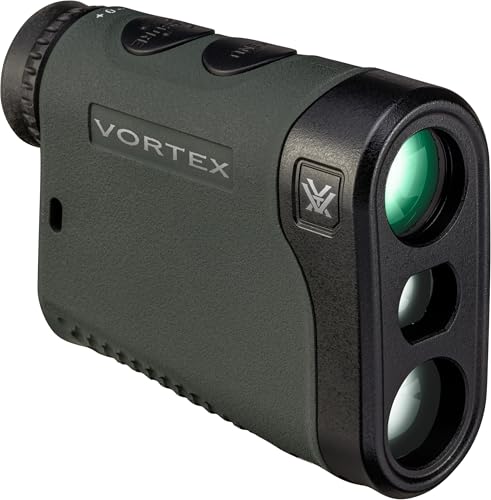
3.Vortex Triumph HD 850 Laser Rangefinder
850-yard reflective range helps you measure distances for deer hunting

4.Leupold RX-1400i TBR/W Gen 2 Rangefinder
TBR/W calculates accurate ballistic ranges for longer-distance shots

5.AOFAR HX-700N Hunting Rangefinder 700 Yards
Range and speed modes measure targets from 5 to 700 yards in the field

6.Mossy Oak Hunting Rangefinders 1200Y Laser
6X magnification and HD optics give you a clear view out to 1200 yards

7.WOSPORTS H-116H Hunting Rangefinders 1200Y
Four modes provide distance, bow, slope and speed readings for hunting

8.PEAKPULSE LC1200A Hunting Rangefinder 6X
Angle compensation gives true horizontal distance for elevated shots
1. TIDEWE HR-F700 Hunting Rangefinders 700 Yards
TIDEWE helps hunters check distances and angles before taking a shot, with readings up to 700 yards. Its 6.5x magnification and laser measurement cover straight-line, vertical and horizontal distance, as well as speed.
Readings arrive in as fast as 0.46 seconds, with accuracy of plus or minus 1 yard across a 3-to-700-yard range. Continuous scan mode lets you check several points, including trails, brush edges and moving targets.
The LCD shows distance data, and one-hand controls switch modes, start scanning and adjust focus. You can also choose meters or yards, which makes it easier to use the units you prefer in the field.
At about 5.7 ounces, the rangefinder is light to carry in a pack or jacket pocket. Its Leaf Camo finish suits wooded settings, and the included lanyard gives you another way to carry it.
A rechargeable Li-ion battery supports up to 21,000 measurements per charge, so you can take repeated readings without packing spare batteries. The included storage bag helps keep it protected between outings.
This rangefinder suits hunters who want quick distance checks, multiple measurement modes and a lightweight design for field use.
- Measures up to 700 yards with 1-yard accuracy
- Reads targets in as fast as 0.46 seconds
- 6.5x magnification with several distance modes
- Rechargeable battery supports 21,000 measurements
- No major cons
2. REVASRI HK-600H-3 Hunting Laser Rangefinder
For hunting across open ground, this REVASRI rangefinder measures distances up to 1,000 yards and offers 6.5x magnification. Its stated accuracy is within 1 yard for distance and 1 degree for angle, helping you check a target’s range and angle before making a decision.
Seven modes cover ranging, combined readings, scanning, speed measurement, two-point height measurement, golf distance compensation and storage. The mode memory also returns to the last setting you used, so you don’t have to select it again after switching the unit off.
In continuous scan mode, one press lets you check multiple targets. The display updates angle, height, horizontal distance and straight-line distance as you scan; golf mode can lock onto a selected target, such as a pin or prey.
A multilayer-coated glass lens and transmissive LCD provide the view, and the display is designed to remain visible for eyeglass wearers. The compact unit weighs about 4 ounces and has a rain-resistant design for outdoor carrying.
Its built-in lithium-ion battery recharges through USB-C. The package includes a case, lanyard, lens cloth, charging cable and manual. This rangefinder suits hunters who want several measurement modes and a rechargeable option in a lightweight unit.
- Measures out to 1,000 yards for open ground
- Seven modes cover varied rangefinding tasks
- Scan updates distance, angle and height readings
- Rechargeable battery and USB-C charging
- No major cons
3. Vortex Triumph HD 850 Laser Rangefinder
850 yards is the Vortex Triumph HD 850’s maximum range on reflective targets, making it useful for checking distances in the field. It also ranges trees up to 500 yards and game up to 350 yards, covering common hunting distances.
The rangefinder offers three ranging modes: LOS, HCD and Scan. Three target modes—Normal, First and Last—give you options for taking readings on different targets or scanning an area.
Its 5x magnification brings distant targets closer, while the 21mm objective lens gathers incoming light. Fully multi-coated lenses and HD optics with select glass elements support color accuracy and light transmission.
The black LCD display gives you a readout in bright or low-light conditions. The green unit weighs about 0.3 pounds, so it adds little weight to hunting gear.
A soft-touch exterior helps you hold it securely in wet conditions or while wearing gloves. The rangefinder is waterproof and shockproof, and it comes with a soft carry case for transport and storage.
This compact feature set suits hunters who want distance readings for game, trees and reflective targets without carrying a heavier optic. It fits buyers looking for a straightforward rangefinder for typical deer-hunting distances.
- Ranges game up to 350 yards for hunting
- Three modes each for ranging and targets
- 5x magnification helps view distant targets
- Waterproof, shockproof body with secure grip
- Game range tops out at 350 yards
4. Leupold RX-1400i TBR/W Gen 2 Rangefinder
Hunters who need ballistic information for longer shots get useful range and wind tools from the Leupold RX-1400i TBR/W Gen 2. It ranges reflective objects to 1,400 yards and trees to 1,200 yards, giving you readings across different targets.
Its TBR/W technology calculates ballistic ranges for shots at longer distances and steeper angles. It can also provide a hold point for a 10-mph wind crossing at 90 degrees, out to 800 yards, helping hunters account for those conditions.
Archers can switch to Bow mode with Flightpath technology. It shows possible arrow obstructions and calculates angle-compensated ranges, which can help with shot planning when the terrain or target angle changes.
The selectable TOLED display uses red numbers and letters, with adjustable brightness for changing light. That lets you set the readout to suit the viewing conditions rather than rely on one brightness level.
At about a third of a pound, this black-and-gray rangefinder is light to carry in the field. Its combination of long ranging distances, ballistic calculations and bow-specific tools suits hunters who want more than a distance reading.
- Ranges reflective targets out to 1,400 yards
- TBR/W accounts for angle and wind conditions
- Flightpath shows possible arrow obstructions
- Adjustable red display suits changing light
- Tree ranging stops at 1,200 yards
5. AOFAR HX-700N Hunting Rangefinder 700 Yards
On hunting ground, the AOFAR HX-700N gives bow hunters range readings from 5 to 700 yards. Its range mode measures distance, while the separate speed mode provides another way to assess a target.
Six-times magnification brings distant targets closer in the viewfinder, and pin sensor technology helps identify them. The rangefinder measures distance to within about 1 yard, giving hunters a specific reading to use when judging a shot.
The waterproof, dustproof body is made for outdoor use in varied conditions. It weighs about 0.4 pounds, so carrying it alongside other hunting gear adds little weight, and its compact form fits in a pouch.
The package includes a CR2 battery, so the device has a power source included. A carrying pouch, portable rope, carabiner, cleaning cloth and user manual also come with it for carrying, setup and basic care.
Its two modes keep operation focused on distance and speed readings rather than a long list of settings. That simple range-and-speed setup may suit beginners who want a hunting rangefinder with the main measurement options.
For hunters comparing rangefinders under $300, this model’s 700-yard reach, magnification and accuracy are the key points to weigh. It suits bow hunters and newcomers who want a compact, weather-resistant tool for checking distances outdoors.
- Measures targets from 5 to 700 yards
- Six-times magnification brings distant targets closer
- Accuracy within about 1 yard aids judging
- Lightweight body weighs about 0.4 pounds
- No major cons
6. Mossy Oak Hunting Rangefinders 1200Y Laser
1200-yard laser range measurement is the central feature of this Mossy Oak rangefinder, giving hunters distance readings for targets across open ground. Its 6X magnification and HD optical system help you view distant objects while deciding where to aim.
Range, Speed and Scan modes cover different outdoor tasks. You can measure distance, check the speed of moving targets or scan multiple objects, making the device useful for hunting, shooting and golf.
Readings arrive in less than 0.5 seconds, with accuracy within 1 yard. That combination helps you get distance information quickly, whether you are lining up a shot or checking a golf course.
The IP54-rated housing resists water and dust, and its camouflage finish suits wooded and field settings. It weighs about 0.35 pounds, so carrying it on a hike or hunting trip adds little weight.
A built-in 750mAh battery supports up to 20,000 measurements per charge and recharges through USB-C. The package also includes a carrying pouch, charging cable, lens cloth and user manual.
This rangefinder suits hunters who want long-range readings, multiple measurement modes and a lightweight rechargeable design, with golf and shooting as additional uses.
- Measures distances up to 1,200 yards
- 6X magnification helps view distant targets
- Under 0.5-second readings within 1 yard
- Up to 20,000 measurements per charge
- IP54 protection is not full waterproofing
7. WOSPORTS H-116H Hunting Rangefinders 1200Y
WOSPORTS gives hunters a rangefinder that measures distances up to 1,200 yards, with 6x magnification to view a target while checking its range. Those figures make it useful for judging distances across open ground and through wooded terrain.
Four modes cover different field needs. M1 measures distance, while M2 provides range data for bow hunting; M3 adjusts readings for slope, and M4 tracks the speed of moving targets.
The unit also measures angle, height and continuous scan, according to the product title. M1 supports rapid scanning, so you can check changing distances while looking across an area.
For deer or turkey hunting, distance and slope readings can help you account for terrain before deciding how to proceed. You can switch between yards and meters by holding the MODE button for three seconds.
Its Deep Camo finish suits hunting use, and the rangefinder weighs about 0.3 pounds. That light weight supports one-handed use while you scan or adjust settings in the field.
The package listing includes a carry case. This rangefinder suits hunters who want 6x magnification, several measurement modes and readings up to 1,200 yards in a lightweight unit, especially bow hunters who can use its dedicated mode.
- Measures distances up to 1,200 yards
- 6x magnification helps view distant targets
- Four modes include bow and slope readings
- Weighs about 0.3 pounds for one-hand use
- No major cons
8. PEAKPULSE LC1200A Hunting Rangefinder 6X
With 6X magnification and three ranging modes, the PEAKPULSE gives hunters distance readings for different shots and scouting tasks. It measures up to 1,400 yards, with stated accuracy of plus or minus one yard.
Basic distance mode covers general ranging, while horizontal distance mode accounts for elevated bow shots. Vertical height mode helps check ridge lines, and a single button switches between the three.
Angle compensation calculates horizontal distance on steep ground or from a tree stand, so you can use the reading that matters for a shot. The display uses LCD glass, and vibration feedback signals when the rangefinder locks onto a target.
The 6X view and high light transmission are intended to help hunters see targets in dim early-morning or late-evening light. Its camouflage body measures about 4.6 inches long and weighs about 0.3 pounds, making it light to carry in the field.
It runs on two AAA batteries, and the package includes four batteries, or two sets. The maker says each set supports more than 5,000 measurements; the included carry case, lanyard and magnetic carry bag add carrying options.
With IP54 water resistance and a Class I laser rated below one milliwatt at 905 nanometers, it suits hunters who want angle-aware readings in a lightweight unit. This is our final pick for bow hunters and scouts who value several measurement modes.
- Measures up to 1,400 yards for long shots
- Angle compensation gives horizontal shot distance
- Three modes cover distance, height and angles
- Four included AAA batteries provide two sets
- IP54 protection offers limited water resistance
How to Choose the Best Hunting Rangefinders Under 300
A hunting rangefinder helps you judge distance before choosing a shot, but advertised reach, angle readings, display visibility, and power vary. The right choice depends on your hunting style, terrain, budget, and how easily you need to use it.
| If You Need | Look For | Expect |
|---|---|---|
| Bow hunting | Angle compensation, bow mode | Fewer useful features at lower prices |
| Open-country rifle hunting | Strong game-target range, clear optics | Longer range often costs more |
| Fast target readings | Scan mode, quick refresh | More battery use during repeated scans |
| Low-light viewing | Bright adjustable display | Higher power use at brighter settings |
| All-day carrying | Low weight, compact case | Smaller bodies may feel harder to hold |
| Wet-weather use | Water and dust protection | Added sealing can increase cost |
| Simple power management | Replaceable batteries | Spare cells add pack weight |
| Frequent practice | Rechargeable battery, stated capacity | Charging depends on access to power |
Useful Range
A rangefinder’s maximum distance usually refers to a reflective target, not an animal; game, trees, and dark surfaces return weaker signals. Compare the stated ranges for the targets you actually measure, rather than choosing by the largest number.
For hunting, a dependable reading on game is more useful than an impressive reflective-target figure. Look for separate game or tree ranges when available, and leave a margin beyond your usual shooting distance for changing conditions.
Open fields and long rifle shots reward greater usable reach, while dense woods rarely need extreme distance claims. Fog, rain, branches, and low contrast can shorten readings, so treat advertised limits as best-case figures.
Angle Compensation
A shot uphill or downhill covers less horizontal distance than the straight line shown between you and the target. Angle compensation estimates the horizontal, or adjusted, distance that helps you choose an appropriate shot.
For bow hunting in steep terrain, look for a dedicated bow setting or horizontal-distance reading. Those features reduce mental arithmetic, but you still need to follow your own bow’s range limits and safe-shot rules.
Some units show line-of-sight distance, while others provide horizontal distance or ballistic calculations. Learn which number appears in each mode before hunting, because using the wrong figure can lead to a poor shot decision.
Target Readings
Branches and nearby objects can interfere with a reading on an animal behind them. Target-priority modes, sometimes called first or last target, help distinguish the nearest obstruction from the farthest visible object.
For timber or brush, seek clear instructions for selecting targets and confirming readings. A scan mode updates distance as you sweep across an area, which helps locate a target but can show changing readings quickly.
A steady hand and a distinct target still matter more than a long feature list. If you often range animals through clutter, practise aiming at known objects and confirm the displayed distance before relying on it.
Display And Optics
Magnification affects how large a distant target appears, while the objective lens gathers light into the view. Around five to six times magnification suits many hunting situations, though higher magnification can make hand shake more noticeable.
Display type and colour affect how easily you read numbers against different backgrounds. A bright adjustable display helps in dim timber, while a dark display can be easier to read in strong daylight.
If you hunt at dawn or dusk, compare display brightness settings and how plainly the numbers stand out. Strong backlighting helps visibility, but it can draw attention in darkness and consume more battery power.
Accuracy And Speed
Accuracy tells you how close a displayed distance should be to the actual measurement. Many hunting models state accuracy within about one yard, which is useful for ordinary shot decisions when the target is clearly acquired.
Reading speed matters when an animal is moving or you need several measurements in succession. A stated reading time below one second is a sensible target, though difficult surfaces can still require repeated attempts.
Continuous scanning helps track distance across several targets or follow movement through open ground. It uses repeated readings rather than one locked measurement, so practise interpreting the display without losing sight of the animal.
Handling And Weight
A light, compact unit is easier to carry on long walks and quicker to bring to your eye. Around four to six ounces feels manageable for many hunters, while a heavier body may feel steadier in use.
Grip, button placement, and focus controls affect operation with gloves or cold fingers. Choose controls you can identify by touch, and consider whether the shape lets you hold the unit securely with one hand.
A wrist lanyard or case helps prevent drops and keeps the rangefinder within reach. A magnetic attachment or belt pouch may suit frequent stops, but extra fittings add bulk to your hunting kit.
Weather Protection
Rain, dust, and accidental knocks are common field hazards, so protection ratings and construction deserve attention. An IP54 rating means limited dust protection and resistance to water splashes, not safe submersion.
Waterproof claims vary, so read the stated protection level rather than assuming every sealed-looking model can handle heavy rain. For wet climates, choose clearly described waterproof protection and keep the unit in its case when unused.
Shock resistance helps protect internal optics if the device gets bumped, but it does not make a rangefinder drop-proof. A protective case and careful storage remain useful, especially when carrying gear over rough ground.
Battery And Charging
Rechargeable batteries reduce the need to pack spare cells, and stated measurement counts give a rough comparison between charges. A high number of readings suits frequent practice, but cold weather can reduce battery performance.
Replaceable batteries let you restore power quickly in the field if you carry spares. Their trade-off is extra weight and the need to keep the correct battery type dry and available.
USB charging is convenient when you have access to a power bank or vehicle, while a built-in battery needs planning for longer trips. Look for a clear charge indicator and estimate use across your usual outing length.
Price And Budget
Under $100, expect basic distance and scan functions, modest magnification, and simpler displays; this tier suits occasional use or straightforward terrain. Confirm that the stated game range and angle features meet your needs.
Around $100 to $200, buyers often find more modes, rechargeable power, or improved display choices. Paying more in this range makes sense when a specific feature, such as bow angle compensation, solves a regular problem.
Near the $300 limit, extra spending may bring longer usable range, ballistic calculations, or stronger weather protection. Pay for features you will use, and compare warranty terms and replacement-battery costs before deciding.
Warranty And Support
A clear warranty tells you how long defects are covered and what exclusions apply. Read the terms for accidental damage, water exposure, and proof of purchase, since coverage differs between makers.
For a tool carried outdoors, accessible support and a straightforward repair process reduce the risk of being left without it. Keep the receipt and register the unit if the warranty requires it.
Frequently Asked Questions
What kind of batteries do these rangefinders use?
Battery details aren’t provided for these models, so check the product listing or manual for the exact power source before buying.
Which rangefinder should I choose for longer-distance readings?
The REVASRI HK-600H-3 offers a stated 1,000-yard range, while the Mossy Oak and WOSPORTS models are listed for readings out to 1,200 yards.
Should I pick the Leupold RX-1400i TBR/W Gen 2 or the PEAKPULSE LC1200A?
Choose the Leupold if you want TBR/W ballistic range calculations for longer-distance shots, or the PEAKPULSE if angle compensation for elevated shots is your priority.
Which models offer modes for different hunting situations?
The WOSPORTS H-116H has distance, bow, slope, and speed modes; the AOFAR HX-700N includes range and speed modes.
Are these rangefinders built with metal or plastic bodies?
The listed product details don’t specify body materials, so check each manufacturer’s specifications for construction information.
What comes in the box with these rangefinders?
Box contents aren’t specified in the product details provided, so confirm whether a case, batteries, or other accessories are included on the product listing.
Which models can help with elevated shots?
The PEAKPULSE LC1200A uses angle compensation to provide true horizontal distance, while the WOSPORTS H-116H includes a slope mode.
So, What Should You Buy?
For most hunters, the REVASRI HK-600H-3 is a strong pick, pairing 6.5X magnification with a 1,000-yard range. On a tighter budget, consider the TIDEWE HR-F700, whose scan mode and 700-yard reach suit straightforward field ranging.
Need ballistic help for longer shots? Choose the Leupold RX-1400i. For more reach, the Mossy Oak or WOSPORTS offers 1,200 yards; for elevated shots, pick the PEAKPULSE. Choose the model that best matches your hunting needs.