

A cold-weather hunt feels more manageable when your core stays warm and your gear stays close at hand. Regular layers can trap warmth, but they often lack handy pockets, and bulky coats can restrict movement or make it harder to reach essentials.
A hunting vest adds warmth over your base layers while keeping your arms free to shoulder a firearm or handle gear. Its insulated body helps hold heat, and accessible pockets keep calls, ammunition, and small essentials within reach without digging through a pack.
Many vests include quiet fabrics that help limit rustling, adjustable fits that work over layers, and durable outer shells that handle brush and light weather. A game pouch can also make carrying harvested game more convenient on the walk back.
Warmth, weight, pocket layout, and fit vary by model, so consider your typical conditions and layers. Explore the best hunting vests for cold weather below to find one that suits your hunts.
7 Best Hunting Vests for Cold Weather Reviews

1.Venustas Hunting Vests With 5 Heat Zones
Five heating zones warm your chest, back and neck during cold hunts

2.Soleilwear K115 Heated Fleece Vest, 9 Zones
Nine heating zones warm your neck, back and pocket areas in seconds

3.BASSDASH Heated Vest With 6 Heating Pads
Six heating pads warm your neck, chest, pockets and back in the cold

4.ETIBUX K112 Heated Fleece Vest, 9 Zones
Nine heating zones warm your collar, chest, pockets, abdomen and back

5.Gamehide Gamebird Ultra-Light Upland Vest
Airflow cut-outs help keep your core cool on warm days and long hunts
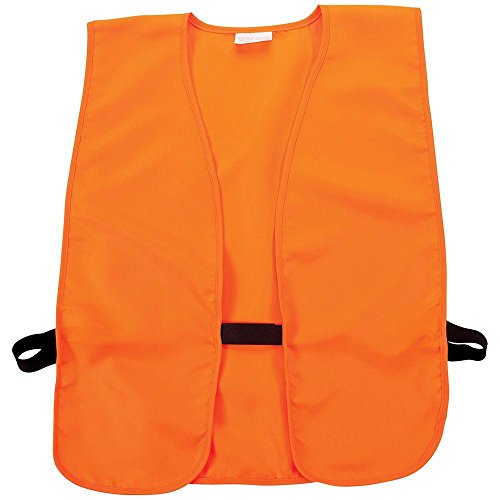
6.AC Allen 15751 Hunting Vests, Blaze Orange
Blaze orange helps you stand out in dense foliage and stay visible

7.TIDEWE Hunting Vests With 4 Heating Zones
Four heating zones provide up to 10 hours of warmth on low heat
1. Venustas Hunting Vests With 5 Heat Zones
Venustas Camo keeps your core warm during cold-weather hunts with five carbon-fiber heating zones across the chest, back and neck. The adjustable heat suits chilly mornings in a stand, scouting trips and outdoor work.
Its rechargeable battery provides up to 20 hours of warmth, so you can use the vest through long stretches outside. A 3-hour fast-charge time helps get the battery ready between outings; the package includes one battery, but not the 35W charger.
The Next Camo G2 fabric combines a quiet feel with a waterproof and windproof shell. That pairing helps limit fabric noise while shielding you from wet, windy conditions, and the camouflage pattern supports concealment in the field.
Six pockets give you places for gloves, a phone, a rangefinder or small tools. Webbing loops on the collar provide attachment points for items such as a whistle or light, keeping useful gear close while you hunt.
A concealed power button avoids unwanted light exposure, and the vest can go in a washing machine. It comes in size Large, so check the available fit before ordering. The battery-powered warmth and quiet shell make it a practical choice for hunters who spend long hours outdoors in cold weather.
- Five heat zones cover chest, back and neck
- Runs up to 20 hours on one charge
- Waterproof, windproof shell helps block weather
- Quiet camouflage fabric supports field concealment
- 35W charger is not included with battery
2. Soleilwear K115 Heated Fleece Vest, 9 Zones
For hunting trips in cold weather, this heated vest offers nine warming zones and a rechargeable battery rated for up to 10 hours. Carbon-fiber heating elements sit around the neck, mid-back, lower back and hand pockets to warm several areas of the body.
Three heat settings range from 104°F to 140°F, so you can choose a lower level for milder conditions or more heat when needed. The chest logo serves as the power switch, which you press and hold for three seconds.
The fleece vest has a stand-up collar and elastic hem, and its lightweight, non-bulky shape can go under a coat or be worn on its own. That layering option can help hunters adjust their clothing as conditions and activity change.
Zippered outer pockets secure small essentials, while an inner pocket holds the power bank out of the way. The one-button control is designed to work with gloves, and an LED controller shows its settings at a glance.
The 10,000mAh battery has an LED display for remaining charge and two USB ports for charging a phone. It is UL- and CE-certified, and the vest is machine washable after you remove the battery.
The package includes the vest, power bank, cable and manual. This black X-Large vest suits hunters who want adjustable built-in warmth and a layer they can wear beneath a winter coat.
- Nine heating zones warm the neck and back
- Three heat levels reach up to 140°F
- 10,000mAh battery includes two USB ports
- Up to 10 hours of battery runtime
- Battery must be removed before washing
3. BASSDASH Heated Vest With 6 Heating Pads
Six heating pads warm the neck, chest, pockets and back of the BASSDASH hunting vest, making it a useful layer for cold-weather outings. The pads run from a 5V power source, but you’ll need to supply your own battery pack.
Three heat settings reach 113°F, 122°F and 131°F. A short press changes the temperature, and the maker estimates four to six hours of warmth on a single charge.
Separate controls let you manage the heated zones independently: one switch handles the chest and pockets, another controls the neck and back, and a third turns the light on or off. That lets you adjust warmth by area.
For fishing, hunting and other outdoor activities, the mercerized velvet collar helps hold warmth around the neck. Two zippered pockets secure small items, while an adjustable hem helps keep cold air from getting in.
The vest is water-resistant and washable, though you must remove and disconnect the battery before cleaning. You can hand-wash it gently or machine-wash it cold in a laundry bag on a gentle setting.
This Autumn Forest vest comes in 3X-Large. It suits hunters and other outdoor users who want adjustable heat across several body zones and already have a compatible battery pack.
- Six pads heat the neck, chest, pockets and back
- Three settings reach up to 131°F
- Separate controls adjust front and back heat
- Up to six hours of warmth per charge
- Battery pack must be purchased separately
4. ETIBUX K112 Heated Fleece Vest, 9 Zones
Hunters and other people outdoors in cold weather get nine heated zones in the ETIBUX fleece vest. Its carbon-fiber elements warm the collar, chest, hand pockets, abdomen and back, giving hunters heat across several areas while they wait or move.
The included 12,000mAh battery powers the heating system for up to 9 to 10 hours on low, 6 to 8 hours on medium, or 3 to 4 hours on high. It also has two USB outputs, so you can charge a phone or another device while away from an outlet.
A one-button LED control switches among three heat levels: 149°F, 131°F and 113°F. The vest’s flexible heating sheets and overheat protection support extended wear, while the collar zone adds warmth around the neck.
Dense fleece gives this black, X-Large vest a soft, wind-resistant layer. Its slim cut lets you wear it under a jacket or over other clothing, which can help hunters adjust their layers as conditions change.
For cleaning, remove the battery and seal the USB port before machine washing. The maker says the heating elements remain intact after repeated washes. The vest suits hunters who want adjustable warmth across the torso and collar, along with a battery that can also power small devices.
- Nine heated zones cover the collar and torso
- 12,000mAh battery offers up to 10 hours on low
- Three heat settings suit changing cold conditions
- Dual USB outputs can charge other devices
- High setting lasts only 3 to 4 hours
5. Gamehide Gamebird Ultra-Light Upland Vest
Over a light jacket in cool hunting weather, the Gamehide Gamebird Ultra-Light vest adds places for shells and game without requiring a full upland vest. Its tan and orange color scheme comes in X-Large.
The blood-proof game bag opens from the front, top or rear, giving you several ways to put in or remove birds, squirrels and other game. Cut-outs help air circulate around your core on warmer days or during long periods of work.
A specialized cut aims to balance the weight of shells and birds while allowing movement. Large bellows pockets hold a box of shells, field gloves or other small gear, with openings designed for easy access.
At about 1.2 pounds, this vest is light to carry on long hunts. Its design also suits warmer conditions when you would rather avoid a full upland vest, though the listed use over a light jacket makes it relevant for cooler days.
This option suits upland hunters who want a lightweight layer for carrying shells and game over a light jacket, with adjustable access to the game bag and roomy pockets.
- Game bag opens from three different sides
- Cut-outs help release heat on warm hunts
- Bellows pockets hold shells and field gloves
- About 1.2 pounds for lighter carry
- Not a full upland vest for colder days
6. AC Allen 15751 Hunting Vests, Blaze Orange
Hook-and-loop adjustment lets this blaze-orange vest fit over jackets and other cold-weather layers. Its size range spans 26 to 60 inches, giving hunters room to wear it over different clothing.
The bright orange color helps make the wearer visible in dense foliage. That visibility matters when hunting in areas where other people may be nearby, while the vest adds little bulk over a coat.
Quiet polyester and acrylic fabric avoids the noise of zippers during movement. The vest has no zippers, so there are fewer noisy closures to disturb a quiet hunt.
Adjustable straps and a hook-and-loop closure let you adapt the fit over heavier clothing. The listed size is Small, so check that the stated 26-to-60-inch fit range works for your layers before buying.
Machine-washable construction makes cleanup after outdoor use simpler. The vest weighs about 0.001 pounds according to the listing, though the unusually tiny figure may not reflect its actual carrying weight.
This blaze-orange vest suits hunters who need a visible layer that can go over cold-weather gear, especially those who value quiet movement and an adjustable closure.
- Blaze orange helps hunters stay visible outdoors
- Quiet, zipper-free build suits stealthy movement
- Adjusts over jackets and cold-weather layers
- Machine washable for simpler cleanup
- No major cons
7. TIDEWE Hunting Vests With 4 Heating Zones
TIDEWE gives cold-weather hunters targeted warmth through four heating zones at the collar, mid-back and both hand pockets. Its included 10,000mAh battery pack powers three heat settings, with runtimes of up to 10 hours on low, 5.5 hours on medium or 3 hours on high.
For long sits outdoors, the double-sided fleece helps hold body heat, while its quiet surface reduces movement noise. The TrueTimber Kanati camo pattern suits deer, duck and other cold-weather hunts, keeping the vest in step with hunting gear.
You can choose low, medium or high heat to suit the conditions and your activity. The battery pack also has two USB ports, so it can power the vest while charging a phone at the same time.
The 3X-Large vest has an adjustable elastic hem to help secure the fit, plus a YKK main zipper. Multiple zippered pockets give you places to keep small items close while you hunt.
The battery carries UL, FCC, RoHS and CE certifications, and includes overcharge and overload protection. As our final pick, this vest suits hunters who want quiet camo, adjustable heat and a battery pack in one garment.
- Four heat zones warm the collar, back and pockets
- Low setting runs for up to 10 hours
- Quiet camo fleece helps limit movement noise
- Dual USB ports power vest and charge phone
- High heat lasts for only up to 3 hours
How to Choose the Best Hunting Vests for Cold Weather
Cold-weather hunting vests range from simple visibility layers to insulated, battery-heated options, so the right choice depends on your weather, activity, and layering system. Fit, warmth, quiet fabric, storage, and care needs all affect comfort and usefulness afield.
| If You Need | Look For | Expect |
|---|---|---|
| Long sits in freezing weather | Heated zones and insulated layers | More weight and battery dependence |
| Quiet movement through cover | Soft, low-noise outer fabric | Less abrasion resistance |
| Warm hands and core | Heated pockets and chest zones | Higher power use |
| Long outings away from charging | Large battery and low setting | Slower charging or added bulk |
| Rain or wet brush protection | Water-resistant or waterproof shell | Less breathability |
| Upland game carrying | Large game bag and access points | More fabric and storage bulk |
| High visibility for group hunts | Blaze-orange coverage | Less camouflage flexibility |
| Easy layering over a jacket | Adjustable fit and roomy cut | Looser fit without outer layers |
Warmth and Heating Coverage
Start with the temperatures and activity you expect, because a vest that suits a brisk walk may fall short during a long, still sit. Insulation, wind protection, and heated areas all affect how warm you feel.
Heated designs commonly place elements across the chest, back, collar, or pockets, but more zones do not automatically mean better warmth. Choose coverage around the areas that lose heat during your hunts, and look for separate controls if you want to limit power use.
Three heat settings give you room to adjust output as weather or activity changes, while the highest setting usually drains a battery fastest. For long waits, prioritize a useful low setting and dependable core coverage over a high temperature number.
A vest does not replace a full layering system, so plan a base layer and suitable outer shell for your conditions. For subfreezing sits, prioritize insulation and wind blocking; for active hunts, lighter warmth helps reduce overheating.
Battery Runtime and Power
Battery claims often describe the lowest heat setting, so compare runtime at each level rather than relying on the longest figure. A high setting may last only a few hours, which matters on dawn-to-dusk outings.
Capacity, listed in milliamp-hours, indicates stored charge, but it does not guarantee a set runtime across different designs. Look for clear estimates by heat level and consider carrying a spare battery when charging is unavailable.
An included battery makes setup easier, while a vest sold without one requires a compatible power pack. Confirm the required voltage, connector, and battery type before buying, since a spare pack that does not fit is no help afield.
Fit and Layering
A vest should sit close enough for heated panels to transfer warmth, but not so tight that layers pull across your chest or restrict movement. Use the garment’s measurements, not just its letter size, when comparing options.
Measure over the layers you expect to wear, especially for winter hunts with a thick shirt or jacket underneath. Adjustable hems and closures help reduce drafts, while a roomy cut suits bulky layers but may feel loose over light clothing.
Shoulder movement matters when raising a firearm, climbing, or reaching into pockets. Check armhole shape and torso length, and choose a fit that stays in place without bunching under a pack or outer jacket.
Weather Protection
Wind strips warmth quickly, so a wind-resistant shell is useful during exposed sits and open-country hunts. Waterproof protection adds value in steady rain or wet snow, but a fully sealed layer may trap sweat during strenuous movement.
Water-resistant fabric handles light moisture and damp brush better than ordinary fleece, but it is not a substitute for a rain shell in prolonged downpours. Match the level of protection to your forecast and how long you will stay outside.
Breathability matters when you hike in, then stop to wait, because damp clothing chills quickly once activity drops. For mobile hunts, favor a design that vents heat or pairs easily with a breathable outer layer.
Quiet Fabric and Visibility
Quiet fabric reduces rustling when you move through branches or shift position, which helps avoid announcing your presence. Soft fleece and brushed materials often make less noise than slick shells, though they may offer less protection from abrasion.
Camouflage suits cover where matching patterns help blend into surroundings, but pattern choice should reflect local terrain and the outer layers you wear. A vest hidden beneath a jacket contributes little to concealment.
For hunts requiring group visibility, blaze-orange coverage helps other hunters identify you, though it limits camouflage use. Check local regulations for required color, placement, and coverage before choosing a visibility layer.
Pockets and Game Storage
Pocket layout affects whether essentials stay secure and reachable without distracting movement. Zippered pockets keep small items from falling out, while open or bellows pockets offer quicker access and more room for gloves or calls.
Upland hunters should consider a game bag’s capacity, closure, and access points, since loading birds should not require removing the vest. A blood-resistant lining is easier to clean, but a larger bag adds fabric and bulk.
Battery pockets need to hold the pack securely without pressing against your body or obstructing other storage. Look for a location that keeps cables protected and leaves room for the items you carry most often.
Weight and Mobility
Every extra layer adds weight, and a battery increases it further, so compare total carry weight rather than fabric weight alone. Lighter vests suit long walks and upland hunts, while heavier insulation may help during stationary waits.
Cut and flexibility influence whether a vest rides up or pulls when you shoulder a firearm. Try the intended range of motion over your normal layers, and avoid bulky seams where a pack strap or sling rests.
Ventilation openings can make a lightweight vest more comfortable during climbs, but they may expose you to wind when you stop. Choose breathability for active routes and fuller coverage for colder, slower hunts.
Care and Durability
Hunting gear faces mud, sweat, brush, and repeated packing, so fabric strength and seam construction affect useful life. Reinforced stress points and sturdy closures are valuable when pockets carry tools or game.
Electrical components add care requirements beyond ordinary clothing, and washing instructions differ by design. Confirm whether the battery must be removed and whether the vest is machine-washable or hand-wash only before buying.
A washable garment is easier to maintain after a messy outing, but follow the stated temperature and drying instructions to protect wiring and fabric. Air-drying may take longer than machine drying, so plan care between trips.
Price and Included Gear
Lower-priced options often focus on visibility or basic storage, while heated models generally cost more because they add wiring, controls, and battery support. Compare what is included, since a vest without a battery may need extra spending.
Paying more is worthwhile when you need dependable heating coverage, weather protection, or a useful battery for long outings. For occasional mild-weather use, a simple vest may meet your needs without added electrical features.
Warranty and Support
Electrical heating parts make warranty terms especially relevant, since a failure can leave the vest usable only as an ordinary layer. Read the coverage period and exclusions for batteries, wiring, and switches before purchase.
Also look for clear instructions on replacement batteries, repairs, and returns, because support affects ownership after the first season. A straightforward warranty is useful, but it does not replace checking fit, care rules, and compatibility first.
Frequently Asked Questions
Do the heated hunting vests include a battery?
The product details provided don’t specify whether a battery is included. Check each listing’s package contents and power requirements before buying.
Which heated vest provides the most coverage?
The Soleilwear K115 and ETIBUX K112 each have nine heating zones. The Soleilwear warms the neck, back and pocket areas, while the ETIBUX covers the collar, chest, pockets, abdomen and back.
What’s the difference between the Venustas and BASSDASH heated vests?
The Venustas has five heating zones for the chest, back and neck, while the BASSDASH has six heating pads for the neck, chest, pockets and back. Choose based on which areas you want warmed.
Which vest should I choose for a warm day or a long hunt?
The Gamehide Gamebird Ultra-Light Upland Vest has airflow cut-outs designed to help keep your core cool during warm days and long hunts.
Is the AC Allen vest a heated vest?
Its listed feature is blaze orange for visibility in dense foliage; the product details provided don’t specify heating. Consider it if being easy to see is your priority.
Which heated vest is a good choice for extended warmth?
The TIDEWE has four heating zones and provides up to 10 hours of warmth on low heat, according to its listed feature.
What should I look for when choosing a hunting vest for cold weather?
Consider whether you want heated zones, which body areas need warmth, and how long you need it. For example, the Venustas heats the chest, back and neck, while the TIDEWE lists up to 10 hours on low.
So, What Should You Buy?
For most hunters, the Venustas vest is a strong all-around pick, with five heat zones covering the chest, back and neck. Want broader heating coverage? Choose the Soleilwear K115 or ETIBUX K112, both with nine zones; the BASSDASH offers six heating pads.
For up to 10 hours of warmth on low, consider TIDEWE. Prefer a lightweight option for warm days and long hunts? Pick the Gamehide Gamebird Ultra-Light. For added visibility, choose the blaze-orange AC Allen. Match your needs, then head out confidently.