

Use strong tackle, smelly natural bait, and target structure at prime times.
If you want to learn how to catch catfish with skill and consistency, you’re in the right place. I’ve spent long nights on rivers and lakes, tested rigs in tournaments, and guided new anglers to their first big fish.
This guide blends proven methods, real-world lessons, and clear steps so you can catch more catfish, more often.
Understanding Catfish Behavior
To master how to catch catfish, start by thinking like a catfish. These fish use their sense of smell and taste to find food. Their whiskers and skin detect scent in tiny amounts. They feel current shifts and sound through a lateral line.
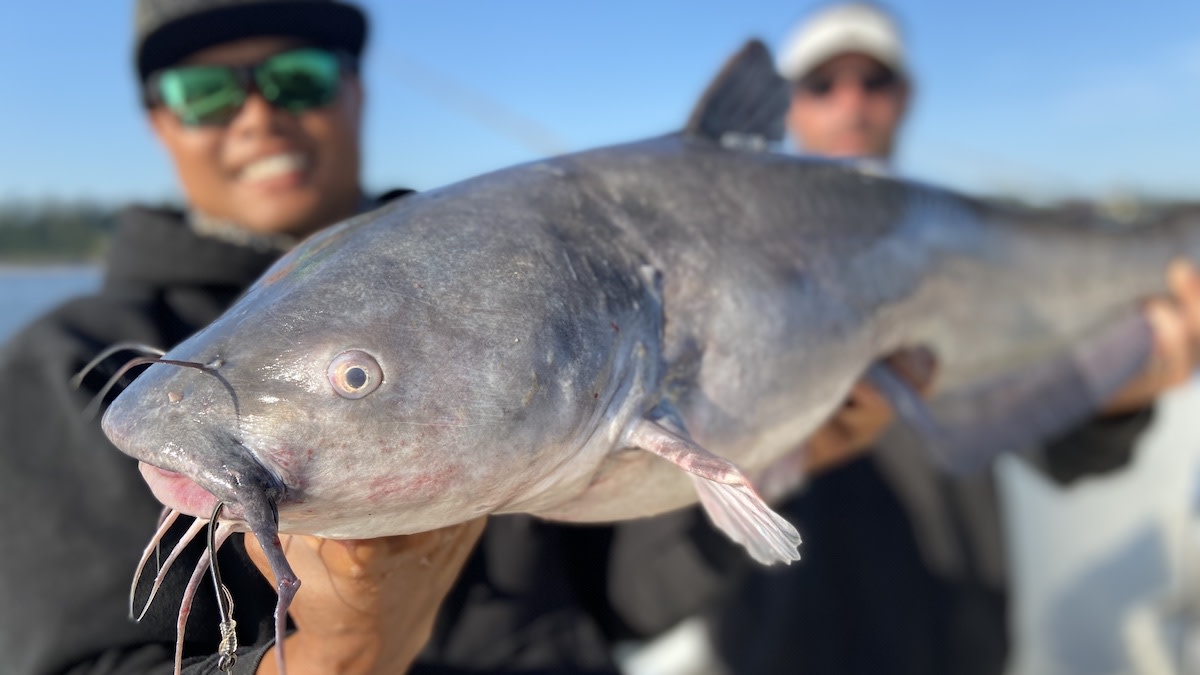
Know the species you target. Channel catfish roam and love strong scent. Blue catfish hunt baitfish and move along channels and ledges. Flathead catfish ambush prey and prefer live bait near wood and rock.
Catfish hold near structure. Look for deep holes, outside river bends, seams where fast water meets slow water, riprap, bridge pilings, timber, and drop-offs. They feed best at dusk, at night, and at first light. Water temperature matters too. Cool spring water pushes cats shallow; hot summer days move them deep; fall brings a strong bite on ledges.
Personal note: On a humid June night, I anchored above a current seam below a dam. Cut shad sat in the seam. The first blue cat slammed it in under five minutes. Pattern first. Then bait. That is how to catch catfish with intent.
Gear and Tackle Essentials
Choosing the right gear is step one in how to catch catfish. Use a 7 to 8.5 foot medium-heavy rod with a soft tip and strong backbone. Pair it with a smooth reel that holds 150+ yards of 30 to 65 lb braid or 20 to 30 lb mono.
Braid cuts current and has great feel. Mono forgives shock and has stretch. Use abrasion-resistant leaders. For channels and average blues, 30 to 50 lb leader works.
For trophy blues or flatheads, step up to 60 to 80 lb. Circle hooks reduce deep hooks and raise hookup rates. Good sizes range from 5/0 to 10/0. Offset circles or octopus circles both work. Match hook size to bait size, not fish size.
Add essentials:
- Egg or no-roll sinkers to hold bottom
- Swivels to stop line twist
- Beads to protect knots
- Rod holders to keep angles steady
- A large rubber net and long pliers
Pro tip: Set your drag so it slips on a hard pull, but not on a steady run. Use clickers when anchored to avoid pulled rods.
Best Baits That Work
The bait you pick often decides how to catch catfish that day. Use what lives in the water. For blue catfish, fresh cut shad, skipjack, or herring is gold. For channel cats, cut bait, chicken liver, shrimp, or quality dip and punch baits shine. For flatheads, use live sunfish, bullheads, shad, or sucker where legal.
Keep bait fresh and cool. Bleed baitfish for clean scent. Cut baits should show red meat and oily skin. Hook once through tough skin so scent flows. With liver or soft baits, use bait holders or gauze.
Chumming can help where allowed. Toss small bits of cut bait to start a scent trail. Let the current carry it to your hook. This tactic has saved many slow days for me.

Where and When to Fish?
Where and when are the heart of how to catch catfish. In rivers, target outside bends, eddies, holes below dams, wing dikes, and log jams. In lakes, search creek channels, points with wind, riprap, submerged timber, and inflow areas after rain.
Time your trips:
- Spring: Warming water pushes catfish into creeks and shallow flats. Fish afternoons and evenings.
- Summer: Fish deep holes by day. At night, cats roam shallow flats. Follow wind-blown banks.
- Fall: Work ledges and drop-offs as bait schools up. Midday can be strong.
- Winter: Slow down in deep, stable water. Smaller baits often win.
Use tools. Study contour maps. Pay attention to wind pushing bait. A simple thermometer and a cheap headlamp at night can double your odds.
))/821032.json)
Rigs and Techniques That Catch Fish
Your rig and how you present it completes the plan for how to catch catfish. Keep it simple. These rigs cover 90% of spots:
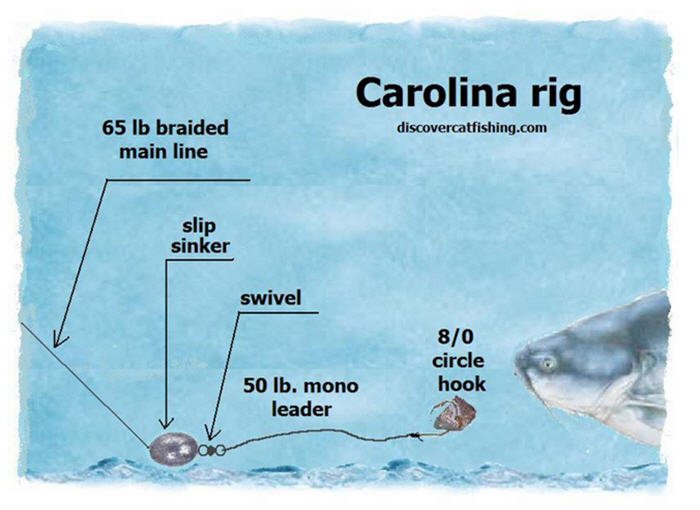
- Slip-sinker (Carolina) rig: Great all-around. Egg sinker above a swivel, leader, and circle hook.
- Santee Cooper rig: Like a Carolina, but add a small peg float near the hook to lift bait.
- Three-way rig: Holds bait just off bottom in strong current.
- Slip float rig: Drift baits over snags, grass lines, or shallow flats at night.
Core techniques:
- Anchor and fan-cast. Set on the up-current side of structure. Cast at different angles and distances.
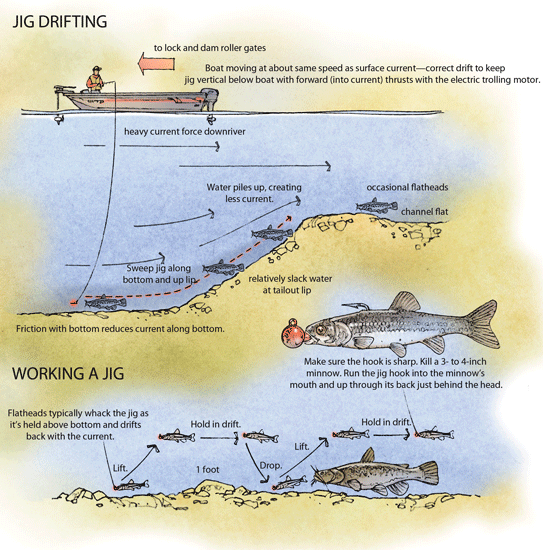
- Drift or drag. In lakes, wind or slow trolling moves baits along contours. Use light weights so baits glide.
- Spot hop. No bites in 20 to 30 minutes? Move. Catfish are either home or not.
- Let circle hooks work. Reel down and apply steady pressure. Do not jerk-set.
A common lesson from guiding: tight lines and fresh bait beat fancy gear. Keep that mindset, and your results jump fast.
Bank Fishing vs Boat Fishing
You can learn how to catch catfish from bank or boat. Both work great. Bank anglers should walk to points, bridge areas, riprap, and bends with deep water near shore. At night, cast to shallow flats just off deeper water. Use solid rod holders, a headlamp, and a plan to land fish safely.
Boat anglers can reach mid-lake ledges and deep river holes. Use your sonar to find bait schools, structure, and fish arcs. Anchor with care in current. In lakes, drag baits at 0.3 to 0.8 mph along channel edges.
Kayak tip: Wear a PFD, keep gear leashed, and avoid swift water at night. A slow, quiet kayak often sneaks up on wary flatheads.
Safety, Ethics, and Legal Tips
Safe, fair fishing is part of how to catch catfish the right way. Check local rules on size, limits, trotlines, jug lines, and legal baits. Some states ban moving live fish. Many encourage releasing trophy blues and flatheads to protect breeding stock.
Fish care matters. Wet your hands. Use circle hooks and long pliers to reduce harm. Keep fish you plan to eat on ice, not on a stringer in warm water. Let big breeders go when you can. They are the future of the fishery.
Wear a PFD, use lights at night, and watch the forecast. Keep a first aid kit in your bag or boat.

Common Mistakes and How to Fix Them
Avoid these errors if you want to master how to catch catfish:
- Sitting too long on dead water. Move after 20 to 30 minutes without signs.
- Using small hooks with big baits, or huge hooks with tiny baits. Match hook to bait.
- Dull hooks and bad knots. Sharpen hooks and tie strong knots like the Palomar.
- Too much weight. Use only enough to hold bottom.
- Stinky but old bait. Fresh wins most days, even for channel cats.
I once spent hours with stale shad and no bites. Switched to fresh cut bait and hooked two blues in ten minutes. Lesson learned.
Pro Tips and Seasonal Playbook
These small edges add up in how to catch catfish:
- Build a scent lane. Cast up-current so scent hits the structure before your bait passes it.
- Mark bites. Note time, depth, and structure when you get a fish. Repeat the pattern.
- Watch barometer and flow. Rising water and steady pressure often spark a bite.
- Keep baits rotating. Change a bait after 15 to 20 minutes if no takers.
- Use two bait types. One rod with cut bait, one with live or stink bait, to see what they want.
Seasonal quick hits:
- Pre-spawn: Work wind-blown points with cut bait.
- Spawn: Fish edges of spawning areas and nearby breaks.
- Post-spawn: Targets are hungry; cover water with drifts.
- Cold snaps: Downsize baits, slow the drift, and fish the deepest, stable holes.
Cleaning, Handling, and Storage
Good handling is part of how to catch catfish and enjoy the catch. Use a sharp knife. For fillets, cut behind the pectoral fin, follow the spine, and peel skin with pliers or a skinner. Trim the red lateral line for mild flavor.
Keep fillets cold and dry. Ice them right away and store in sealed bags. Eat fresh within two days or freeze in water to prevent freezer burn. Respect your catch and your meal will be better.
Frequently Asked Questions of how to catch catfish
What is the best bait for beginners?
Fresh cut shad or herring is hard to beat for blue and channel cats. It is easy to rig, stays on the hook, and puts out strong scent.
How do I catch catfish from shore at night?
Target shallow flats next to deep water, points, and riprap. Use rod holders, a slip-sinker rig, and fresh bait, and move if you do not get a bite in 30 minutes.
What hook size should I use for catfish?
Use 5/0 to 7/0 circles for average channels and blues. For big blues or flatheads with larger baits, go 8/0 to 10/0.
Do I need a fish finder to catch catfish?
No, but it helps. Maps, current seams, and visual signs like birds and wind-blown banks can still guide you to fish.
How long should I wait before moving spots?
Give a good spot 20 to 30 minutes without a bite. If you marked fish or had a tap, stay a bit longer and freshen baits.
Are stink baits better than cut bait?
It depends on the day and species. Stink baits excel for channel cats, while blues tend to prefer fresh cut bait.
Conclusion
Catching catfish is a simple plan done well: find structure and current, use fresh bait, set smart rigs, and move with purpose. Now you know how to catch catfish in rivers, lakes, from the bank, and by boat, in every season.
Pick one tactic from this guide and try it on your next trip. Log your results and refine your plan. Ready to go deeper? Subscribe for more step-by-step gear lists, maps, and seasonal bite alerts, and share your own wins in the comments.