

Use ultralight tackle, small natural baits, and target structure at the right depth.
If you want to learn how to catch panfish with consistency, you are in the right place. I have spent years chasing bluegill, crappie, and perch from docks, kayaks, and through the ice.
Here, I share proven tactics, seasonal patterns, and gear that work anywhere. Read on, and you will know how to catch panfish in any water, all year.
Understanding panfish: species, habits, and bite behavior
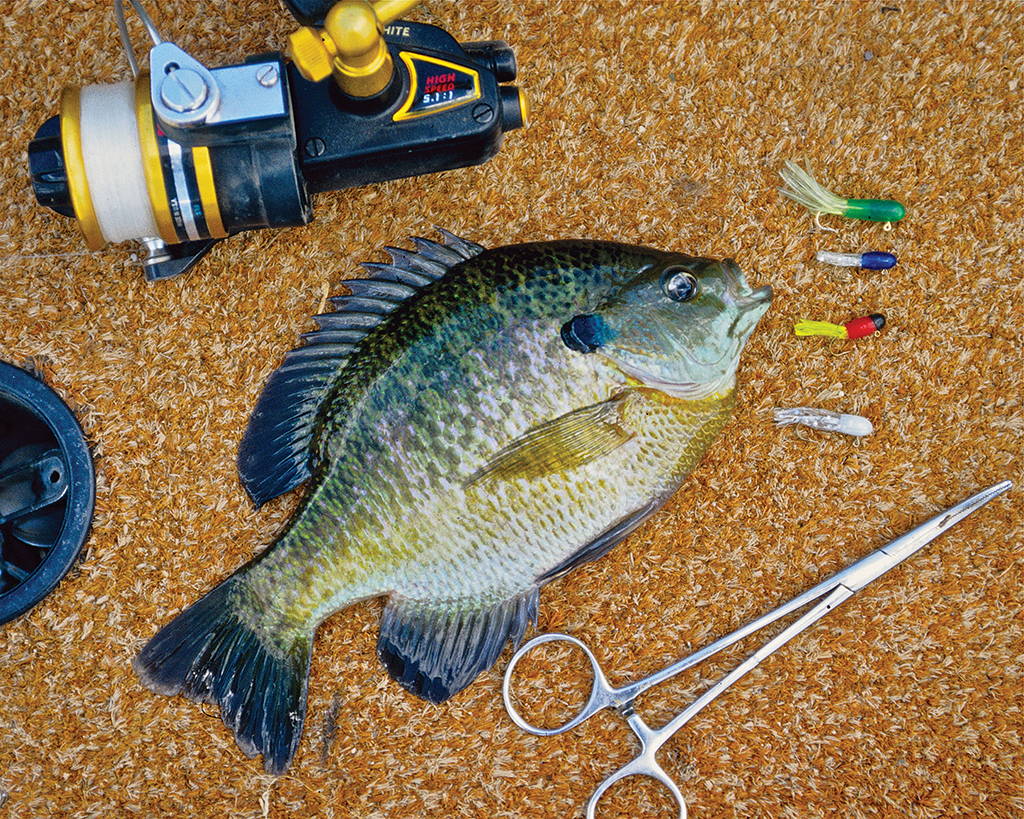
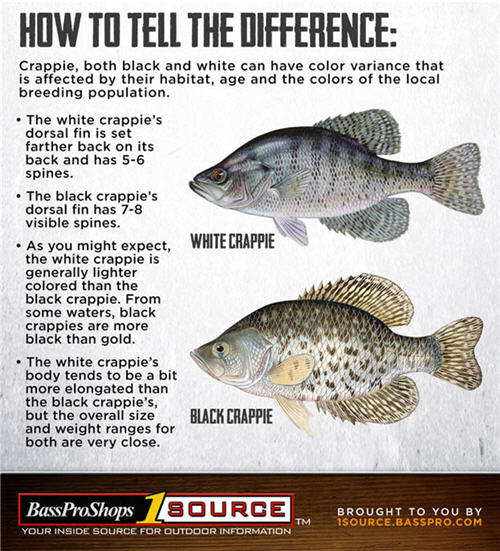
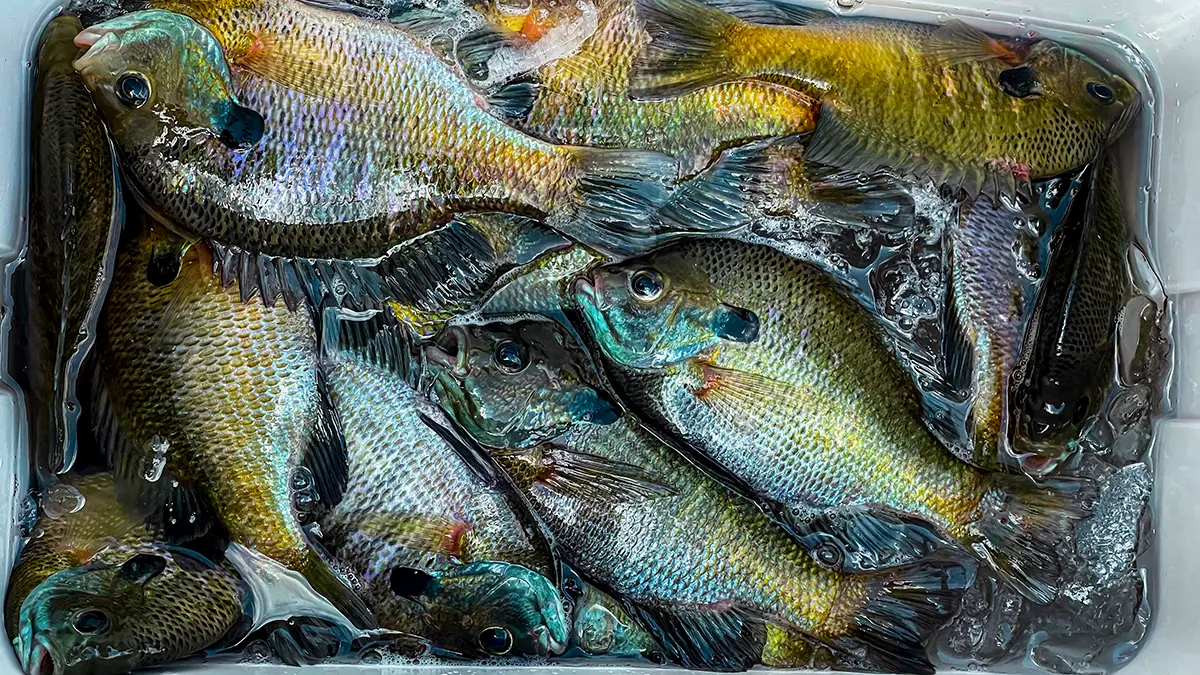
Panfish is a broad term. It includes bluegill, pumpkinseed, redear sunfish, crappie, and yellow perch. These fish share simple needs: food, cover, and the right temperature.
They eat small things. Think insects, larvae, tiny crayfish, and minnows. Bluegill peck around weeds and docks. Crappie prefer open water near brush or suspended over drops. Perch roam edges and soft-bottom flats in schools.
Spawning drives spring behavior. Most bluegill spawn when water reaches the mid to high 60s Fahrenheit. Crappie spawn a bit cooler, often in the high 50s to mid 60s. During spawn, fish move shallow, guard nests, and feed close by. Afterward, they slide to weed edges, brush piles, or deeper basins.
Schooling is key. Crappie and perch stack by size and depth. Once you find one, you often find many. This is the first step in how to catch panfish like a pro: find the school, match the forage, and keep your bait in their zone.
Personal note: On a small lake near me, a 2-foot depth change on a weed flat holds bluegill all summer. When I line up with a dock post and a shoreline tree, I hit that edge every time.

Gear and tackle essentials for panfish
Light gear makes a big difference in how to catch panfish. You feel the bite, cast small lures, and land fish fast.
- Rods: Use a 5 to 7-foot ultralight or light-power rod with a fast tip. It protects thin line and whips tiny jigs.
- Reels: A 500 to 1000-size spinning reel is perfect. Smooth drag matters more than brand.
- Line: Use 4-pound mono for all-around use. Or go with 8-pound braid and a 4-pound fluorocarbon leader for sensitivity and stealth.
- Hooks: Size 6 to 12 for live bait. Aberdeen hooks bend out if you snag brush and save time.
- Jigs: 1/64 to 1/16 ounce covers most needs. Tungsten jigs fall fast and stay tight to the line.
- Floats: Fixed floats for shallow, slip floats for depth over 4 feet. Choose slim, sensitive models.
- Extras: Small split shot, snap swivels for spinners, forceps, and a soft rubber net.
Tip: Retie often. Light line gets nicked by wood and weeds. A fresh knot saves the fish of the day.
Best baits and lures for panfish
If you ask any guide how to catch panfish, they will start with bait choice. Keep it small and natural.
Live bait
- Worms and nightcrawler pieces: Classic bluegill and perch candy.
- Waxworms and mealworms: Great in cold water and under floats.
- Crickets: Deadly around shallow cover.
- Minnows: The top crappie bait on slips, brush, and bridge pilings.
Artificial lures
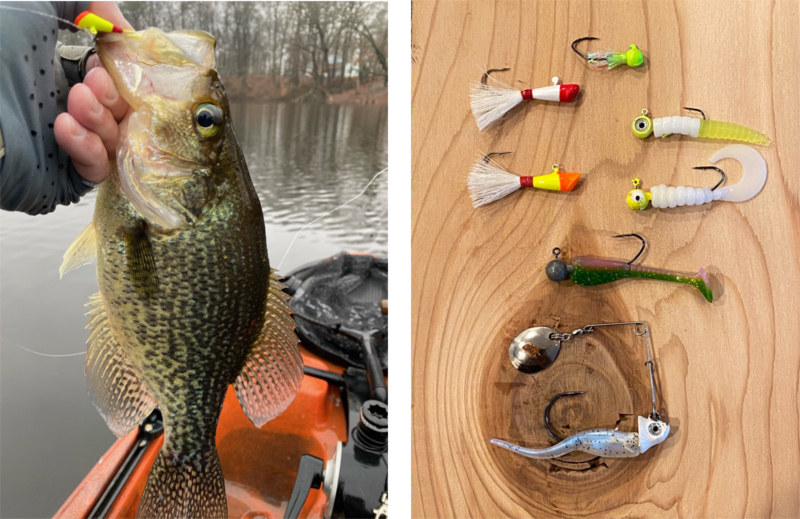
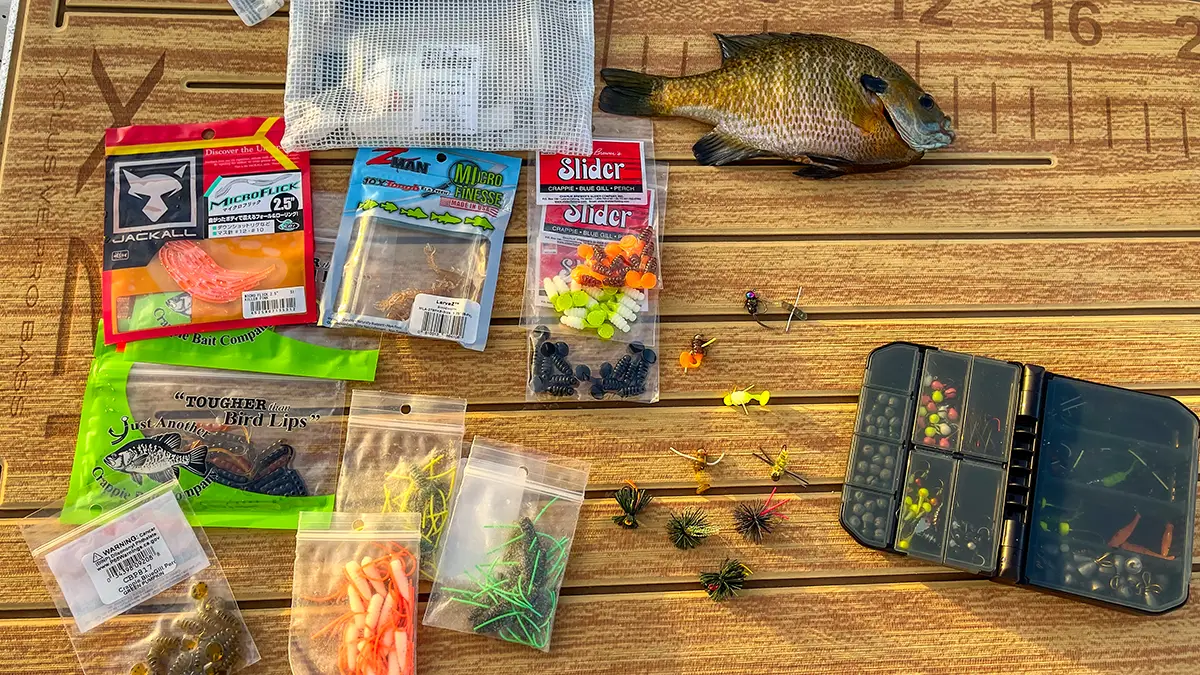
- Micro jigs and plastics: Tubes, paddle tails, and trout-style magnets in 1 to 2 inches.
- Inline spinners and safety-pin spinners: Trigger active fish on windy banks.
- Tiny crankbaits: Size 2 to 4 cranks match small minnows.
- Spoons and ice jigs: Tungsten shines in deep water and under the ice.
Color and scent
- Natural colors in clear water. Brighter colors in stained water or low light.
- Tip plastics with a waxworm or a nibble to add scent and slow the fall.
Field tip: When the bite turns picky, I trim plastics by a third. Shortening the profile often flips a follower into a biter.
Where to find panfish by season
Knowing where fish move each season is key to how to catch panfish with less guesswork.
Spring
- Shallow pockets, protected bays, and dark-bottom flats warm first.
- Look for nests in 1 to 6 feet near reeds, wood, or gravel.
- Polarized glasses help you spot beds and cruising fish.
Summer
- Early and late, fish shade lines, docks, and weed edges.
- Midday, slide deeper to outside weed walls, brush piles, or drop-offs.
- Wind pushes food. Fish the wind-blown bank with a float and jig.
Fall
- Follow bait to mid-depth flats, channel swings, and timber.
- Crappie stack on brush in 10 to 20 feet. Perch roam soft-bottom areas.
Winter
- Check deep basins, green weeds, and transitions like mud-to-sand.
- On ice, drill many holes, watch your sonar, and stay mobile.
Proven techniques to catch panfish
Mix your approach to match mood and depth. Changing methods is often how to catch panfish when others cannot.
Float fishing
- Fixed floats for water under 4 feet. Slip floats for precise depth over weeds or brush.
- Set depth so the bait rides slightly above the fish.
Jigging and tight-lining
- Cast or vertical jig 1/64 to 1/16 ounce heads with small plastics.
- Use tiny lifts and pauses. Most bites feel like extra weight.
Drop-shot finesse
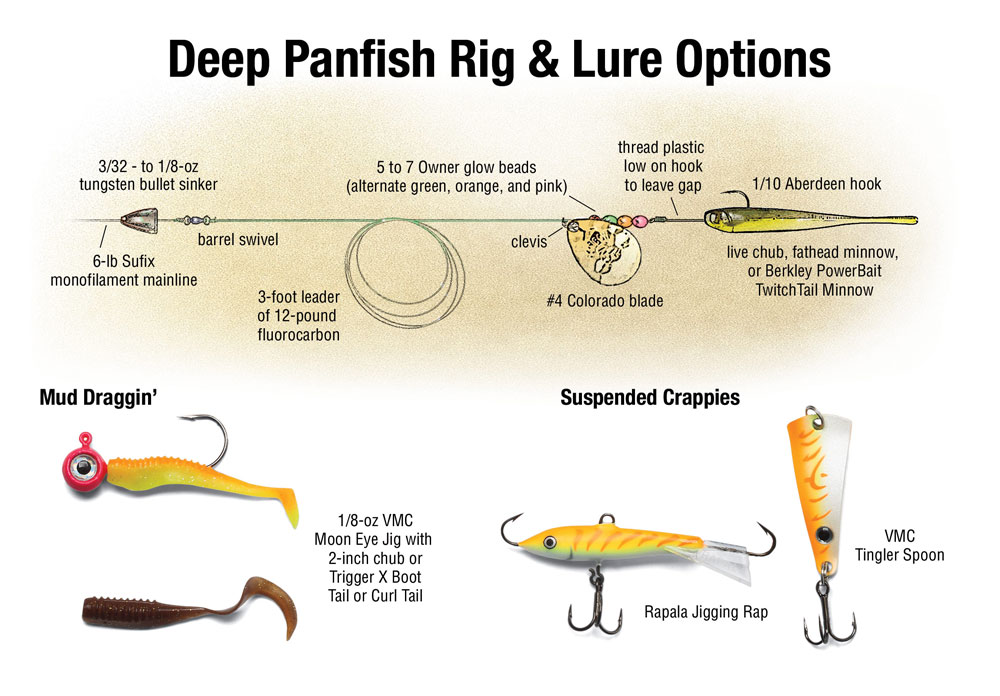
- Tie a size 8 hook 12 to 24 inches above a small weight.
- Nose-hook a 1-inch bait. Hold it steady over fish marked on sonar.
Slow trolling and spider rigging (boat)
- Pull jigs or minnows at 0.5 to 1.0 mph.
- Use multiple rods to cover different depths and colors where legal.
Fly fishing
- Foam poppers and small nymphs shine in late spring and summer.
- Cast to shade pockets and bed edges with slow strips.
Ice tactics
- Use tungsten jigs and waxworms. Watch your line for up-bites.
- If fish sniff and leave, downsize and hold still. Try a deadstick rod nearby.
Story from the water: One July evening, a slip float set at 8 feet over cabbage weeds out-fished everything. A one-inch paddle tail, tipped with a waxworm, caught a bluegill every cast for an hour.
Reading water, maps, and electronics
Map study and sonar cut your search time. This is how to catch panfish fast on new lakes.
- Start with a map. Mark points, inside turns, channels, and flats with quick depth changes.
- Side imaging finds brush, cribs, and weed edges in minutes.
- Down imaging shows fish as bright dots in cover. 2D sonar tracks schools and your jig.
- Use a waypoint system. Note depth, cover type, water temp, and time of day.
- On shore, read clues. Wind-blown banks, stained inflows, and shade lines collect food and fish.
Simple rule: Find the food, then the cover, then the best depth. Panfish are never far from that trio.
Ethics, regulations, and safety
Part of learning how to catch panfish is learning how to care for the fish and the fishery.
- Know the rules. Check local seasons, size limits, and bag limits. Some waters have special crappie or bluegill rules.
- Practice selective harvest. Keep eaters. Release big breeders like giant male bluegill that guard nests.
- Handle fish with wet hands. Use barbless hooks or crimp barbs when you plan to release many.
- Eat smart. Follow local consumption advisories for mercury or other contaminants.
- Stay safe. Wear a PFD, watch weather, and on ice wait for at least 4 inches of clear ice. Bring picks and fish with a buddy.
These steps protect the resource and improve the fishing for everyone.

Mistakes to avoid and pro tips
Small fixes lead to big results in how to catch panfish day after day.
Common mistakes
- Using line that is too heavy, which kills bites.
- Fishing the wrong depth by a foot or two.
- Letting the float drag instead of tracking with the wind.
- Oversized baits in cold water and undersized baits in summer.
- Staying put. Move if you are not getting bites in 10 minutes.
Pro tips
- Count down your jig to learn sink rate and repeat the sweet spot.
- Add a tiny split shot to steady a float in chop.
- Change one thing at a time: color, depth, speed, or size.
- Mark schools and return during prime light. They often reload.
- Keep a log. Water temp plus depth notes shorten the learning curve.
Frequently Asked Questions of how to catch panfish
What is the best time of day to catch panfish?
Early morning and late afternoon are best. Midday can be good if you fish shade, deeper weed edges, or suspend baits over brush.
What size line should I use for panfish?
Use 4-pound mono for most cases. In clear water, add a 3 to 4-pound fluorocarbon leader for extra stealth.
Do colors matter when targeting bluegill and crappie?
Yes, but depth and speed matter more. Use natural colors in clear water and bright chartreuse, white, or pink in stained water.
How deep should I set my slip float for crappie?
Start 1 to 2 feet above marked fish. Adjust in 6-inch steps until bites are consistent.
Can I catch panfish year-round?
Absolutely. Shift tactics with the seasons, use the right depth, and scale your bait to water temperature and fish mood.
What is the simplest rig for kids or beginners?
A small hook, a piece of worm, a split shot, and a clip-on float. Cast near weeds or docks and wait for the float to dip.
Is braid good for panfish?
Yes, with a light fluorocarbon leader. Braid improves feel and hooksets, while the leader stays invisible.
Conclusion
You now have a full plan for how to catch panfish in any season. Keep it simple: use ultralight gear, small natural baits, and fish the right depth around cover. Move until you find a school, then fine-tune color, size, and speed.
Grab a rod this week and test one new tactic on your home water. Log water temp, depth, and results so you improve fast. If this guide helped, subscribe for more step-by-step fishing tips, share with a friend, or drop a question in the comments.