

Turn off power, clear debris, rinse coils, straighten fins, reassemble, and test cooling.
If you want a smooth summer and lower bills, learn how to clean outdoor ac unit the right way. I’ve serviced and cleaned hundreds of condensers, from tight city patios to dusty farms.
In this guide, I’ll show you safe steps, pro tricks, and common mistakes to avoid. Follow along, and your system will breathe better and last longer.
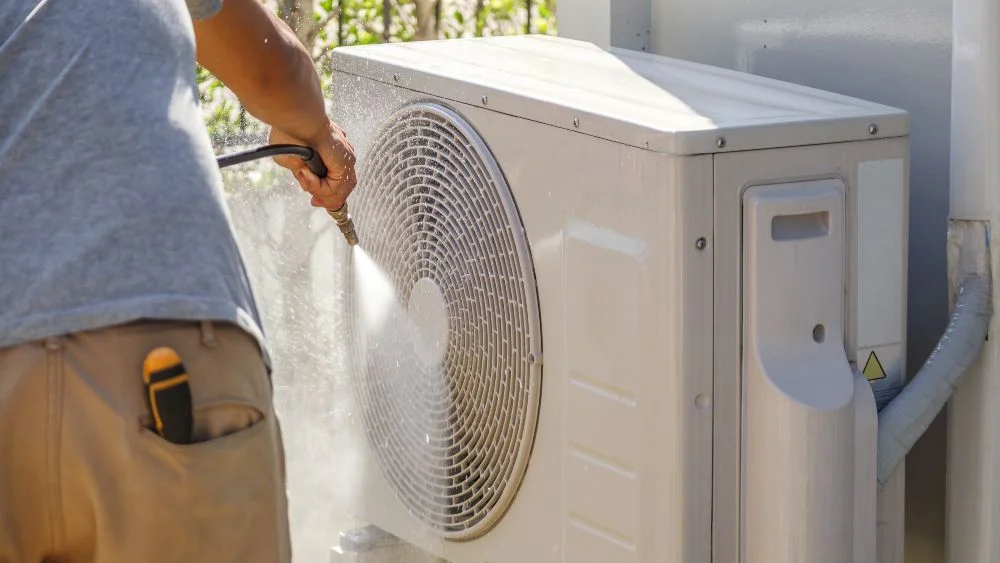
Why cleaning your outdoor AC unit matters?
A clean condenser moves more air and sheds heat fast. That means cooler rooms, shorter run times, and lower energy use. Industry tests show that dirty coils can raise energy use by 5–15 percent.
If you are searching how to clean outdoor ac unit, you likely want quick wins. You also want to avoid damage. This guide gives both. It blends field experience with manufacturer best practices.
Safety first
Always cut power before you touch the unit. Use the outdoor disconnect next to the condenser. Then switch off the breaker in your main panel.
Wear safety glasses and gloves. Beware of sharp fins and screws. Do not spray water near live wires. If you are unsure how to clean outdoor ac unit safely, pause and call a pro.
Tools and supplies you will need
Gather everything first. This saves time and prevents mistakes.
- Garden hose with a gentle spray nozzle
- Soft brush and a fin comb or a butter knife (for careful fin work)
- Coil cleaner rated for outdoor condensers
- Screwdriver or nut driver for the top panel
- Shop vacuum for dry debris
- Leaf blower (optional, at low speed)
- PPE: gloves, glasses, and closed-toe shoes
These are all you need for how to clean outdoor ac unit at home with confidence.
Step-by-step: how to clean outdoor AC unit
Use these steps to learn how to clean outdoor ac unit without harm. Take your time. Gentle beats fast.
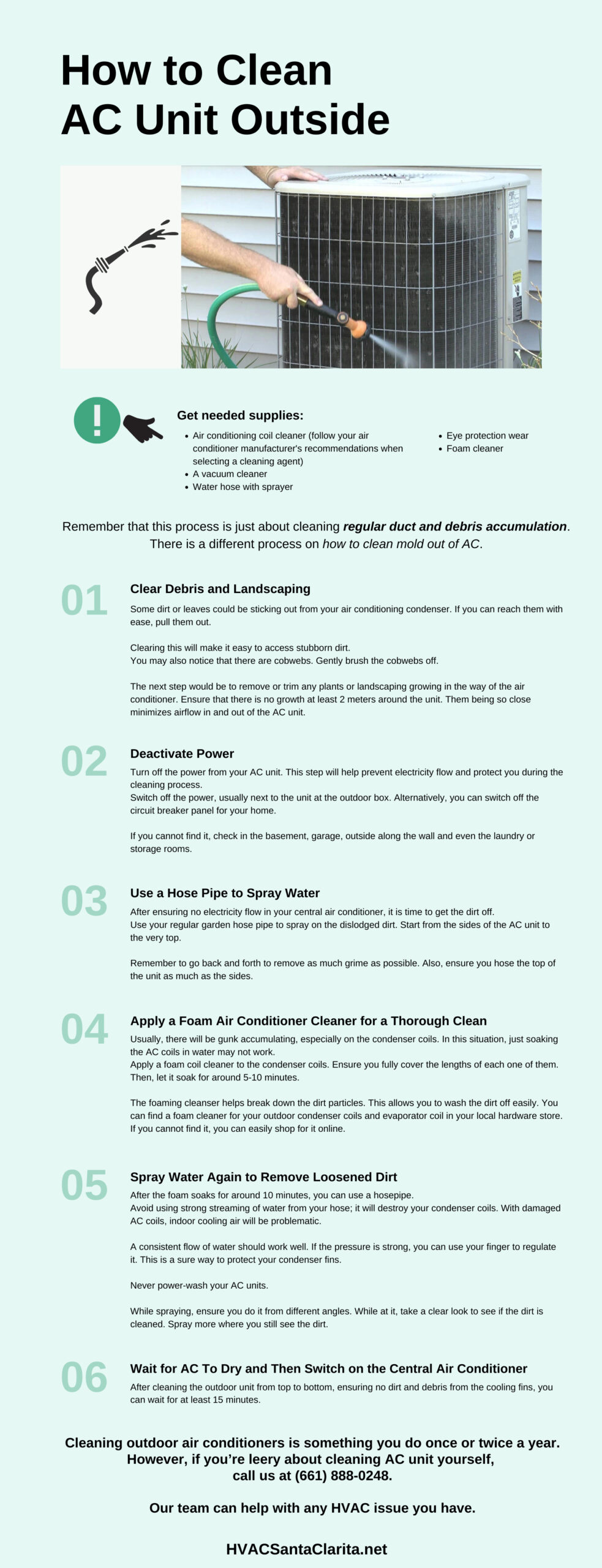
- Cut the power. Use the disconnect and breaker.
- Clear the area. Trim shrubs to allow at least 2–3 feet of open space.
- Remove surface debris. Lift off leaves, twigs, and nests by hand or with a shop vac.
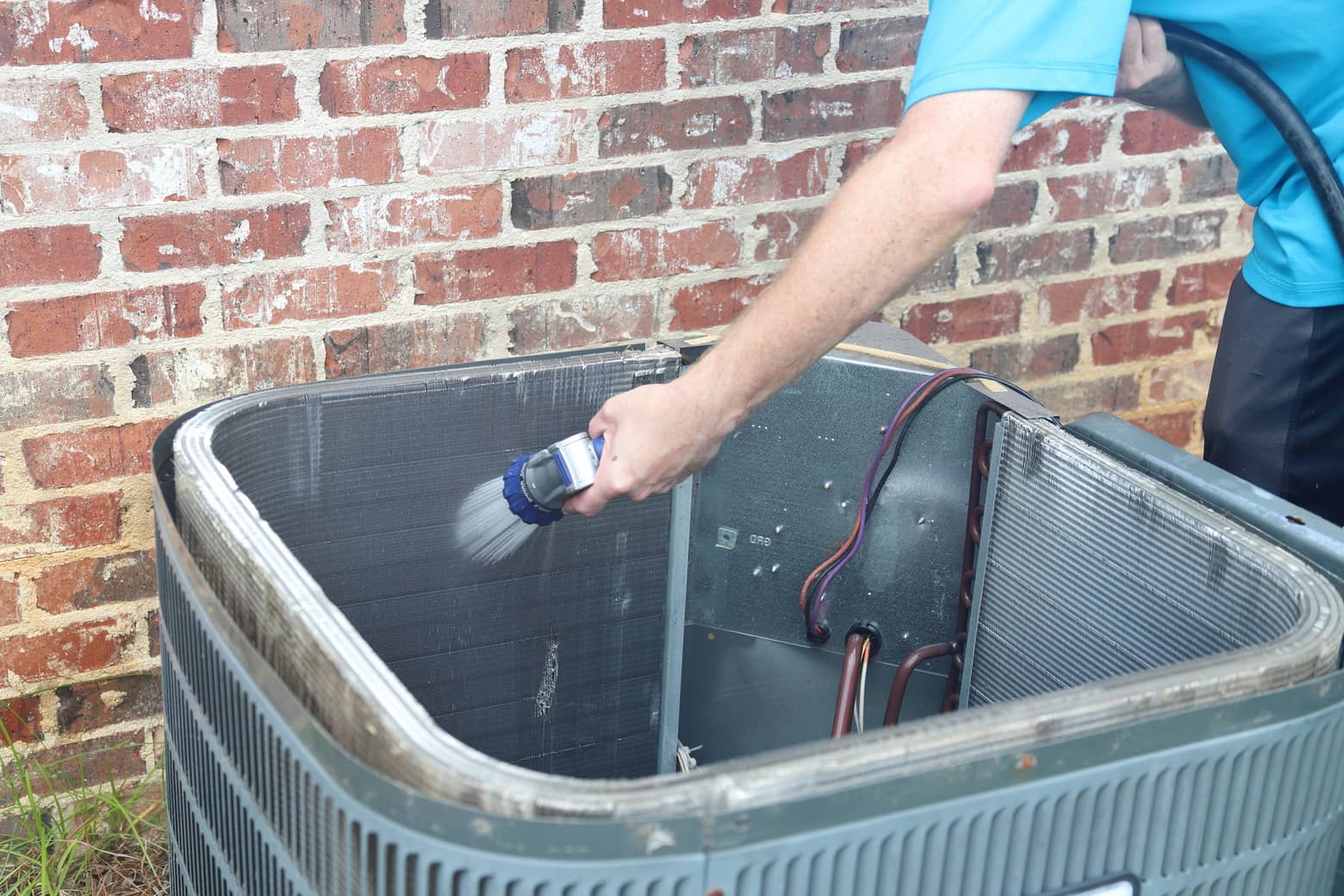
- Take off the top grille. Support the fan so you do not stretch the wires.
- Vacuum inside the base. Remove dirt and seed fluff from the bottom pan.
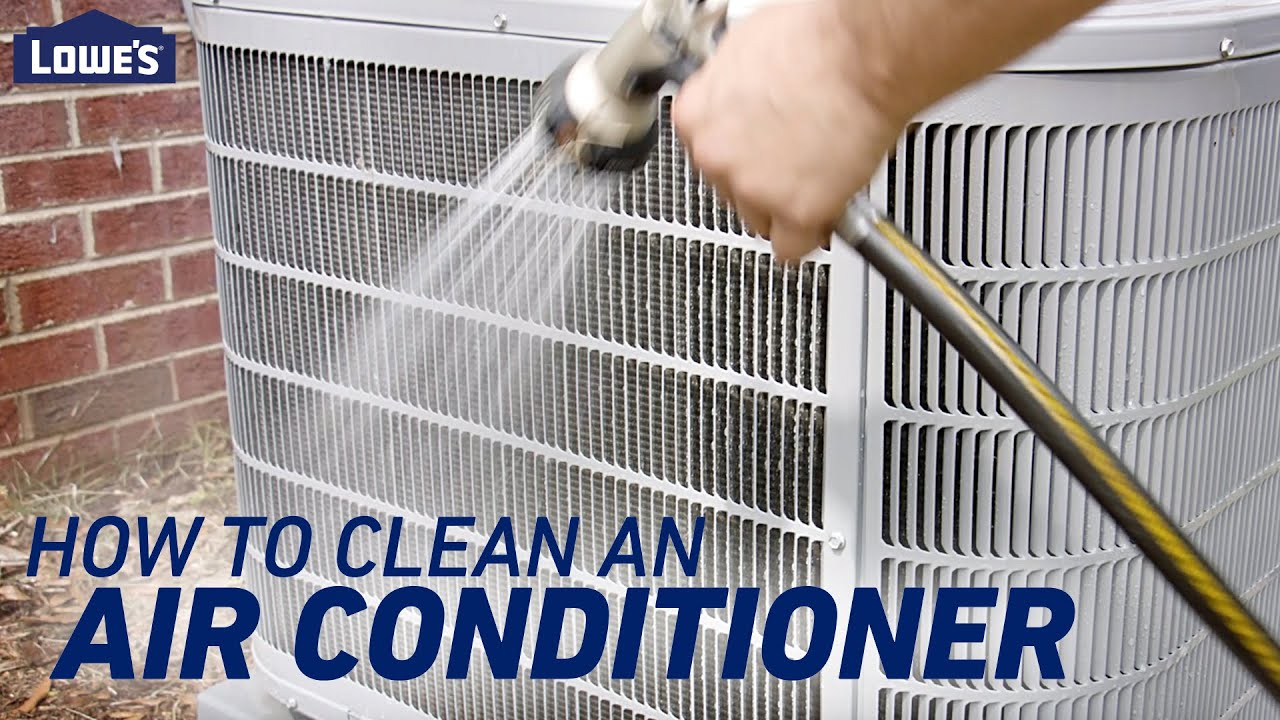
- Rinse from inside out. Use a gentle stream to push dirt out through the fins. Avoid a pressure washer.
- Apply coil cleaner. Follow the label. Let it foam and loosen grime.
- Rinse again, inside out, until water runs clear.
- Straighten bent fins. Use a fin comb or light pressure with a butter knife.
- Reinstall the top grille. Tighten screws snug, not overtight.
Tip from the field: Keep the hose pressure low. High pressure folds fins and blocks airflow.

Deep-cleaning the condenser coils
Coils are thin. Treat them like a car radiator. Use only coil cleaner meant for aluminum fins. Avoid acidic products unless the manufacturer approves.
Work in the shade. Hot coils dry too fast and can leave residue. Apply cleaner from the inside. Let it dwell for 5–10 minutes. Then rinse until all foam is gone. This is the heart of how to clean outdoor ac unit well.
Airflow and fin care
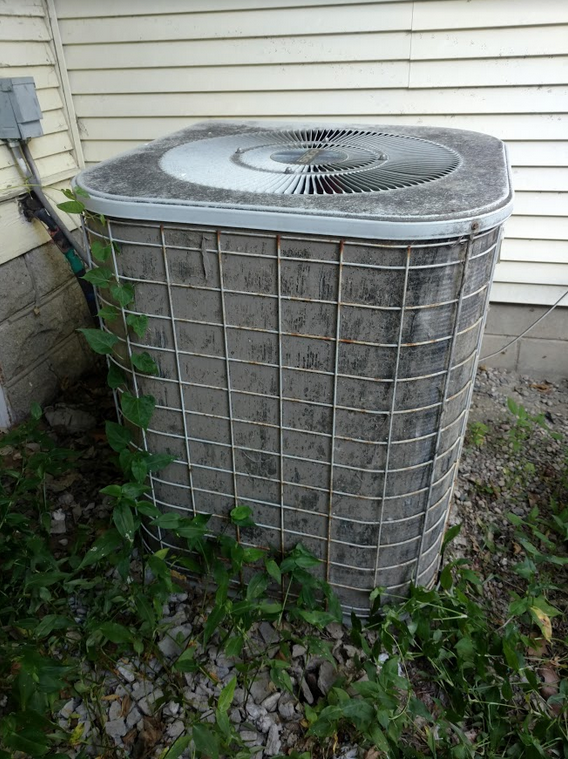
Airflow is everything. Bent fins choke air like a clogged filter. Straighten them with a fin comb. Go slow. Light strokes work best.
Keep 2–3 feet of clear space around the unit. Keep 5 feet above it clear as well. Do not store bikes, bins, or grills near the condenser. When you plan how to clean outdoor ac unit, plan the space too.

Reassembly, restart, and performance check
Once dry, replace the fan top and screws. Remove tools from the area. Restore power at the breaker and disconnect.
Set the thermostat to cool. Let it run 10–15 minutes. Check the large copper line outside. It should feel cool and sweaty. Listen for smooth fan noise and steady airflow. This final check is part of how to clean outdoor ac unit the right way.
Maintenance schedule and seasonal checklist
A simple plan keeps you ahead of dirt and heat.
- Spring: Full clean before the first hot spell.
- Mid-summer: Quick rinse if pollen or cottonwood is heavy.
- Fall: Clear leaves and seeds. Rinse and cover the top with a breathable cap, not plastic wrap.
Also check the indoor filter each month in peak season. A clean filter supports airflow outside. This rhythm makes how to clean outdoor ac unit simple and routine.
:max_bytes(150000):strip_icc()/SPR-how-to-clean-an-outdoor-ac-unit-2696-step-07-0ec34596566c4775a6ed11953c459b9c.jpg)
When to call a pro?
Some tasks need tools and training. Call a licensed tech if you see oil stains, damaged wires, a swollen capacitor, or ice on lines. Call if cooling is weak after cleaning.
A pro can check refrigerant charge, measure superheat and subcool, and test electrical parts. Expect $100–$250 for a tune-up in most areas. If you are not sure how to clean outdoor ac unit without risk, a pro visit is wise.
Common mistakes to avoid
- Using a pressure washer. It folds fins and forces dirt deeper.
- Skipping power shutoff. That risks shock and fan damage.
- Spraying control boards. Water and electronics do not mix.
- Bending fins with rough tools. Go slow and use a fin comb.
- Blocking airflow with covers year-round. Use only a breathable top cover in winter.
Dodging these errors is key to how to clean outdoor ac unit safely.
Energy savings and comfort gains
Clean coils drop head pressure and shorten cycles. That means lower bills, cooler rooms, and longer system life. Many homeowners feel stronger airflow and a faster pull-down within one cleaning.
If you want to see results, track thermostat run times before and after. Small tweaks add up. This is why learning how to clean outdoor ac unit pays you back.
Frequently Asked Questions of how to clean outdoor ac unit
How often should I clean my outdoor AC unit?
Do a full clean once a year, ideally in spring. Rinse mid-season if pollen, cottonwood, or dust is heavy.
Can I use a pressure washer to clean the condenser?
No. The pressure bends fins and can drive water into parts. Use a gentle hose stream instead.
What coil cleaner should I use?
Use a non-acid outdoor coil cleaner approved for aluminum fins. Follow the label for dwell time and rinsing.
Is it safe to remove the top fan?
Yes, but cut power first and support the fan. Do not stress or pull the fan wires.
Will cleaning the unit reduce my energy bill?
Yes. Clean coils improve heat transfer and airflow. Many homes see 5–15 percent better efficiency.
Do I need to cover the unit in winter?
Use a breathable top cover only. Do not wrap the sides, which can trap moisture and invite rust.
What if my AC still cools poorly after cleaning?
Check your indoor filter and vents. If cooling is still weak, call a pro to check charge and electrical parts.
Conclusion
A clean outdoor unit breathes easy, runs cooler, and costs less to operate. You now know how to clean outdoor ac unit with safe steps, simple tools, and smart checks. Keep space clear, rinse gently, and avoid harsh pressure.
Set a reminder to do it each spring. Your home will feel better, and your system will last longer. Want more home comfort tips? Subscribe, share this guide, or drop your questions in the comments.