

Use matched rods, reels, lines, and lures tuned to season, cover, and clarity.
If you want to know what to use for bass fishing, you are in the right place. I have spent years testing rods, reels, and lures in clear lakes and muddy rivers.
This guide explains what to use for bass fishing in real terms. You will see how to pick the right tool for each job, and why it works. Read on to fish with purpose, not luck.
The Core Setup: Rods, Reels, Line and Hooks
A well-balanced setup makes every cast count. When people ask what to use for bass fishing, I start with the basics. Pick gear that matches the lure weight and the cover you fish.
Rods:
- Medium spinning rod for finesse. Length 6’10” to 7’2”. Fast action.
- Medium-heavy baitcasting rod for jigs, Texas rigs, and spinnerbaits. Length 7’ to 7’3”. Fast action.
- Heavy baitcasting rod for frogs and flipping. Length 7’3” to 7’6”. Extra fast tip.
Reels:
- Spinning reel in size 2500 to 3000 for light lines.
- Baitcaster with a smooth drag. Gear ratio 6.3:1 for all-around use. 7.1:1 and up for jigs, frogs, and topwater.
Line:
- Braid for power and grass. Use 30 to 50 lb on baitcasters. Use 10 to 15 lb on spinning.
- Fluorocarbon for clear water and cranks. Use 8 to 15 lb on spinning and light baitcast. Use 15 to 20 lb for jigs.
- Mono for topwater and treble baits if you want stretch. Use 10 to 15 lb.
Hooks and terminal:
- Extra-wide-gap hooks for soft plastics.
- Straight shank for flipping heavy cover.
- Offset worm hooks for Texas rigs.
- Use tungsten weights for feel. Add bobber stops for pegging.
If you ask what to use for bass fishing in a new lake, this core kit covers most needs.
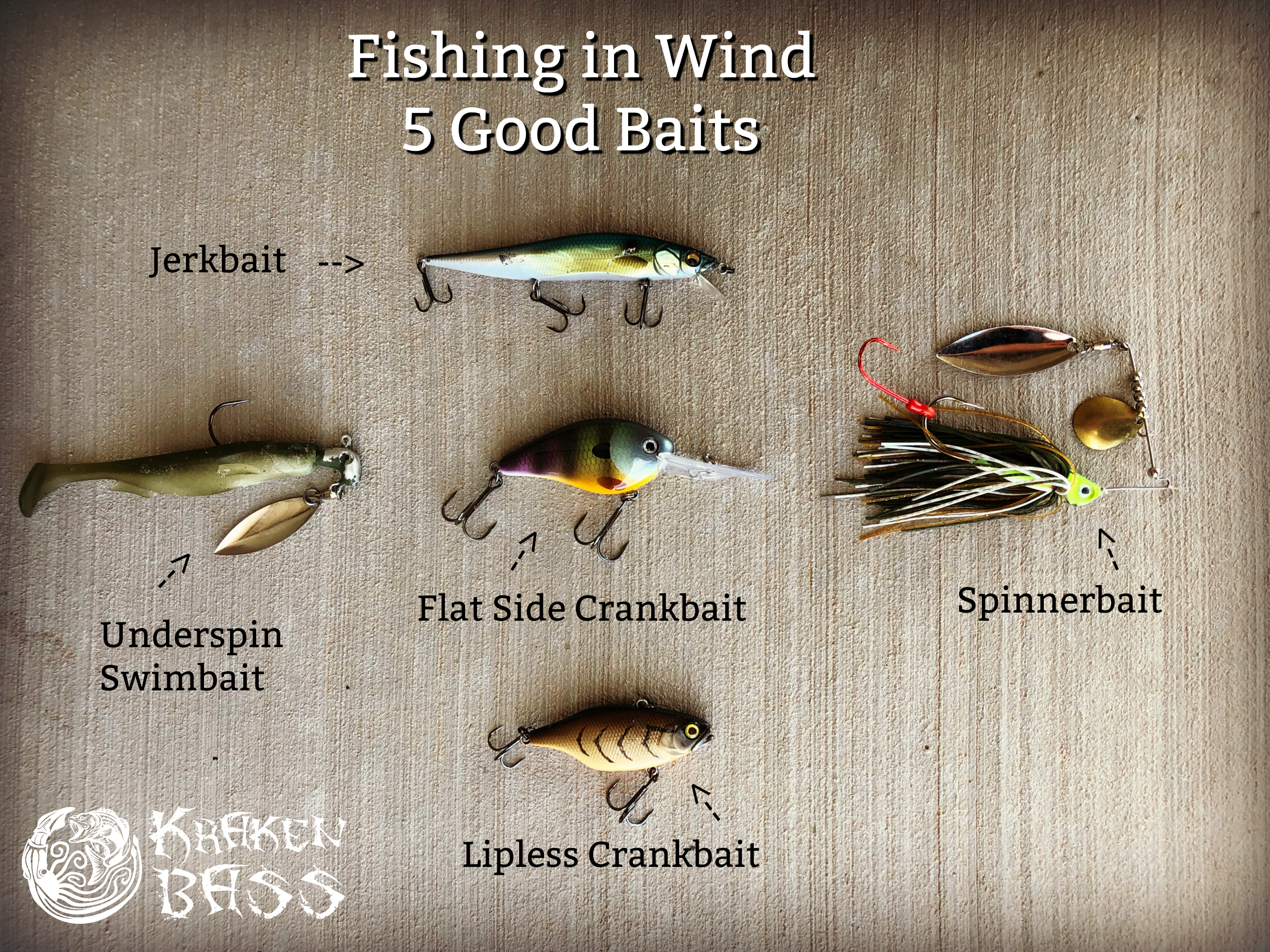
Lures That Consistently Catch Bass
A few lure families catch bass year-round. The key is when and where to throw them. What to use for bass fishing depends on water temp, clarity, and cover.
Jigs:
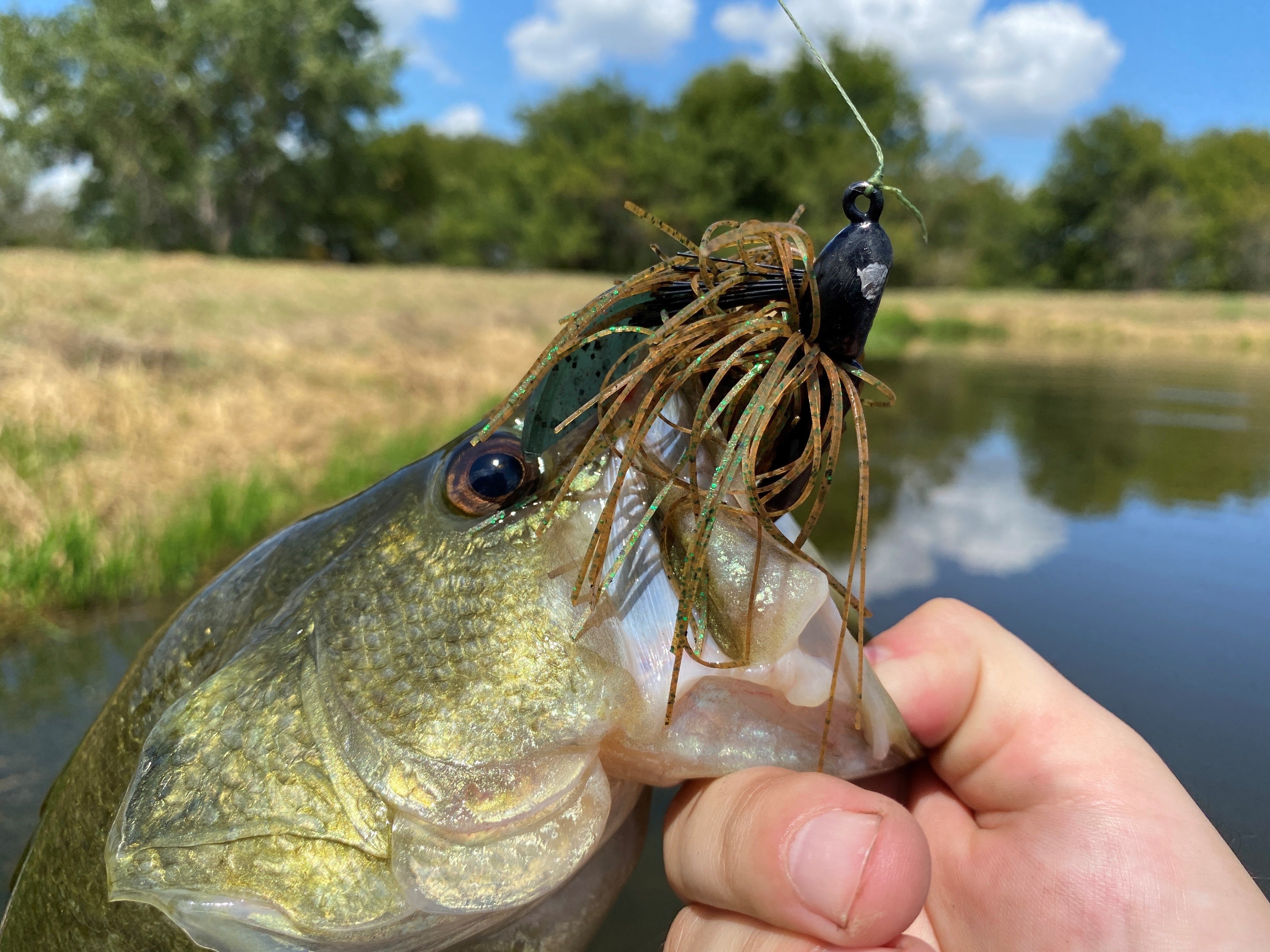
- Great around wood, grass edges, and rock.
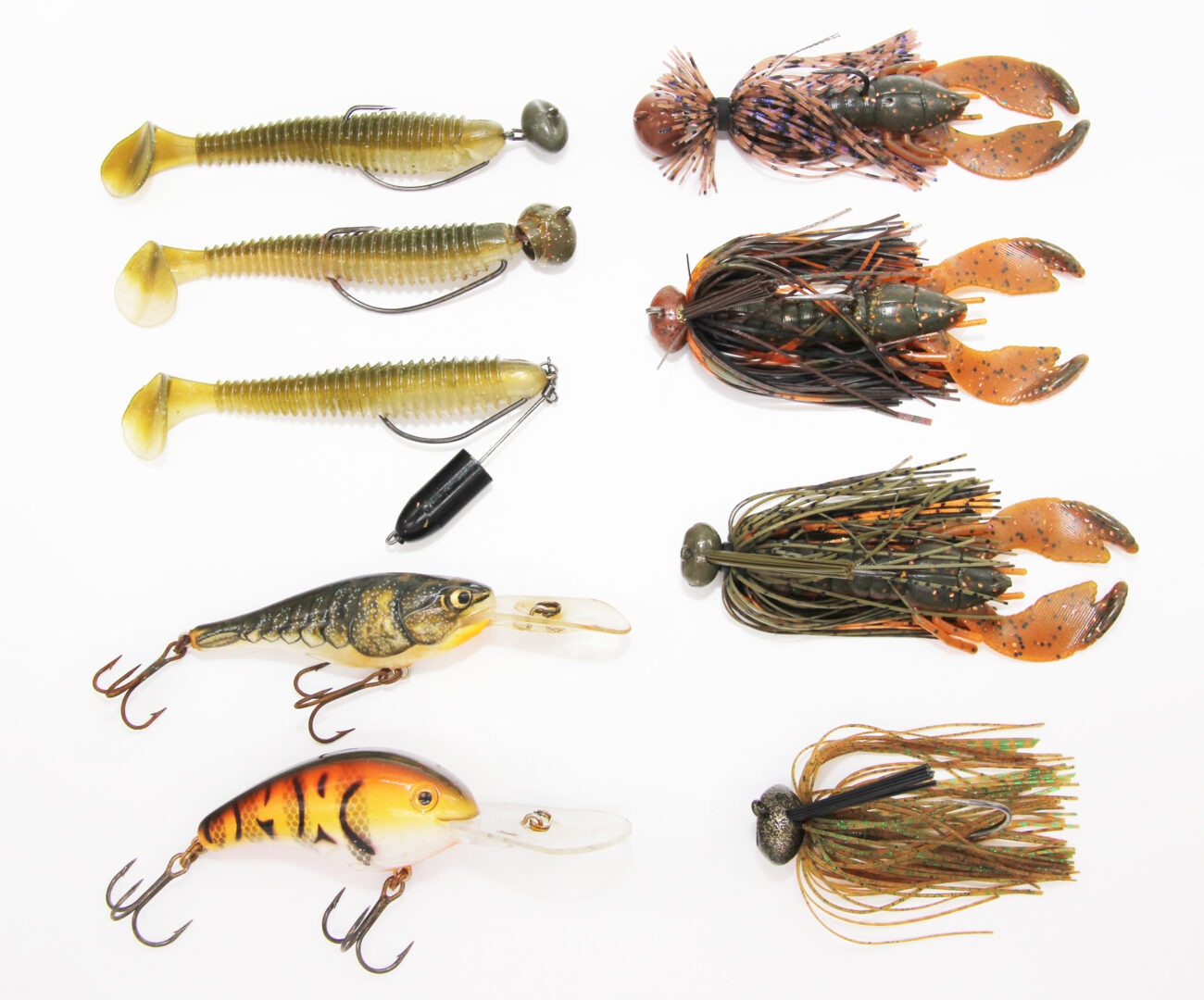
- Use 3/8 to 1/2 oz with a craw trailer.
- Swim jigs for grass. Football jigs for rock.
Soft plastics:
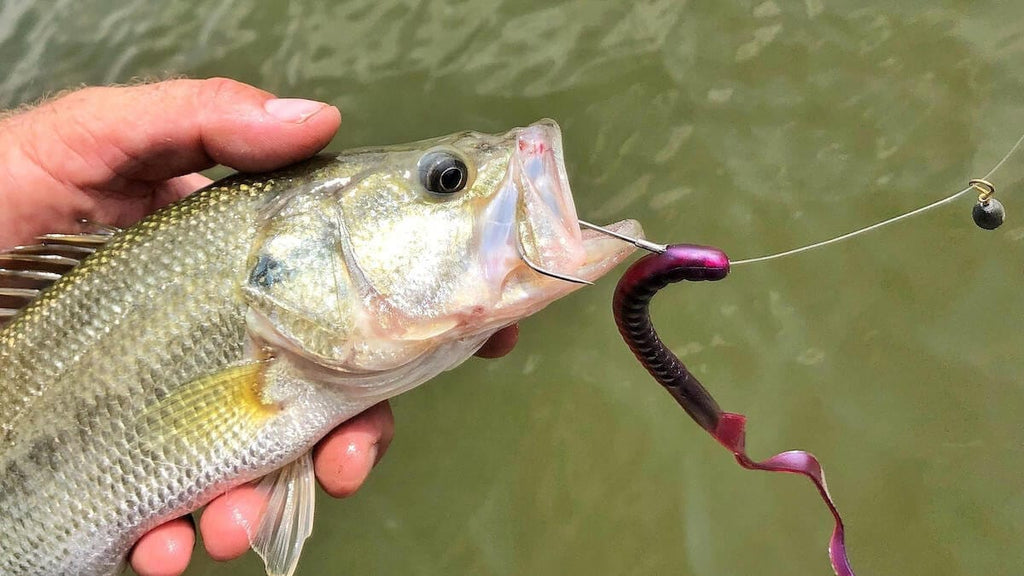
- Stick worms, craws, beavers, and finesse worms.
- Rig Texas, wacky, Neko, Ned, or drop shot.
Crankbaits:
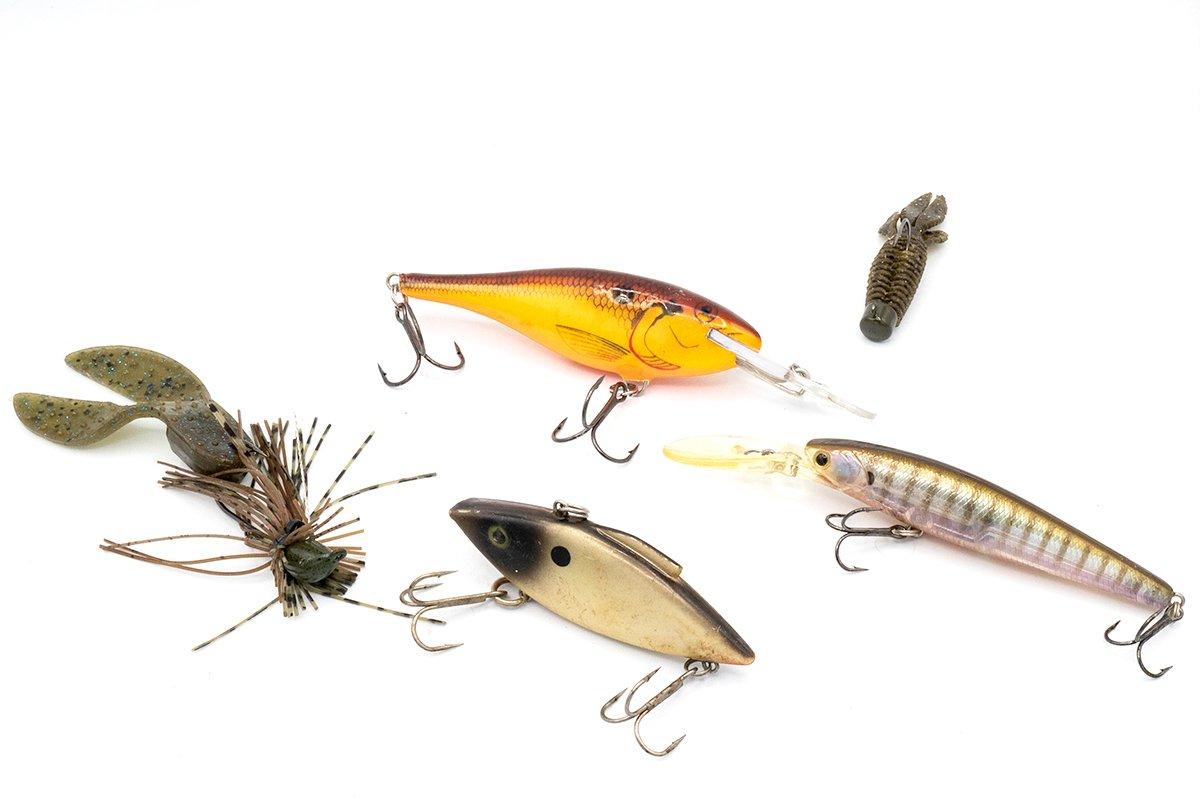
- Squarebills for shallow wood and rock.
- Mid divers for points and flats.
- Lipless for grass and schooling fish.
Jerkbaits:
- Deadly in cool, clear water.
- Long pauses in winter. Faster in spring.
Spinnerbaits and bladed jigs:
- Use in wind and stained water.
- Bladed jigs shine around grass. Spinnerbaits in wood and wind.
Topwater:
- Walking baits over flats.
- Poppers for targets.
- Frogs for matted grass.
Swimbaits:
- Small paddletails on ball heads or underspins for clear water.
- Bigger line-through or harness baits for trophy fish.
These cover the bulk of what to use for bass fishing when you want steady results.

Seasonal Game Plan: What to use and Why?
Bass move with temperature and daylight. Match lures to their mood. This is where most people learn what to use for bass fishing all year.
Pre-spawn and spawn:
- Jerkbaits, lipless cranks, and swimbaits for roaming fish.
- Texas rigs, wacky rigs, and jigs around beds and shallow cover.
Post-spawn:
- Weightless stick baits and small swimbaits for fry guarders.
- Poppers and walking baits in the morning.
Summer:
- Frogs, punching, and big worms in thick grass.
- Deep crankbaits, drop shots, and Carolina rigs offshore.
Fall:
- Shad baits rule. Spinnerbaits, bladed jigs, lipless cranks, and small swimbaits.
- Topwater on windy points and flats.
Winter:
- Jerkbaits with long pauses. Blade baits and spoons near bait.
- Finesse drop shots and Ned rigs on steep breaks.
Read Water and Weather: Match Color, Size and Action
Color, size, and action matter. Use them to match mood and light. Knowing this helps you decide what to use for bass fishing under tough conditions.
Water clarity:
- Clear water needs natural colors. Green pumpkin, shad, and translucent baits.
- Stained water needs contrast. Black-blue, white, and chartreuse.
Light and wind:
- Cloud and wind call for flash and thump. Spinnerbaits and bladed jigs.
- Sun and calm call for subtle action. Finesse plastics and natural cranks.
Size and profile:
- Cold water and heavy pressure favor small baits.
- Warm water and feeding fish can handle bigger profiles.
Sound and vibration:
- Rattles help in stained water.
- Silent baits are best in clear water and high pressure.
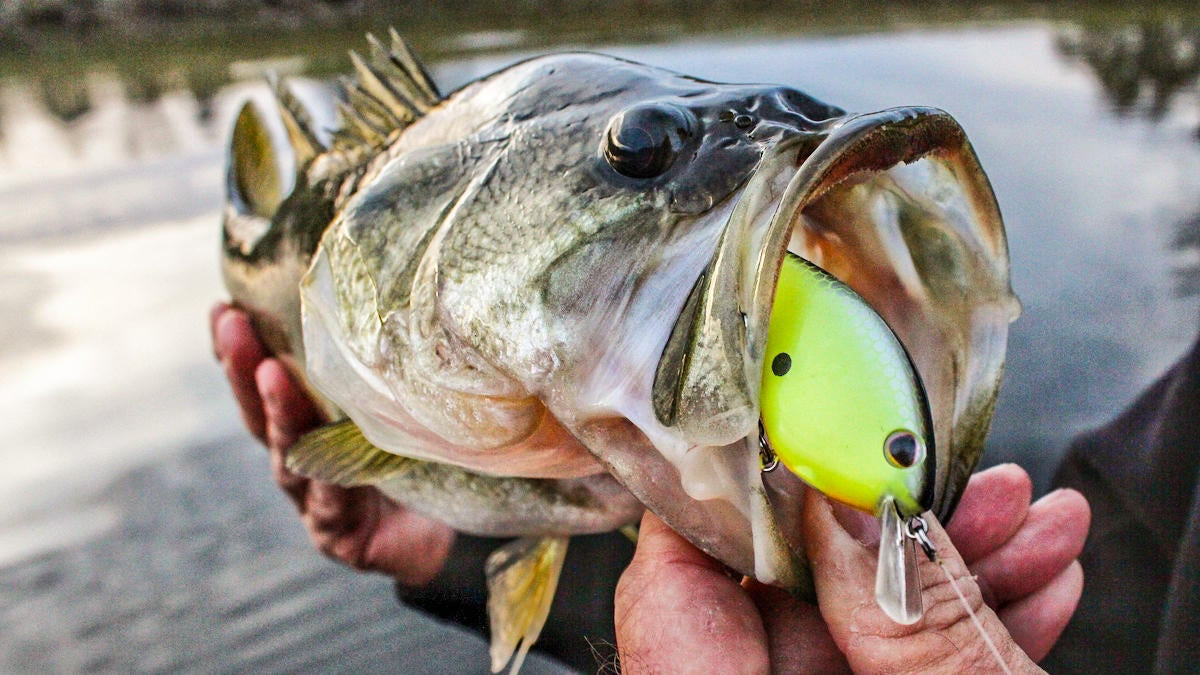
Proven Rigs and Presentations
Rig choice drives bite rate. Each rig solves a problem. If you need what to use for bass fishing in weeds, rock, or deep water, start here.
Texas rig:
- Weedless. Great in grass and wood.
- Use 3/16 to 3/8 oz weight and an EWG hook.
Carolina rig:
- Covers water and keeps bait off bottom.
- Use a leader 18 to 36 inches.
Drop shot:
- Finesse for clear water and deep fish.
- Nose-hook a small worm. Light weight below.
Ned rig:
- Small stick bait on a light jig head.
- Hop or drag for pressured bass.
Wacky and Neko:
- Wacky for slow fall and wiggle.
- Neko adds weight for faster sink and bottom feel.
Free rig and Tokyo rig:
- Free rig gives a unique glide.
- Tokyo rigs lift the weight off the hook for grass.
Alabama rig:
- Looks like a small school of shad.
- Use where legal and on proper gear.
Tackle Combos for Common Scenarios
I test sets for shore, kayak, and boat. It helps answer what to use for bass fishing with limited space.
Shore fishing:
- One medium spinning rod with braid to fluoro leader for finesse.
- One medium-heavy baitcaster with 15 to 17 lb fluoro for jigs and moving baits.
Kayak fishing:
- Add a heavy rod with 50 lb braid for frogs and punching.
- Keep pliers, cutters, and a net easy to reach.
Heavy cover lakes:
- Heavy frog rod. Braid 50 to 65 lb.
- Punch rig with 3/4 to 1 oz weight and a beaver bait.
Clear water smallmouth:
- Spinning rod with 6 to 8 lb fluoro or braid to 8 lb leader.
- Drop shot, Ned rig, hair jig, and small swimbaits.
Quick boat lineup:
- Cranking rod with moderate action and fluoro or mono.
- All-purpose jig/worm rod with fast action and 15 to 20 lb fluoro.
Budget Picks vs. Smart Upgrades
You do not need high-end gear to catch bass. Make smart buys first. Then upgrade key parts. This plan works for anyone asking what to use for bass fishing on a budget.
Start smart:
- Medium spinning combo that balances well.
- Medium-heavy baitcasting combo that casts clean.
- Braid main line with fluoro leader. It saves money over time.
Upgrade path:
- Better rod sensitivity for bottom contact.
- Quality fluorocarbon for clear water.
- High-speed reel for jigs, frogs, and topwater.
Where to splurge:
- Rod for bottom baits. Sensitivity helps feel light bites.
- Sharp hooks and good terminal. Cheap hardware costs fish.
Mistakes to Avoid and Pro Tips
I learned many lessons the hard way. These ideas will save you time. They also clear up what to use for bass fishing when the bite gets tough.
Avoid:
- Using one color in all water types.
- Sticking to one retrieve speed.
- Fishing heavy line in clear water.
- Ignoring wind and shade.
- Skipping hooks and split ring checks.
Do more:
- Retie often after rock or big fish.
- Mix pauses, twitches, and burn-stop retrieves.
- Watch your line for ticks and jumps.
- Keep notes on water temp, clarity, and wind.
- Scan for baitfish. Bass follow food.
Care, Ethics and Safety
Good fish care builds better fisheries. It also builds trust. This counts as much as choosing what to use for bass fishing.
Fish care:
- Wet hands before handling.
- Keep fish in the water when you can.
- Use pliers to remove hooks fast.
Rules and health:
- Check local size and bag limits.
- Clean and dry gear to stop invasive species.
- Wear a PFD on boats and kayaks. Use sun and eye protection.
Science notes:
- Fisheries data show bass relate to cover, food, and temp shifts.
- Vision and lateral line sense drive lure choice. That is why color, flash, and vibration matter.
My Field Notes: Lessons Learned
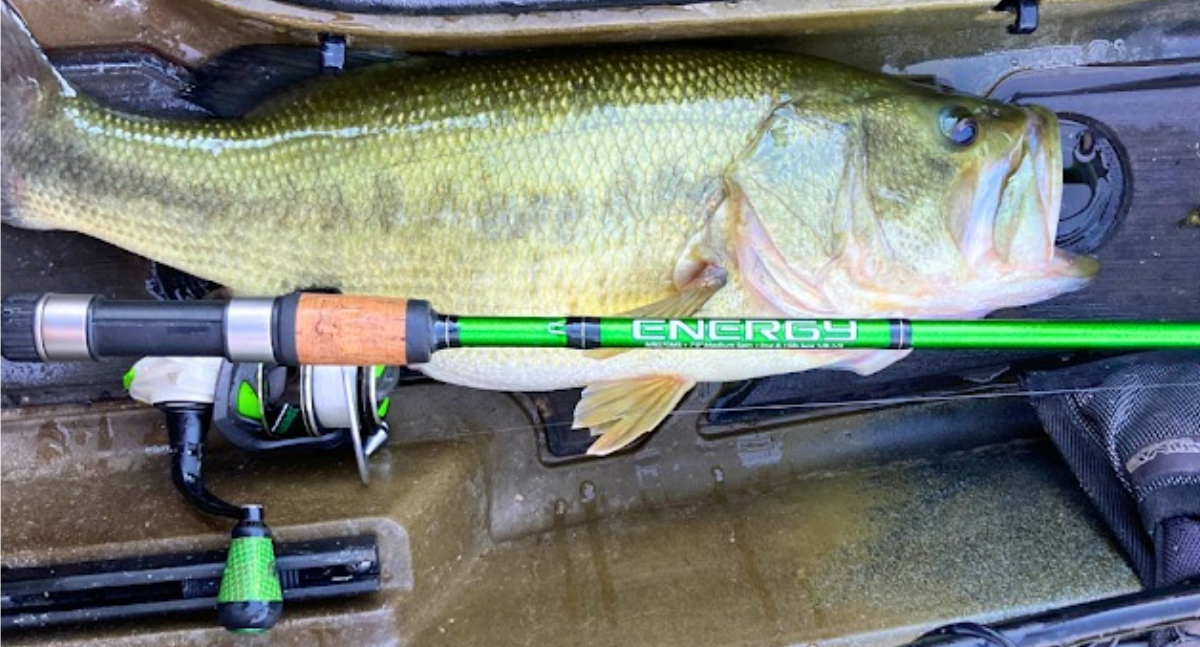
On a clear highland lake, a silent jerkbait beat loud baits by a mile. Long pauses got the win. That day taught me what to use for bass fishing in cold, clear water.
In summer grass, a frog got short strikes. I downsized and slowed my walk. I also checked that my braid was not waterlogged. The hookup rate jumped.
On a windy fall day, a spinnerbait with double willow blades saved the trip. The flash matched shad in the chop. When I ask myself what to use for bass fishing in wind, that is my first pick.
Frequently Asked Questions of what to use for bass fishing
What is the best all-around lure for beginners?
A 3.8-inch paddletail swimbait on a 1/4 oz head is hard to beat. It works in ponds, rivers, and lakes in most seasons.
What line should I use for clear lakes?
Use 8 to 12 lb fluorocarbon for most lures. For finesse, use braid to a 6 to 8 lb fluoro leader.
Do I need a baitcaster to catch bass?
No. A medium spinning combo can do a lot. But a baitcaster helps with jigs, frogs, and heavier lures.
What color should I throw in muddy water?
Choose black-blue, white, or chartreuse. Add thump with a Colorado blade or a bladed jig.
How do I decide what to use for bass fishing in winter?
Go slow with jerkbaits, blade baits, and finesse rigs. Long pauses and small profiles get more bites.
Conclusion
You now have a full plan for rods, lines, lures, and rigs. You also know how to match season, water, and weather. If you were unsure about what to use for bass fishing, you can now choose with confidence.
Start with two setups and a few proven baits. Adjust color, size, and action to the day. Keep notes and refine your plan over time.
Tie on with care, fish with intent, and let the data guide you. Try these ideas on your next trip, subscribe for more deep dives, and share your results so we can learn together.