

Rainbow trout hold near cool, oxygen-rich water around structure, inlets, and the thermocline.
If you want to know where do rainbow trout hang out in lakes, you are in the right place. I have spent years tracking trout with thermometers, sonar, and simple observation.
This guide breaks down their habits by season, depth, and structure. It shows you exactly where do rainbow trout hang out in lakes and how to reach them with confidence.

How Rainbow Trout Use Lakes
Rainbow trout are cold-water fish. They seek stable, cool water that has plenty of oxygen. In lakes, that mix changes with season and depth. This is why many anglers ask where do rainbow trout hang out in lakes across the year.
They move to find the right blend of temperature, oxygen, and food. In clear lakes, they often suspend. In fertile lakes, they cruise edges and breaks. If you can predict that blend, you can predict where do rainbow trout hang out in lakes on most days.
Temperature, Oxygen, and the Thermocline
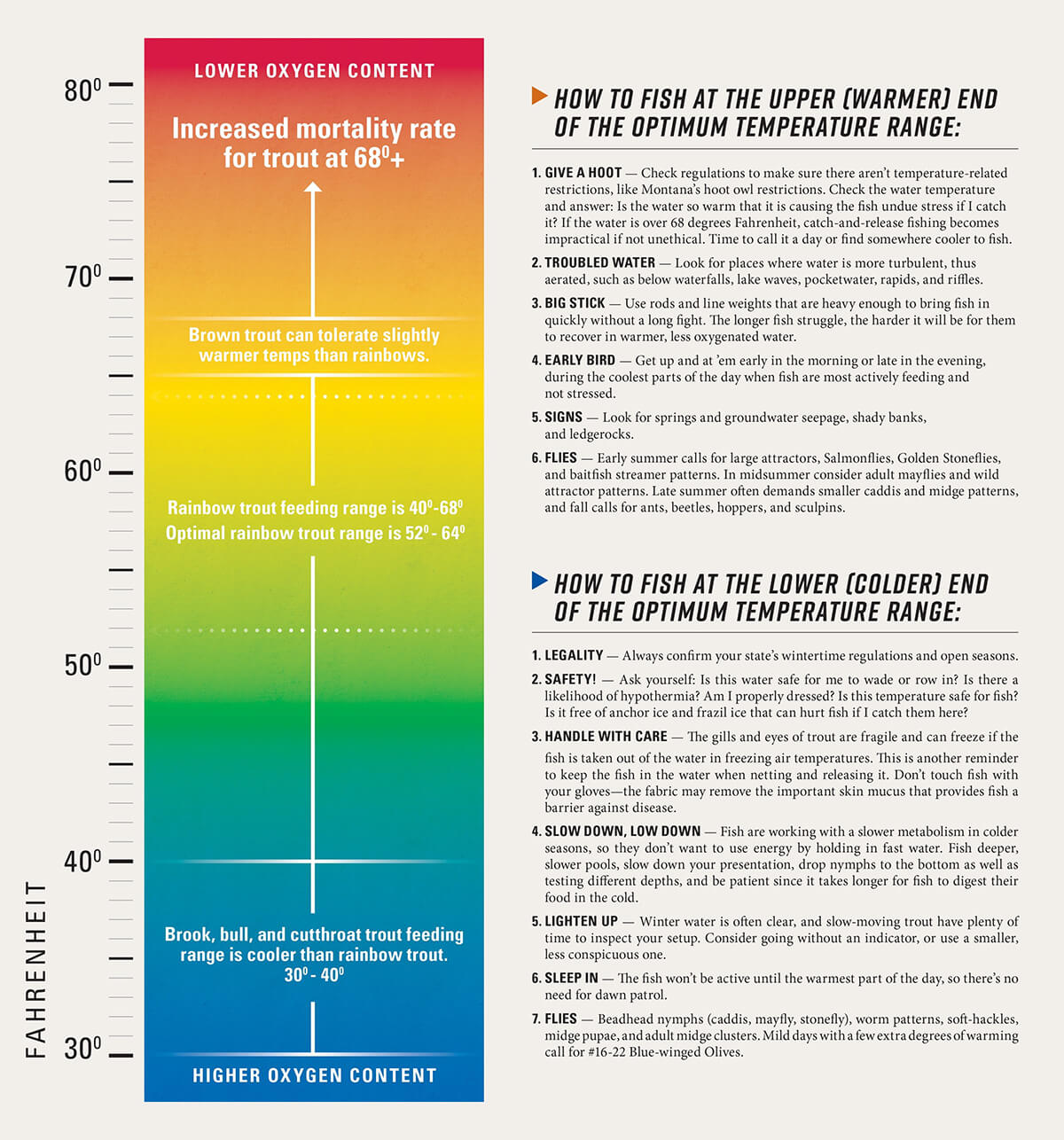
Water temperature drives trout location. Most rainbows feed best between 50 and 60°F. They can use water a bit warmer or cooler, but they slow down at the extremes. Oxygen matters too. They prefer water with high dissolved oxygen.
In summer, many lakes form a thermocline. That is the sharp layer that splits warm water from cool water. Above it is warm and sometimes low in oxygen.
Below it is cool but can turn low in oxygen later in summer. The sweet spot is near or just above the thermocline. That is often where do rainbow trout hang out in lakes when the sun is high.
Useful checks:
- Use a thermometer to find 50 to 60°F water.
- Drop an oxygen probe if you have one, or watch fish behavior.
- Watch for bait schools stacked near the layer on sonar.

Structure and Cover They Favor
Rainbow trout use structure as travel lanes and feeding stations. Think edges and changes. They do not need heavy cover like bass, but they work edges with intent.
Prime areas include:
- Points and humps that touch the thermocline.
- Steep drop-offs from 10 to 30 feet in spring and fall.
- Shoals and gravel bars near inlets and outlets.
- Weed edges with clean, cold water and current.
- Windward shores that push plankton and bait.
When you study where do rainbow trout hang out in lakes, map these spots. Then choose the ones that match today’s temperature band.

Seasonal Patterns and Depth Ranges
Spring:
- Cold water is everywhere. Trout roam the shallows.
- Look in 2 to 15 feet near inflows, rocky shores, and sun-warmed bays.
- Afternoon can be best as water warms a few degrees.
Summer:
- The lake sets up. Trout slide to the thermocline.
- Expect fish in 20 to 40 feet in many lakes, sometimes deeper.
- Points and suspended schools near bait are key.
Fall:
- Cooling water brings trout shallow again.
- Work 5 to 20 feet on rocky points and wind lanes.
- Troll or cast along breaks where bait gathers.
Winter:
- Under ice, trout cruise basins and oxygen-rich inflows.
- Early ice can be shallow. Late winter can push them toward fresh flow.
- Use small jigs near suspended bait.
These ranges vary by lake type and altitude. Still, these rules help you plan where do rainbow trout hang out in lakes in each season.
Time of Day, Light, and Weather
Light controls feeding windows. Dawn and dusk are prime. Low light gives trout cover, and bait rises. Midday can be slow in clear water, unless wind adds chop.
Clouds help. A light chop breaks the surface mirror. Wind pushes food to windward banks and points. After a rain, inflows cool and add oxygen. That is a reliable answer to where do rainbow trout hang out in lakes after storms.
Food Sources and Feeding Zones
Rainbow trout follow food. Match the menu and you will match the fish.
Main lake forage:
- Zooplankton and small invertebrates near the thermocline.
- Midges, mayflies, and caddis along shoals and weed edges.
- Sculpin, shiners, smelt, or young perch in open water.
- Crayfish and snails near rocks and gravel.
If you find the bait, you have found where do rainbow trout hang out in lakes today. Watch for dimples, birds, and arcs on sonar. Note where bug husks gather on wind lines.

Reading Maps, Wind, and Electronics
A map and basic tools answer most location questions. I like to mark three layers: shallow edges, mid-depth breaks, and the thermocline band.
Steps that work:
- Study the contour map. Circle points, saddles, and sharp breaks.
- Check wind. Fish the windward side if it is safe.
- Use sonar to find bait at the right depth.
- Drop a thermometer to confirm the target band.
- Start a search pass. Adjust speed and depth until you get marks.
This is a simple way to decide where do rainbow trout hang out in lakes without guesswork.
Shoreline vs Boat Tactics to Reach Them
From shore:
- Pick points, inflows, and wind-blown shores.
- Cast spoons or spinners that run mid-depth.
- Use slip floats with natural baits at dawn and dusk.
- In spring and fall, slow-roll small plugs along the drop.
From a boat or kayak:
- Troll at the thermocline with spoons or stickbaits.
- Use lead-core, weighted lines, or downriggers to hold depth.
- Vertical jig small swimbaits on marks.
- Drift nightcrawlers or worms on slip rigs along breaks.
Choose the tool that hits the exact zone. That is always the core of where do rainbow trout hang out in lakes and how to reach them.
Common Mistakes and Pro Tips
Common mistakes:
- Fishing too shallow at noon in midsummer.
- Ignoring wind and food lines.
- Dragging lures above or below the active band.
- Using wire leaders that kill action in clear water.
Pro tips from my logbook:
- Thermometer first, lures second. Find 50 to 60°F.
- Speed test. Many bites come after a small speed change.
- Swap split rings for better spoon action.
- Fish the inside turn of a point before the tip.
- Keep a journal. It locks in where do rainbow trout hang out in lakes for your waters.
Frequently Asked Questions of where do rainbow trout hang out in lakes
Where do rainbow trout hang out in lakes during summer?
They hold near the thermocline where cool water meets oxygen and bait. In many lakes, this is 20 to 40 feet, often around points or open-water bait schools.
Where do rainbow trout hang out in lakes after a storm?
They gather near fresh inflows and windward banks. Cooler, oxygen-rich water and pushed bait create short, strong feeding windows.
Where do rainbow trout hang out in lakes in spring?
They cruise the shallows and mid-depth breaks as water warms. Look in 2 to 15 feet near rocky shores, inlets, and sunlit flats.
Where do rainbow trout hang out in lakes on bluebird days?
They drop deeper and often suspend over structure. Fish early and late, or use deeper presentations near the thermocline at midday.
Where do rainbow trout hang out in lakes in winter?
Under ice, they follow oxygen and food near inflows and basins. Early ice can be shallow; later, they often shift toward stable mid-depths.
What depth finder settings help me see trout better?
Use high sensitivity and a narrow cone for detail. Watch for thin arcs at the target depth and for tight bait clouds around the thermocline.
Do rainbows prefer weeds or rocks?
Both, if the water is cool and has food. Rocks offer insects and crayfish, while weeds hold insects and small fish along clean edges.
Conclusion
Rainbow trout choose cool, oxygen-rich water close to food and edges. Track temperature, find the thermocline, and follow the wind. Mark points, drops, and bait schools, then set your depth to match.
Put these steps to work on your home lake this week. Take notes, test small changes, and lock in your pattern. If you enjoyed this guide, subscribe for more seasonal playbooks, or share your best tip in the comments.