

Yes, most catfish are bottom feeders, though many also feed in open water.
Curious anglers, aquarists, and home cooks ask the same thing: are catfish bottom feeders? I’ve studied catfish in the field, raised them in tanks, and cooked more than I can count.
In this guide, I break down how they feed, which species skim the bottom, and why it matters for taste, care, and gear. If you want a clear, science-based answer to are catfish bottom feeders, keep reading.
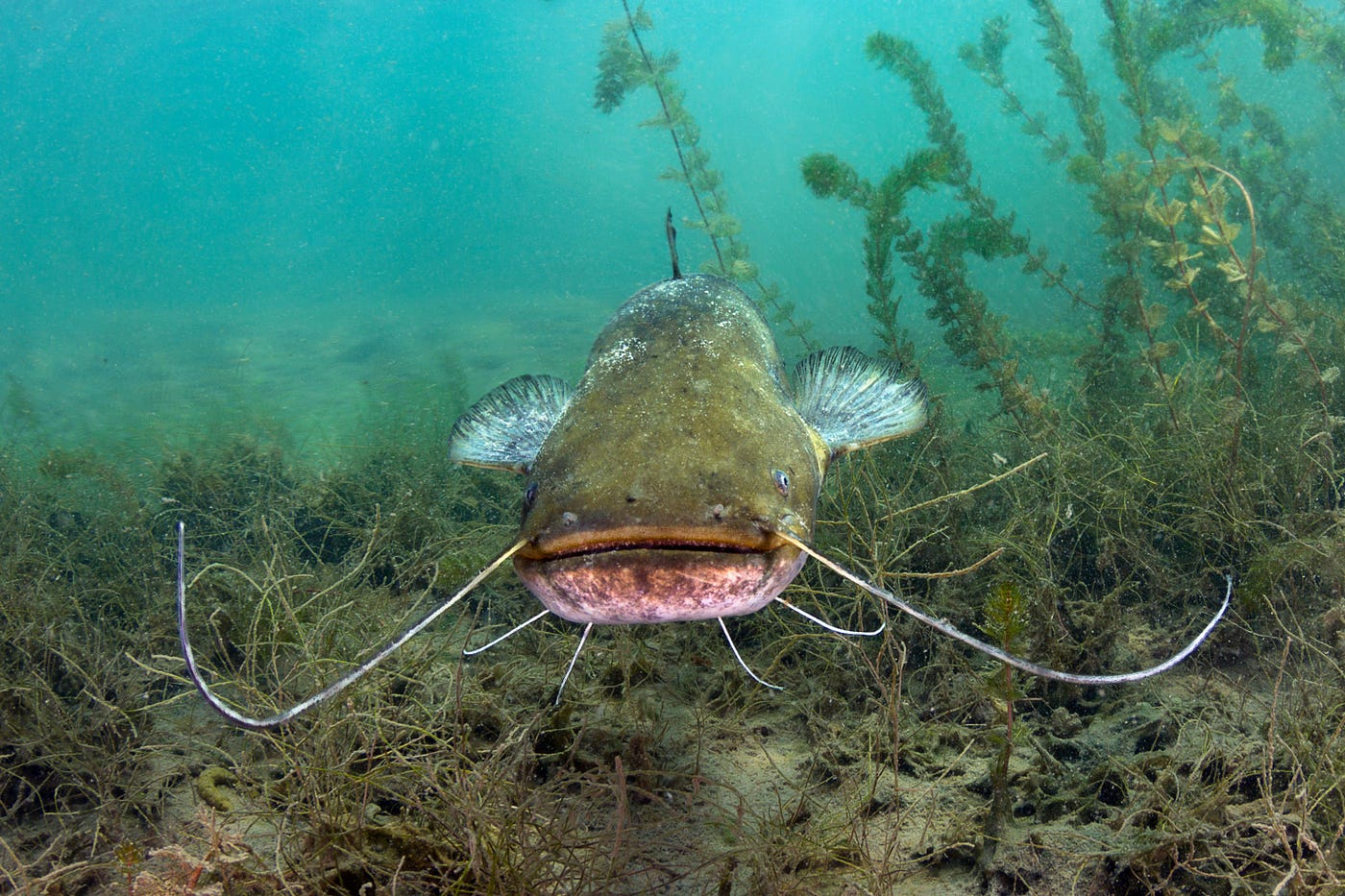
What “bottom feeder” really means
Bottom feeders are fish that feed near or on the substrate. They pick from the mud, sand, or rocks. Some sift detritus. Others hunt live prey that hide on the bottom.
So, are catfish bottom feeders? Yes, by design. Many catfish are benthic. They rest low, feed low, and follow scent trails along the bottom. But bottom feeder does not mean only scavenger. Many catfish hunt, graze, and even rise to mid-water when food is rich.
In clear lakes, I have watched channel catfish leave the bottom to chase shad. In murky rivers, flatheads lurk low, then surge up for live bait. The label is true, but not the whole story.

How catfish find food: anatomy and behavior
Catfish are built for life on the bottom. Their whiskers, called barbels, hold many taste buds. Their skin can taste too. This helps them find food in dark or muddy water.
Their mouths face down and open wide. Many use suction to pull in prey. They can feel faint flows with the lateral line. Most feed at dusk and at night, when sight matters less.
Are catfish bottom feeders all the time? Not always. When plankton booms or baitfish school, they rise. In fast water, they may hold mid-depth to save energy. I have seen blue catfish take cut bait ten feet off bottom during strong current.
Species and habitats: which catfish feed where
Not all catfish act the same. Habitat, size, and species shape their diet and depth.
- Channel catfish: Often bottom feeders. They scavenge, but also chase live prey in open water when baitfish are dense.
- Blue catfish: Strong hunters. They roam channels and ledges. They rise to follow shad schools, yet return to bottom breaks to rest.
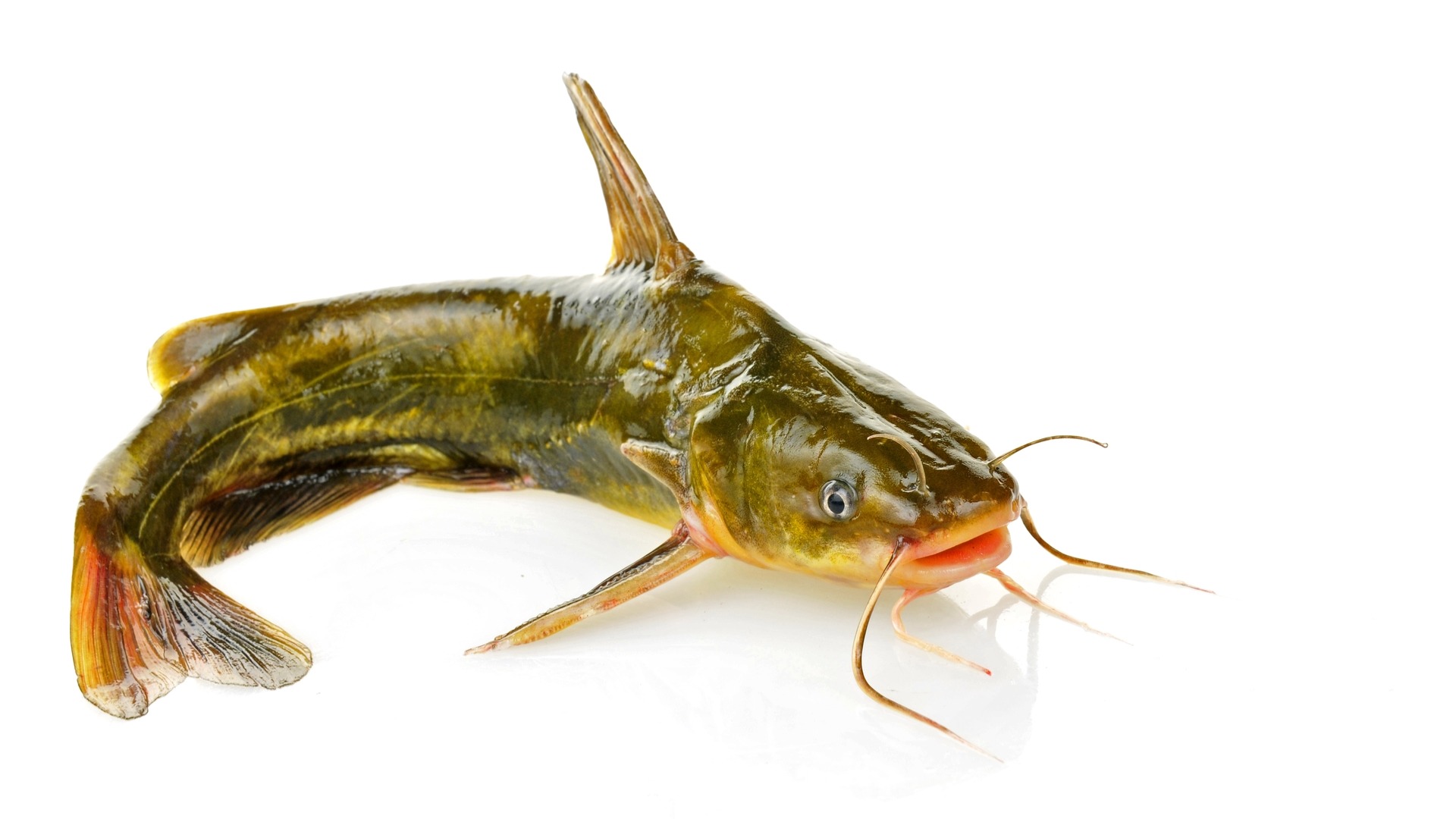
- Flathead catfish: Apex ambush fish. They favor live prey near cover on the bottom.
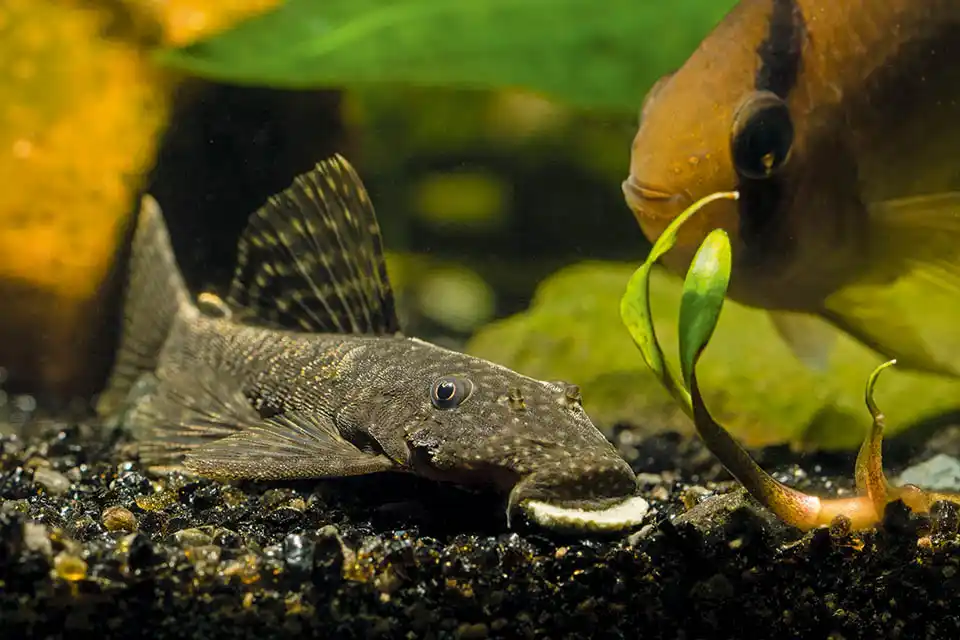
- Corydoras (aquarium): True bottom pickers. They sift sand and need sinking food.
- Plecos (Loricariidae): Scrape algae and graze wood. They are bottom dwellers but need more than algae alone.
- Pangasius and iridescent sharks: More mid-water at times, yet still sweep the bottom for food.
If you ask, are catfish bottom feeders in every lake or river, the answer shifts with season. In spring floods, they roam edges. In hot summers, they drop to deep holes. In fall, they track schools and rise more.
Diet myths, water quality, and safety
Many people say bottom feeders are “dirty” fish. That claim is not fair or fully true. Bottom feeders often recycle waste, which helps clear the system. Catfish eat insects, mollusks, crustaceans, fish, and plants. Scavenging is only part of the mix.
Do bottom feeders store more toxins? That depends on the water. Some pollutants stick to fat. Larger, older fish can build more. This is not a catfish-only issue. It is about the whole food web. Local advisories offer the best guide. Trim dark fatty meat. Cook well. These steps help reduce risk.
From my field notes, river catfish from clean, flowing water taste bright and sweet. In slow, farm ponds with algae blooms, flavor can turn earthy. That comes from compounds like geosmin, not from being a bottom feeder.
Taste, texture, and cooking tips
Diet shapes flavor. Farmed catfish fed quality pellets taste mild. Wild fish from rocky rivers taste firm and clean. Muddy flavor is rare but can show after algae blooms.
Try these steps for great taste:
- Ice the fish fast after catch to lock in texture.
- Trim the dark lateral line and any yellow fat.
- Soak fillets in cold milk or a light salt brine for one hour.
- Use spices with acid, like lemon, to brighten the meat.
- Pan fry thin fillets. Bake or grill thicker cuts.
Are catfish bottom feeders who always taste muddy? No. Water quality and handling matter more than the label.

Aquaculture and home aquarium care
In farms, catfish grow on balanced sinking pellets. That fits their bottom feeding style and keeps feed where fish can find it. Good systems add flow and clean beds to avoid off-flavors.
In tanks, many ask: are catfish bottom feeders that live on leftovers? Do not rely on scraps. Feed sinking pellets, wafers, and fresh greens. Rotate protein with shrimp, bloodworms, and safe veggies. Offer sand or smooth gravel for Corydoras to sift. Add wood for some plecos. Strong filtration and regular gravel vacs keep the bottom safe.
From my tanks, the biggest mistake is “they can clean the tank for me.” They cannot. They also need a full, varied diet.

Angling tactics that match their feeding zones
If you ask are catfish bottom feeders when you rig a rod, the setup is simple. Fish where and how they eat.
- Slip-sinker rig: Best for the bottom. Use a leader to let bait move.
- Float rig: Great when fish rise to mid-water at night or in current seams.
- Baits: Fresh cut shad, live sunfish for flatheads, shrimp, nightcrawlers, or stink baits for channels.
- Spots: Ledges, timber, undercut banks, drop-offs, and current breaks.
I catch more fish when I adjust to depth. If sonar shows bait up high, I lift my baits. If marks hug bottom, I pin them down.

Ecosystem role and conservation
Catfish are key benthic workers. They keep energy moving from the bottom to higher levels. They shape invertebrate and small fish numbers. They also help cycle nutrients.
Are catfish bottom feeders that harm lakes? No. Overcrowding, low oxygen, and runoff do more harm. Support clean flows, protect spawning sites, and follow catch rules. Release big breeders in small waters. They are the backbone of future stocks.
Frequently Asked Questions of are catfish bottom feeders
Are catfish bottom feeders in every species?
Many species are bottom feeders, but not all feed only on the bottom. Some shift to mid-water when baitfish are active.
Do catfish only eat dead stuff on the bottom?
No. They eat live prey, insects, crustaceans, and plants. Scavenging is only one part of a broad diet.
Will catfish clean my aquarium for me?
They help, but they do not replace cleaning. You still need water changes, gravel vacs, and balanced feeding.
Are catfish bottom feeders that taste muddy?
Not by default. Off-flavors often come from algae blooms and poor handling, not from bottom feeding.
What is the best bait for bottom-feeding catfish?
Fresh cut bait works well for blues and channels. Live bait shines for flatheads; worms and shrimp also catch fish.
Are farmed catfish safer than wild catfish?
Both can be safe. Farmed fish are consistent; wild fish depend on local water quality. Follow advisories and trim fatty parts.
Are catfish bottom feeders in winter?
Yes, but they may hold deeper and feed less. Slow presentations near the bottom work best.
Conclusion
So, are catfish bottom feeders? Yes, in body and behavior, but they are far more than that label. They hunt, scavenge, and shift depth with season, flow, and prey.
Use that insight to pick the right bait, care for tank fish, and cook better meals. Take this knowledge to the water or your kitchen today. Share your questions, subscribe for new guides, and keep learning with us.