

A hunting house gives you a sheltered place to rest, store gear, and wait comfortably between outings. Without one, hunters may rely on a tent, which takes time to set up and offers less solid protection from wind and rain than a sturdy shelter.
For a more dependable base outdoors, a hunting house can make trips easier to manage. Its enclosed space helps shield you from changing weather, while room for supplies keeps essential gear close and organized instead of scattered around camp.
Many models include windows for observing the surroundings, durable materials for repeated outdoor use, and layouts that make room for a cot or equipment. Some designs also pack down for transport, so you can choose a setup suited to your hunting routine.
Hunting houses vary in capacity, weight, weather resistance, and setup style, so consider your usual group size and terrain. Explore the best hunting houses below to find a shelter that suits your time outdoors.
4 Best Hunting Houses Reviews
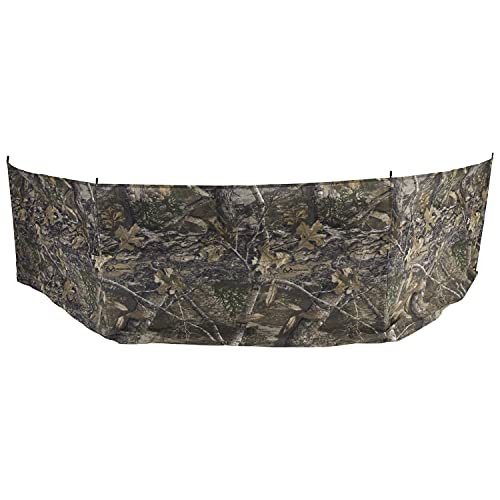
1.AC Allen Portable Ground Blind with Stakes
Four collapsible stakes make setup quick, leaving more time to hunt
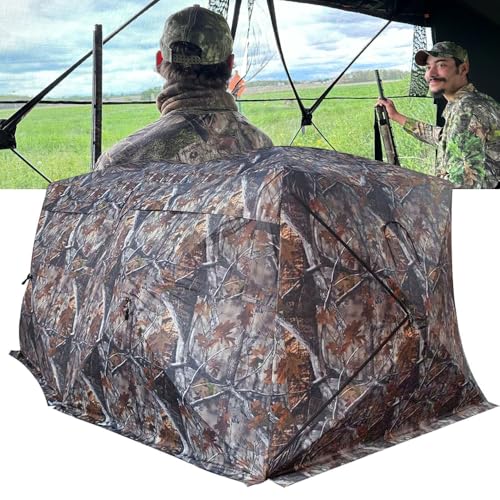
2.THUNDERBAY Bunkhouse Pop Up Hunting Blind
Silent-slide windows adjust quietly to help avoid alerting nearby deer

3.J.M RUSK Doghouse Ground Blind for Waterfowl
Stubble straps on all four sides help keep your dog close and hidden

4.generic 42 in Hinged Deer Blind Window
Tempered glass resists scratches, yellowing, and fogging for clear
1. AC Allen Portable Ground Blind with Stakes
AC Allen’s portable ground blind gives turkey and deer hunters a compact shelter that helps break up their outline against the surroundings. Its Realtree Edge camouflage pattern and polyester material help conceal the hunter, shadows and gear within the hunting area.
The blind measures about 10 inches long and 27 inches high, giving it a low profile for use near the ground. Its fabric disrupts the shape and shadows that could otherwise stand out, while the camouflage pattern helps it blend with surrounding foliage.
Four collapsible stakes come with the blind, so you can secure it at the hunting spot without bringing separate stakes. The simple setup leaves more time for preparing your position, and the stakes fold down for packing after the hunt.
Made from heavy-duty polyester, the blind is designed for outdoor use while staying light enough to carry in a hunting backpack or bag. It weighs about 0.7 pounds, which keeps its load modest on walks to a hunting location.
The one-size Realtree Edge design focuses on portable concealment rather than a large enclosed shelter. Its 27-inch height and ground-blind format suit hunters who want cover close to the ground for turkey or deer hunting.
For hunters who need a light, packable way to reduce their outline and hide gear, this blind offers a straightforward option. It suits people who value quick setup and camouflage over a larger hunting house with more room.
- Four collapsible stakes support quick setup
- Weighs about 0.7 pounds for easy carrying
- Realtree Edge pattern helps blend with foliage
- Polyester material conceals shape, shadows and gear
- At 27 inches high, cover stays low
2. THUNDERBAY Bunkhouse Pop Up Hunting Blind
For hunts that need room for several people, the THUNDERBAY Bunkhouse offers a six-person, side-by-side layout with a wide bottom and see-through coverage. Its listed footprint is about 15 feet by 7.5 feet, with an 80-inch height.
The 360-degree see-through design gives hunters views around the blind. Two full-length zippered doors sit at opposite corners, providing separate entry points for people moving in and out.
Silent-slide windows use hooks rather than zippers or hook-and-loop fasteners. You can adjust their opening width or gap while keeping window movement quiet, which helps limit noise during a hunt.
The blind uses tightly woven 150D fabric with a black interior coating, and the fabric is waterproof. Fiberglass rods support the pop-up structure, while a metal hub, reinforced wind ropes, ground spikes and iron rings at the top add support.
Four corner strap loops provide additional tie-down points. Ground stakes and tie-down ropes come with the blind, and the maker says the setup and takedown are easy. Those included parts give you options for securing it at the hunting site.
This large blind suits hunters who want space for a group and wide sightlines in one shelter. Its see-through layout, two doors and adjustable silent-slide windows may also appeal to people who need to move and change their view without drawing attention.
- Fits six people in a wide side-by-side layout
- 360-degree see-through design offers broad views
- Silent-slide windows adjust without zipper noise
- Waterproof 150D fabric has a black interior
- Large footprint may limit suitable hunting sites
3. J.M RUSK Doghouse Ground Blind for Waterfowl
About 40 inches wide, the J.M RUSK Doghouse Ground Blind gives a hunting dog a covered place to stay close during waterfowl hunts. Its camouflage shell helps conceal the dog, while stubble straps on all four sides let you attach surrounding cover.
The shell uses 600-denier polyester with a PU backing, giving the fabric added support for outdoor use. A brown-treated aluminum frame resists rust, so the structure is suited to use around wet hunting areas.
The foldable design makes setup and takedown easier to manage in the field. Its doghouse shape measures about 40 inches long, 26 inches wide and 18 inches high, offering a low shelter that keeps a dog near the hunter.
At 6.2 pounds, it is light enough to carry between a vehicle and a hunting spot. The listed net weight is 18 pounds and gross weight is 19 pounds, though those figures differ from the specification’s item weight.
The camouflage color fits into hunting surroundings, and the four-sided stubble straps give you places to add local vegetation. This is a dog blind rather than a shelter for people, so its space is intended for keeping a hunting dog covered.
Hunters who need a portable, low-profile shelter for a dog may find its foldable frame and concealment straps useful. It suits waterfowl hunters looking for a dedicated doghouse blind.
- Rust-resistant aluminum frame suits wet conditions
- Four-sided stubble straps help conceal a dog
- Foldable design makes setup and takedown easier
- 600-denier polyester shell has PU backing
- No major cons
4. generic 42 in Hinged Deer Blind Window
Hunters building a shooting house get a tempered-glass window with an inward-swinging sash for a clear view and access from inside. The Hunt Supply window fits a 42-inch rough opening, giving builders a defined size to plan into a new blind.
Its tempered glass resists scratches, yellowing and fogging, which can help preserve a usable sight picture over repeated seasons. The sash opens inward, so it does not stick out from the wall, and the opening can serve as a shooting lane when game appears.
A welded aluminum frame with sealed corners keeps the frame square, while factory weather stripping helps limit drafts, moisture and insects entering the blind. The unit weighs about 8 pounds, and pre-drilled holes and mounting hardware are included.
You can mount it horizontally for rifle use or vertically for a bow or crossbow. It works in a newly built shooting house or an existing blind, so the window can suit different layouts and hunting setups.
The frame is gray and made in the USA in Portage, Wisconsin. This is our final pick for hunters who want a durable glass window and flexible mounting orientation in a shooting house.
- Tempered glass resists scratches and fogging
- Inward swing keeps the exterior wall clear
- Mounts horizontally or vertically for varied use
- Weather stripping helps block drafts and moisture
- No major cons
How to Choose the Best Hunting Houses
Choosing the right hunting house affects concealment, comfort, visibility, and setup time. The best fit depends on your game, hunting location, group size, transport, and whether you need a complete blind or a window for an existing structure.
| If You Need | Look For | Expect |
|---|---|---|
| A quick, low setup | Lightweight portable blind | Less room to move |
| Waterfowl concealment | Stubble straps and compact shape | Limited standing space |
| Room for a group | Wide footprint and multiple doors | More bulk to carry |
| Views from several sides | Adjustable viewing openings | More exposure when open |
| A window for a blind | Measured frame and swing direction | Installation work required |
| Wet-weather use | Water-resistant fabric and sealed edges | Added weight and drying time |
Hunting Setup
Start with how you hunt: a portable panel, a compact doghouse blind, a pop-up tent, or a fitted window serves different needs. Matching the design to your setup prevents paying for space or features you will not use.
Low, lightweight panels suit hunters who move often and need a simple screen near the ground. Enclosed blinds offer more shelter and coverage, but they take longer to place and demand more room in your vehicle.
For an existing shooting house or box blind, a replacement window is a component, not a freestanding shelter. Plan for the opening, mounting surface, and installation before choosing this style.
Game And Concealment
Turkey, deer, and waterfowl hunting call for different concealment. Consider your likely shooting position and the surrounding cover, then choose a shape and camouflage pattern that blend with the terrain and season.
A low blind keeps the hunter close to the ground, while a taller enclosure allows more room to sit or stand. Match the height to your position and sightlines, since a tall outline can stand out in open cover.
For waterfowl, stubble straps provide places to attach local vegetation, helping break up the blind’s outline. Look for attachment points on enough sides to suit your setup, and leave time to dress the blind before hunting.
Capacity And Interior Space
Choose capacity by counting hunters and essential gear, not by relying on a person limit alone. A six-person rating describes intended occupancy, but coats, packs, seats, and movement all require additional space.
A wide footprint gives a group more elbow room, but it needs a larger level site and more transport space. Measure the intended spot before buying, including room for doors to open without hitting brush or equipment.
Height affects comfort and concealment. A standing-height shelter reduces crouching for many users, while a lower profile is easier to hide; compare the interior dimensions with your usual chair and shooting position.
Visibility And Window Operation
A 360-degree viewing design gives hunters sightlines around the shelter, but visibility depends on how its openings work. Adjustable windows let you balance a clear view against concealment, wind, and unwanted light entering the blind.
Quiet window hardware helps reduce noise during adjustments, which is useful when game is nearby. Look for openings that are easy to reach from your seat, and consider whether the design allows a safe shooting lane.
A fitted window needs closer attention to its opening direction and placement. An inward-swinging sash requires clear interior space, while its frame must align with the wall and preserve a practical shooting angle.
Weather Protection
Fabric descriptions offer clues, but they do not guarantee performance in every storm. A tightly woven, water-resistant shell helps shed light rain; seams, door closures, and ground contact still affect how dry the interior stays.
Heavier fabric, such as 600-denier polyester, usually resists abrasion better than lighter cloth, but adds weight. A PU backing is a coating intended to improve water resistance; check care guidance and dry the shelter fully after use.
For a window, tempered glass and weather stripping help protect against impacts and drafts. Seals can wear or collect debris, so inspect their fit and plan to keep the surrounding frame clean.
Frame And Stability
Pop-up frames often combine rods with hubs, while compact blinds may use metal supports. Look for clear setup instructions, secure joints, and a frame suited to the wind and ground conditions where you hunt.
Stakes and tie-down ropes help hold a shelter in place, but they depend on suitable soil and correct anchoring. In rocky or frozen ground, bring compatible alternatives rather than assuming included stakes will work everywhere.
Aluminum resists rust better than untreated steel, while welded construction can provide a rigid window frame. For any frame, consider transport wear and storage; inspect joints, hinges, and hardware before each season.
Setup And Portability
Weight and packed size shape how far you can carry a blind and how easily it fits your vehicle. A sub-pound screen is easier to haul than an enclosed shelter, but offers far less coverage and weather protection.
Pop-up construction can simplify assembly, though large shelters still take space and effort to position. Review packed dimensions and the number of people needed to set it up, especially if you hunt alone.
Consider the full setup routine, including stakes, ropes, vegetation, and window installation. A shelter that suits a nearby parking spot may be impractical for a long walk, so match portability to your access route.
Dimensions And Fit
Published dimensions can describe a footprint, interior height, packed item, or rough opening; these measurements are not interchangeable. Confirm what each number represents before planning a site or making a purchase.
For a replacement window, compare the required rough opening with the wall opening, not just the overall frame size. Allow for frame depth, mounting clearance, and the sash’s swing so the window fits and operates.
Measure storage and transport space as well as the hunting location. A large footprint can suit a group at camp, but tight trails, small vehicles, and narrow storage areas may favor a compact design.
Price And Included Gear
Lower prices generally buy simpler, lighter coverage, while larger shelters and fitted components often cost more because they use more material or require sturdier construction. Compare the intended use before judging value by price alone.
A higher price may be worthwhile when you need group space, durable fabric, weather protection, or a window built for a measured opening. It is less useful when extra capacity or features add weight you will not use.
Confirm what comes in the package, such as stakes, ropes, or mounting hardware. Budget separately for a chair, ground cover, added anchors, or installation supplies if they are not listed.
Warranty And Care
Warranty coverage varies, so read its length, exclusions, and claim process before purchase. Pay particular attention to frame, fabric, glass, and hinge coverage, since damage from wind, misuse, or normal wear may be excluded.
Care affects useful life: dry fabric before storage, remove dirt from zippers and seals, and keep glass protected during transport. Follow the maker’s instructions, since harsh cleaners or damp storage can damage materials.
Keep the receipt and note the model and dimensions for replacement parts or support. A clear warranty and accessible service are especially useful for a frequently used shelter or a permanently installed window.
Frequently Asked Questions
Do these hunting houses need a power source?
The AC Allen, THUNDERBAY, and J.M RUSK blinds are described as portable or pop-up ground blinds, with no power source listed. The generic 42 in Hinged Deer Blind Window is a window component, not a powered blind.
What materials are these hunting houses made from?
The product details don’t specify the blind materials. The generic 42 in Hinged Deer Blind Window is described as having tempered glass.
What comes with the AC Allen Portable Ground Blind?
It includes four collapsible stakes, which help make setup quick. The listed details don’t specify other included accessories.
Should I choose the THUNDERBAY Bunkhouse or the J.M RUSK Doghouse?
Choose the THUNDERBAY if you want silent-slide windows that adjust quietly; choose the J.M RUSK if you want stubble straps on all four sides to help keep your dog close and hidden.
How can I set up the AC Allen Portable Ground Blind quickly?
Use its four collapsible stakes to set up the blind. The product details don’t provide further setup instructions.
How do I keep a dog concealed near the J.M RUSK Doghouse Ground Blind?
Use the stubble straps on all four sides to help keep your dog close and hidden.
What is the generic 42 in Hinged Deer Blind Window designed to handle?
Its tempered glass resists scratches, yellowing, and fogging to help maintain a clear view.
So, What Should You Buy?
For most hunters, the THUNDERBAY Bunkhouse is the strongest pick, with silent-slide windows that adjust quietly around nearby deer. If quick setup matters most, choose the AC Allen; waterfowl hunters keeping a dog close can opt for the J.M RUSK.
The generic hinged window suits anyone upgrading a blind with scratch- and fog-resistant tempered glass. Pick the model that fits your hunting setup, and head out with confidence.