

Night hunts let you observe wildlife and move through familiar terrain after daylight fades. A flashlight can reveal nearby details, but its narrow beam leaves the surrounding scene dark and may alert animals to your position.
Digital or image-intensifying hunting night vision goggles gather available light to make dim scenes easier to see. Many models also use infrared illumination, helping you spot shapes without relying on a bright visible beam, so you can keep your hands free to scan and navigate.
Comfortable head straps make longer sessions easier, while adjustable focus helps bring distant or nearby targets into clearer view. Some goggles record photos or video, and built-in displays let you view the scene without holding a separate screen.
Models differ in viewing range, weight, battery life, and recording features, so consider your terrain and how long you stay out. Explore the best hunting night vision goggles below to find a pair suited to your nighttime outings.
7 Best Hunting Night Vision Goggles Reviews
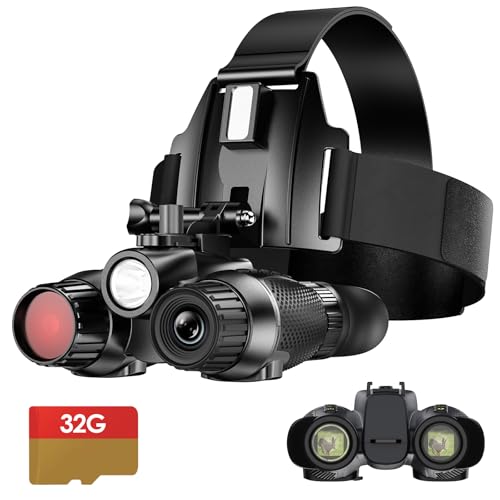
1.GOWWPUN NV8100 8X Zoom Night Vision Goggles
8x optical zoom brings distant objects closer in clear 4K video

2.GTMEDIA V6 DY 850nm Night Vision Goggles
850nm infrared illuminator provides night viewing up to 984 feet away
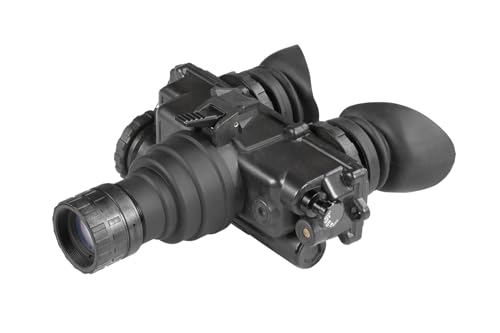
3.AGM Global Vision PVS-7 Night Vision Goggles
Gen 2+ Level 3 image intensifier delivers detailed low-light visuals

4.GOYOJO NV8300 4K Night Vision Goggles
850nm infrared illuminator helps you see clearly in complete darkness

5.GOYOJO 7X Night Vision Monocular Goggles
7x magnification and adjustable focus help you find distant targets
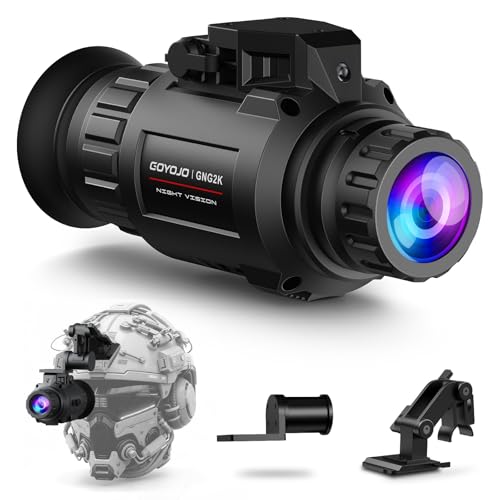
6.GOYOJO GNG2K 2K Night Vision Monocular
A 0.0001 Lux sensor reveals detail in starlight and dim conditions

7.AILNJUC NV8160 8X Night Vision Goggles
8X digital and 10X optical zoom help spot game over 1,300 feet away
1. GOWWPUN NV8100 8X Zoom Night Vision Goggles
GOWWPUN night vision goggles combine nighttime viewing, 8x optical zoom and hands-free wear for hunting and outdoor observation. Their dual-screen, dual-eyepiece setup creates a 3D viewing effect, and the adjustable eyepieces let you set the image for each eye.
The 8x optical zoom magnifies distant subjects, while manual focus helps sharpen the view. The goggles can capture 36MP photos and 4K video, giving you options for recording observations as well as viewing them.
Seven infrared brightness levels let you adjust illumination in dim conditions. A white fill light is also available after you turn on an IR setting, and the display offers color, fluorescent green, infrared and black-and-white modes.
For daytime use, the goggles offer FHD viewing; at night, they switch to black-and-white night vision. The stated field of view is 10°, and the recommended viewing distance for the 3D effect is about 10 meters, or 32 feet.
An adjustable headband and helmet-mount adapter support hands-free use, with compatibility for FAST and MICH helmets; the helmet itself is sold separately. The black unit weighs about three-quarters of a pound and includes a TF card, making it suited to hunters who want wearable night viewing and recording.
- 8x optical zoom helps view distant subjects
- Captures 36MP photos and 4K video
- Seven IR levels let you adjust night brightness
- Headband and helmet adapter support hands-free viewing
- Helmet must be purchased separately
2. GTMEDIA V6 DY 850nm Night Vision Goggles
For hunting in low light or total darkness, the GTMEDIA V6 combines infrared viewing with photo and video capture. Its 3-watt, 850-nanometer infrared illuminator has seven adjustable levels and supports observation up to about 984 feet in suitable conditions.
The 8X digital zoom brings distant wildlife and surroundings closer on the binoculars’ display. You can adjust infrared intensity to suit changing ambient light or different settings, from open fields to wooded areas.
For recording, it takes photos at up to 4K resolution and captures Full HD video at 30 frames per second. A 32GB card comes included, and the goggles also support TF cards up to 512GB for storing more footage and photos.
You can hold the V6 for quick scanning or attach its adjustable head strap for hands-free observation. Tripod compatibility provides another option for longer viewing sessions when you want a steady setup.
Its rechargeable 2,000mAh battery runs for up to four hours with infrared enabled, or up to eight hours with IR off. USB-C charging lets you recharge it, and the dark yellow unit weighs about 1.7 pounds.
For hunters who also want to document nighttime wildlife, this model brings viewing and recording together. Its shorter operating time with infrared on may suit shorter outings better than extended sessions without recharging.
- 850nm IR reaches about 984 feet in suitable conditions
- Seven IR levels adapt to changing ambient light
- 4K photos and Full HD video capture wildlife
- 32GB card included; supports TF cards up to 512GB
- Head strap and tripod support hands-free viewing
- Runs up to four hours with IR enabled
3. AGM Global Vision PVS-7 Night Vision Goggles
Gen 2+ Level 3 image intensification gives these AGM Global Vision goggles their main advantage for hunting after dark. The P43-Green image intensifier tube supports viewing in low light, helping you spot details and keep track of your surroundings.
For pitch-dark conditions, a built-in infrared illuminator supplies light for viewing. Automatic brightness control adjusts to changing light, while bright-light cutoff helps protect the image intensifier from sudden intense light.
You can use the PVS-7 handheld or attach it to a helmet for hands-free movement. At about 1.1 pounds, it is light enough to carry on a hunt without adding much weight to your gear.
The package includes a head mount assembly, medium and thick brow pads, eye cups and a lens cap/daylight filter. It also comes with a shoulder strap, lens paper, sacrificial window, demist shields, a manual and a soft carrying case.
Its green-phosphor view is the stated display type, and the Gen 2+ Level 3 tube is the key specification to compare when choosing night vision goggles. This set suits hunters who want low-light viewing, an IR illuminator and the option of helmet-mounted use.
- Gen 2+ Level 3 tube delivers clear low-light views
- Built-in IR illuminator works in complete darkness
- Bright-light cutoff helps protect the image intensifier
- Helmet-mountable design weighs about 1.1 pounds
- Includes head mount and useful protective accessories
- No major cons
4. GOYOJO NV8300 4K Night Vision Goggles
Hunters who want to record nighttime observations get 4K video with audio and 36MP photos from these GOYOJO goggles. They also offer 8x digital zoom and manual focus, so you can adjust the view while watching wildlife or checking an outdoor area.
A 3W 850nm infrared illuminator supports viewing in low light and complete darkness, with visibility up to 1,000 feet in total darkness. Adjustable infrared levels and screen brightness let you tune the display to different outdoor conditions.
The dual-screen display has adjustable interpupillary distance from 60 to 72mm, which helps match the viewing setup to your eyes. You can use the goggles handheld, wear them with the included headband, or attach the helmet-compatible mounting bracket.
At about 0.8 pounds, they are light enough to carry on trips or use while monitoring a property. Their ink-black finish keeps the look simple, while the included storage bag gives you a place to pack the unit and accessories.
The kit also includes an adjustable back strap, USB cable, 32GB memory card, cleaning cloth and user manual. These goggles suit hunters who want night vision alongside photo and video recording, with flexible ways to wear or hold the device.
- Records 4K video with audio and 36MP photos
- Sees up to 1,000 feet in complete darkness
- 8x zoom and adjustable IR levels tune the view
- Includes a 32GB card for saving recordings
- The 850nm infrared illuminator may be visible to some animals
5. GOYOJO 7X Night Vision Monocular Goggles
For woodland edges and other hunting spots, GOYOJO’s monocular pairs hands-free wear with infrared viewing in darkness. Its 7x magnification brings distant animals into view, while the 1.54-inch HD screen displays the image for observation.
The 20mm adjustable-focus lens helps you bring a target into focus, and its photosensitive design works with the CMOS SONY307 starlight sensor. The fully coated objective lens supports viewing wildlife and plants, but the 7x magnification is fixed rather than manually adjustable.
In total darkness, the 850nm infrared system provides an effective viewing distance of 200 to 300 meters. The maker lists visible viewing up to 500 meters, with black-and-white imaging in those conditions.
A 320-by-320 screen shows the live image, and the stated video delay is less than 0.01 seconds. That short delay helps keep the displayed view close to what the sensor captures as you scan the surroundings.
You can hold the monocular or wear it on the included adjustable headband, leaving both hands free to move or handle other gear. Its listed uses include night hunting, wildlife observation, camping, fishing and security surveillance.
The 1148-foot figure appears in the product title, while the detailed description gives separate ranges for effective infrared and visible viewing. This monocular suits hunters who want hands-free nighttime viewing and can work within its fixed magnification and black-and-white infrared image.
- 7x magnification helps view distant wildlife
- Infrared reaches 200–300 meters in darkness
- Headband supports hands-free nighttime viewing
- 320×320 screen shows the live image
- Fixed 7x magnification offers no manual zoom
6. GOYOJO GNG2K 2K Night Vision Monocular
The 0.0001 Lux sensor lets the GOYOJO monocular pick up detail in very dim conditions, including starlight. Its 2K image has a resolution of 2688 by 1520 and refreshes at 60Hz, giving hunters a view of the scene with frequent updates.
For full darkness, the 940nm infrared illuminator has three brightness levels and a stated viewing range of up to 300 meters. Its infrared light is designed to stay less noticeable to people and animals, which helps during wildlife observation or hunting.
A 45-degree field of view takes in more of the surrounding area, while 1–4x digital zoom helps inspect distant subjects. The four display options are Night Green, Black & White, White Phosphor and Color, which has a reddish-purple tint.
The included quick-release helmet mount supports hands-free viewing, useful when tracking or moving along a trail. An electronic compass helps with orientation, and the unit weighs about 0.85 pounds for carrying in a pack or tactical kit.
Its listed uses include hunting, wildlife watching, camping and property monitoring. The monocular is described as able to handle rain and dust, but the listing does not provide a specific protection rating, so buyers should not assume a particular level of weather resistance.
For hunters who want digital night vision with a helmet-mount option, this model combines a low-light sensor, infrared viewing and zoom in one portable unit. It suits users who value hands-free use and several viewing modes.
- 2K resolution and 60Hz refresh show detail
- 0.0001 Lux sensor works in starlight
- 940nm IR reaches up to 300 meters
- Helmet mount enables hands-free viewing
- 1–4x digital zoom has a limited range
7. AILNJUC NV8160 8X Night Vision Goggles
AILNJUC gives hunters night vision binoculars with 8X digital zoom and 10X optical zoom for viewing wildlife at a distance. The title lists a 1,312-foot viewing range, while the product details describe spotting game from over 1,300 feet away.
Its 850nm infrared illuminator has seven brightness levels, so you can adjust the light for different levels of darkness. The goggles record 1080p HD video and take 12MP photos, giving hunters ways to save what they see in the field.
A 3,000mAh rechargeable battery runs for up to four hours with infrared or nine hours on normal settings. That gives you a choice between longer use without infrared and shorter sessions with night vision active.
The head-mounted design supports hands-free viewing, and the included mount fits FAST and MICH helmets. The helmet itself is not included, so you’ll need one for helmet-mounted use.
The goggles weigh about 0.9 pounds and come in black. A 32GB SD card is listed in the title for storing photos and video, making this a feature-packed option for hunters who want distant viewing, adjustable infrared, and helmet-mounted use.
- 10X optical zoom helps view distant wildlife
- 8X digital zoom adds another viewing option
- Seven IR brightness levels suit varied darkness
- Up to nine hours on normal settings
- Helmet is not included for mounting
How to Choose the Best Hunting Night Vision Goggles
Choosing hunting night vision goggles means balancing usable detail, viewing comfort, mounting, and power for the conditions you face. Your budget, legal hunting rules, and whether you need hands-free viewing or recorded footage also shape the right choice.
| If You Need | Look For | Expect |
|---|---|---|
| To spot distant animals | Clear range claims and focus controls | Fine details fade with distance |
| Hands-free movement | Secure head or helmet mount | More weight on your head |
| Less visible infrared | 940nm illuminator | Shorter reach than 850nm |
| Wider scene awareness | Field of view above 40° | Less apparent magnification |
| Long observation sessions | Replaceable batteries or spare power | Added cost and carrying weight |
| Recorded footage | Video resolution, frame rate, card support | Larger files and shorter recording time |
Night Vision Type
Digital goggles use a sensor and screen, while image-intensifier models amplify available light through a tube. Digital units often offer recording, color modes, and daylight viewing, but screens can lag or look less natural in darkness.
Image-intensifier devices provide a direct view and may feel more immediate, but they usually cost more and offer fewer recording features. Check the exact generation and tube specifications rather than relying on “night vision” alone.
Digital viewing depends on both sensor sensitivity and infrared light when the scene is very dark. For wooded areas with little ambient light, look for adjustable infrared output; under moonlight, lower illumination may preserve a less conspicuous setup.
Detection Range
A stated viewing distance does not guarantee that you will identify an animal at that range. “Detection” usually means noticing a shape, while recognition and identification require more detail at shorter distances.
Treat advertised ranges as best-case claims, since weather, vegetation, terrain, and target size all affect visibility. For hunting, prioritize useful detail at the distances you actually expect, not the longest number on the package.
Manual focus helps bring a target into sharper view, but it takes time to adjust when switching between nearby and distant objects. A fixed-focus or long-focus design suits predictable distances better than fast-changing terrain.
Field Of View
Field of view describes how much of the scene you see at once, often measured in degrees. A wide view helps you scan brush and track movement, while a narrow view makes locating animals harder.
A field of view around 40 degrees or wider is useful for scanning, but it can make distant targets appear smaller. Narrow views suit stationary observation when you already know where to look.
Magnification and field of view often pull in opposite directions, especially with digital zoom. If you hunt in dense woods, favor a broader view; open-country users may value more magnification for distant observation.
Infrared Wavelength
An 850nm infrared illuminator generally reaches farther than a 940nm one, but its glow can be faintly visible to some people or animals. That makes wavelength a choice between reach and discretion.
A 940nm illuminator is harder to see, which can suit cautious wildlife observation or situations where visible glow is a concern. Expect less illumination distance than with comparable 850nm output, particularly in very dark conditions.
Look for several adjustable infrared levels, since full power can wash out nearby subjects and drain batteries faster. Lower settings suit close-range work, while stronger settings help in open areas; confirm whether the illuminator is built in.
Image And Display
Sensor resolution and screen resolution describe different things: the sensor captures the image, while the screen shows it. A high photo count does not by itself prove that the live view will look sharp.
For moving animals, look for a refresh rate of 60Hz or more when listed, because smoother motion is easier to follow. Lower refresh rates can produce a choppier view, especially while scanning or walking.
Digital zoom enlarges the displayed image rather than adding detail, so high zoom settings often look grainy. Optical zoom uses the lens and usually preserves more detail, but adds size or cost and may narrow your view.
Mounting And Comfort
Head-mounted goggles keep your hands free, but a front-heavy unit can strain your neck during long watches. Compare the complete weight, including batteries and mount, rather than the device alone.
Check whether the kit includes a head mount, helmet adapter, eye cups, and padding, since missing pieces add expense. A helmet-compatible design helps if you already use a suitable helmet; straps are simpler for occasional use.
For dual-eyepiece viewing, confirm that the eye spacing and fit suit your face and that the unit stays steady when you move. A monocular screen may be lighter, but prolonged viewing can feel less natural or comfortable.
Power And Recording
Battery life often falls when infrared runs continuously, so compare runtime in night mode rather than relying on a general maximum. Around four hours with infrared may suit a short outing, but longer hunts call for spare or replaceable power.
Rechargeable batteries are convenient, though they need charging access and a backup plan in the field. Check the battery capacity, charging method, and whether power banks work during use before relying on a long session.
Recording features add value if you need evidence or want to review sightings, but video fills cards quickly. Confirm the included card capacity, maximum supported size, video resolution, frame rate, and whether audio is recorded.
Weather And Legal Use
Hunting conditions expose equipment to rain, dust, cold, and rough handling, so look for a stated water-resistance rating and a protected case. Without a clear rating, avoid assuming the unit is safe in wet weather.
Cold temperatures reduce battery runtime, while condensation can fog lenses when moving between warm and cold places. Carry a dry cloth and keep the device protected; check the operating temperature range if you hunt in severe conditions.
Night-vision and infrared use are restricted for hunting in some places, and rules vary by species, season, and location. Confirm local regulations before buying or using a device, especially if it records or includes visible white light.
Price And Warranty
Lower-priced digital models typically offer basic viewing, adjustable infrared, and simple recording, but may compromise on screen clarity, mounting comfort, or weather protection. They suit occasional outings when expectations and viewing distances are modest.
Paying more is useful when you need a specific advantage, such as an image-intensifier tube, stronger low-light performance, a sturdy mount, or dependable support. Compare those features directly rather than assuming a higher price means clearer images.
Warranty length, coverage, and service access matter most when the device will see regular field use. Read exclusions for batteries, accessories, water damage, and accidental impacts, and confirm how repairs or replacements are handled before purchase.
Frequently Asked Questions
Which of these night vision goggles uses batteries, and what power source should I expect?
Power details aren’t provided for these products, so check the product listing for the required batteries or other power source before buying.
What should I know about the materials and build of these goggles?
The listed features don’t specify materials or construction, so compare the manufacturers’ product details for housing, weather resistance, and durability information.
What comes in the box with each model?
The included accessories aren’t specified here. Check the seller’s listing to confirm whether batteries, a case, or mounting accessories are included.
Should I choose the GOWWPUN NV8100 or the AILNJUC NV8160?
The GOWWPUN NV8100 offers 8x optical zoom and 4K video, while the AILNJUC NV8160 combines 8x digital and 10x optical zoom. Compare their other specifications and your budget to decide which better fits your needs.
Which model is suited to spotting distant game?
The AILNJUC NV8160 is described as helping spot game over 1,300 feet away, while the GTMEDIA V6 DY is listed for night viewing up to 984 feet away with its 850nm infrared illuminator.
What should I look for when viewing in complete darkness?
An infrared illuminator can help in complete darkness: the GOYOJO NV8300 has an 850nm illuminator, and the GTMEDIA V6 DY also uses 850nm infrared.
Which goggles are better for low light or starlight?
The AGM Global Vision PVS-7 uses a Gen 2+ Level 3 image intensifier for low-light viewing, while the GOYOJO GNG2K has a 0.0001 Lux sensor for starlight and dim conditions.
So, What Should You Buy?
For most hunters, the AGM Global Vision PVS-7 is the best pick, with its Gen 2+ Level 3 image intensifier for detailed low-light visuals. On a budget, consider the GOYOJO 7X Monocular; for long-range reach, choose the AILNJUC NV8160, while the GOWWPUN NV8100 offers 8x optical zoom and clear 4K video.
Need infrared viewing? The GTMEDIA V6 DY reaches up to 984 feet, and the GOYOJO NV8300 works in complete darkness. For dim starlight, choose the GNG2K. Pick the model that fits your hunting needs with confidence.