

A hunting shell jacket helps you stay focused outdoors by shielding you from rain and wind without weighing you down. Regular layers such as a fleece or sweatshirt add warmth, but they lack a weather-resistant outer shell, so wet conditions can leave you cold and uncomfortable.
For those exposed stretches, a hunting shell jacket adds a practical barrier without the bulk of a heavily insulated coat. Its water-resistant or waterproof fabric sheds rain, while a wind-blocking outer layer helps keep gusts from cutting through your clothing.
Many jackets also offer quiet fabric that helps you move without loud rustling, adjustable cuffs and hoods that limit drafts, and pockets that keep calls or small gear close at hand. Breathable materials help release heat as you walk.
Fit, weather protection, noise level, and pocket layout vary by model, so consider your terrain and typical conditions. Explore the best hunting shell jackets below to find one that suits your days outdoors.
7 Best Hunting Shell Jackets Reviews

1.KUIU Guide PRO Hooded Soft Shell Jacket
K-DWR and quick-drying fabric resist light rain and snow on hunts

2.ReFire Gear Soft Shell Hunting Jacket
Waterproof, windproof shell blocks cold air and keeps you dry in rain

3.NAVEKULL Soft Shell Hunting Jacket
Fleece lining locks in body heat while the shell blocks cold wind

4.CARWORNIC Quiet Softshell Hunting Jacket
Silent fabric reduces noise as you move through woods on hunts
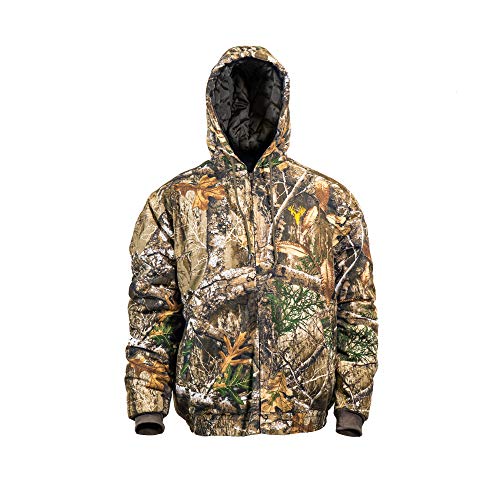
5.HOT SHOT Insulated Twill Camo Hunting Jacket
Polyester fill and quilted lining help keep you warm on cold hunts

6.Drake Waterfowl Hardline 3-in-1 Jacket
Waterproof, windproof shell and removable liner offer seasonal wear

7.CQR HOK817 Tactical Softshell Jacket
Soft fleece lining adds warmth and comfort for cold-weather outings
1. KUIU Guide PRO Hooded Soft Shell Jacket
KUIU Guide PRO keeps wind and light precipitation off hunters during cold-weather outings. Its Primeflex nylon shell offers wind resistance and stretch, while K-DWR water repellency and quick-drying fabric help it handle light rain and snow.
A micro-fleece interior adds a soft layer against the body, and the quiet nylon face helps limit noise while moving through brush. The fabric also balances protection with breathability, which can help during active climbs and hunts.
For changing temperatures, zippered pit vents let you release heat without taking off the jacket. The two-way adjustable storm hood lets you set its fit, while raised hand pockets remain reachable when you wear a pack.
The cut supports movement with enhanced articulation, and an adjustable hem cinch helps tune the fit. A drop-back hem adds coverage, with room to wear the jacket over a base layer and light mid-layer fleece.
The title lists six pockets, giving you several places to carry small hunting essentials. In Verde and X-Large, this shell suits hunters who need a quiet, layer-friendly outer jacket for cold mountain hunts and light rain or snow.
- Wind-resistant, stretchy shell suits cold hunts
- K-DWR helps shed light rain and snow
- Quiet face fabric helps during archery hunts
- Pit zips let you release heat on climbs
- Water resistance is limited to light rain and snow
2. ReFire Gear Soft Shell Hunting Jacket
For hunting in changing weather, the ReFire Gear soft shell jacket combines a waterproof, windproof outer layer with a fleece lining. The listing says it can handle sustained winds up to 45 miles per hour and help keep rain and snow out.
Its medium-weight fleece lining adds warmth for autumn, winter and spring outings. Reeds Camo is the listed color, and the camouflage is intended to help blend into jungle or grassland.
A two-way zipper lets you open or close the front from either end. Underarm vent zippers provide another way to manage airflow, while adjustable wrist cuffs and drawstrings at the waist and hood help tailor the fit.
The hood can roll up when you want it out of the way. Multiple pockets hold small essentials, and large patches on both arms give you places to attach morale patches.
The jacket also suits fishing, hiking, climbing, camping and travel, as well as hunting. It comes in Large in the listed Reeds Camo color, so check the available options if you need another size or pattern.
For hunters who want weather protection, fleece warmth and tactical storage in one shell, this jacket covers several useful bases. Its seasonal range and outdoor-focused features make it a practical option for hunting trips in cool, wet or windy conditions.
- Waterproof, windproof shell handles rain and strong wind
- Fleece lining adds warmth for cold-weather outings
- Underarm vents help release heat during activity
- Multiple pockets and adjustable cuffs add utility
- No major cons
3. NAVEKULL Soft Shell Hunting Jacket
94% polyester and 6% Spandex make up the NAVEKULL jacket’s outer shell, while its lining is 100% polyester. A fleece-filled interior holds warmth, and the dense fabric helps block cold wind during hunting trips.
The water-resistant shell is intended for light rain or snow, so it suits changing outdoor conditions but not heavy downpours. Leaf Camo gives it a woodland pattern for hunting in places such as mountains, swamps and brush.
A two-way zipper opens from either end, and underarm vent zippers let you adjust airflow during active outings. The hood rolls up when you want a more compact setup, while adjustable hook-and-loop wrist cuffs help secure the sleeves.
Several pockets give you places to carry hunting gear, and two hook-and-loop panels sit on the arms. The listing also describes the coat as quiet, though it gives no noise measurement. Its Large size is listed in Leaf Camo.
This jacket also suits fishing, hiking, camping, climbing and paintball, among other outdoor activities. It is a practical choice for hunters who want a camouflaged soft shell with fleece warmth and useful storage for cool, light-wet conditions.
- Fleece lining adds warmth in cold weather
- Dense shell helps block cold wind outdoors
- Water-resistant for light rain or snow
- Two-way zipper and underarm vents aid adjustment
- Roll-up hood and multiple gear pockets
- Water resistance is limited to light precipitation
4. CARWORNIC Quiet Softshell Hunting Jacket
Hunters who need a quiet outer layer get camouflage, wind protection and a fleece lining in this CARWORNIC jacket. Its 100% polyester softshell uses silent fabric to reduce noise in the field, though CP and UCP colors do not use that fabric.
The fleece lining adds warmth for cold-weather outings, while the softshell helps block wind. Its water-resistant protection is intended for light rain or snow, so it suits changeable conditions better than a downpour.
Tree camouflage helps it blend into jungle or grassland surroundings. An underarm vent zipper lets moisture escape, which can help during hikes and other active outdoor work.
Storage comes from seven zipper pockets: two large front pockets, two back pockets, two sleeve pockets and one in the cuff. Two hook-and-loop panels on the sleeves provide places for patches.
The hood has a fleece lining and adjusts to fit, and two main zipper pulls make the front closure convenient. At about 2.2 pounds, this size Large jacket suits hunters and hikers who want a quiet, warm layer for outdoor use.
Beyond hunting, it can also serve for camping, fishing, climbing, skiing, cycling or mountaineering. The light-rain limit and the CP and UCP fabric exception matter most to buyers choosing it as a hunting shell jacket.
- Silent fabric helps reduce noise while hunting
- Fleece lining adds warmth in cold weather
- Seven zip pockets provide varied storage
- Underarm vents help release moisture
- Water protection is limited to light rain or snow
- CP and UCP colors lack silent fabric
5. HOT SHOT Insulated Twill Camo Hunting Jacket
For cold-weather hunts, the HOT SHOT jacket pairs a cotton twill shell with polyester insulation and a quilted polyester lining. Its Realtree Edge pattern suits bird and deer hunting, while the insulated construction adds warmth for outdoor use.
The jacket’s design aims to keep movement quiet, which can help when you’re walking through areas where game may hear you. The camouflage pattern is made to blend with hunting surroundings while remaining visible to people.
An attached hood has a drawcord so you can adjust its fit around your head. Two front handwarmer pockets give you a place to warm your hands, and the elastic waist helps keep the jacket snug against the elements.
A full-length front zipper makes it easy to put on and take off, and the jacket uses YKK zippers. Its cotton shell and polyester fill make this a substantial layer for cold-weather outings.
This model comes in X-Large; the listed size range also includes Medium, Large and XX-Large. It suits hunters who want an insulated camouflage jacket for bird or deer hunts, though the data does not give a weight or temperature rating.
- Insulated lining adds warmth for cold hunts
- Realtree Edge camo suits bird and deer hunting
- Quiet-movement design can help around game
- Hood, handwarmer pockets and snug waist
- Cotton shell may take longer to dry when wet
6. Drake Waterfowl Hardline 3-in-1 Jacket
The 3-in-1 design makes this Drake Waterfowl jacket adaptable as a hunting shell for changing conditions. Its waterproof, windproof, breathable outer layer can be worn with the removable insulated jacket or on its own.
The shell uses 5.6-ounce, 190 GSM, three-layer polyester, with a DWR finish to help water bead off. The hood adjusts at three points, while hook-and-loop cuffs and a double storm-flap zipper help cover openings against wind and moisture.
For colder sits, the inner jacket adds 3 ounces, or 100 GSM, of synthetic down insulation inside a lightweight nylon shell. It packs into its own pocket, so it can go in a blind bag when you want to carry it separately.
Articulated elbows allow freer arm movement while handling a shotgun or hauling gear. Soft micro-brushed tricot lines the hood and collar, and handwarmer pockets have a soft lining for added comfort.
Storage includes large waist pockets and a vertical Magnattach chest pocket, designed for quiet, one-handed access to small field essentials. The jacket comes in Green Timber, and its mix of shell protection and removable warmth suits hunters who need layers they can adjust.
- Waterproof, windproof shell with breathable fabric
- Removable insulated layer adapts to conditions
- Inner jacket packs into its own pocket
- Quiet, one-handed access to chest storage
- No major cons
7. CQR HOK817 Tactical Softshell Jacket
CQR makes this X-Large softshell jacket for hunting and other outdoor work where warmth and freedom of movement matter. Its fleece lining adds insulation for cold-weather activity, while the polyester shell supports active movement.
Zippered pockets keep personal items and essential gear close while you hike, hunt or work outdoors. The jacket’s flexible construction also suits activities that involve climbing or frequent movement.
Hook-and-loop tabs at the cuffs let you adjust the fit around your wrists. That can help retain warmth while keeping the sleeves comfortable as you move.
The Operator Hunting Camo pattern gives it a camouflage look for hunting use. The jacket is also designed for tactical training, motorcycling and fishing, so it can serve beyond time in the field.
This jacket focuses on fleece warmth, adjustable cuffs and pocket storage rather than listing technical weather ratings. CQR describes the polyester shell as water resistant, but the supplied details do not specify a rating or membrane.
For hunters who want a fleece-lined softshell for cold-weather outings, this CQR jacket offers practical storage and adjustable wrists. Its stated uses also make it suitable for hikers and outdoor workers who value flexibility.
- Fleece lining adds warmth for cold-weather outings
- Water-resistant shell helps shed light rain outdoors
- Multiple zippered pockets secure gear while moving
- Adjustable cuffs help retain warmth and improve fit
- No major cons
How to Choose the Best Hunting Shell Jackets
Choosing a hunting shell jacket affects warmth, movement, weather protection, and how quietly you can approach game. Your climate, activity level, layering plan, and budget all shape which features deserve priority, so start with the conditions you face most often.
| If You Need | Look For | Expect |
|---|---|---|
| Wind protection | Close-fitting cuffs and hem | Less airflow, warmer wear |
| Light rain coverage | Water-resistant shell and sealed seams | Limited protection in heavy rain |
| Cold-weather versatility | Removable insulated inner layer | More bulk and higher cost |
| Quiet movement | Soft, brushed outer fabric | Less abrasion resistance |
| Active hiking | Pit zips and breathable fabric | More openings to maintain |
| Organized storage | Zippered pockets in reachable positions | Added weight and bulk |
Weather Protection
Start with the weather you expect, because a shell that suits dry, windy days may leave you wet during sustained rain. Water-resistant coatings shed brief showers, while waterproof construction is better for long exposure.
Look for clear language about waterproofing and seam sealing; a durable water-repellent finish helps water bead on the surface but does not make every jacket waterproof. For wet climates, prioritize waterproof fabric and sealed seams.
Wind resistance helps reduce heat loss while you sit or move through exposed terrain, but a tightly woven shell can feel warm during a steep climb. Match the protection level to your typical hunt, not the worst forecast alone.
Warmth And Layering
A shell jacket may add warmth through fleece lining or insulation, but those features reduce room for extra layers. For changing temperatures, choose a shell that fits over your base layer and the mid-layer you expect to wear.
Light fleece suits active hunts and mild cold, while thicker fleece or synthetic insulation helps during stationary waits. If you regularly move between exertion and long sits, a removable inner layer gives more flexibility than fixed insulation.
Fit matters most when you raise your arms, shoulder a firearm, or bend to handle gear. Try the jacket with your usual layers, and look for enough reach through the shoulders without excess fabric catching on equipment.
Noise And Fabric
Quiet fabric helps you move through brush without drawing attention, especially when game is close. Soft, brushed surfaces are often quieter than crisp, slick shells, though the fabric name alone does not guarantee low noise.
Consider where you hunt and how you move. Slow stalking through nearby cover makes fabric noise a bigger concern, while a windy, open location may put weather protection and warmth ahead of silence.
Stretch helps the jacket follow your body during climbs, crouches, and overhead reaches, while tougher woven fabric may resist snags better. If your route crosses thick brush, prioritize durability; for mobile hunts, favor flexible material.
Breathability And Venting
Breathable fabric lets some body heat and moisture escape, which helps during climbs and brisk walks. A waterproof shell may still feel clammy if you generate heat faster than the fabric releases it.
Pit zips, the openings under the arms, provide direct airflow when you are working hard. They are useful on steep approaches, but opening them reduces weather protection and gives water another route inside.
For mostly stationary hunting, vents may be less important than insulation and wind protection. If your hunt involves long hikes or repeated climbs, choose ventilation you can adjust without taking the jacket off.
Hood And Weather Fit
An adjustable hood helps block wind and light precipitation, but a loose hood can shift, limit your view, or interfere with hearing. Look for adjustments that secure it around your head without squeezing or blocking peripheral vision.
A brim can direct rain away from your face, while a hood that fits over a hat adds warmth and room. Try the hood with your usual headwear and check that you can turn your head freely.
Some hoods fold or roll away, which keeps them out of the way during dry weather. That convenience suits changing conditions, but a stowed hood may take extra time to deploy when rain starts.
Pockets And Access
Pocket placement affects whether you can reach essentials while wearing a pack or carrying other gear. Raised hand pockets sit above a hip belt, while chest pockets are easier to access without unbuckling your pack.
Zippered pockets help secure small items during climbs and crouches, but extra pockets add weight and can create bulk. Choose enough storage for what you carry, rather than judging usefulness by pocket count alone.
Pocket lining also affects comfort and function. Fleece-lined hand pockets warm your hands during cold waits, while plain pockets may dry faster and take less space; decide which use matters more on your hunts.
Fit And Adjustments
A well-fitting jacket seals out drafts without restricting movement or making layering uncomfortable. Check sleeve length, shoulder room, and hem coverage while reaching forward and overhead, since a standing fit alone can hide problems.
Adjustable cuffs and hems help close gaps when wind picks up, while a two-way zipper lets you open the lower front for sitting or reaching. These details improve comfort, but add closures that need regular upkeep.
Sizing varies by cut, so compare garment measurements with your own jacket and follow the maker’s size chart. If you wear bulky insulation underneath, allow room for it without choosing a shell so loose that it catches on brush.
Camouflage And Visibility
Choose a camouflage pattern that fits the terrain and season where you hunt, since woodland patterns may stand out in open grass or snow. Pattern choice is less useful than matching the colors and shapes around you.
Some hunters need high visibility for shared land or specific safety rules, while others need concealment. Check local regulations and the needs of your hunting group before deciding whether a bright safety panel or solid color is appropriate.
Price And Value
Lower-priced jackets often cover basic wind resistance, light rain, and simple storage, but may offer fewer adjustments or less adaptable layering. They suit occasional use in predictable weather when you do not need technical features.
Higher prices often buy stronger weather protection, better ventilation, quieter fabric, or a removable insulated layer. Pay more when those features solve a real problem on your hunts; extra cost alone does not guarantee a better fit.
Compare the jacket’s construction and intended conditions with how often you hunt. A durable, versatile shell may justify a larger budget for frequent use, while a simple jacket is sensible for short outings in mild weather.
Care And Durability
Fabric, zippers, and seams face abrasion from brush, packs, and repeated use, so inspect construction details before buying. Reinforced high-wear areas can extend service life, but heavier materials may feel less comfortable on long walks.
Follow care instructions because detergent, heat, and fabric treatments affect water repellency. A shell may need occasional reproofing after repeated washing, so consider whether you are willing to maintain its weather protection.
Look for a clear warranty and return policy, especially when sizing or weather claims are uncertain. Coverage varies, and normal wear may be excluded, so read the terms before relying on a warranty for repairs.
Frequently Asked Questions
Are these hunting shell jackets battery-powered or heated?
No power source is listed for these jackets. Their warmth comes from materials such as fleece lining, quilted lining, or the removable liner in the Drake Waterfowl Hardline 3-in-1 Jacket.
What materials and weather protection should I look for?
The jackets use different builds: the KUIU Guide PRO has K-DWR and quick-drying fabric for light rain and snow, while the ReFire Gear shell is waterproof and windproof. For warmth, the NAVEKULL and CQR HOK817 have fleece linings, and the HOT SHOT has polyester fill and quilted lining.
What comes in the box with the Drake Waterfowl Hardline 3-in-1 Jacket?
It includes a waterproof, windproof shell and a removable liner. The product details don’t list other included items.
Should I choose the CARWORNIC Quiet Softshell or the HOT SHOT Insulated Twill Camo Jacket?
Choose the CARWORNIC if reducing noise while moving is your priority; its silent fabric is designed for quieter movement. Choose the HOT SHOT if warmth on cold hunts is the priority, as it has polyester fill and a quilted lining.
Which jacket is best for rainy or snowy hunts?
The ReFire Gear is described as waterproof and windproof for rain, while the KUIU Guide PRO’s K-DWR and quick-drying fabric are intended to resist light rain and snow. Check each jacket’s product details for the level of protection you need.
How can I stay warm on cold-weather outings?
Look for insulation or a lining: the HOT SHOT has polyester fill and quilted lining, while the NAVEKULL and CQR HOK817 have fleece linings. The Drake Waterfowl’s removable liner also lets you adjust the jacket for seasonal wear.
So, What Should You Buy?
For most hunters, the KUIU Guide PRO Hooded Soft Shell Jacket is a strong all-around pick, with quick-drying fabric that resists light rain and snow. Choose the ReFire Gear for waterproof, windproof coverage, the NAVEKULL or CQR HOK817 for fleece-lined warmth, or the CARWORNIC if quiet movement matters most.
For cold hunts, consider the HOT SHOT’s insulated, quilted lining; for changing seasons, the Drake Waterfowl’s removable liner adds versatility. Match your jacket to your conditions and priorities, and you’ll be ready to head out.