

A clear sight helps you place shots with greater confidence and spend less time lining up your target. Basic iron sights can work well, but they offer no magnification, and low light or a busy background can make the sight picture harder to read.
A hunting sight gives you a clearer aiming reference suited to your firearm and conditions. Red-dot models place an illuminated dot on the target, while scopes magnify distant targets and use reticles to help guide your aim.
Many sights offer adjustable brightness, durable weather-resistant construction, and simple controls, so you can adapt the view to changing light and keep your setup practical in the field. Some also provide magnification for identifying details at longer distances.
Models vary in sight type, magnification, weight, and battery needs, so consider your firearm and typical hunting conditions. Explore the best hunting sights below to find one that suits your setup.
7 Best Hunting Sights Reviews

1.ATN X-Sight 4K Pro Day/Night Hunting Scope
4K sensor and ballistics calculator help you make informed shots

2.MidTen 4-16×50 AO Hunting Rifle Scope Combo
Four-in-one setup adds a laser, red dot and flashlight for targeting

3.CVLIFE 4×32 Illuminated Crossbow Scope
Six aim points help estimate distance and target from 20 to 70 yards
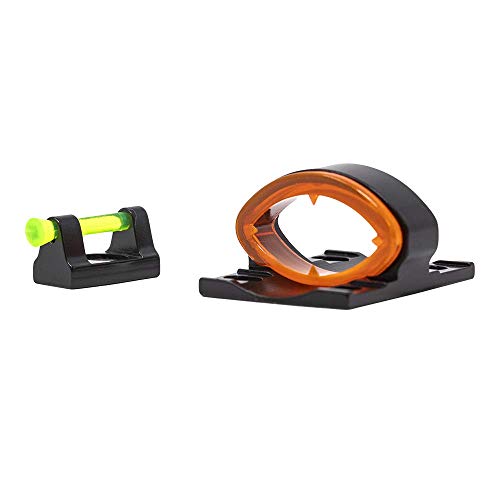
4.Dead Ringer DR4317 Duck Buster Rear Sight
Built-in lead and compass points help gauge when ducks are in range

5.Visiofire Fiber Optic Flip-Up Iron Sights
Red and green fiber optic dots support quick alignment in any light
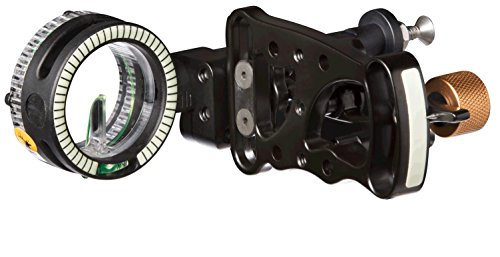
6.Trophy Ridge AS301 Drive 1-Pin Bow Sight
Adjustable indicator pin lets you compensate for changing conditions

7.SOPOGER Single-Pin Bow Sight with 6X Lens
Hand-turn knobs micro-adjust elevation and windage without any tools
1. ATN X-Sight 4K Pro Day/Night Hunting Scope
The ATN X-Sight 4K Pro handles day and night hunting with a 4K sensor and 5–20x magnification. Its 3864×2218 resolution gives you a detailed view, while the Obsidian 4 Dual Core Processor supports the scope’s imaging system.
An enhanced HD night vision mode helps you view targets in darkness. The ballistic calculator accounts for range, wind, angle to target, temperature and humidity, and it supports multiple weapon profiles to help you make shot calculations.
The scope can stream HD video to a mobile device while recording footage to an SD card inside. Recoil Activated Video can also capture footage around the shot, so you can focus on the hunt rather than starting a recording manually.
Battery life is rated at 18 hours or more of continuous operation, useful for extended time in the field. Wi-Fi is listed in the title, and the scope mounts with standard 30mm rings, which are included.
This black scope weighs about 2.2 pounds. Its 5–20x magnification and recording tools suit hunters who want day and night viewing, ballistic calculations and video capture in one sight.
- 4K sensor captures detailed hunting views
- Ballistic calculator covers range and wind
- Streams HD video while recording to SD
- 18-plus-hour battery supports long outings
- About 2.2 pounds adds weight to a setup
2. MidTen 4-16×50 AO Hunting Rifle Scope Combo
For hunting in changing light, the MidTen 4-in-1 sight combines an adjustable 4-16×50 scope, a red dot sight, a green laser and a flashlight. The scope’s AO adjustment and 4-16x magnification give you options for viewing at different distances.
The scope has red and green illuminated range-finding reticles, each with five brightness levels. Its separate red and green dot sight offers four dot sizes, so you can choose among the included reticle options.
For low-light use, the flashlight has five brightness modes. The Class IIIA laser has an independent switch, an output under 2mW and a stated range of over 300 meters.
The holographic dot sight provides four illuminated reticle patterns in red and green. The listing gives its distance as about 200 to 500 meters and describes it for close-range and moving targets.
A built-in 22mm rail fits a 22mm Picatinny rail. Fingertip turrets adjust windage and elevation in audible quarter-MOA clicks, while the integrated optics and electronics provide a wide field of view.
At about 2.6 pounds, this green combo adds several sighting options but also adds weight to a rifle. It suits hunters who want a scope, dot sight, laser and flashlight together in one setup.
- Four sighting tools cover varied hunting needs
- Five flashlight levels help in low light
- Red and green reticles offer five brightness levels
- Laser reaches over 300 meters
- About 2.6 pounds adds weight to a rifle
3. CVLIFE 4×32 Illuminated Crossbow Scope
Six aim points and 4x magnification give the CVLIFE crossbow scope a practical setup for hunting at varied distances. Its reticle uses a 20-yard zero and six horizontal reference lines to help estimate range and aim from 20 to 70 yards.
The scope fits crossbows rated from 250 to 350 feet per second. Although the title mentions use out to 100 yards, the supplied reticle details specify aim points and range estimates through 70 yards.
Red and green illumination each offer five brightness levels, giving you options for low-light aiming. Fully multi-coated lenses support edge-to-edge viewing and low-light performance, while the etched-glass reticle keeps its aiming marks in the optic.
Its nitrogen-purged, O-ring-sealed body resists fog and water. The maker also says the aircraft-grade aluminum construction withstands shocks up to 800G, a useful feature for a hunting sight carried in the field.
The black scope weighs about 11 ounces and measures about 7.7 inches long. The set includes 20mm scope rings for mounting, two flip-up caps to cover the lenses, and two batteries for the illuminated reticle.
This compact sight suits crossbow hunters who want magnification, several aiming references and adjustable reticle lighting. Check that your crossbow falls within the stated 250-to-350-FPS range and that the reticle’s 20-to-70-yard references fit your needs.
- Six aim points support varied hunting distances
- Five red and green brightness levels aid low-light aiming
- Sealed, nitrogen-purged body resists fog and water
- Includes 20mm rings, caps and two batteries
- Reticle references cover only 20 to 70 yards
4. Dead Ringer DR4317 Duck Buster Rear Sight
Newcomer duck hunters get a rear oval sight designed to help judge a bird’s distance and set up a consistent aim. The orange ring has large compass points that provide a visual reference as you bring the shotgun to the target.
When a bird’s wings touch both compass points horizontally, the sight indicates an estimated distance of about 30 to 35 yards. That range falls within the kill zone range of most shotguns, according to the product description.
The low-profile mount and small optical locating devices suit hunting in varied weather. Its T-6 aircraft-grade aluminum base and optical Lexan ring form the sight, while the bright orange color and large points help with viewing in low light.
You can adjust the sight for windage and elevation by turning a key. The adjustment lets you account for horizontal and vertical aim, and the mounting system is described as easy to install.
This black sight weighs about 0.01 pounds. Its main purpose is to encourage a consistent shooting posture, which may also help experienced hunters revisit their form and core shooting principles.
For hunters who want a visual aiming aid rather than a complex setup, the Duck Buster offers distance guidance and adjustable aim. It suits newcomers learning their shooting position as well as seasoned waterfowl hunters refining it.
- Estimates 30–35 yards using wing alignment
- Windage and elevation adjust with a key
- Bright orange ring aids low-light viewing
- T-6 aircraft-grade aluminum sight base
- Distance estimate depends on wing alignment
5. Visiofire Fiber Optic Flip-Up Iron Sights
On a rifle or shotgun with a Picatinny rail, these Visiofire sights provide front and rear backup aiming points that fold down when you need space for an optic. They rise about 2 inches above the rail when deployed.
Red and green fiber-optic dots help you line up the front and rear sights in different lighting conditions. The dual-aperture rear sight lets you switch between close-quarters and precision shooting, while tool-free windage and elevation adjustments help you set the aim.
A spring-loaded mechanism pops the sights up when you press the release button. The set fits M-LOK Picatinny rails and is described as compatible with rifles and shotguns, so check your rail setup before buying.
The sights use aviation-grade aluminum alloy with a black matte finish and hard anodizing. The package includes one front sight, one rear sight, three hex wrenches, a rail section, a plastic case and instructions.
For hunters who want backup sights alongside an optic, the folding design leaves room on the rail when not in use. The red and green aiming dots and adjustable rear sight may also suit shooters who want to change their sight picture for different situations.
- Red and green dots aid sight alignment
- Tool-free windage and elevation adjustment
- Folding sights leave room for an optic
- Dual apertures switch between shooting styles
- Compatibility depends on an M-LOK Picatinny rail
6. Trophy Ridge AS301 Drive 1-Pin Bow Sight
The precision-installed bubble level helps align the Trophy Ridge Drive sight before a shot. Its right-hand, one-pin slider design gives bow hunters a single aiming point, while the level helps check that the bow sits straight.
The adjustable indicator pin lets you make fine changes to the sight setting as conditions shift. That adjustment can help you set an aiming point for the shot rather than relying on one fixed position.
Its vertical fiber-optic pin measures .029 inches and uses a bright aiming point to help you focus on the target. The larger pin size may be easier to pick out while you line up a shot.
Nylon bushings guide the slider’s movement without metal parts rubbing together. That design keeps adjustments smooth and quiet, a useful trait when changing the sight setting in the field.
The sight comes with a sight light, so both the sight and its light are included in the package. Its black finish and one-size listing keep the setup straightforward, though the supplied details do not give a sight range or adjustment increments.
For bow hunters who want a single-pin slider with fine adjustments, a bubble level and a quiet-moving sight, this model covers those needs. It suits right-handed archers who prefer to set one aiming point for a shot.
- Adjustable pin supports fine sight changes
- Bubble level helps align the bow
- .029-inch vertical fiber pin aids aiming
- Nylon bushings allow smooth, quiet movement
- Sight light comes included with the sight
- No major cons
7. SOPOGER Single-Pin Bow Sight with 6X Lens
SOPOGER makes this right-hand compound bow sight for target shooting and hunting, with a 6X scope lens for aiming through the sight. It comes in a single-pin or five-pin version, and this one has one pin.
The .019-inch fiber-optic pin works with a standard 3/8-32 LED sight light to improve visibility. A green glow-in-the-dark aiming frame adds another point of reference in dusty conditions, while the light helps brighten the pin.
You can turn the elevation and windage knobs by hand to make fine adjustments, with a click marking each change. Engraved scales help you note settings and return to them without relying on sight tape.
The included 1.75-inch, or 45mm, 6X scope lens gives a magnified view for aiming. Its surface is described as smooth, and the universal 45mm lens can be replaced to suit different requirements; a suitable clarifier can also be used with it.
Two mounting positions sit along the 8-inch arm, and a quick-adjust knob changes its length for sighting at longer distances. The CNC-machined aluminum alloy body is described as waterproof and fogproof, and the sight weighs about 0.6 pounds.
The package includes the sight, 6X lens, sight light and cover. This is our final pick, suited to right-handed archers who want magnification, hand-adjusted settings and a choice of pin layouts in a hunting sight.
- 6X scope lens magnifies the aiming view
- Hand knobs adjust elevation and windage
- Fiber-optic pin and LED light aid visibility
- Adjustable arm length suits longer-distance sighting
- The included setup has only one pin
How to Choose the Best Hunting Sights
Choosing a hunting sight affects how quickly you acquire a target, how accurately you aim, and how well the setup suits your firearm or bow. Your weapon, hunting distance, light conditions, mounting system, and budget should guide the choice.
| If You Need | Look For | Expect |
|---|---|---|
| A rifle sight for varied distances | Variable magnification and reliable adjustments | More weight and setup time |
| A crossbow sight for known ranges | Speed-matched reticle and yard marks | Less flexibility outside marked ranges |
| A simple shotgun aiming aid | Low-profile bead or rear ring | Limited distance adjustment |
| Backup sights for a rail-mounted optic | Folding sights and matching rail fit | Extra height and mounting space |
| A bow sight for changing distances | Slider and adjustable single pin | More practice before hunting |
| A bow sight for quick aiming | Multiple pins and clear spacing | Less precise long-range adjustment |
| Low-light aiming | Illuminated reticle or fiber optics | Batteries or brightness trade-offs |
Match The Sight To Your Weapon
Start with the weapon and sight type, because a rifle scope, crossbow scope, shotgun sight, rail-mounted backup sight, and bow sight serve different jobs. Choose a sight designed for your platform rather than adapting a mismatched style.
For a bow, decide between fixed pins and a movable single pin; for a crossbow, look for a reticle suited to its speed. Rifle scopes suit magnified aiming, while simple shotgun sights keep the sight picture open at close range.
Mounting standards differ, so confirm rail width, ring diameter, hole pattern, and hand orientation before buying. A bow sight made for a right-handed archer may not fit your setup comfortably, and a rail sight needs the correct mounting surface.
Magnification And Distance
Magnification helps you see distant targets, but higher power narrows the field of view and makes movement more noticeable. A variable rifle scope suits changing distances, while a fixed-power crossbow scope is simpler for its intended range.
For bow hunting, a single pin or modest sight picture often supports quick aiming at familiar distances. A magnifying lens enlarges the target, but it also magnifies hand movement and requires careful alignment.
Think about your usual hunting distance, not the longest distance printed on a sight. A shotgun rear sight is generally a close-range aid, while a rifle scope or adjustable bow sight serves a wider distance range.
Reticle And Aim Points
Reticles vary from a single dot or pin to several marks for different distances. Multiple aim points speed up aiming when ranges are known, but you need to learn what each mark represents with your specific setup.
A single pin offers a clear aiming point and lets you adjust for distance, though changing its setting takes time. Fixed pins are faster for familiar distances, but they can clutter the view and leave gaps between marked ranges.
Crossbow reticles may use range references tied to a particular bolt speed. Match the stated speed range to your crossbow, then confirm the marks at a safe practice range before relying on them in the field.
Light And Visibility
Fiber-optic pins gather available light and stand out without a battery, which suits straightforward bow aiming. Their brightness depends on lighting, so a sight light or illuminated option helps when dawn or dusk makes the pin hard to see.
Illuminated reticles use colored light to remain visible against dark backgrounds, but brightness control is important. Too much illumination can blur the aiming point, while a dim setting may disappear in bright conditions.
Consider how you hunt and what the sight allows you to adjust. Battery-powered illumination adds a replacement and storage task, while non-powered sights avoid that upkeep but offer less control over visibility.
Adjustments And Zeroing
Windage moves the aiming point left or right, while elevation moves it up or down. Clear, repeatable adjustments make zeroing easier and help you correct aim when distance or conditions change.
For a slider bow sight, look for readable distance marks and a secure adjustment mechanism. A movable sight helps with varied ranges, but it requires practice and a consistent routine before each shot.
A rifle or crossbow scope needs a dependable way to hold its zero after adjustment and transport. Follow the maker’s mounting instructions, then confirm the point of impact at the distances you expect to hunt.
Field Of View And Aiming Speed
A wide, uncluttered sight picture helps you find a moving target, especially at close range. Higher magnification and crowded reticles can slow target acquisition, so balance detail against how quickly you need to aim.
Folding backup sights stay out of the way when lowered, then deploy when needed. Their added height and extra parts take space on the rail, so confirm they clear other equipment and remain usable from your normal position.
A low-profile shotgun sight keeps the sight picture simple, while a large bow-sight lens can help you see the target. Choose based on your weapon and practice stance, since a larger viewing area does not replace proper alignment.
Fit, Weight, And Durability
A sight adds weight and may change how your weapon balances, which matters during long walks or repeated bow holds. Compare the complete setup, including rings, rails, lights, and batteries, rather than the sight alone.
Aluminum bodies and shock ratings can indicate how a sight is built, but they do not guarantee it will suit every firearm or crossbow. Look for secure mounting, protected adjustment points, and materials suited to rain, dust, and field handling.
Check that the sight’s height and eye position work with your stock, helmet, or shooting stance. A setup that forces an awkward head position can slow aiming and make repeated shots less comfortable.
Mounting And Included Parts
Confirm whether the sight includes the rings, rail section, or mounting hardware your setup needs. A low purchase price loses value if you must buy extra parts or discover the mount does not match your rail.
Some sights need a specific ring diameter or rail standard, while others attach directly to a compatible base. Read the fitting details closely, and leave room for neighboring optics, lights, or other accessories.
For bow sights, confirm the arm length, mounting positions, and handedness. A longer arm can place the sight farther from the riser, but it may add bulk and need more care during transport.
Price And Value
Lower-priced sights typically cover basic aiming needs, simpler adjustments, or fewer illumination options. They suit occasional use and straightforward setups, provided the mount fits and the reticle matches your expected distances.
Higher prices often bring more adjustment range, magnification, durable construction, or added features such as a range-focused reticle. Pay extra when those features address a real need, not simply because a sight offers more settings.
Include the cost of batteries, rings, tools, or compatible mounting parts when comparing prices. A simpler sight may be the better value if it covers your normal hunting distances and requires less setup.
Practice And Maintenance
Plan time to mount, zero, and practice with any new sight before hunting. Reticle marks and bow pins depend on your own weapon setup, so published distance references are starting points rather than a substitute for confirmation.
Keep lenses clean and protect the sight from impacts and moisture during storage. For illuminated models, carry suitable spare batteries, and verify that adjustments and mounting screws remain secure after transport.
Read the warranty terms and confirm what damage or parts they cover, since coverage differs by maker. A longer warranty is useful for costly equipment, but it does not replace correct installation or routine care.
Frequently Asked Questions
Which hunting sights need batteries?
The ATN X-Sight 4K Pro is an electronic day/night scope, and the MidTen combo includes a laser, red dot, and flashlight, so check their product details for power requirements. The CVLIFE, Dead Ringer, Visiofire, Trophy Ridge, and SOPOGER sights use optical or mechanical aiming features rather than the listed electronic functions.
What should I consider about materials and build?
The product details highlight each sight’s aiming features, but do not specify materials or construction. Check the manufacturer’s specifications for durability and compatibility with your hunting setup.
What comes in the MidTen 4-16×50 AO Hunting Rifle Scope Combo?
It is described as a four-in-one setup with a scope, laser, red dot, and flashlight. Check the listing for the exact included accessories and power source.
Should I choose the Trophy Ridge AS301 or the SOPOGER Single-Pin Bow Sight?
Choose the Trophy Ridge AS301 if you want an adjustable indicator pin to compensate for changing conditions. The SOPOGER offers hand-turn knobs for tool-free micro-adjustments to elevation and windage, plus a 6X lens.
How do I estimate distance with the CVLIFE 4×32 Illuminated Crossbow Scope?
Its six aim points are designed to help estimate distance and target from 20 to 70 yards. Use the product’s instructions to understand how to align those points for your setup.
What are the Dead Ringer Duck Buster’s lead and compass points for?
The built-in lead and compass points help gauge when ducks are in range. Follow the manufacturer’s guidance for using them to aim.
Which sight is designed for quick alignment in different lighting?
The Visiofire Fiber Optic Flip-Up Iron Sights use red and green fiber optic dots to support quick alignment in any light.
So, What Should You Buy?
For most hunters, the ATN X-Sight 4K Pro is the strongest all-around pick, pairing a 4K sensor with a ballistics calculator. For value and a versatile setup, choose the MidTen combo; crossbow hunters may prefer CVLIFE’s six aim points, while duck hunters should consider Dead Ringer’s lead and compass points.
Need quick alignment? Pick Visiofire’s fiber-optic sights. Bow hunters can choose Trophy Ridge for an adjustable indicator pin or SOPOGER for tool-free micro-adjustments and a 6X lens. Choose the model that best fits your hunt.