

Cool, comfortable feet can help you stay focused through long hunts in warm weather. Regular cotton socks often hold sweat against your skin, leaving your feet damp and prone to rubbing, while thick everyday socks can trap extra heat.
That’s where hunting socks made for hot weather can help. Lightweight, breathable fabrics move moisture away from your skin and let heat escape, so your feet feel drier inside your boots. A snug fit also helps limit bunching as you walk.
Many pairs add mesh zones for airflow, cushioned soles for comfort on long treks, and reinforced heels and toes to handle regular wear. Some use odor-resistant fibers, which help keep socks fresher between washes.
Materials, cushioning, height, and fit vary, so consider your boots, usual terrain, and how warm your hunts get. Explore the best hunting socks for hot weather below to find a pair that suits your days outdoors.
7 Best Hunting Socks for Hot Weather Reviews

1.Smartwool Hunt Extra Cushion Tall Crew Socks
Indestructawool technology reinforces high-impact zones for durability
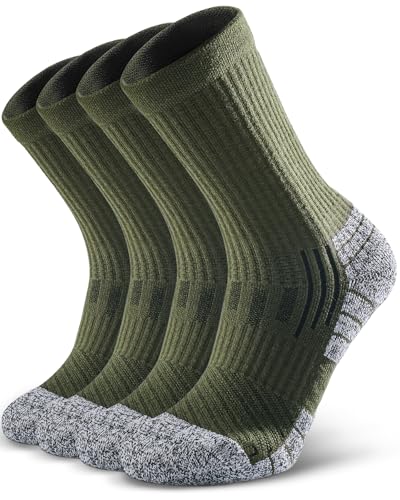
2.NSRRUN TURTLE Hiking Socks, 2 Pairs
Breathable mesh and quick-dry soles help keep feet dry and limit odor

3.Smartwool Hunt Classic Camo Tall Crew Socks
Full cushioning adds warmth and impact protection on rugged trails

4.First Lite Early Season Merino Crew Socks
Breathable Lycra panels boost airflow to help keep feet cool and dry

5.Twistover Wool Military Boot Socks, 8 Pairs
20% wool blend and terry soles provide warmth, comfort, and protection
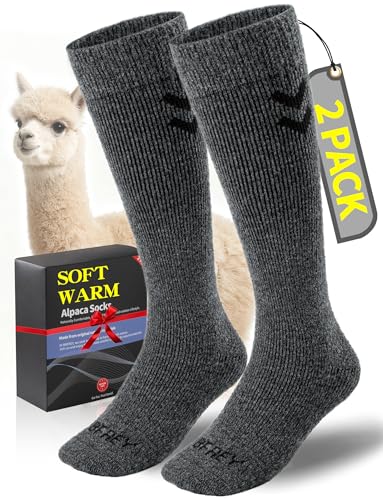
6.Bbfrey Alpaca Over-The-Calf Boot Socks
Moisture-wicking alpaca fibers help keep feet dry and comfortable

7.Polar Extreme Thermal Hiking Socks, 2 Pack
Insulated warmth helps keep feet comfortable in frigid conditions
1. Smartwool Hunt Extra Cushion Tall Crew Socks
Smartwool Hunt Cold Weather socks are tall crew socks made for extra cushioning on long days outdoors. Their Merino wool blend and breathable mesh zones offer warmth while helping air move around your feet.
The fabric combines Merino wool, nylon and elastane. Extra cushioning adds padding underfoot, while strategic stretch helps the socks stay comfortably in place during hikes, runs and everyday wear.
Indestructawool technology reinforces high-impact areas, which can help the socks handle repeated use. The 4 Degree Elite Fit System provides a secure fit, and the socks include blister protection for active days on your feet.
Mesh zones support breathability, a useful feature when activity warms your feet. Still, these socks are labeled for cold weather and extra warmth, so hunters looking for a hot-weather option may prefer a lighter sock.
They come in black and Large, with a tall crew cut. Machine wash them in cold water on a gentle cycle with similar colors, then lay them flat to dry.
These socks suit hunters who want cushioning, a secure fit and reinforced wear zones, especially in cooler conditions. For hot-weather hunts, their cold-weather focus and extra cushioning may feel warmer than some buyers want.
- Merino wool blend offers warmth and breathability
- Reinforced high-impact zones support repeated wear
- Secure fit and stretch help limit sock movement
- Extra cushioning supports long days on foot
- Cold-weather cushioning may feel warm in heat
2. NSRRUN TURTLE Hiking Socks, 2 Pairs
For hot-weather hunts, these NSRRUN TURTLE crew socks pair breathable mesh with quick-drying soles to help manage moisture. They come in a two-pair pack, in medium size and green, with thick terry cushioning and arch support for long hours outdoors.
The socks use modal for a soft feel and warmth, so they lean toward cooler conditions rather than hot-weather use. Their thick construction may feel too warm during active hunts in high temperatures, though the mesh and quick-dry sole fabric can help feet stay drier.
Thick terry cushioning adds padding underfoot, while arch support helps the fit feel more secure during walking and other outdoor activities. The product is listed for hunting, hiking, work and everyday wear, so the pair can also serve beyond time in the field.
Enhanced mesh promotes airflow, and the soles use quick-dry fabric to handle moisture. Those features may help reduce odor, but the listing gives no temperature or drying-time figures, so buyers should not expect a specific level of cooling or moisture control.
The package includes two pairs, and the listed size is medium. NSRRUN TURTLE says it offers various sizes, so check the available options if medium does not suit you; these socks best fit hunters who want cushioning and support in mild or cold conditions.
- Thick terry cushioning pads feet on long outings
- Arch support helps during extended outdoor wear
- Mesh and quick-dry soles help manage moisture
- Thick thermal build may feel warm in hot weather
3. Smartwool Hunt Classic Camo Tall Crew Socks
Merino wool provides the main appeal of the Smartwool Hunt Classic socks, but their full cushioning and warm construction may suit cool-weather hunts better than hot ones. Tall crew coverage fits a range of hunting boots and helps reduce rubbing.
Full cushioning runs throughout the sock, adding warmth and impact protection on rugged trails. Indestructawool zones support durability, while the 4 Degree Elite Fit System helps hold the sock in place during long walks.
An elasticized arch and ankle add a secure fit, and the Achilles strap offers extra support in that area. The Virtually Seamless toe reduces bulk at the front, which can help limit irritation inside boots.
The tall cut covers more of the lower leg and works with different hunting boot styles. Chestnut is the listed color, and this X-Large pair can go in the washing machine on a gentle cold or warm cycle.
For hot-weather hunting, the full cushioning and emphasis on warmth could feel like too much insulation. These socks make more sense for hunters who want cushioned coverage and a snug fit, especially in cooler conditions.
- Full cushioning adds warmth and impact protection
- Merino wool suits long days on rugged trails
- Fit system helps keep socks secure in boots
- Virtually Seamless toe helps reduce irritation
- Full cushioning may feel warm in hot weather
4. First Lite Early Season Merino Crew Socks
Hunters and outdoor workers in warm conditions get a lightweight merino wool sock designed for hot-weather use. Its moisture-wicking wool helps manage dampness during early-season hunts, while natural odor resistance suits long days in the field.
Light cushioning under the heel and toes adds comfort and protection without heavy padding. That lighter feel can help during warm-weather outings, when thick socks may hold more warmth than you want.
Breathable Lycra panels sit across the sole, top of the foot and ankle to encourage airflow. The design aims to keep feet cooler and drier inside men’s hiking boots during hunts or active outdoor work.
The eight-inch crew height gives the lower leg coverage with boots, including during food plot work and backcountry elk hunting. Its Conifer color and Medium size are listed in the product specifications.
Made in the USA, these socks use a merino wool and nylon blend. The lightweight construction and cushioning make them suited to hunters who need boot coverage without bulky padding.
For warm-weather hunting, this pair focuses on moisture control, airflow and light cushioning rather than heavy insulation. It suits hunters and outdoor workers who want an eight-inch boot sock for early-season activity.
- Lightweight merino wool suits hot-weather hunts
- Moisture-wicking fabric helps manage damp feet
- Lycra panels encourage airflow in boots
- Light heel and toe cushioning avoids bulk
- No major cons
5. Twistover Wool Military Boot Socks, 8 Pairs
For hunting in warm weather, these mid-calf socks offer moisture-wicking breathability alongside a cushioned terry sole. Their blend of 20% wool, 78% polyester and 2% spandex is designed to help regulate foot temperature and move moisture away during outdoor activity.
The thickened terry sole adds cushioning and warmth, which may suit hunters wearing boots for long stretches. The wool blend is also described as soft and durable, with minimal shrinkage, though its extra warmth may be less appealing on hot days.
Smooth toe seams help limit rubbing inside boots, while the snug cuff is designed to stay up rather than slip down. The elastic, one-size-fits-most design accommodates men’s shoe sizes 7 to 12, so fit may vary across that range.
Each pair has an 11.8-inch shaft, making the socks a mid-calf option for tactical, hiking and other high boots. They can also be worn with running shoes or for everyday use, although the cushioned, warm construction is geared more toward boot wear.
The package includes eight pairs in Military Olive Green, giving hunters replacements for regular rotation. At about 1.6 pounds for the set, they offer multiple pairs in one purchase. These socks suit hunters who want boot coverage and moisture management, but may prefer lighter socks in hot conditions.
- Eight pairs support regular rotation and replacement
- Moisture-wicking wool blend helps manage damp feet
- Cushioned terry soles add comfort in boots
- Smooth toe seams help reduce rubbing
- Thick, warm construction may feel hot in summer
6. Bbfrey Alpaca Over-The-Calf Boot Socks
Moisture control matters on warm hunts, and these Bbfrey over-the-calf socks use alpaca fibers to wick moisture away from your feet. Their thick thermal construction targets cold-weather use, so they may feel too warm for hunters seeking lightweight socks for hot conditions.
The socks use soft baby alpaca fibers with little to no lanolin. That makes them a possible choice for people who find some wool itchy, while the over-the-calf length covers more of the leg inside boots.
Alpaca fibers provide insulation, which suits cold hunts and winter outings better than hot-weather use. The material also dries quickly and breathes, helping move moisture away during wear; the listing does not give a drying time or a temperature range.
This two-pair set comes in dark grey and size 9–12. The title also lists hiking, hunting, skiing, running, casual wear and work as possible uses, though its thick build is aimed at thermal comfort rather than heat relief.
For buyers choosing hunting socks specifically for hot weather, the moisture-wicking and breathable fibers are useful points, but the warm insulation is a trade-off. These socks suit hunters who want over-the-calf coverage and warmth for colder conditions, rather than a thin sock for summer heat.
- Breathable alpaca fibers wick away moisture
- Quick-drying material helps manage damp feet
- Soft baby alpaca has little to no lanolin
- Over-the-calf coverage suits boots and cold hunts
- Thick thermal build may feel warm in hot weather
7. Polar Extreme Thermal Hiking Socks, 2 Pack
Polar Extreme makes thermal hiking socks for cold-weather boots, so this two-pack is aimed at keeping feet warm rather than handling hot-weather hunts. The title describes insulated warmth, while the maker says the socks are intended for frigid conditions.
The listing names skiing, snowboarding and hiking as activities for these socks. That makes them a cold-weather option for outdoor trips when insulated socks matter more than keeping feet cool in heat.
The product comes in one size that fits most, and both pairs share a brown camouflage color. That pattern may suit hunters who want socks that coordinate with camouflage boots or clothing.
The listing describes the socks as made with high-quality materials and construction, but it does not identify the fiber content or explain how the material manages sweat. Buyers planning for hot weather should weigh that missing detail against the stated insulation.
No thickness, cushioning, temperature rating or breathability figures appear in the specifications. The available details therefore give little basis for judging comfort during warm hunts beyond the title’s cold-weather focus.
For hunters who need insulated socks for cold-weather hikes, the two-pair pack may fit the job; hot-weather hunters should consider that its stated purpose is warmth. As the roundup’s final pick, it suits people who want brown camouflage socks for cold outdoor activities.
- Two pairs provide a spare for outdoor trips
- One size fits most simplifies choosing a size
- Brown camouflage suits hunting clothes and boots
- Insulated warmth targets cold, not hot weather
How to Choose the Best Hunting Socks for Hot Weather
Hot-weather hunting socks need to move sweat, dry between hikes, and protect feet inside boots without adding unnecessary heat. Your climate, boot height, walking distance, fit, and tolerance for cushioning all shape which features deserve priority.
| If You Need | Look For | Expect |
|---|---|---|
| Less heat on long hikes | Lightweight, breathable knit | Less padding underfoot |
| Sweaty feet | Wicking fibers, mesh zones | Faster drying, more airflow |
| Fewer hot spots | Smooth toe, secure fit | Closer fit, less fabric movement |
| Protection from boot rub | Crew height above boot | More coverage, slightly warmer legs |
| Rough, rocky trails | Reinforced heel and toe | Added durability, some extra weight |
| A low-cost rotation | Multipack, washable fabric | Lower cost per pair, fewer premium fibers |
Fiber and Heat
For warm hunts, lightweight fibers and an open knit help heat escape, while thick thermal yarns hold warmth around your feet. Look for socks labeled lightweight or early-season, rather than winter or thermal styles.
Merino wool blends can move moisture and resist odor, while nylon adds strength and elastane helps the sock stay fitted. Thin synthetic blends often dry quickly, but fiber percentages and knit density matter more than the fiber name alone.
Cotton holds sweat and dries slowly, which can leave damp fabric against your skin during a long walk. For hot, humid hunts, prioritize wool blends or synthetic performance fibers, and avoid thick cotton-rich socks.
Moisture and Drying
Sweat management affects comfort as well as temperature, because wet skin is more likely to rub inside a boot. Look for wicking claims alongside a lightweight knit, rather than relying on the word “breathable” by itself.
Mesh panels, especially across the top of the foot, let warm air escape where boots may trap it. They suit dry, hot conditions, but open panels offer less coverage from grit than a denser knit.
Quick-drying fabric helps after creek crossings or heavy sweating, but drying speed depends on the whole sock and the weather. A thin pair is easier to dry overnight than a thick, heavily cushioned one.
Cushioning and Thickness
Light cushioning at the heel and toe adds protection where a boot presses most, without covering the entire foot in thick fabric. This level suits warm-weather hunters who want some padding but need to limit heat buildup.
Full cushioning can soften long miles on rough ground, but it adds insulation and takes longer to dry. Choose it when boot fit leaves room and foot protection outweighs staying as cool as possible.
For close-fitting boots, thin or lightly padded socks usually leave more space for toes and reduce pressure. Extra padding is not automatically more comfortable; crowded boots can increase rubbing and make feet feel hotter.
Fit and Blister Control
A secure fit limits fabric bunching, which helps reduce friction during climbs and long stalks. Look for stretch through the foot and ankle, plus a shaped heel that stays seated when you walk.
A smooth toe seam reduces rubbing at the front of the boot, especially when your feet swell in heat. If seams bother you, favor low-profile or seamless toe construction over thick stitching.
Arch bands and heel-locking panels keep the sock from sliding, but overly tight compression can feel uncomfortable. Pick a close, supportive fit that does not leave deep marks or restrict toe movement.
Height and Boot Match
Sock height should extend above the boot collar, so the boot rubs the sock rather than bare skin. Crew height suits many hunting boots, while taller cuts provide extra coverage against brush and boot shafts.
A taller sock covers more skin but also adds warmth around the calf, which may feel excessive in high temperatures. Match its height to your boot and terrain instead of choosing the longest option by default.
Low-cut socks may suit trail shoes, but they often leave skin exposed to taller boots and vegetation. Before buying, compare the sock’s stated height with the boot collar and your preferred amount of leg coverage.
Durability and Construction
Repeated boot friction wears most quickly at the heel, toe, and sole, so reinforced zones can extend useful life. Look for targeted reinforcement rather than assuming a thick sock will resist wear better.
Nylon blends and tightly knitted high-wear areas often handle frequent use better than delicate, lightweight fabric alone. For rough terrain or daily hunting, a modest increase in material strength can be worth a little extra warmth.
Care instructions also affect lifespan, especially for wool blends that may shrink or lose shape in hot washing. Follow the label, and consider whether you are willing to air-dry socks before choosing a less convenient fabric.
Odor and Rotation
Natural odor resistance in wool can help during multi-day trips, but it does not replace washing or changing damp socks. It is most useful when resupply is limited and you need socks to stay wearable between camps.
A spare dry pair gives you a simple way to reduce moisture during long hunts. Multipacks lower the cost per pair, though their fibers, cushioning, and fit may not match the needs of every boot.
For a single-day hunt, prioritize the pair that fits your boots and dries well. On longer trips, favor easy care and enough pairs to rotate, since no odor-control claim keeps sweaty socks fresh indefinitely.
Size and Fit
Use the maker’s size chart and compare it with your usual shoe size, since a loose sock can bunch and a tight one can squeeze toes. Avoid assuming that “one size fits most” will suit every foot.
Try to account for foot swelling later in the day, especially during hot-weather hikes. Your toes should move freely, while the heel stays in place and the fabric lies flat underfoot.
If you wear different boot liners or insoles, judge sock thickness with that full setup in mind. A size that fits a casual shoe may feel too tight inside a snug hunting boot.
Price and Value
Lower-priced multipacks often use simpler blends and basic cushioning, making them useful for frequent rotation or backup pairs. Check the fabric, construction, and size range before treating a larger pack as better value.
Higher-priced socks may offer finer wool blends, targeted reinforcement, or smoother seams, which can help on long hunts. Paying more makes sense when those details solve a specific fit, durability, or moisture problem.
Price alone does not predict comfort in hot weather, and extra insulation may be a poor trade for warm climates. Compare cost per pair alongside fabric weight, care needs, and the features your boots actually require.
Frequently Asked Questions
Which of these socks are best suited to hot-weather hunting?
The First Lite Early Season Merino Crew Socks have breathable Lycra panels to boost airflow, while the NSRRUN TURTLE Hiking Socks feature breathable mesh and quick-dry soles. Both are geared toward helping feet stay cool or dry.
What materials and construction features should I compare?
The options include merino wool, alpaca fibers, and a 20% wool blend, with features such as cushioning, terry soles, and reinforced high-impact zones. For durability, the Smartwool Hunt Extra Cushion Tall Crew Socks use Indestructawool technology.
What comes in each package?
The NSRRUN TURTLE Hiking Socks come in a 2-pair set, the Twistover Wool Military Boot Socks come in an 8-pair set, and the Polar Extreme Thermal Hiking Socks come in a 2-pack. The listed details do not specify pack quantities for the other socks.
Should I choose the First Lite Early Season Merino Crew Socks or the Smartwool Hunt Classic Camo Tall Crew Socks?
Choose the First Lite pair if airflow and keeping feet cool and dry are priorities. The Smartwool Hunt Classic Camo pair has full cushioning for warmth and impact protection on rugged trails.
Are any of these socks designed for cold conditions?
Yes. The Polar Extreme Thermal Hiking Socks offer insulated warmth for frigid conditions, while the Twistover socks combine a wool blend and terry soles for warmth and comfort.
How can I limit moisture and odor during a hot hunt?
Consider socks with moisture-management features: the NSRRUN pair has breathable mesh and quick-dry soles, and the Bbfrey socks use moisture-wicking alpaca fibers. The First Lite pair’s breathable panels are designed to help feet stay cool and dry.
So, What Should You Buy?
For most hunters, the First Lite Early Season Merino Crew Socks are the hot-weather pick: breathable Lycra panels help keep feet cool and dry. Choose NSRRUN for quick-drying soles and two pairs, or Twistover for an eight-pair value pack with terry soles.
For rugged trails, Smartwool Hunt Extra Cushion adds durability in high-impact zones; choose Bbfrey for moisture-wicking alpaca fibers. If warmth matters more than staying cool, Smartwool Hunt Classic Camo or Polar Extreme suits colder conditions. Pick the pair that matches your hunt.