

Clear hearing helps you notice distant calls, follow conversation in camp, and stay tuned to the sounds around you. Without an amplifier, quiet cues can be hard to pick out; regular earbuds play audio but don’t gather and boost nearby sounds for you.
That gap is where a hunting sound amplifier can help. Small microphones pick up nearby sounds and send them to speakers in or over your ears, making subtle noises easier to hear while keeping your hands free.
Many models offer adjustable volume, directional microphones that help focus on sounds ahead, and noise reduction that softens sudden loud sounds. Comfortable fits and compact designs also make longer outings easier, while simple controls let you adjust levels without fuss.
Models vary in amplification, fit, battery life, and weather resistance, so consider your usual outings and comfort needs. Explore the best hunting sound amplifiers below to compare features and find a practical choice for your time outdoors.
7 Best Hunting Sound Amplifiers Reviews

1.Walker's Ultra Ear BTE Sound Amplifier
Up to 48 hours of battery life lets you use it between USB charges

2.MEDca BTE Mini Behind The Ear Amplifier
Amplifies sound up to 40 decibels to help you hear with more clarity
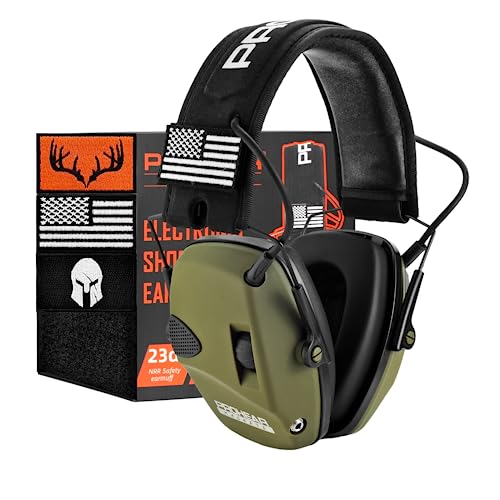
3.PROHEAR 066 Electronic Shooting Earmuffs
4X sound amplification makes low-level sounds clearer for conversation

4.ZOHAN Electronic Shooting Earmuffs
Two high-gain microphones pick up ambient sounds for clear talk

5.PROHEAR 022 Electronic Shooting Earmuffs
5X amplification enhances conversations, footsteps, and rustling

6.Pro Ears Pro 300 Electronic Sound Amplifier
DLSC Compression lets you hear commands clearly indoors or outdoors

7.PROHEAR 030 Bluetooth Shooting Earmuffs
Bluetooth 5.4 provides a stable connection within a 33 ft range
1. Walker’s Ultra Ear BTE Sound Amplifier
Walker’s Ultra Ear BTE helps hunters hear surrounding sounds with adjustable sound amplification and a compact behind-the-ear design. It comes as a two-pack, so you can keep a second amplifier available for another outing or user.
Adjustable Frequency Tuning focuses on particular sound frequencies, while the tone control lets you tune sound to your needs. That flexibility can help you set the listening experience for hunting, outdoor activities or everyday use.
The device has a 22dB noise reduction rating and a volume limit of 105dB. These limits are intended to reduce loud sound transmission while amplifying what you hear, though buyers should consider whether those ratings suit their listening needs.
A USB recharge provides up to 48 hours of battery life, which can cover multiple outings between charges. Three sizes of foam ear tips help you choose a fit, and the compact BTE design can be worn on either ear.
The box includes two amplifiers, the ear tips, a USB charging cable, a cleaning brush and a wax pick/tone adjustment stick. This set suits hunters who want rechargeable sound amplification with adjustable tuning and a spare unit.
- Up to 48 hours per USB recharge
- Two amplifiers give you a spare unit
- Tone and frequency tuning adjust sound
- Three ear tip sizes help with fit
- No major cons
2. MEDca BTE Mini Behind The Ear Amplifier
For hunting trips that call for amplified sound, the MEDca BTE gives you up to 40 decibels of amplification in a compact behind-the-ear design. Its noise reduction technology is intended to make sounds easier to hear, though the product data does not explain how it handles sudden loud sounds.
Six volume levels let you adjust the sound to suit your surroundings and listening needs. A simple on-and-off button keeps the main controls straightforward, while the behind-the-ear format sits outside the ear canal.
The beige, skin-toned amplifier can fit either ear, so you can choose the side that feels more comfortable. Its small size may also appeal to hunters who want a discreet device that takes up little space.
The maker says the device uses little power, which can help reduce battery replacement costs over time. However, the listing does not state the battery type or give an estimate of battery life, so check those details before buying.
This is a sound amplifier, not a product with stated hunting-specific features. The information does not describe directional microphones, weather resistance or protection from loud gunfire, so hunters should not assume it offers those functions.
Its listed specifications cover one beige unit and a compact build, but do not provide detailed dimensions beyond the title’s “super mini” description. It may suit hunters seeking basic adjustable amplification for listening, provided its unspecified battery details and lack of stated hunting protections fit their needs.
- Amplifies sound by up to 40 decibels
- Six volume levels give listening control
- Fits either ear in a small design
- Low power use may cut battery costs
- No major cons
3. PROHEAR 066 Electronic Shooting Earmuffs
4x amplification boosts quieter sounds, while the PROHEAR earmuffs cut down harmful gunfire noise. They suit hunters who want to hear low-level sounds and hold conversations while protecting their hearing.
The active system suppresses loud sounds in under 0.01 seconds and amplifies softer ones up to four times their natural volume. Its NRR of 23dB meets ANSI S3.19 standards, making these muffs useful for shooting, hunting, woodworking, mowing and chainsawing.
Two AAA batteries power the earmuffs for up to 300 hours, though the batteries are not included. A single volume knob gives you direct control, and its accessible placement lets you adjust the sound while wearing gloves.
Slim ear cups with cutaways leave more room around a firearm, which can help with placement while aiming. The cups also have an IPX4 rating for resistance to water, sweat and dust.
Wide ear cups, soft cushions and a padded telescopic headband help keep pressure off during longer sessions. At about 0.6 pounds, the green muffs fold for storage and come with a carrying pouch, a 3.5mm cable, patches and a user manual.
These hunting sound amplifiers suit shooters who want long battery life and amplified quiet sounds alongside hearing protection, and who are comfortable supplying their own AAA batteries.
- Amplifies quieter sounds up to 4x their volume
- Suppresses loud gunfire in under 0.01 seconds
- Runs up to 300 hours on two AAA batteries
- Slim cutaway cups allow space around a firearm
- Two AAA batteries are not included
4. ZOHAN Electronic Shooting Earmuffs
Hunters who want to hear nearby sounds without removing their hearing protection can use these ZOHAN earmuffs to amplify ambient audio. Two high-gain microphones pick up sounds such as subtle animal footsteps and conversation on the range.
The NRR 23dB rating meets ANSI S3.19 standards and helps reduce loud noise from shooting, mowing and other activities. Active noise control responds when sound exceeds 82dB, with the maker stating it reduces noise to a safer range within 0.01 seconds.
A slim, hollow shape makes the earmuffs compact for packing in a shooting bag or tactical backpack. The adjustable fit suits most head sizes, while the PU leather headband and replaceable ear cushions add padding and help keep them clean.
You can connect a phone through the AUX port to listen to music. They need two AAA batteries, which are not included, and can run for up to 350 hours per battery replacement.
The black-and-purple set weighs about 1.6 pounds and comes with two patriot patches, one Punisher patch, one tactical wildlife antlers patch, two hybrid patches, a 3.5mm cable and a user manual. These earmuffs suit hunters and range users who want amplified surrounding sound alongside hearing protection.
- Two microphones amplify sounds for hunting and range talk
- NRR 23dB rating meets ANSI S3.19 standards
- Up to 350 hours per battery replacement
- Compact shape packs into a shooting bag
- Two AAA batteries are not included
5. PROHEAR 022 Electronic Shooting Earmuffs
At a gun range or in the field, the PROHEAR 022 combines hearing protection with sound amplification. It reduces noise by 29dB SNR and boosts low-level sounds up to five times, helping you hear conversations, footsteps and rustling leaves while staying protected.
Four omnidirectional microphones pick up sounds from all directions, while HD speakers deliver audio for locating where sounds come from. Voice-activated compression reacts within 0.0005 seconds to suppress loud sounds and reduce distortion.
The gel-core silicone ear pads have a non-absorbent surface that you can clean easily. Their seal supports noise isolation, and the maker says they improve it by 30% over traditional foam pads.
A padded, adjustable headband and contoured ear cups are designed for extended wear and to fit comfortably with glasses. The earmuffs weigh about 1 pound, making them manageable for hunting trips, range sessions or loud workplaces.
You can adjust the volume with the built-in control or connect audio through the 3.5mm jack. They run on two AAA batteries, which are not included. This large black pair suits hunters and range users who want amplified ambient sound alongside hearing protection.
- 29dB SNR protection helps block loud shots
- 5X amplification brings quiet sounds forward
- Four mics pick up sounds from all directions
- Gel-core silicone pads are easy to clean
- Requires two AAA batteries, not included
6. Pro Ears Pro 300 Electronic Sound Amplifier
DLSC Compression Technology helps the Pro Ears Pro 300 amplify sounds while dampening noise, making it a hunting-focused option for hearing commands outdoors. Its electronic sound amplification and noise reduction features address two needs at once: picking up useful sounds and reducing noise exposure.
The maker lists a Noise Reduction Rating of 26, or NRR 26. That rating gives buyers a concrete measure to compare with other ear muffs, while the adjustable amplification lets users set the sound boost to their preference.
DLSC Compression Technology is designed to let users hear commands clearly indoors or outdoors. That can help hunters follow directions during a group outing, and it also suits competition shooters and people taking part in sporting clays, trap or skeet.
The Pro 300’s cup design works with rifles, shotguns, pistols and handguns. This broad firearm compatibility makes it relevant for different shooting activities, rather than only one type of firearm.
Proform Leather ear seals provide the contact point around the ears. The maker says they do not crack or cause sweating like vinyl seals, a detail that may matter during longer sessions.
This adult-size model comes in green and weighs about 0.9 pounds. Made in the USA, it suits hunters and shooting-sport participants who want adjustable electronic amplification with an NRR 26 rating.
- NRR 26 helps reduce exposure to loud noise
- DLSC compression helps users hear commands
- Works with rifles, shotguns and handguns
- Proform Leather seals resist cracking and sweat
- No major cons
7. PROHEAR 030 Bluetooth Shooting Earmuffs
PROHEAR pairs sound amplification for hunting and shooting with Bluetooth 5.4 for listening to audio from a phone, tablet or laptop. Its recessed microphones raise environmental sounds below 82 decibels, helping you hear nearby activity while wearing hearing protection.
The earmuffs have an NRR of 22 decibels and an SNR of 27 decibels. They also reduce wind noise, and the slim cups have cut-outs that leave room for a rifle or shotgun stock.
Bluetooth connects to compatible devices within 33 feet, so you can listen to entertainment without removing the earmuffs. The connection also supports calls or audio from a phone while you’re at the range or outdoors.
Soft cushioned ear pads and a padded headband help make longer sessions more comfortable. The telescopic headband adjusts to different head sizes, and the earmuffs weigh about 0.6 pounds.
They fold for carrying and suit shooting, hunting, woodworking, mowing and chainsaw use. Keep in mind that they run on two AAA batteries, which are not included. This last pick suits hunters and range users who want amplified environmental sound alongside Bluetooth audio.
- Amplifies quieter sounds below 82dB
- Bluetooth 5.4 connects within 33 feet
- Slim cups allow room for a gun stock
- Cushioned pads and padded headband aid comfort
- Two AAA batteries are not included
How to Choose the Best Hunting Sound Amplifiers
The right hunting sound amplifier should make useful sounds easier to hear while limiting exposure to sudden loud noise. Your choice depends on where you hunt, how long you wear it, the fit you need, and whether you prefer in-ear or earmuff-style protection.
| If You Need | Look For | Expect |
|---|---|---|
| Protection at the range | Noise reduction rating and fast compression | Less sound detail during loud shots |
| Quiet outdoor listening | Adjustable amplification and microphones | Wind and rustling may also be amplified |
| A light, compact setup | Behind-the-ear or low-weight earmuffs | Smaller controls and shorter coverage |
| Long hunting days | Extended battery life and replaceable power | Spare batteries add weight |
| Comfortable all-day wear | Soft seals, gel cushions, adjustable fit | Bulkier cups or higher cost |
| Phone or audio access | Bluetooth or a wired audio jack | More controls and battery use |
| A simple setup | Basic volume control and easy power | Fewer ways to tune sound |
Sound Protection
Choose a model designed to reduce dangerous gunfire, not just make quiet sounds louder, because amplification alone does not protect your hearing. Look for a clearly stated noise reduction rating and understand that real-world protection depends on fit.
NRR, or Noise Reduction Rating, is a laboratory measure in decibels; it is not a promise of the exact reduction you will receive. A higher rating may help at a range, but proper coverage and a seal remain essential.
Electronic models use microphones to pick up quieter sounds and limit sudden loud noise, but response speed and the protection standard differ. Look for stated sound-activated suppression and recognized testing, then follow firearm and hearing-protection guidance.
For shooting, use hearing protection suitable for the firearm and setting, and consider doubling up with earplugs when appropriate. Electronic earmuffs still need to sit firmly over both ears, with no gaps from hair, glasses, or hat straps.
Amplification and Sound Control
Amplification helps you hear conversation, movement, or environmental cues without removing your ear protection, but more volume is not always more useful. Look for adjustable levels so you can set a comfortable amount for your surroundings.
Some devices state amplification as a multiplier, while others use decibels or offer numbered settings; these figures are not directly comparable. Focus on usable adjustment and whether the controls let you lower sound quickly when the woods get noisy.
Frequency tuning or tone adjustment changes which pitches sound clearer, which helps if voices or certain outdoor sounds are hard to pick out. A simple volume dial suits quick changes, while more tuning options reward buyers willing to adjust settings.
Consider how the device behaves when ambient sound becomes loud, because suppression thresholds differ. A stated trigger level gives you a useful comparison point, but it does not replace a fit that blocks sound around the ear.
Fit and Wearing Style
Behind-the-ear amplifiers use small earpieces and suit buyers who want a compact setup, but the tips must fit securely. Look for several tip sizes and a shape that stays comfortable during movement and long stretches outdoors.
Earmuffs cover the outer ear and are easier to put on or remove, which suits range use and frequent changes. Their cups can feel warm or bulky, so consider weight and whether the headband sits comfortably under your hat.
A good seal helps both protection and sound control, but glasses, hair, and headwear can create gaps. If you wear glasses, look for soft, flexible cushions and test the fit with your usual frames before relying on the protection.
Some in-ear devices fit either ear, while earmuffs use an adjustable headband; the right choice depends on your routine. For a full day, prioritize low pressure and stable fit over a smaller footprint alone.
Battery Life and Power
Battery life determines whether amplification remains available through a long hunt, and advertised figures often depend on volume and use. Look for stated hours and consider your typical day, including time spent traveling or waiting outdoors.
Rechargeable models reduce the need to carry spare cells, but you need access to charging before the next outing. Replaceable batteries are easier to swap in the field, though you must bring spares and track battery type.
Some products use AAA batteries, and not every package includes them, so confirm the power source before buying. For multi-day trips, estimate how many replacements you need and keep them dry and easy to reach.
Microphones and Outdoor Noise
Microphone design affects how clearly the device picks up sounds around you, especially when wind or brush creates competing noise. Multiple microphones may help capture sound from different directions, but placement and processing also shape what reaches your ears.
Wind reduction is useful in open country, where gusts can overwhelm faint sounds; look for it as a stated feature. If you hunt in dense cover, clear pickup of nearby rustling and voices may matter more than a wide listening range.
A higher amplification figure does not guarantee natural sound, because processing can change how voices and outdoor noise come through. If possible, favor adjustable levels and tone settings that let you reduce harsh or distracting sounds.
Controls and Ease of Use
Simple controls are easier to manage with cold hands or gloves, and a large dial is often quicker than small buttons. Check where the volume and power controls sit, so you can reach them without removing the device.
A basic on-off switch suits buyers who want fewer settings, while several volume steps offer more control across changing conditions. Extra features are useful only if you can operate them quietly and confidently in the field.
Bluetooth and Audio Connections
Bluetooth lets you connect a phone or other audio source without a cable, which can help on breaks or during travel. Wireless use adds pairing steps and may drain power, so decide whether you need it while hunting.
A wired audio jack avoids wireless pairing and does not depend on a Bluetooth connection, but the cable can snag or get in the way. Check that the connection suits your device and that audio use does not distract from awareness outdoors.
Durability and Weather Resistance
Hunting gear faces damp air, light rain, dust, and repeated handling, so materials and weather protection affect its useful life. Look for a stated water-resistance rating when you expect wet conditions, and remember that resistance is not the same as waterproofing.
Foldable designs pack more easily, while sturdier construction may add bulk or weight. Consider how the device will ride in your pack and whether the hinges, cushions, and controls look practical for regular outdoor use.
Comfort and Weight
Weight adds up over hours, especially with earmuffs that press on the head, so compare the listed weight with your expected wear time. Lighter models suit long walks, while heavier cups may offer larger cushions or more coverage.
Ear cushions affect heat and pressure as much as the headband does. Gel or soft seals may feel more forgiving for extended wear, but thicker cushions can increase bulk and may interfere with glasses.
Price
Lower-priced options usually focus on basic amplification, straightforward controls, and fewer comfort or connection extras. They suit occasional use, but make sure the protection rating and fit meet your actual hunting or range needs.
Higher prices may bring more sound adjustment, longer stated battery life, advanced compression, or more comfortable seals. Pay more when a feature solves a clear need, such as all-day comfort or frequent range use, not simply for a larger specification.
Warranty and Support
Warranty length and coverage differ, so read what is included and whether batteries, cushions, or damage from moisture are excluded. Clear support and available replacement parts help keep the device usable after regular wear.
Before buying, confirm the return window and keep proof of purchase, because fit and sound preferences are personal. A straightforward return policy is especially useful if you cannot try the device on beforehand.
Frequently Asked Questions
Which hunting sound amplifier has the longest stated battery life?
The Walker’s Ultra Ear BTE Sound Amplifier offers up to 48 hours of battery life between USB charges.
What materials are these amplifiers made from?
The product details provided don’t specify materials, so check each product listing for information about its construction and fit.
What comes in the box with each sound amplifier?
The included accessories aren’t specified here. Check the seller’s package details before buying, especially if you need batteries, a charger, or a case.
Should I choose the PROHEAR 066 or the PROHEAR 022?
The PROHEAR 066 offers 4X amplification, while the PROHEAR 022 offers 5X amplification for conversations, footsteps, and rustling. Compare their other features and choose the one that best fits your needs.
Which option can help make quiet sounds easier to hear?
The MEDca BTE Mini amplifies sound up to 40 decibels, while the PROHEAR 022 highlights conversations, footsteps, and rustling with 5X amplification.
Which model is designed to make commands clearer indoors or outdoors?
The Pro Ears Pro 300 uses DLSC Compression to help you hear commands clearly indoors or outdoors.
Can I connect a phone to one of these earmuffs over Bluetooth?
The PROHEAR 030 has Bluetooth 5.4 and a stated connection range of 33 feet.
So, What Should You Buy?
For most hunters, the PROHEAR 022 is the best all-around pick, with 5X amplification to bring out conversations, footsteps, and rustling. On a budget, consider the MEDca BTE Mini; choose Walker’s Ultra Ear for up to 48 hours between USB charges, or the PROHEAR 066 for 4X amplification.
Need high-gain microphones? The ZOHAN is a good fit. The Pro Ears Pro 300 adds DLSC Compression for hearing commands, while the PROHEAR 030 offers Bluetooth 5.4. Choose the model that best matches your priorities and head out with confidence.