

Long days outdoors ask a lot of your feet, from uneven trails and damp ground to hours spent standing or walking. Regular sneakers lack the ankle support, rugged tread, and weather protection that hunting and work often demand, leaving your feet less comfortable as the day wears on.
A sturdy hunting work boot helps meet those demands with durable uppers, supportive construction, and grippy outsoles. Its higher cut can help shield your ankles and keep debris out, while water-resistant or waterproof materials help keep feet drier in wet conditions.
Cushioned footbeds ease the strain of long hours, and insulated linings add warmth in cold weather. Deep tread helps you keep your footing on loose ground, while reinforced toes offer extra protection during demanding outdoor tasks.
Boots differ in fit, weight, insulation, and waterproofing, so consider your climate and daily terrain before choosing. Explore the best hunting work boots below to find a pair that suits your time outdoors.
8 Best Hunting Work Boots Reviews

1.MUCK Arctic Pro Insulated Hunting Boots
8 mm neoprene flexes to your foot and retains heat in cold weather

2.Hunthor 800g Insulated Hunting Boots
800g Thinsulate and 6mm neoprene retain warmth on cold-weather hunts
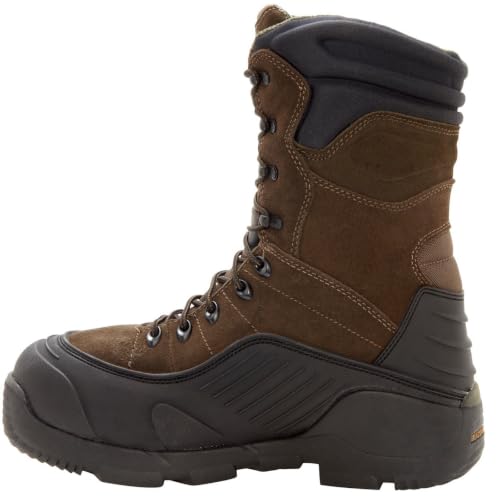
3.ROCKY Blizzard Stalker Pro Hunting Boots
Designed for severe wet conditions, these boots suit demanding hunts
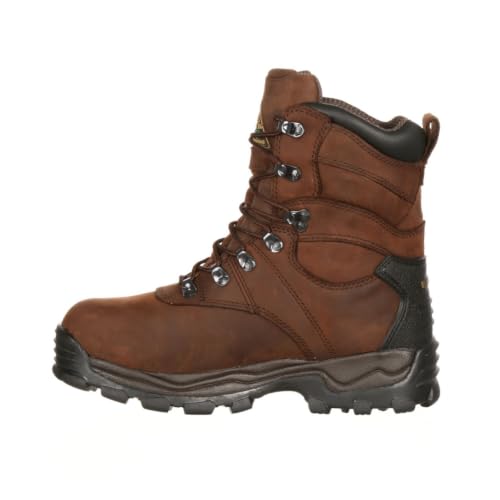
4.ROCKY Sport Utility 600G Waterproof Boots
600 grams of Thinsulate Ultra insulation help keep feet warm in cold

5.TIDEWE Steel Toe Rubber Work Boots with Shank
Steel toes help protect against impacts from falling or rolling

6.GIEESHIELD Waterproof Insulated Hunting Boots
6mm neoprene and rugged rubber keep feet dry in mud and heavy rain

7.Extremus MudRidge 6mm Neoprene Hunting Boots
TalonTrak deep lugs grip muddy ground, damp grass, and slippery rocks

8.R RUNFUN 8-Inch Insulated Hunting Boots
400G insulation adds warmth in cold conditions without bulky weight
1. MUCK Arctic Pro Insulated Hunting Boots
MUCK Arctic Pro boots keep hunting feet warm and dry in extreme cold. Their 8 mm neoprene flexes around the foot and cushions impact, while its waterproof construction helps block water on wet ground.
A fleece lining and 2 mm of thermal foam beneath the footbed add warmth. MUCK rates the boots for comfort from minus 60 to 30 degrees Fahrenheit, making them suited to cold-weather hunts and outdoor work.
The 17-inch rubber shafts cover the lower legs, and high-grade rubber makes the boots fully waterproof. A stretch-fit topline hugs the calf to help hold warmth in and keep cold and debris out.
Reinforcement at the instep, heel and Achilles area adds support where the boots take extra strain. Their Bob-Tracker outsole has an aggressive tread for rugged ground, while the EVA midsole adds cushioning underfoot.
At about 2.3 pounds, each boot is relatively light to carry between hunting spots. Rear pull loops make them easier to put on and take off, and the tan-and-bark color suits outdoor use.
These boots suit hunters and outdoor workers who need waterproof coverage, warmth and traction in cold conditions. Their high shaft and insulated lining make them a practical choice for long days outside when temperatures fall well below freezing.
- Comfort-rated down to minus 60°F for cold hunts
- 8 mm neoprene flexes and helps cushion each step
- Fully waterproof rubber protects feet on wet ground
- 17-inch shafts cover more of the lower leg
- Bob-Tracker outsole grips rugged outdoor terrain
- No major cons
2. Hunthor 800g Insulated Hunting Boots
For cold-weather hunts across wet grass, mud, marshes, and shallow water, these Hunthor boots combine insulation with waterproof coverage. Their 800g Thinsulate insulation and 6mm neoprene upper help hold in warmth for long sits and chilly mornings.
A full rubber shell and sealed construction help keep water out, while the flexible neoprene upper supports comfort through a long day outdoors. The insulation makes the fit snugger, so people with wide feet or who want more room may want to size up.
Underfoot, a lightweight EVA midsole cushions each step, and a steel shank adds support and stability on uneven terrain. The high-traction rubber outsole is made for grip on mud and wet ground, useful when hunting routes cross changing surfaces.
Reinforced rubber at the toe, heel, and Achilles area covers spots that see frequent wear. An adjustable back gusset accommodates different calf sizes, and a kick tab makes the boots easier to take off after a long outing.
The Next Camo G2 pair comes in men’s size 11. Check the size chart and fit guide before ordering, especially if you need extra width or room for thicker socks. These boots suit hunters who need insulated, waterproof footwear for cold, damp terrain.
- 800g Thinsulate and 6mm neoprene retain warmth
- Sealed rubber shell helps keep water out
- EVA cushioning and steel shank support steps
- High-traction outsole grips mud and wet ground
- Snug insulation may leave wide feet less room
3. ROCKY Blizzard Stalker Pro Hunting Boots
6 pounds is the listed weight of the Rocky Blizzard Stalker Pro, a hunting boot intended for severe wet conditions. That focus makes it relevant for hunters who need footwear for damp ground and wet working conditions.
The product listing identifies it as personal protective equipment, so it is presented for both hunting and protective use. The title specifies a men’s boot in size 11 M, which gives buyers a clear size and width reference.
The boot comes in brown and black, with brown listed as its color in the specifications. Its stated weight of about 6 pounds is worth considering if you expect to carry it over long hunting or work days.
One point to weigh is that the boot is made with PFAS chemicals. This may matter to buyers who prefer products made without those chemicals.
The listing provides no details about insulation, tread, waterproof construction, or closure type, so those are worth checking before choosing it for specific terrain or weather. It may suit hunters and workers seeking a boot intended for severe wet conditions who are comfortable with its PFAS content.
- Intended for severe wet conditions
- Listed as personal protective equipment
- Men’s size 11 M is specified
- Made with PFAS chemicals
4. ROCKY Sport Utility 600G Waterproof Boots
Hunters and outdoor workers who need warmth and wet-weather coverage get both from the ROCKY Sport Utility boot. Its 600 grams of Thinsulate Ultra insulation help keep feet warm in cold conditions, while Rocky waterproofing helps keep water out.
The sport utility traction outsole gives the boot a treaded base for walking across outdoor work areas. Full-grain leather forms the upper, offering a traditional leather option for hunting and everyday work.
This brown boot comes in size 10 Wide, so buyers looking for extra room across the foot can choose that fit. The wide sizing matters when a standard-width boot feels too narrow or when you want room for thicker socks.
At about 5 pounds, the pair has a substantial weight that buyers should consider for long days on foot. The product data does not list a height or other fit details, so check the size and width carefully before ordering.
Its main strengths are the stated waterproof construction, substantial insulation and traction outsole. Those features suit outdoor tasks where wet ground and cold conditions matter, while the full-grain leather gives the boot a leather upper. It best suits hunters and workers who want a warm, waterproof boot in a wide size.
- 600g Thinsulate Ultra adds cold-weather warmth
- Waterproof construction helps keep feet dry
- Traction outsole supports outdoor footing
- Full-grain leather upper for hunting work
- About 5 pounds may feel heavy on long walks
5. TIDEWE Steel Toe Rubber Work Boots with Shank
Farms, fisheries and hunting grounds suit these TIDEWE boots, which pair a waterproof rubber and neoprene build with steel toe protection. The reinforced rubber shell covers the toe and heel, while the steel shank supports the arch.
Their deep-tread outsoles provide traction on slippery terrain, a useful feature for wet work areas and outdoor routes. The maker describes the rubber and neoprene as fully waterproof, helping keep feet dry in rain and damp conditions.
For cold-weather use, 6mm neoprene adds warmth and flexibility. A breathable lining supports comfort during longer wear, and the pull-on kick tab helps you get the boots on and off.
The steel toes help guard against impacts from falling or rolling objects, making these boots relevant to construction and manufacturing as well as hunting. Their mix of protection, traction and waterproof construction also suits farm and garden work.
This pair comes in brown, size 13. Check the size chart before buying, and compare foot measurements with the insole length and width; the maker recommends about 0.16 inches of extra room. They suit hunters and workers who need waterproof boots with toe protection.
- Steel toes help protect against falling objects
- Waterproof rubber and neoprene keep feet dry
- 6mm neoprene adds warmth and flexibility
- Deep tread helps grip slippery terrain
- Check fit carefully against the size chart
6. GIEESHIELD Waterproof Insulated Hunting Boots
Wet, uneven ground is where the GIEESHIELD rubber boots are meant to work, with waterproof construction and a steel shank for outdoor jobs. Their 6-millimeter neoprene and rubber upper help keep water out during hunting, fishing, farm work and other muddy tasks.
A slip-resistant rubber outsole grips slippery surfaces, while the built-in steel shank supports the arch and helps protect against punctures. Those features matter when you cross rough ground or spend hours standing and moving around at work.
The insulation suits temperatures from about minus 4 to 68 degrees Fahrenheit. A soft neoprene lining and flexible build support longer wear, though the stated range does not cover colder conditions.
Reinforced stress points add support in areas that face wear during demanding work. Pull tabs and a kick plate help you get the boots on and off without wrestling with the tall rubber construction.
This black, Next G2 Camo pair comes in size 11 and weighs about 3.5 pounds. That weight is worth noting if you plan to walk long distances, while the waterproof build suits muddy fields, wet trails and fishing spots.
For hunters and outdoor workers who need waterproof coverage, traction and arch support, these boots bring several useful protections together. They also suit farming, gardening, construction and fishing, especially when the job involves wet or uneven ground.
- Waterproof 6mm neoprene helps keep feet dry
- Steel shank supports arches and resists punctures
- Slip-resistant sole grips wet, slippery ground
- Insulation covers about -4°F to 68°F
- Temperature range may not suit colder weather
7. Extremus MudRidge 6mm Neoprene Hunting Boots
Extremus makes the MudRidge rubber boots for hunting, farm work and fishing in wet outdoor conditions. Their 6mm neoprene and IronTread natural rubber construction keeps water out, while the rubber build suits muddy ground, marshes and rocky paths.
The TalonTrak outsole uses deep lugs to grip mud, damp grass and slippery river rocks. That traction can help on hunting trips, wet farm tasks and shore fishing, where changing ground makes secure footing important.
Inside, an AirMesh lining wicks moisture, and the neoprene lets excess sweat escape while blocking outdoor moisture. The CoreComfort five-layer sole combines shock-absorbing insoles with lightweight EVA midsoles to support feet during long hikes, field trips or work shifts.
The boots also include arch support, a reinforced toe and a raised heel kick. A sturdy pull strap helps with putting them on, while the heel feature lets you remove them without using your hands.
Black and sized for men’s 10, this pair weighs about 5.7 pounds. That weight is worth considering for long walks, though its cushioned sole system is designed for extended outdoor wear.
The maker says each pair goes through a 165-step build process. For hunters and outdoor workers who need waterproof rubber boots with traction and cushioned support, the MudRidge combines those features with a breathable lining.
- 6mm neoprene and natural rubber block water
- Deep-lug outsole grips mud and wet rocks
- AirMesh lining wicks moisture during long wear
- Five-layer sole adds cushioning and arch support
- About 5.7 pounds may feel heavy on long walks
8. R RUNFUN 8-Inch Insulated Hunting Boots
With waterproof leather and 400-gram insulation, the R RUNFUN boots are made for hunting and outdoor work in cold, wet conditions. Their 8-inch height and steel shank suit buyers who want added support on uneven ground.
The waterproof construction helps keep feet dry, while the outsole is designed to grip slippery surfaces. Breathable materials also help air move around the foot during long stretches outdoors.
A cushioned midsole and padded ankle area add comfort, and the reinforced toe and heel offer protection on rough terrain. The boots include two insole options: one cushioned set already inside and a second set for a different fit.
At about 4 pounds, the pair is described as lightweight despite its insulation and protective build. Heel pull tabs make it easier to put them on, and the black leather design suits hunting, hiking, fishing, gardening and farm work.
These size 11 boots are a practical choice for hunters and outdoor workers who need waterproofing, warmth and toe-and-heel protection. Their combination of insulation and cushioning may also suit people who spend long hours on their feet in cold conditions.
- 400g insulation adds warmth in cold weather
- Waterproof build helps keep feet dry outdoors
- Reinforced toe and heel protect on rough ground
- Two insole options allow a choice of cushioning
- No major cons
How to Choose the Best Hunting Work Boots
Choosing hunting work boots means balancing warmth, waterproofing, support, protection, and weight for your terrain and tasks. Your usual temperatures, walking distance, workplace hazards, fit, and budget all affect which features deserve priority.
| If You Need | Look For | Expect |
|---|---|---|
| Cold-weather sits | Thick insulation, sealed construction | More weight and warmth |
| Wet marshes | Waterproof rubber or sealed leather | Less airflow in warm weather |
| Long hikes | Lighter boots, cushioned midsoles | Less heavy-duty protection |
| Muddy slopes | Deep, widely spaced lugs | Harder cleaning after use |
| Worksite protection | Safety toe, puncture-resistant shank | Added weight and stiffness |
| Changing temperatures | Moderate insulation, removable insoles | Less warmth in deep cold |
Temperature And Insulation
Start with the temperatures and activity you expect, since insulation that suits a stationary hunt may feel too warm during a brisk hike. Compare the stated temperature range or insulation amount, but treat ratings as guidance rather than guarantees.
Insulation figures such as 400g, 600g, or 800g describe material weight, not a promise of comfort at a specific temperature. More insulation generally retains more heat, but it also adds bulk and can make warm-weather work uncomfortable.
Thick neoprene, often around 6 to 8 millimeters, offers warmth and a flexible waterproof barrier. Choose it for cold, wet ground or slow-paced hunts; lighter insulation suits active days when your feet generate more heat.
Cold feet can also result from tight socks or restricted circulation, so leave room for a suitable hunting sock. If you spend hours standing in snow, prioritize warmth; for mixed seasons, favor moderate insulation and adjustable layers.
Waterproofing And Breathability
A waterproof boot helps keep feet dry in marshes, rain, and wet grass, but its construction affects comfort. Rubber and neoprene create a sealed barrier, while waterproof leather usually depends on a membrane or treated seams.
Look for clearly stated waterproof construction and inspect the full boot, including seams and the tongue area. A waterproof boot can still leak if water enters over the top, so shaft height should suit expected puddles and vegetation.
Sealed rubber boots often breathe less than leather designs, which can leave sweat inside during long, warm walks. For active hunts, moisture-wicking socks and a liner help manage dampness; for standing in cold water, sealing takes priority.
Fit And Sizing
Fit affects warmth, balance, and blister risk, so try boots with the socks you plan to wear. Your toes should move freely, while the heel stays secure without rubbing during uphill and downhill steps.
A thick insulated boot may feel snugger than a lighter work boot in the same labeled size. Allow enough space for cold-weather socks, but avoid excess room that lets your foot slide and weakens control on uneven ground.
Wide sizing, adjustable gussets, and removable insoles help accommodate different feet and sock thicknesses. If ordering online, read the sizing guidance and return terms; a boot that pinches at the toe rarely becomes comfortable during long days.
Traction And Outsole
Deep, widely spaced lugs grip mud and loose ground, while closer patterns often feel steadier on hard surfaces. Choose tread for your common terrain, since aggressive lugs can feel awkward on smooth floors and collect sticky clay.
Rubber compounds and tread shapes vary, so look for an outsole described for wet, slippery conditions rather than relying on appearance alone. For steep slopes or slick stream banks, prioritize pronounced lugs and a stable contact area.
No outsole removes the risk of slipping on ice, wet rocks, or polished surfaces. Match footwear to the hazard, shorten your stride on uncertain ground, and replace boots when worn tread no longer holds securely.
Support And Stability
A supportive midsole cushions repeated steps, while a shank—a stiff insert under the arch—helps resist bending and sharp objects. These features suit heavy loads and rough ground, though a firmer sole may feel less flexible while walking.
Steel shanks add structure and may offer some puncture protection, but they add weight and do not replace purpose-built protective footwear. For long distances on uneven trails, balance arch support with enough flex for a natural stride.
Ankle height also affects coverage and movement. Taller shafts help block water, mud, and debris, while shorter boots feel less restrictive and suit active walking; choose height according to terrain and the amount of wading expected.
Safety Protection
For farm, construction, or workshop duties, identify hazards before choosing a boot. A steel toe protects against certain impacts and compression risks, but it adds weight and may feel cold in winter.
A reinforced toe or heel offers added coverage, but it is not automatically a certified safety toe. If your job requires protective footwear, confirm the relevant safety rating and workplace rules before buying.
Puncture protection, slip resistance, and electrical protection are separate features, not interchangeable claims. Match each protection type to the actual hazard, and avoid assuming that a hunting boot meets occupational standards without clear labeling.
Weight And Construction
Boot weight affects every step, especially when you walk several miles or climb hills. Lighter designs reduce fatigue for mobile hunters, while heavier boots may include thicker materials or added protection for demanding work.
Compare listed weights only when sizes and measurement methods are similar; a larger boot usually weighs more. Tall rubber construction often feels substantial, so consider whether its coverage is worth carrying through a full day.
Reinforced areas help protect high-wear zones, but extra rubber and dense materials can increase stiffness. For frequent use in brush or rough work areas, prioritize durable protection; for long hikes, avoid carrying features you rarely need.
Comfort And Moisture Control
Cushioned insoles and shock-absorbing midsoles soften repeated impacts on hard ground. Removable insoles let you adjust fit or replace worn cushioning, while a firmer base may suit heavy loads and uneven terrain.
Moisture-wicking linings move sweat away from skin, which helps reduce clamminess during active use. Airy linings suit warmer hikes, while thicker linings retain more warmth; neither feature compensates for socks that stay wet.
After use, dry boots fully before storing them, since trapped moisture can lead to odor and material wear. Avoid direct high heat, which can damage rubber, adhesives, or leather; follow the care directions supplied with the boots.
Price And Value
Lower-priced boots may cover basic waterproofing and traction, while higher prices often bring more insulation, stronger support, or protective construction. Compare the features you will use, rather than assuming a higher price always means better fit or durability.
Paying more makes sense when the boot meets a specific need, such as cold-weather insulation or worksite protection. If your use is occasional and mild, a simpler pair may be the more practical choice.
Warranty And Materials
Read the warranty for coverage length, exclusions, and what counts as normal wear. A longer warranty does not prevent leaks or damage, but clear coverage can reduce replacement costs if a construction defect appears.
Material disclosures also deserve attention, especially if you avoid particular treatments or chemicals. Confirm the full product information and care guidance before purchase, since material details can affect personal preferences, workplace requirements, and long-term maintenance.
Frequently Asked Questions
Which hunting boots are best for cold-weather hunts?
The MUCK Arctic Pro uses 8 mm neoprene for warmth and flexibility, while the Hunthor 800g combines 800g Thinsulate with 6 mm neoprene. The ROCKY Sport Utility 600G and R RUNFUN 8-Inch also offer insulation for cold conditions.
What materials and construction features should I compare?
Look at the insulation and exterior materials alongside the job you expect to do. For example, the GIEESHIELD pairs 6 mm neoprene with rugged rubber, while the TIDEWE adds a steel toe and shank.
Which boots are designed for wet or muddy ground?
The ROCKY Blizzard Stalker Pro is designed for severe wet conditions, and the GIEESHIELD is made to keep feet dry in mud and heavy rain. The Extremus MudRidge’s deep TalonTrak lugs are intended to grip muddy ground, damp grass, and slippery rocks.
Should I choose the MUCK Arctic Pro or the Hunthor 800g?
Choose the MUCK Arctic Pro if you prefer 8 mm neoprene that flexes to your foot and retains heat. Consider the Hunthor if its combination of 800g Thinsulate and 6 mm neoprene better suits your cold-weather needs.
Which pair offers protection from impacts?
The TIDEWE Steel Toe Rubber Work Boots with Shank have steel toes to help protect against impacts from falling or rolling objects. The other listed features focus on warmth, wet-weather protection, or traction.
What should I look for when choosing boots for slippery terrain?
Consider the Extremus MudRidge, whose deep lugs are designed to grip mud, damp grass, and slippery rocks. For demanding hunts in severe wet conditions, the ROCKY Blizzard Stalker Pro is another option to compare.
What comes in the box with these boots?
The provided product details do not specify what accessories or other items come in the box. Check each seller’s listing for the included items before buying.
So, What Should You Buy?
For most people, the MUCK Arctic Pro is the best pick: its 8 mm neoprene flexes to your foot while retaining heat in cold weather. For another warm option, choose Hunthor’s 800g Thinsulate boots; for severe wet conditions, consider the ROCKY Blizzard Stalker Pro.
Need steel-toe impact protection? Pick TIDEWE. GIEESHIELD suits muddy, rainy hunts, while Extremus offers deep-lug traction. For lighter insulation, consider R RUNFUN; the ROCKY Sport Utility provides 600g Thinsulate Ultra. Choose the pair that fits your hunt and conditions best.