

Binoculars help you spot movement across a field, judge distant terrain, and follow wildlife without leaving your position. The unaided eye misses fine details at a distance, while a phone camera can struggle to frame a steady, clear view.
For a clearer look without a large expense, hunting binoculars bring distant subjects closer through paired lenses. You can scan a hillside or track an animal with both eyes, rather than squinting or relying on a small screen.
Many models offer coated lenses for brighter views, rubber armor for a secure grip, and a compact build that fits easily in your pack. Comfortable eye relief and a wide field of view can also make long periods of scanning easier.
Size, magnification, weight, and low-light performance vary, so consider where and when you hunt. Explore the best inexpensive hunting binoculars below to find a practical pair for your outings.
8 Best Inexpensive Hunting Binoculars Reviews

1.Occer 12×25 Compact Binoculars for Hunting
12x magnification and a 273-ft field of view help you see farther

2.Tanaview 10×42 Compact Binoculars for Hunting
10x magnification and 42mm lenses provide sharp, bright views outdoors

3.Bushnell 131055 PowerView 10×50 Binoculars
InstaFocus lets you quickly focus on clear views through 10x optics

4.BIBIRE 12×50 Waterproof Roof Prism Binoculars
12×50 optics show crisp images across a 285-ft field at 1,000 yards

5.Vortex Copperhead HD 10×42 Binoculars
HD optics provide edge-to-edge sharpness and accurate color in the

6.Vortex Triumph HD 10×28 Compact Binoculars
HD optics deliver sharp detail and accurate color for your next hunt
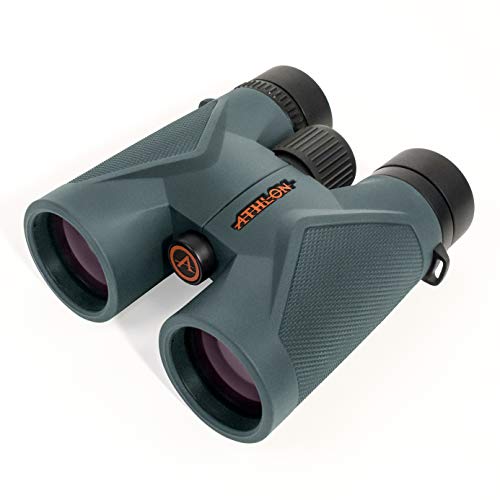
7.Athlon Optics Midas UHD 8×42 Binoculars
ED glass reduces color fringing for clearer, sharper views in the
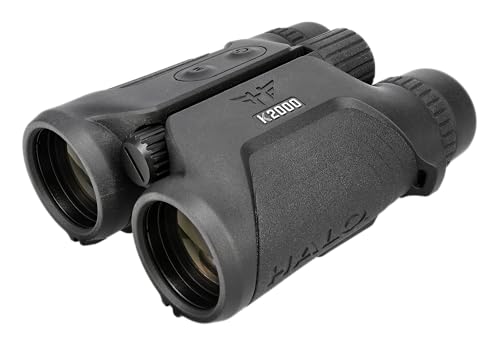
8.Halo Optics K2000 Rangefinder Binoculars
Angle Intelligence calculates true horizontal distance at any
1. Occer 12×25 Compact Binoculars for Hunting
Occer binoculars bring 12x magnification to hunting, birding and travel, letting you view distant subjects with a 25mm objective lens. Their 273-foot field of view at 1,000 yards also shows a broad area, which helps you follow movement outdoors.
BAK4 prisms and fully multi-coated optics handle the light entering the lenses. The coatings are applied to the objective lens and eyepiece, while the prism design supports the binoculars’ image quality.
The 15mm eyepieces provide a large viewing area, and adjustable rubber eyecups suit people who wear glasses as well as those who do not. With glasses, you can fold the cups down to bring your eyes closer to the lenses.
At about 0.9 pounds, this black pair is light enough to carry on a hike or cruise. Its compact body can be held in one hand, and rubber armor adds grip during outdoor use.
The binoculars are made from ABS plastic and come with a strap for carrying. They also offer low-light viewing, but the maker says they are not intended for completely dark conditions.
For inexpensive hunting binoculars, the 12x magnification and wide field of view are useful for scanning distant terrain. They suit buyers who want a compact pair for daytime outings and occasional low-light viewing.
- 12x magnification helps view distant targets
- 273-foot view at 1,000 yards covers ground
- BAK4 prisms support image quality
- Adjustable eyecups accommodate glasses wearers
- 25mm lenses limit light gathering
2. Tanaview 10×42 Compact Binoculars for Hunting
For hunting, hiking and wildlife watching, the Tanaview 10×42 binoculars bring distant subjects closer with 10x magnification and 42mm objective lenses. Their full-size optics suit outdoor viewing, while the camouflage finish fits hunting trips.
Fully multi-coated lenses and BAK-4 Porro prisms help pass light through the binoculars and produce bright views. The 4.2mm exit pupil may also make it easier to keep the view bright in lower light, such as at dawn or dusk.
The lenses use selected glass, and the product description says they provide edge-to-edge sharpness and clear light transmission. That can help you follow animals across the view, rather than focus only on the center.
A center wheel focuses both barrels together, and a right eyepiece ring lets you adjust for different vision between your eyes. Twist-up eyecups accommodate viewing with or without glasses, so you can set a comfortable position.
Rubber armor adds a non-slip grip and external protection, while the lightweight build weighs about 1 pound. The binoculars are described as water-resistant and shock-resistant, but the listing does not give a waterproof rating.
A carrying bag, neck strap and cleaning cloth come with the binoculars for transport and care. They suit budget-minded hunters and outdoor watchers who want full-size 10×42 optics, adjustable focus and a portable setup.
- 10×42 optics bring distant wildlife closer
- BAK-4 prisms and coated lenses aid brightness
- 4.2mm exit pupil helps in low light
- Twist-up eyecups work with or without glasses
- Lightweight, about 1 pound, for outdoor trips
- No major cons
3. Bushnell 131055 PowerView 10×50 Binoculars
10x magnification and 50mm objective lenses give the Bushnell PowerView binoculars the reach and light-gathering area for scanning trails and watching wildlife. Their InstaFocus system lets you adjust focus quickly as the view changes.
BK-7 prisms and multi-coated optics support bright, crisp viewing for hunting, birding and nature observation. The same 10×50 setup also works for sporting events and hiking, so these binoculars can cover more than time outdoors.
The Porro prism design folds for more compact storage, and the fold-down eyecups make viewing more comfortable for people who wear glasses. Realtree AP camouflage blends with outdoor surroundings, while the rubber armor helps keep the binoculars secure in your hands and absorbs shock.
A tripod-compatible housing gives you the option of steady, hands-free viewing during longer observations. At about a quarter of a pound, they are lightweight to carry on a hike or hunting trip, though their 10x magnification may make a tripod useful for steadier views.
These binoculars suit budget-minded hunters who want 10×50 optics, quick focusing and a grippy camouflaged body, with birders and hikers also likely to find them useful.
- 10×50 optics provide reach and light gathering
- InstaFocus helps adjust quickly as views change
- Fold-down eyecups work for glasses wearers
- Tripod-compatible housing supports steady viewing
- No major cons
4. BIBIRE 12×50 Waterproof Roof Prism Binoculars
Hunters who want compact binoculars for carrying on outdoor trips get 12x magnification and 50mm objective lenses with the BIBIRE 12×50. Its roof prism design keeps the body compact, while the 285-foot field of view at 1,000 yards helps you scan a broad area.
Fully multi-coated lenses and an HD optical system support light transmission and reduce glare. The optical glass also supports resolution and color fidelity, useful when viewing wildlife or other distant details.
The rubber-coated body resists rain and splashes, and its non-slip surface helps with handling outdoors. It is waterproof, but the maker says not to immerse it in water.
For twilight viewing, the listing describes low-light night vision, but says it does not work in complete darkness. The binoculars are designed to be easy to focus, which helps you adjust the view as your subject changes.
The package includes a binocular case, neck strap, cleaning cloth and instructions. In green and sized 12×50, this set suits hunters who want high magnification in a compact binocular, along with birders and travelers who can work within its low-light limits.
- 12x magnification brings distant subjects closer
- 50mm lenses support light gathering outdoors
- 285-foot view at 1,000 yards aids scanning
- Multi-coated lenses reduce glare and support color
- Rubber-coated body resists rain and splashes
- Low-light viewing does not work in darkness
5. Vortex Copperhead HD 10×42 Binoculars
Open fields and wooded trails suit the Vortex Copperhead HD 10×42, which brings 10x magnification and 42mm objective lenses to hunting and wildlife viewing. Its HD optical system is designed for color fidelity, sharpness across the view and light transmission.
Fully multi-coated lenses have anti-reflective coatings on every air-to-glass surface, helping more light pass through the optics. That can be useful when you scan shaded areas or follow movement across a wider scene.
Adjustable eyecups and a diopter let you tune the fit to your eyes. The binoculars are waterproof, fogproof and shockproof, so changing weather and rough ground need not end a session.
Rubber armor gives you a non-slip grip and adds external protection. You can also mount the binoculars on a tripod or car window mount when you want a steadier view during longer observation.
The black binoculars weigh about 1.4 pounds. A GlassPak binocular harness and a comfort neck strap provide two ways to carry them in the field.
Vortex backs them with a transferable lifetime repair-or-replacement promise for damage or defects, excluding loss, theft, deliberate damage and cosmetic damage that does not affect performance. These binoculars suit hunters seeking a weather-resistant 10×42 pair with adaptable viewing and carrying options.
- 10×42 optics suit detailed field viewing
- Multi-coated lenses help pass more light
- Weather-resistant build handles field conditions
- Tripod adaptable for steadier viewing
- Harness and neck strap offer carry choices
- No major cons
6. Vortex Triumph HD 10×28 Compact Binoculars
HD optics give the Vortex Triumph HD 10×28 binoculars their main advantage for hunting and hiking. The 10x magnification brings distant subjects closer, while 28mm objective lenses gather light for viewing outdoors.
Its HD optical system uses fully multi-coated lenses and optimized glass elements. Vortex says this setup improves resolution, color fidelity and edge-to-edge sharpness while reducing chromatic aberration.
Nitrogen inside the binoculars helps keep the optics waterproof and fogproof. A polycarbonate chassis and full rubber armor add shock protection, while the rubber covering gives you a more secure grip in the field.
Adjustable rubber eyecups and a diopter let you tailor the viewing setup to your eyes. You can also mount the binoculars on a tripod for steadier viewing during longer observation sessions.
The green binoculars weigh about 0.8 pounds, so they are easy to carry on a hunt or hike. A neck strap and deluxe carry case come with them for carrying and storage.
Their 10×28 format suits hunters who want compact binoculars, though the smaller objective lenses may be less suited to low-light viewing than larger options. They fit buyers seeking protected, adjustable optics for outdoor use.
- HD optics sharpen detail and preserve color
- Waterproof, fogproof and shockproof for outdoor use
- Tripod adaptable for steadier viewing
- Weighs about 0.8 pounds for easy carrying
- 28mm lenses gather less light than larger options
7. Athlon Optics Midas UHD 8×42 Binoculars
Athlon Optics makes the Midas UHD 8×42 binoculars for hunting and birdwatching, with features aimed at a bright, detailed view. Their 8x magnification and 42mm objective lenses pair with ED glass, which reduces color fringing for a sharper-looking image.
The ESP Dielectric prism coating reflects over 99% of light toward your eyes and supports accurate color. Fully multi-coated lenses also increase light transmission across the visible spectrum, helping maintain brightness and natural color in what you see.
An 8.1-degree angular field of view gives a broad viewing area, while the field spans 144 meters at 1,000 meters. That can help you scan terrain or follow birds without constantly shifting the binoculars.
Long eye relief lets eyeglass wearers see the full field of view. Argon purging supports waterproofing and thermal stability, and the binoculars are described as waterproof and fogproof for outdoor use.
The binoculars weigh about 1.6 pounds, a manageable load to carry on a hunt or birdwatching trip. Their green finish suits outdoor use, and the 8×42 setup offers a straightforward choice for people who want one pair for spotting wildlife.
These binoculars suit budget-minded hunters and birders who value ED glass, a wide field of view and weather protection. They also work for adults and kids, though shoppers should check fit and handling needs before choosing a shared pair.
- ED glass reduces color fringing for sharper views
- Coatings reflect over 99% of light to your eyes
- 144-meter field of view supports broad scanning
- Argon purging supports waterproofing and thermal stability
- Long eye relief works well for eyeglass wearers
- Weighs about 1.6 pounds to carry outdoors
8. Halo Optics K2000 Rangefinder Binoculars
With 10x magnification and 42mm lenses, Halo Optics K2000 binoculars bring distant targets closer for hunting and outdoor viewing. Their rangefinder adds angle intelligence, which calculates a target’s true horizontal distance even when it sits at a different elevation.
That distance reading can help hunters judge targets on slopes rather than relying only on straight-line range. Scan mode is also included, giving you a way to check distances across an area.
The binoculars have an ergonomic, no-slip design for a more secure handhold while you look through them. Their magnesium chassis provides the body, and the black finish keeps the appearance understated.
IPX7 waterproof and fogproof protection suits changing outdoor conditions. This rating means the binoculars can handle temporary immersion in water, while the fogproof construction helps keep the view usable when temperatures or humidity shift.
At about 2 pounds, they are a substantial item to carry on a hunt, so weight-conscious buyers may prefer a lighter pair for long walks. The data does not list a display type or range limits, so check those details if they matter to your choice.
For hunters seeking inexpensive binoculars with a built-in rangefinder, angle-aware distance readings and weather protection, this model brings useful features together in one unit.
- 10x magnification brings distant targets closer
- 42mm lenses support hunting and outdoor viewing
- Angle intelligence calculates horizontal target distance
- IPX7 waterproof and fogproof for outdoor use
- About 2 pounds adds weight on long walks
How to Choose the Best Inexpensive Hunting Binoculars
Choosing hunting binoculars means balancing detail at distance with a steady view, useful low-light performance, and gear you can carry all day. Your budget, hunting terrain, typical light, and preferred viewing distance should guide the choice.
| If You Need | Look For | Expect |
|---|---|---|
| A steady view while scanning | 8x magnification | Less reach at distance |
| More detail across open ground | 10x magnification | More hand shake |
| A compact pack setup | 28–32mm lenses | Dimmer dawn views |
| Better light gathering | 42–50mm lenses | More bulk and weight |
| Quick target finding | Wide field of view | Less detail at the edges |
| Glasses-friendly viewing | Long eye relief | A larger eyepiece area |
| Rain-ready gear | Sealed, fogproof construction | Higher cost |
| Distance and angle readings | Built-in rangefinder | More controls and expense |
Magnification And Stability
Magnification sets how large distant animals appear, but higher power also makes hand movement more obvious. For wooded terrain or frequent scanning, 8x or 10x usually gives a steadier view than 12x.
A 10x binocular is a practical middle ground for many hunting situations, while 8x suits moving targets and close cover. Choose 12x when you often watch across open ground and can brace your elbows or use a support.
Do not assume more power always shows more useful detail, because a shaky image can hide the features you want to identify. If you hunt alone and glass handheld, favor a stable view over maximum magnification.
Objective Lens And Light
The objective lenses are the large front lenses, and their diameter affects how much light reaches your eyes. A 42mm lens is a common all-around size, while 50mm lenses gather more light but add bulk.
A 28mm lens keeps binoculars compact for lightweight packs and daytime hunts, but the view usually looks dimmer around dawn and dusk. For low-light periods, 42mm is a more balanced starting point; 50mm suits users willing to carry extra size.
Binoculars do not provide useful vision in complete darkness, so do not expect larger lenses to replace night-vision equipment. If legal shooting hours begin or end in poor light, compare how clearly you can see details then.
Field Of View
Field of view describes how much ground you see at a set distance, often listed as feet across at 1,000 yards. A wider view makes it easier to locate an animal and follow movement through brush.
A stated figure around 270–285 feet at 1,000 yards is a useful reference, though magnification and lens design also affect the view. Compare figures at the same distance and avoid treating one number as a complete measure of clarity.
For dense cover or fast-moving game, prioritize a wider view and quick target finding. If you mostly watch stationary animals across open country, a narrower view may be acceptable when detail at distance matters more.
Optical Clarity And Coatings
Glass quality and lens coatings affect contrast, color, and clarity, especially near dawn or dusk. Fully multi-coated lenses have several anti-reflection coatings on air-to-glass surfaces, which help reduce light loss and glare.
Some binoculars list ED glass, which reduces color fringing around high-contrast edges, or HD optics as a general optical-system description. These labels are useful only alongside clear specifications; they do not guarantee a sharp image by themselves.
Prism design also affects the optical path and body shape. BAK-4 and dielectric-coated prisms are terms worth noting, but compare the full optical details and usable view rather than choosing by prism label alone.
Focus And Eye Adjustments
A center focus wheel changes focus for both barrels, while a separate diopter setting compensates for differences between your eyes. Learn whether the diopter is on an eyepiece or another control, since you will set it once for your vision.
A smooth, reachable focus wheel helps when an animal moves between near and far distances. For fast scanning, a focus system that responds quickly is useful, but avoid controls so loose that they shift while you carry the binoculars.
Twist-up or fold-down eyecups position your eyes at the right distance from the lenses. Try the eyecups with your usual glasses, and look for enough adjustment to see the full image without dark edges.
Eye Relief And Eyeglasses
Eye relief is the distance your eye can sit from the eyepiece while still seeing the full field. Longer eye relief helps glasses wearers avoid pressing their lenses against the binoculars.
If you wear glasses, look for a stated eye-relief figure around 15mm or more as a starting point, then confirm the view with the eyecups lowered. Prescription lenses and face shape affect fit, so specifications alone cannot settle comfort.
Without glasses, adjustable eyecups still help you place your eyes consistently. A comfortable fit reduces black rings around the image and makes longer glassing sessions easier.
Weather Protection And Build
Waterproofing protects binoculars in rain or when they are exposed to wet brush, while fogproof construction helps prevent internal condensation after temperature changes. Look for explicit protection claims rather than assuming a rubber-coated body is sealed.
Shock-resistant or armored housing helps protect against routine knocks, and a non-slip surface is useful with wet or cold hands. These features suit rough hunts, but they do not make binoculars indestructible; use a case during transport.
Some models state a formal water-resistance rating, while others use general terms such as water-resistant. If you expect heavy rain or frequent wet conditions, favor clear sealing details and treat vague wording cautiously.
Weight, Grip And Carrying
Weight affects comfort on long walks and while holding binoculars up for repeated scans. Compact models around 0.8 pounds reduce pack load, while larger 42–50mm options often weigh more but offer a brighter view.
Check whether the shape and grip feel secure with gloves, and whether the focus wheel remains easy to reach. Rubber armor and a non-slip finish help control the binoculars, especially when you are moving across uneven ground.
A neck strap spreads the load across your shoulders, while a harness can keep binoculars closer to your chest and reduce swinging. Consider the included carrying setup and whether it suits your pack, clothing, and hunting style.
Rangefinding And Support
A built-in rangefinder measures distance, and angle compensation estimates horizontal distance on sloped ground. These tools help hunters judge a shot more accurately, but they add cost, controls, and another feature to learn.
Scan modes repeatedly measure distance as you move across a scene, while angle-aware readings are useful in steep terrain. Confirm what the unit measures and how readings appear before relying on it for field decisions.
Tripod or window-mount compatibility helps steady higher magnification during long viewing sessions. It is useful for stationary glassing, but a mount adds equipment and setup time that mobile hunters may prefer to avoid.
Price And Value
Lower-priced binoculars usually cover basic magnification, lens size, focus, and carrying needs, making them reasonable for occasional daytime use. At this level, prioritize a comfortable view and suitable lens diameter over extra labels.
Spending more is most useful when you need stronger weather sealing, clearer low-light viewing, better eye relief, or a built-in rangefinder. Compare those specific gains with your hunting conditions; a higher price alone does not promise a better fit.
For frequent hunts, consider the cost of a protective case or harness if those accessories are not included. Set a budget after deciding which features affect your use, then avoid paying for equipment you will rarely use.
Warranty And Service
A clear warranty can reduce the cost of repair or replacement if binoculars develop a fault. Read the coverage terms, including exclusions, transfer rules, and whether accidental damage is covered.
Look for a stated service process and accessible support in your country, because a long warranty is less helpful if making a claim is difficult. Keep proof of purchase and follow care instructions to avoid preventable disputes.
Frequently Asked Questions
Do any of these binoculars need batteries?
The Halo Optics K2000 Rangefinder Binoculars use a power source for their rangefinding function; the listed optical features of the other models do not specify a power source.
What should I consider about materials and build?
Compare the size and optical design that suit your needs: the Vortex Triumph HD 10×28 is compact, while the BIBIRE 12×50 has a roof prism design and is described as waterproof. The product details don’t specify materials for every model.
What comes in the box with each pair?
The product details provided don’t list the included accessories, so check the seller’s listing for items such as a case, strap, or lens covers.
Should I choose the Occer 12×25 or the Tanaview 10×42?
Choose the Occer for 12x magnification and its stated 273-foot field of view; the Tanaview offers 10x magnification with 42mm lenses for bright outdoor views.
Which binoculars are suited to scanning a wide area?
The BIBIRE 12×50 lists a 285-foot field of view at 1,000 yards, while the Occer 12×25 lists a 273-foot field of view. Compare those figures with your preference for magnification and size.
How can I get a clear view when focusing quickly?
The Bushnell PowerView 10×50 has InstaFocus for quick focusing. For the other models, follow the manufacturer’s focusing instructions.
Which model can help estimate distance on angled terrain?
The Halo Optics K2000 Rangefinder Binoculars use Angle Intelligence to calculate true horizontal distance, which can be useful when viewing a target at an angle.
So, What Should You Buy?
For most hunters, the Tanaview 10×42 is a practical pick, pairing versatile magnification with 42mm lenses for bright outdoor views. Choose the Occer 12×25 for a compact, budget-minded option, or the BIBIRE 12×50 if you want more magnification and a wide field of view.
For quick focusing, consider the Bushnell PowerView; for HD detail in a lighter package, the Vortex Triumph HD 10×28 is a fit. The Copperhead HD offers edge-to-edge sharpness, while the Athlon Midas UHD favors reduced color fringing. Need distance readings? Choose the Halo K2000. Pick the pair that fits your hunt.