

Catfish do not have stingers, but their fin spines can puncture and inject mild toxins.
If you have wondered, does catfish sting, you are not alone. I have handled hundreds of catfish, from ponds to surf, and seen the best and worst outcomes.
In this guide, I explain exactly what happens, which species hurt more, and how to treat and prevent injuries. If you care about a clear answer to does catfish sting and want safe, practical tips, read on.
What people really mean when they ask “does catfish sting?”
When people ask, does catfish sting, they usually mean, can a catfish hurt you. The short answer is yes. Not by a bee-like stinger, but by sharp fin spines.
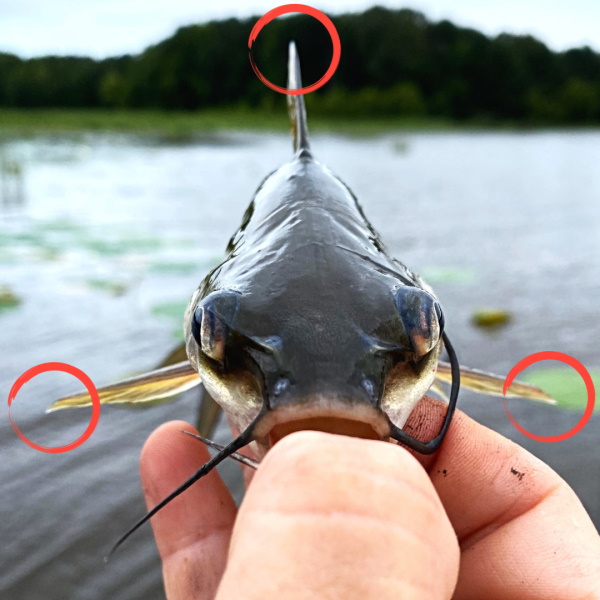
Catfish have three hard spines. One on the dorsal fin and one on each pectoral fin. The spines can lock in place, puncture skin, and sometimes deliver venom from small glands. The whiskers (barbels) do not sting. They only help the fish feel and taste.
Here is the key idea. Most pain comes from the puncture and bacteria. Some species also add venom, which makes pain burn more. That is why the question, does catfish sting, sounds simple but needs a careful answer.

Which catfish hurt most? Freshwater vs. saltwater
Not all catfish are equal. The type of fish and where it lives matter.
- North American freshwater catfish (channel, blue, flathead): The spines are sharp. Juveniles have mild venom glands that fade with age. Punctures hurt and can get infected, but pain is usually short.
- Saltwater and brackish catfish (hardhead, gafftopsail): The spines are sharp and the venom is stronger. Pain can be severe. Hot water helps a lot.
- Global species to respect: Some eel-tailed and Asian “stinging” catfish have powerful venom. Rare for US anglers, but they can cause serious wounds.
I get asked does catfish sting more in salt water than in fresh. In my experience and in medical reports, saltwater species cause worse pain and more infections.

What a catfish spine injury feels like and why it can get worse?
A typical injury starts as a sudden stab, then a hot, burning pain. Swelling follows. With sea catfish, pain can spread up the limb and peak in minutes.
Watch for these risks:
- Embedded spine tips or sheath fragments
- Infection from water bacteria, including Vibrio in warm, brackish water
- Red streaks, fever, or swollen nodes
- Joint or tendon injuries if the spine hits a bad spot
If you are thinking, does catfish sting like a wasp, the feel can be similar with saltwater fish. But it comes from a spine puncture plus toxins, not a stinger.
First aid that works: step-by-step
If you get stuck, act fast and stay calm. Here is a simple plan I teach new anglers.
- Remove the spine if visible
- Use clean tweezers. Do not squeeze the wound.
- If a spine is deep or near a joint, get medical care.
- Rinse and clean
- Rinse with clean running water.
- Wash with mild soap.
- Do not close the wound tight. Let it drain.
- Hot water soak for severe pain (especially saltwater)
- Use water as hot as you can tolerate, not scalding. Aim for about 110–113°F.
- Soak 30 to 90 minutes. Heat can break down fish toxins and ease pain.
- Disinfect and cover
- Apply an antiseptic.
- Cover with a clean dressing. Change it daily.
- Check tetanus and infection
- Update tetanus if needed.
- Seek care fast if you have fever, spreading redness, or other warning signs.
What not to do:
- Do not pee on the wound.
- Do not seal the wound with glue.
- Do not ignore deep pain, numbness, or swelling.
People often ask, does catfish sting need antibiotics. Some wounds do. A doctor can decide, based on depth, water type, and your health.

How to hold a catfish without getting stuck?
Safe handling turns close calls into non-events. This is my go-to method for common freshwater fish.
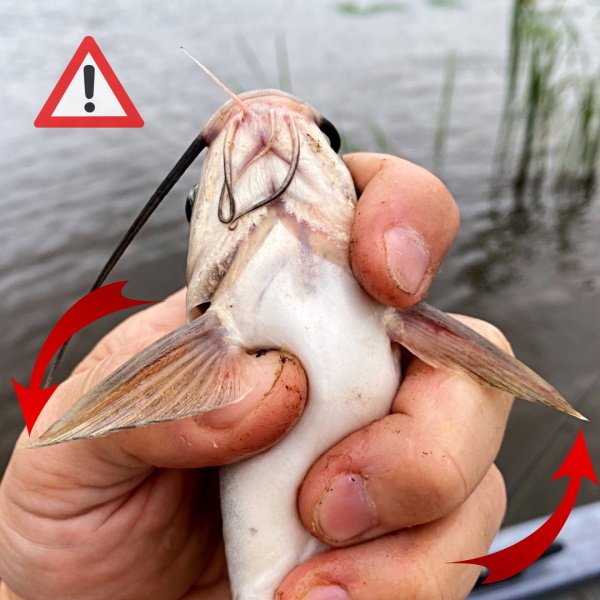
- Grip behind the pectoral spines: Place your hand over the back, thumb and fingers behind each pectoral spine base. Keep the dorsal spine pointed away.
- Support the belly: Use the other hand to support the fish. Keep it low over the water.
- Use tools: Long-nose pliers, a de-hooker, and a fish grip reduce risk.
- Keep the fish calm: Wet your hands. Work fast. Release or stow the fish without fuss.
- For big blues and flatheads: Use a lip grip plus hand support. Keep spines clear.
If you are new and still wonder, does catfish sting when I grab it by the lip, note that lip-gripping avoids the spines but is not foolproof. The fish can thrash and swing a spine into your wrist. Keep control at all times.
Field notes from years on the water
My worst hit came from a surf-caught hardhead catfish. The dorsal spine nicked my thumb knuckle. The pain was sharp, then searing. Hot water cut the pain within minutes. I learned to keep a thermos and a first-aid kit in my truck.
Another lesson: small channel cats are the sneakiest. Their spines are like needles. I once rushed a release and got poked through a thin glove. Since then, I pause, set the fish, and plan my grip before I touch it.
These real moments shape my answer when someone asks, does catfish sting. The fish does not “sting” like a bee, but the outcome can feel the same or worse if you skip safety steps.
Myths and facts about catfish “stings”
- Myth: The whiskers sting.
Fact: Barbels have no venom or stingers. They only sense food. - Myth: Rubbing slime on the wound helps.
Fact: Slime may carry bacteria. Clean the wound instead. - Myth: Urine or bleach cures the pain.
Fact: Both can harm tissue. Use hot water for severe pain and clean care. - Myth: Big cats are safe, only small ones hurt.
Fact: All sizes can pierce skin. Larger fish can drive spines deeper.
If your next question is, does catfish sting even after it is dead, the answer is yes. The spine still cuts, and toxins can remain active for a while.
Prevention checklist for anglers and noodlers
Use this short list each trip. It keeps pain out of your day.
- Pack a small kit: tweezers, bandages, antiseptic, and a thermometer for water temp.
- Carry a de-hooker and long pliers.
- Wear sturdy gloves when learning, but never trust thin fabric against spines.
- Control the fish before touching the hook.
- Keep kids and pets away during landing.
- Avoid blind grabs in muddy water or under logs.
- If you noodle, use a buddy, wear gloves, and scout holes slowly.
If you still ask, does catfish sting in cold water, risk is lower for infection, not zero. Spines are sharp year-round.
Frequently Asked Questions of does catfish sting
Does catfish sting like a bee?
Not exactly. It is a spine puncture that can include venom, which feels like burning pain.
Do catfish whiskers sting or shock you?
No. Barbels are harmless. They help the fish feel and taste but cannot sting.
How long does the pain last after a catfish spine injury?
Freshwater pokes often calm down in a few hours. Saltwater hits can hurt longer but improve with hot water treatment.
Should I go to the ER for a catfish injury?
Go if the wound is deep, near a joint, or very painful. Also go if you have fever, red streaks, or health risks like diabetes or liver disease.
Can catfish spines break off under the skin?
Yes, tips can snap and stay inside. A clinician may need to remove them, sometimes with imaging.
Does catfish sting more with big fish or small fish?
Small fish have sharper, needle-like spines. Big fish can drive spines deeper. Both can cause injuries.
Does catfish sting in freshwater the same as in saltwater?
Saltwater catfish often cause stronger pain and higher infection risk. Treat fast and use hot water if pain is intense.
Conclusion
Catfish do not have stingers, but their fin spines can puncture, deliver mild toxins, and seed bacteria. With smart handling, quick first aid, and the right tools, you can fish with confidence and avoid painful surprises. The next time someone asks, does catfish sting, you will have the full, accurate answer.
Take action on your next trip: pack a simple kit, practice the safe grip, and set a plan before you touch the fish. Want more practical guides like this? Subscribe for updates, share your story in the comments, and tell me what topic you want next.