

The biggest catfish ever caught is a 646-pound Mekong giant catfish from Thailand.
Many anglers ask what is the biggest catfish ever caught. The short story is wild, but the details are better. I study record fish, talk with biologists, and fish big rivers.
This guide explains the record, how it was verified, and what it means. If you want the full truth about what is the biggest catfish ever caught, you are in the right place.

The record that stands
If you ask what is the biggest catfish ever caught, this is it. In 2005, fishers in northern Thailand landed a Mekong giant catfish weighing 646 pounds, or 293 kilograms. It measured close to nine feet long. It was inspected and weighed by local officials and researchers. That level of oversight makes the record strong.
When people debate what is the biggest catfish ever caught, they often ask about rod and reel. The 646-pound fish was not a sport catch in the classic sense. It was taken in a managed fishery using traditional gear. Sport records for catfish are lower, but still huge. Even so, no other verified catfish tops that Thai giant.
How record catfish are verified?
Defining what is the biggest catfish ever caught depends on method and rules. Different bodies track different records. Some accept only rod and reel. Others log net or trap catches that are closely monitored.
Here is what strong records include:
- Clear species ID by experts or clear photos
- Accurate weight on a certified scale
- Precise length and girth with a tape
- Independent witnesses or officials present
- Time, place, and method details in writing
- Photos and, when possible, video
For sport catches, top groups enforce strict rules. They cover line class, fight time, and banned aids. That is why a verified sport record can be lighter than a subsistence catch, yet still be the sport world record.
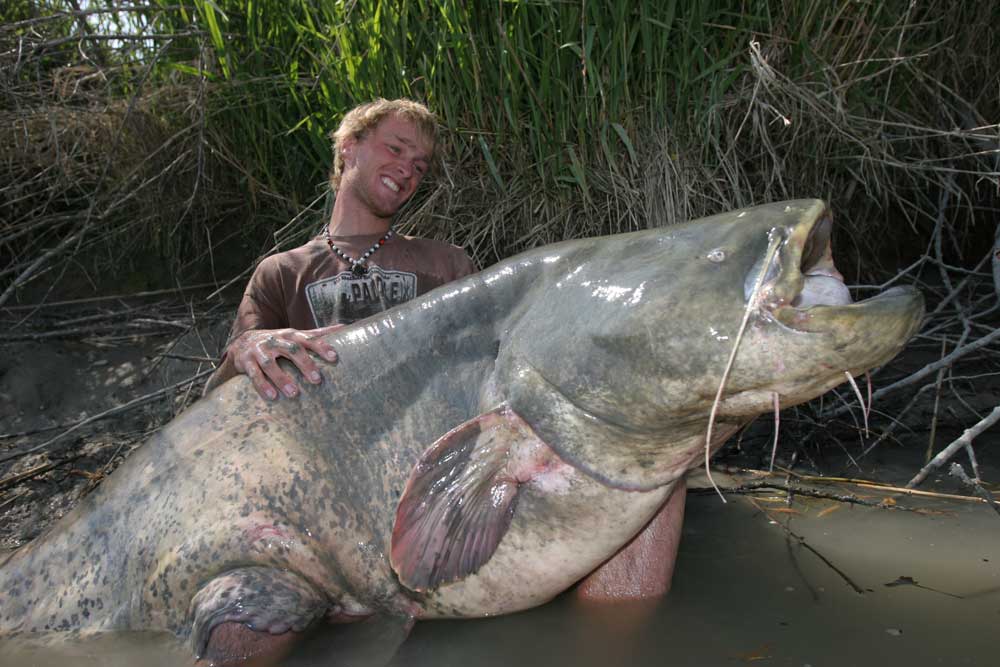
Species capable of record sizes
To understand what is the biggest catfish ever caught, compare the giants across the world. A few species can reach huge size. Each has its own range and habits.
- Mekong giant catfish. Native to the Mekong Basin in Southeast Asia. Largest confirmed weight is 646 pounds. It is a plankton-feeding catfish, rare and protected.
- Wels catfish. Native to Europe. It thrives in the Po and Ebro rivers. Verified sport fish over 250 pounds are known. The largest accepted rod-and-reel fish is near 300 pounds.
- Piraiba. Found in the Amazon and Orinoco. This is the top large predatory catfish of South America. Sport records exceed 300 pounds.
- Blue catfish. Native to the Mississippi and related rivers. The top verified sport record is 143 pounds. Many fish over 100 pounds are caught each year in the US.
- Flathead catfish. A US species with a big head and powerful build. The best record is 123 pounds. Many more 50 to 70 pound fish are landed each season.
- Goonch. Native to South Asia. It can pass 200 pounds. It is a strong river fish that thrives in fast water.
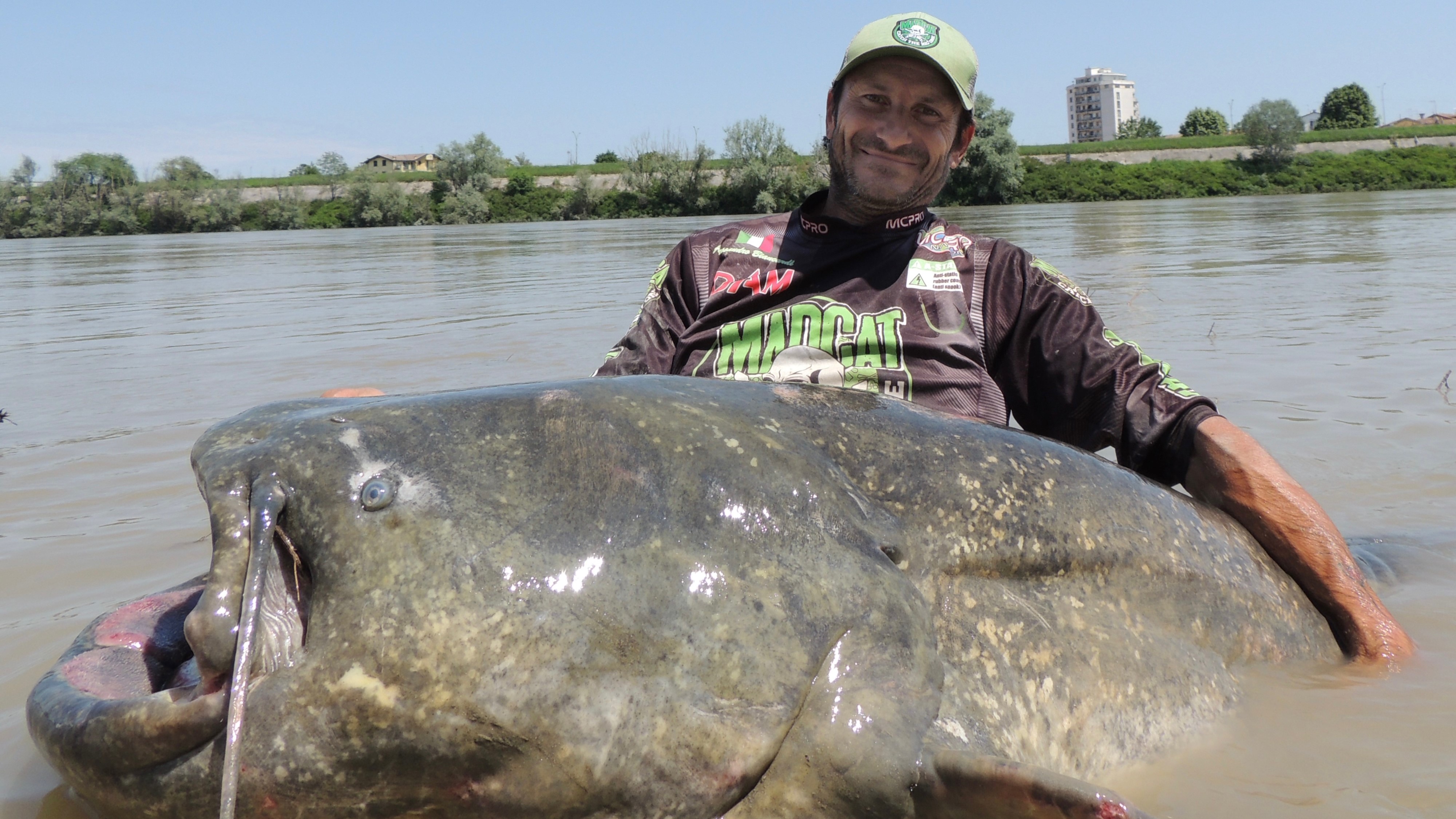
Where giants live?
If you dream about what is the biggest catfish ever caught, study habitats first. Giant catfish need food, depth, and room. They also need stable flow and space to migrate.
Prime waters include:
- Mekong River. Deep runs, big floodplains, and long routes for spawning.
- Po and Ebro Rivers. Warm water, big prey, and flat shelves that hold fish.
- Amazon and Orinoco. Vast channels, flooded forests, and bait-rich ledges.
- US big rivers and reservoirs. The Mississippi, Tennessee, and James River systems have great blue catfish growth.
Look for edges. Big cats hold near channel drops, log jams, and current seams. They slide in and out of these zones to feed and to rest.
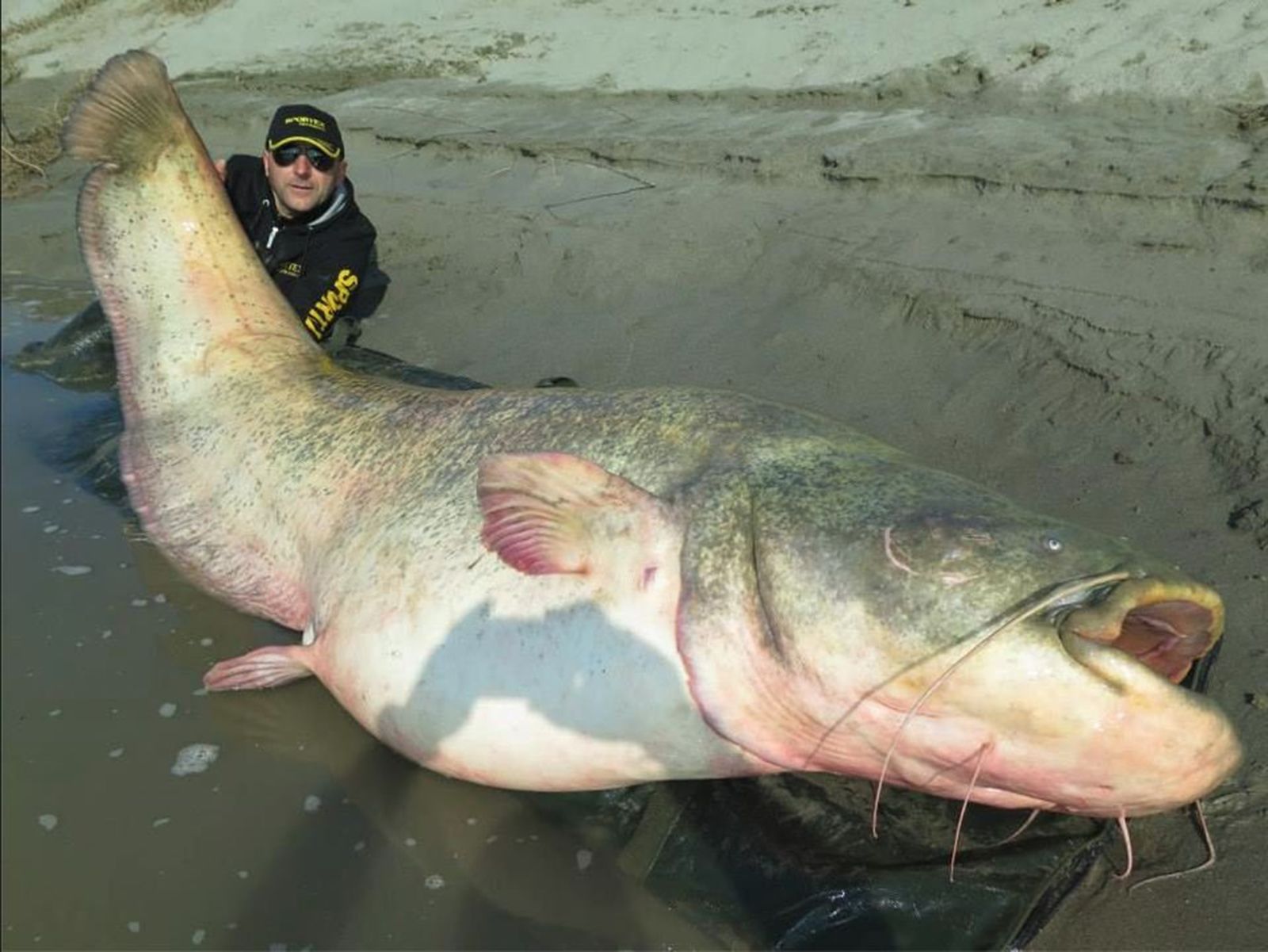
Tactics and gear for outsized catfish
Anyone chasing what is the biggest catfish ever caught class fish needs stout gear. Fights can last an hour or more. Weak tackle fails. Safe handling matters.
Core setup:
- Rod. Seven to nine feet with heavy power and fast tip.
- Reel. Strong drag, smooth start-up, and high line capacity.
- Line. 65 to 100 pound braid with an 80 to 130 pound leader.
- Hooks. Circle hooks reduce deep hooking and help clean releases.
- Rigs. Simple slip sinker or three-way rigs keep baits near the bottom.
Bait and timing:
- Use fresh cut bait for blue and piraiba. Think oily fish like shad or eel.
- Try live bait for flathead. Bluegill and small carp are proven in legal waters.
- Fish edges during low light. Dawn, dusk, and at night shine on hot days.
Safety and handling:
- Use a large rubberized net and a cradle.
- Keep the fish wet and supported. Never hang it by the jaw.
- Weigh with a sling, then release fast if the law or your ethics call for it.
Ethics and conservation
Chasing what is the biggest catfish ever caught must not harm fish stocks. The Mekong giant catfish is critically endangered.
Dams, habitat loss, and harvest pressure hurt big fish first. Many rivers also face invasive risks. Wels and blue catfish can shift local food webs when stocked outside their native range.
Good practice:
- Follow local rules on seasons, size, and gear.
- Favor catch and release for trophy fish.
- Use barbless hooks where safe and legal.
- Limit air exposure to seconds, not minutes.
- Support habitat work and science tagging programs.
Big fish are rare for a reason. They grow slow and breed fewer times. Treat each one as a resource and a gift.
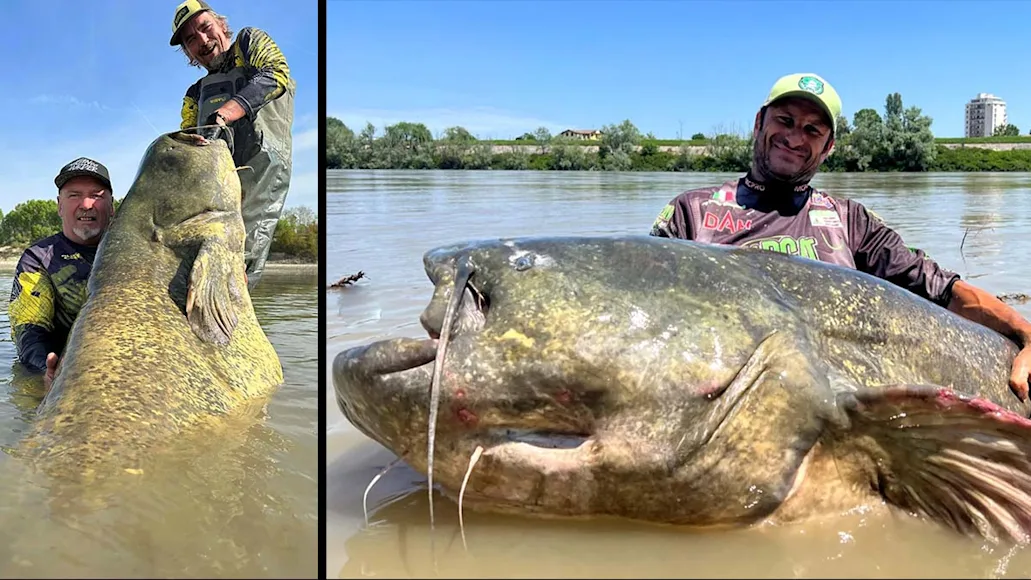
Common myths about giant catfish
When people ask what is the biggest catfish ever caught, myths pop up. Some are fun, but they can mislead new anglers.
- Myth: Catfish the size of cars live near dams. Truth: No verified catfish comes close to a car’s size.
- Myth: Giant catfish eat people. Truth: They are not a threat to people in normal cases.
- Myth: Cheese is the best bait for every big cat. Truth: It can work for small fish. Record fish prefer fish baits or live bait.
- Myth: You need secret spots. Truth: You need current seams, deep holes, and patience.
- Myth: Stronger line always lands more fish. Truth: Good knots, fresh hooks, and smart angles matter more.
Personal insights from the water
My rule when people ask what is the biggest catfish ever caught is simple. Size follows system health. I have logged many hours on big US rivers and on Spain’s Ebro. Three lessons stand out.
- Keep logs. Mark flow, moon phase, bait, and strike times. Patterns jump out after ten trips.
- Fight smart. Angle the fish off structure and keep steady pressure. Do not pump and drop. That opens the hook hole.
- Prep for the weigh. Have the sling, scale, and camera ready. Time kills a release more than anything.
Mistakes to avoid:
- Long bank drags. Use a cradle to protect the fish.
- Tiny hooks. They fold in heavy current.
- Old line. Sun and time weaken braid more than you think.
Frequently Asked Questions of what is the biggest catfish ever caught
What is the biggest catfish ever caught?
The largest confirmed catfish weighed 646 pounds. It was a Mekong giant catfish from Thailand in 2005.
Where was the biggest catfish ever caught?
It was taken in the Mekong River in northern Thailand. Officials and researchers verified the weight and species.
Is the 646-pound fish the biggest catfish ever caught on rod and reel?
No. That catch was not a classic sport catch. The largest rod-and-reel catfish vary by species, with wels and piraiba leading.
Which catfish species grow the largest?
Mekong giant catfish, wels catfish, and piraiba are the top three. Blue and flathead catfish are the largest in North America.
How long do giant catfish live?
Many large catfish can live 20 to 60 years. Long life helps them reach true trophy sizes.
What bait works best for trophy catfish?
Use fresh cut bait for blue and piraiba, and live bait for flathead. Match local prey and keep baits fresh.
Are giant catfish dangerous?
They are powerful and can injure you during handling. Use care, support the body, and avoid putting hands in gills.
Conclusion
Now you know the facts behind what is the biggest catfish ever caught. A 646-pound Mekong giant catfish still holds the crown. The path to giants is simple but not easy. Study the river, use the right gear, and handle fish with care.
If the question what is the biggest catfish ever caught pulled you here, let it push you to fish smarter and protect what you love. Want more tips and river reports? Subscribe, share your story, or ask a question in the comments.