

Most catfish live 8–20 years, but big river giants can reach 30–60 years.
If you want a clear, expert answer to how long do catfish live, you are in the right place. I have worked with anglers, aquarists, and field teams, and I will break this topic down with facts, real examples, and simple tips.
Keep reading to learn what drives catfish longevity, species differences, and how to help them live longer in tanks, ponds, and rivers.
Lifespan at a glance
Most catfish are long-lived compared with many freshwater fish. Lifespan depends on species, size, water quality, and fishing pressure. Large river catfish often live longer than small aquarium species.
Key ranges you can expect:
- Channel catfish: 10–20 years in the wild, sometimes a bit longer.
- Blue catfish: 20–30 years is common, with some reaching 35+ in big rivers.
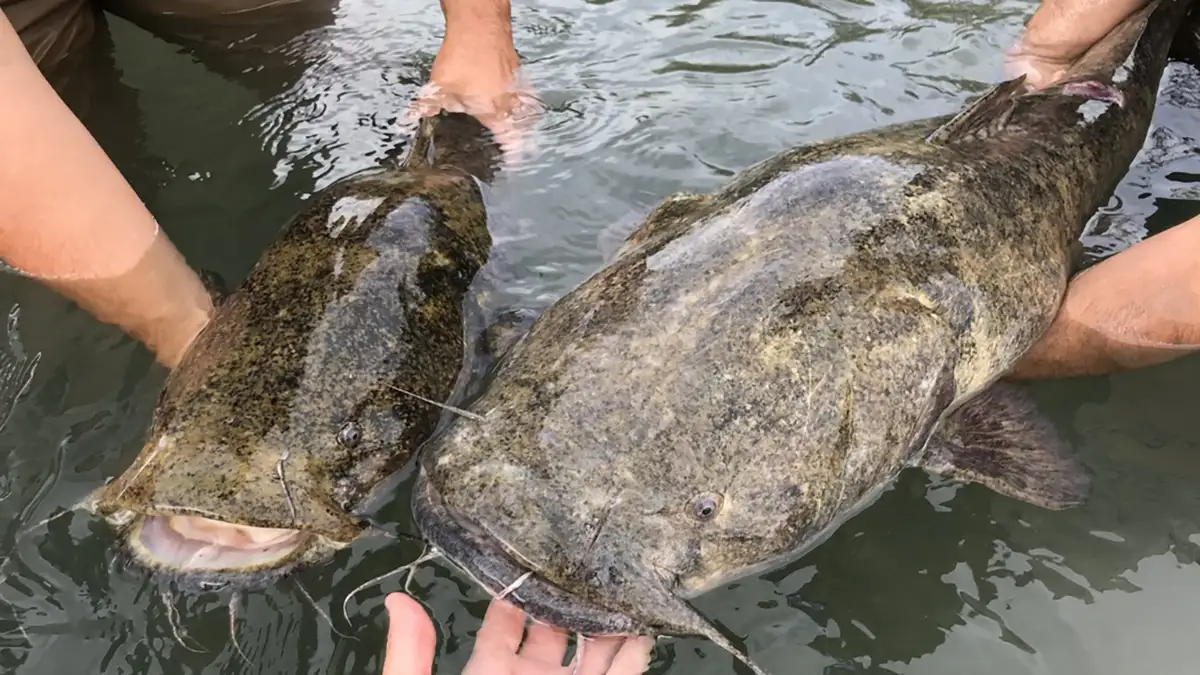
- Flathead catfish: 15–28 years, with a few over 30 in low-pressure waters.
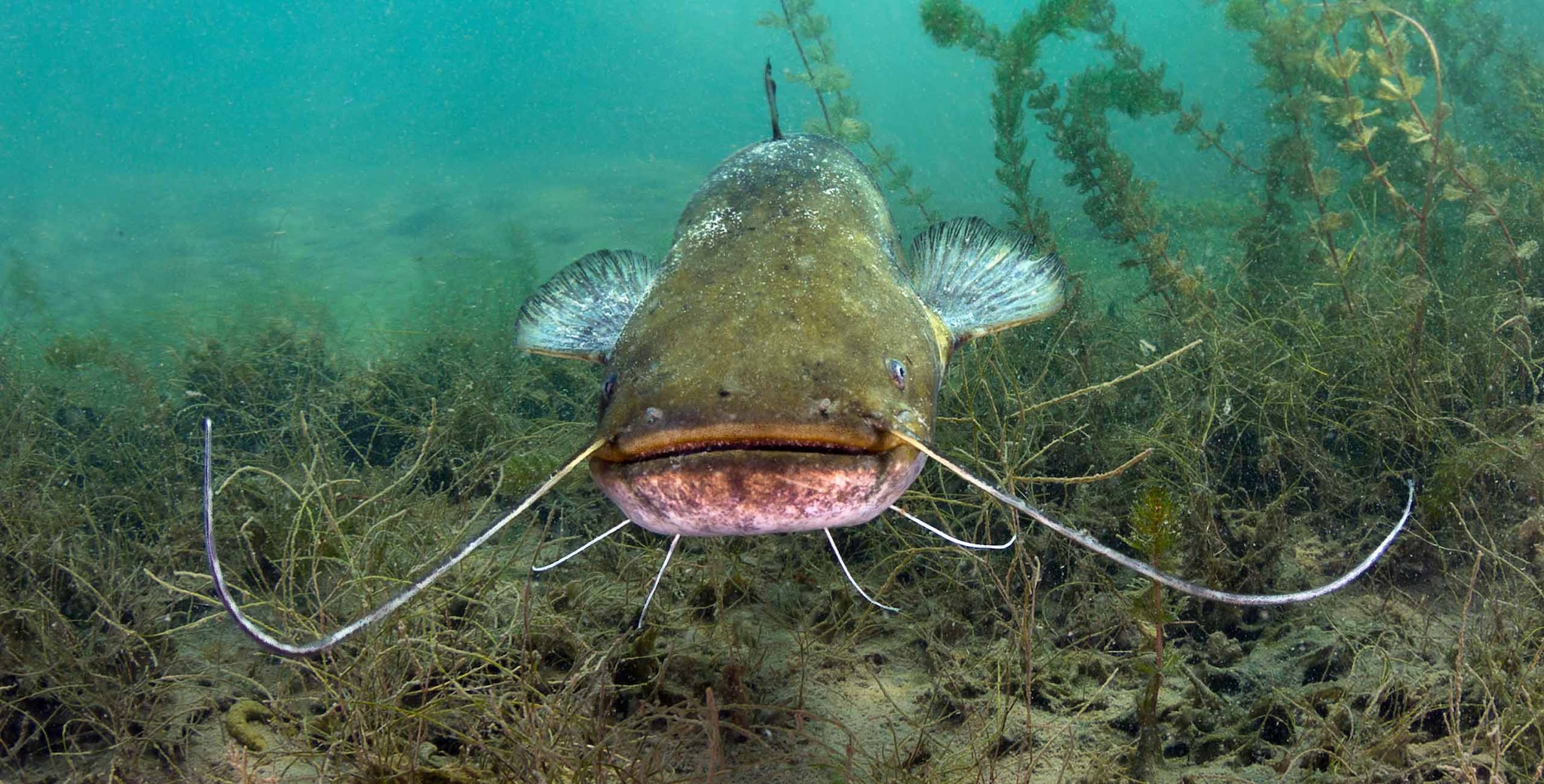
- European wels: 30–60+ years in ideal, stable conditions.
- Mekong giant catfish: 40–60+ years based on long-term studies and fisheries data.
- Aquarium catfish: 5–15 years for many species, with standouts reaching 20.
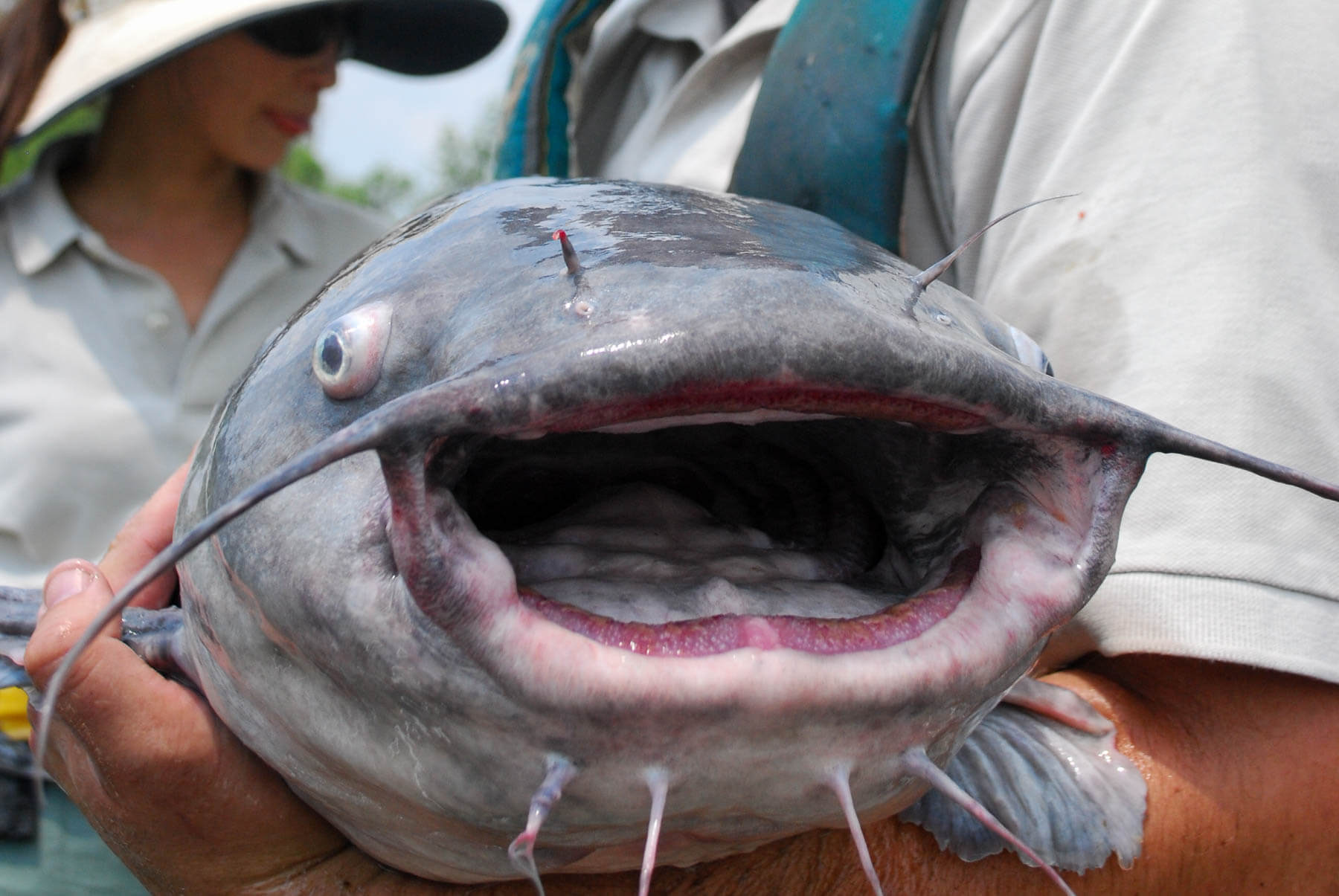
What shapes a catfish’s lifespan?
Genetics set the upper limit, but habitat decides how close fish get to it. Stable flows, clean water, and good food push fish toward the high end. Heat, low oxygen, crowding, and disease shorten life.
Many people ask how long do catfish live in ponds, rivers, or tanks. The answer changes with stress and care. Growth rate, harvest rules, and predator pressure also matter.
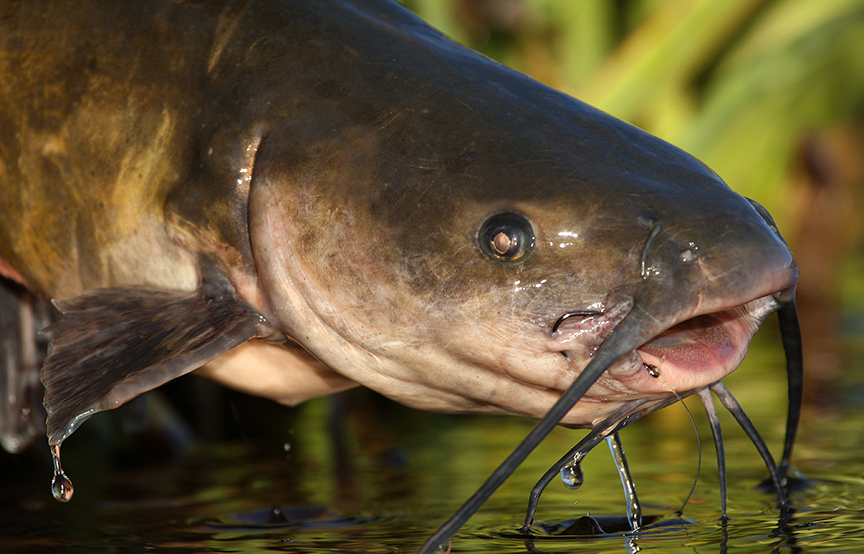
Species-by-species breakdown
Different catfish lineages age at different speeds. Below are well-documented ranges and what drives them.
Channel catfish (Ictalurus punctatus)
Channel cats often reach 10–20 years in healthy rivers and reservoirs. Good forage and moderate temperatures help them age well. In small ponds with crowding, life can be shorter.
Blue catfish (Ictalurus furcatus)
Blue cats grow large and live long. Many reach 20–30 years, and trophy waters hold fish older than 35. Cold winters and steady flows tend to favor longer lives.
Flathead catfish (Pylodictis olivaris)
Flatheads are top predators. They reach 15–28 years in many systems and can go beyond 30 in protected waters. Low exploitation helps older age classes survive.
European wels catfish (Silurus glanis)
Wels catfish are giants with slow, steady growth. Verified ages reach 40–60 years, with rare claims beyond that. Big, stable lakes and rivers are key.
Mekong giant catfish (Pangasianodon gigas)
These fish show slow growth and long life. Many sources report 40–60+ years. Dams and habitat loss make those ages harder to achieve today.
Aquarium catfish favorites
- Corydoras species: 5–10 years is common, with careful care up to 15.
- Synodontis species: 10–15 years in stable tanks with clean water.
- Pictus catfish: 8–10 years with strong filtration and open swim space.
- Plecos (various Loricariids): 10–20 years for many large species.
- Redtail catfish: 15–20+ years, but they need huge tanks and top filtration.
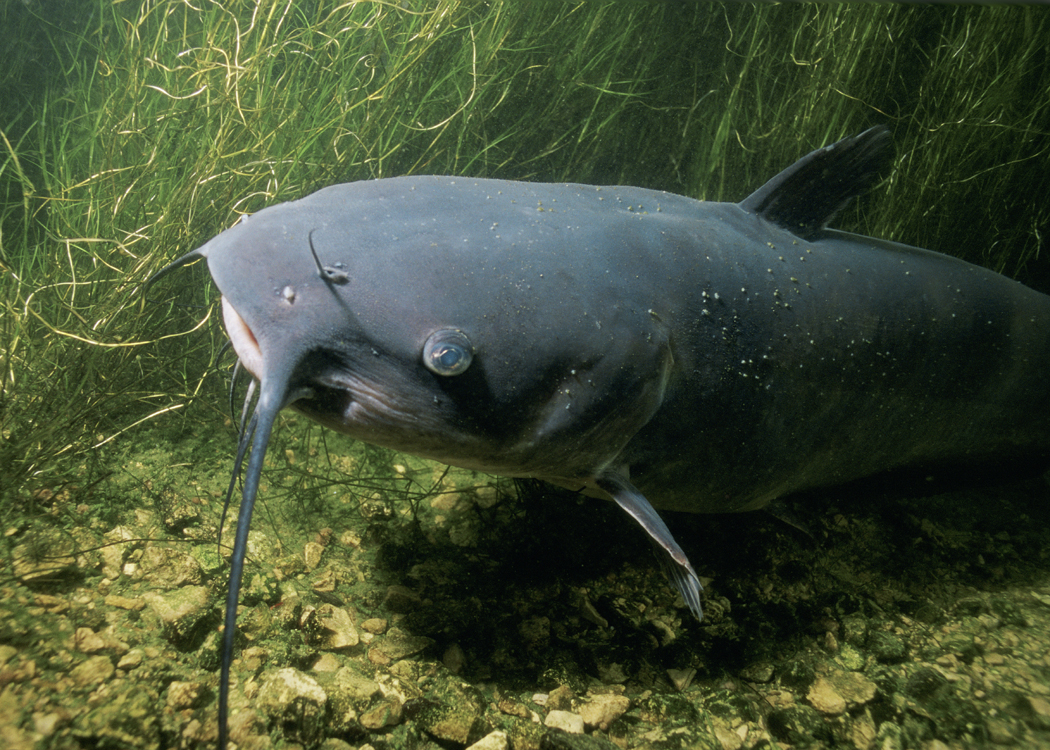
Wild vs captivity: why ages differ
In the wild, fish face floods, droughts, predators, and anglers. The upside is natural diets and room to move. The downside is risk and stress.
In tanks or ponds, water quality, diet, and stocking are controlled. That can extend life if care is good. Poor care shortens life fast, especially for large species that outgrow small tanks.
People ask how long do catfish live in a home aquarium. With strong filtration, stable water, and enough space, many reach the high end of their range. In small tanks, lifespan drops.
How biologists age catfish?
Scientists use bones and spines to read growth rings, like trees. They cross-section otoliths or pectoral spines and count rings. Tag-recapture studies help confirm ages.
Ages over 20 are checked with multiple methods. That reduces error and avoids overestimates. This is how we know how long do catfish live in real rivers, not just in theory.
Practical care and management tips for longer life
Over the years, I have seen small changes add years to fish life. These steps help both keepers and anglers.
For aquarists:
- Match species to tank size. Big cats need hundreds of gallons and strong lids.
- Keep water clean. Aim for zero ammonia and nitrite, and low nitrate.
- Feed varied foods. Use quality sinking pellets, frozen fare, and occasional veggies for plecos.
- Maintain stable temps and oxygen. Add aeration and avoid big swings.
For pond owners:
- Avoid crowding. Stock at levels your pond can support.
- Protect water quality. Limit runoff, add aeration, and manage algae.
- Offer structure. Logs and rock piles reduce stress and improve survival.
For catch-and-release anglers:
- Use circle hooks. They reduce deep hooking and bleeding.
- Keep fish wet. Limit air exposure and support the belly when lifting.
- Release in calm water. Let the fish swim off strong.
If you want to know how long do catfish live under top care, these steps push fish toward their genetic limit. Simple, steady care works best.
Records, myths, and verified maximums
You may hear claims of 100-year catfish. Verified science does not support that for North American species. The longest ages backed by samples and tags sit in the 30–60 range, depending on species.
Large, slow-growing species live longest. That includes blue cats, flatheads, wels, and Mekong giants. When you ask how long do catfish live, remember that extreme claims need hard proof.
Conservation and climate impacts on lifespan
Warming water speeds metabolism. That can boost growth but may shorten life, especially when oxygen drops. Drought and altered flows add stress.
Fishing pressure can remove older fish first. Slot limits and season rules help protect breeders. If we want longer-lived fish, we must protect habitat and manage harvest well. These actions shape how long do catfish live in future rivers.
Frequently Asked Questions of how long do catfish live
How long do catfish live in the wild?
Most wild catfish live 8–20 years, with big species reaching 30–60. Clean water and low fishing pressure support longer lives.
How long do catfish live in captivity?
Many aquarium catfish live 5–15 years with good care. Large species can pass 20 years if they have space and stable, clean water.
Which catfish species lives the longest?
Wels and Mekong giant catfish are leaders, often 40–60+ years. Among North American species, blue and flathead catfish top the list.
Do bigger catfish live longer?
Often yes. Large, slow-growing species tend to live longer, if they avoid harvest. Big fish also need stable habitats to reach old age.
What shortens a catfish’s lifespan most?
Poor water quality, high heat, low oxygen, disease, and heavy harvest. In tanks, crowding and poor filtration are common culprits.
How can I tell a catfish’s age?
Biologists read rings on otoliths or spines, not scales. For anglers and keepers, length and weight give only rough guesses.
How long do catfish live in a farm pond?
Expect 8–15 years for common species when ponds are well managed. Aeration, balanced stocking, and good forage extend life.
Conclusion
Catfish have slow, steady lives compared with many fish. With the right habitat and care, many reach decades, and the biggest species can cross the 30–60 year line. Your choices on water quality, space, and harvest can add years.
If you found this useful, share it with a friend who loves fish. Subscribe for more hands-on guides, or drop a question in the comments so we can help you plan for long-lived, healthy catfish.