

Use light tackle, small jigs or minnows, and target structure at the right depth.
If you want to learn how to catch crappie fish with consistency, you are in the right place. I have guided and logged thousands of hours on southern reservoirs, northern lakes, and tidal rivers.
This guide blends proven methods, science-backed insights, and field-tested tips you can use today. Stay with me, and you will know how to catch crappie fish in any season and any water.
Understanding Crappie Behavior
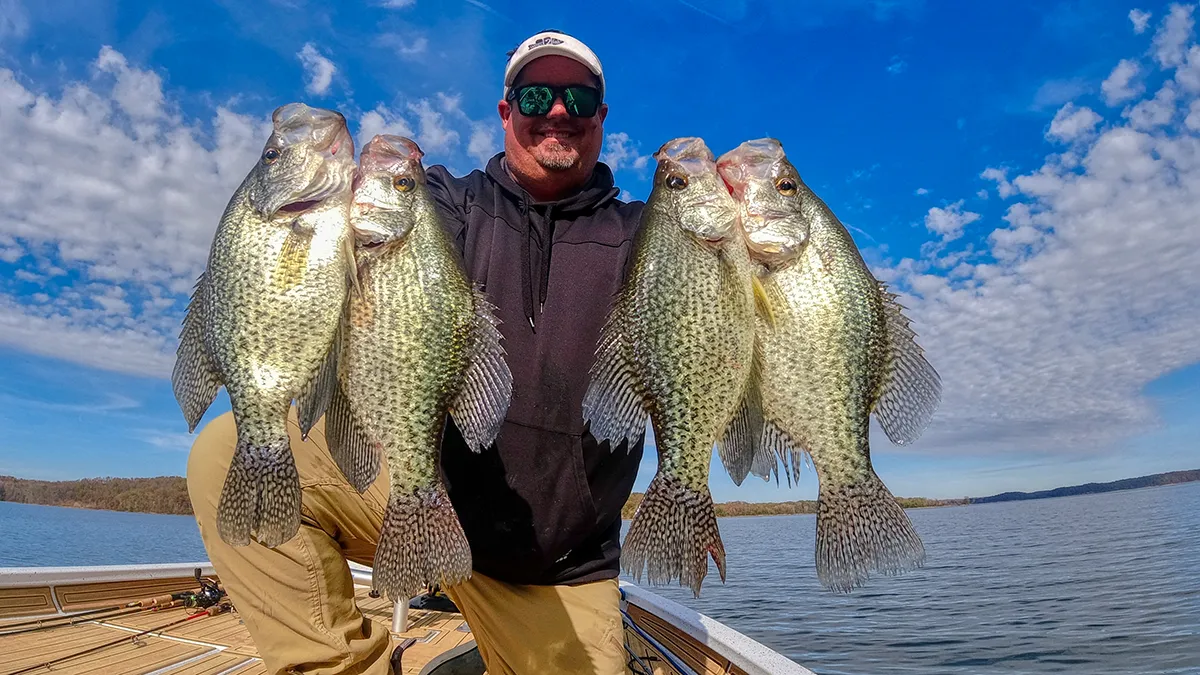
Crappie are sight feeders with soft mouths and a strong link to cover. They often school by size and relate to structure like brush, docks, timber, and weeds. Water temperature drives their depth and movement. Light, clarity, and pressure also shape their bite.
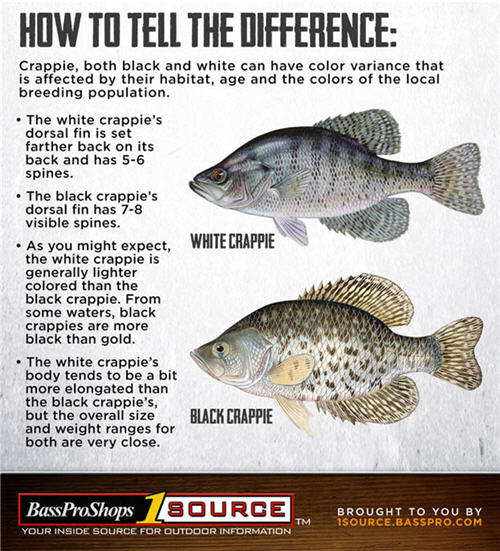
Black crappie prefer clear water and weeds. White crappie favor stained water and timber. Both stage, spawn, and then slide deeper across seasons. Learn the pattern, and you will find them fast.
Essential Gear and Tackle
You do not need heavy gear to learn how to catch crappie fish. Light tackle shines. A 6-7 foot light or ultralight rod with a soft tip helps detect light bites. Pair it with a 1000–2000 size spinning reel.
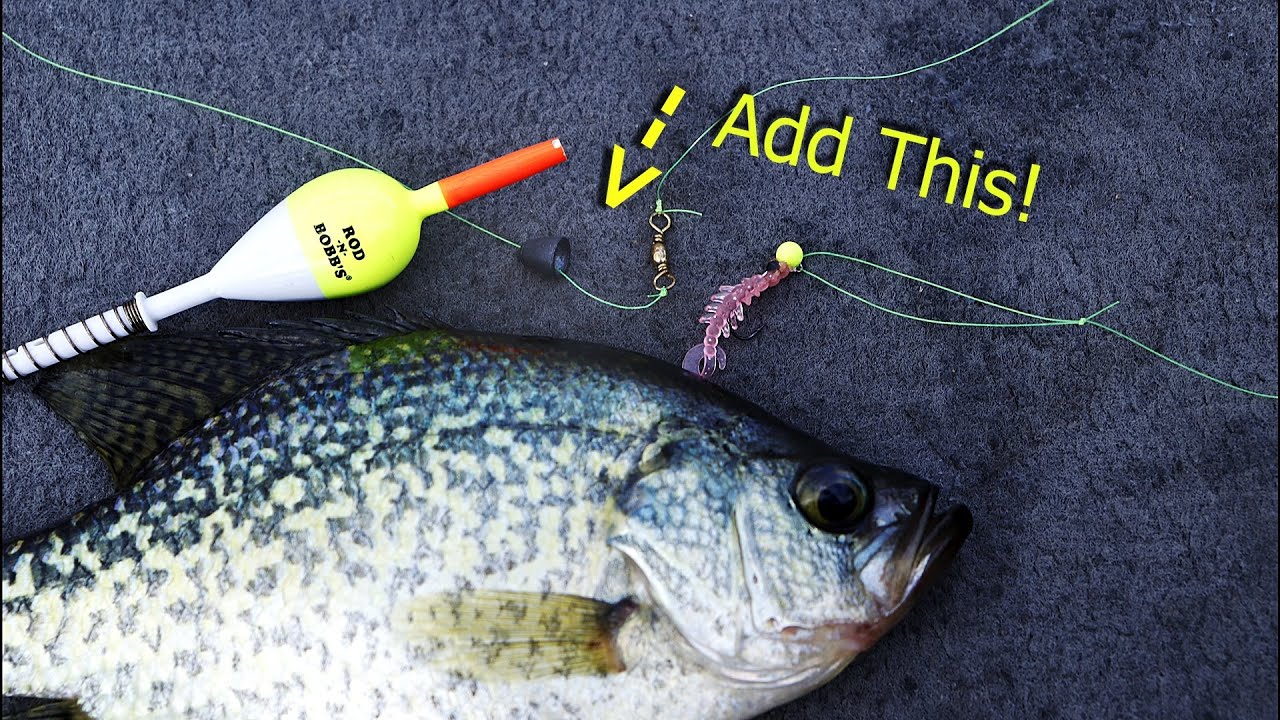
Use 4–8 lb mono or braid with a 4–6 lb fluorocarbon leader. Carry 1/32–1/8 oz jigs, size 2–6 light-wire hooks, and split shot. Add slip floats, jig heads, and small snaps to change lures fast.
Keep a small box with tubes, hair jigs, and paddle-tail plastics. Add swivels, bobber stops, and beads for clean rigs. A long-handled net saves fish at the boat or bank.
Best Baits and Lures for Crappie
Live minnows catch fish anywhere. They are my go-to when a front hits or water is cold. Hook them through the lips or behind the dorsal. Keep them fresh and lively.
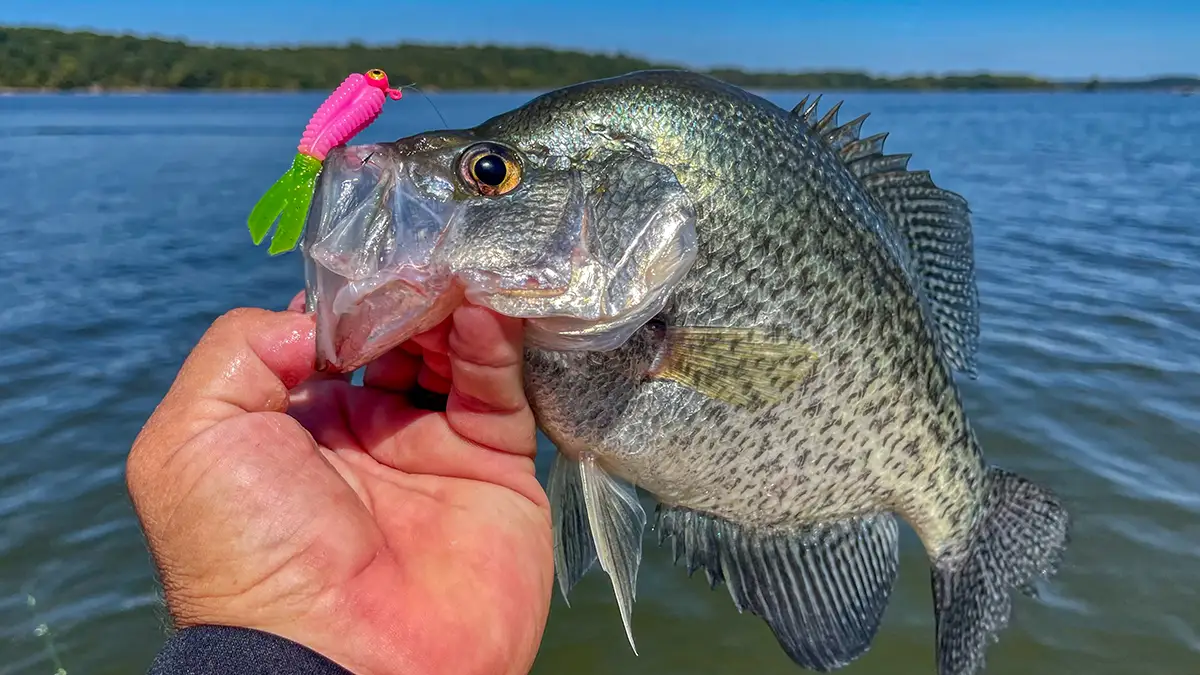
Jigs catch numbers and big fish. Tubes and marabou work in cold water. Paddle tails and stingers shine when crappie chase shad. Use 1/16 oz most days. Drop to 1/32 oz in clear water or shallow cover.
Match color to clarity. Use natural shades in clear water. Try chartreuse, white, and pink in stained water. Use glow or dark silhouettes at night or under clouds. Scented plastics or a crappie nibble can seal the deal.
Techniques That Work Anywhere
Crappie are moody, so adjust your method to their mood and depth. Slow is often better than fast. Use small, steady moves, and pause often. Watch your line for a tick or slack. Set the hook with a light sweep to protect their soft mouths.

Vertical jigging
- Drop a jig to the school and hover at their level.
- Micro-hops and long pauses trigger shy fish.
- Best over brush, timber, or when wind is light.
Slip-float presentations
- Set depth with a stop. Keep the bait in the strike zone.
- Use a small split shot to balance the float.
- Great for shallow spawn and suspended fish.
Casting and swimming jigs
- Cast past the target and count down your jig.
- Swim slow with tiny twitches. Keep contact with the bait.
- Works on points, weed edges, and docks.
Spider rigging and pushing
- Multiple long rods hold baits at set depths.
- Drift or slow troll at 0.3–0.8 mph.
- Best on big reservoirs to search water fast.
Dock shooting
- Pinch the jig, load the rod, and sling it under cover.
- Let it fall on a tight line. Watch for the tick.
- Deadly in summer and winter around shady docks.
Ice tactics
- Use 1/64–1/16 oz tungsten jigs and waxies or plastics.
- Cadence: shake, hold, hold. Long pauses win.
- Use a flasher or forward sonar to stay on fish.
Finding Fish: Structure, Electronics, and Maps
You catch more when you find structure. Crappie stack on edges and shade. Think of water like a city. Brush piles are apartments. Points are busy streets. Creek channels are highways.
Use mapping to mark points, channel swings, and flats near spawning coves. Side imaging shows brush, stumps, and docks. Down imaging shows fish inside cover. Forward sonar reveals fish size and mood. If you do not have electronics, read the bank. Look for docks, laydowns, and steep banks that mirror underwater features.
Key targets:
- Brush piles, stake beds, and laydowns
- Docks with shade and deep water nearby
- Weed edges, rock piles, and bridge pilings
- Channel bends, points, and mid-lake humps
Seasonal Patterns and Water Conditions
Spring
- Pre-spawn: 48–55°F. Stage on points and channel edges.
- Spawn: 56–68°F. Shallow flats, reeds, and wood.
- Use slip floats and small jigs or minnows.
Summer
- Move to deeper brush, timber, and docks with shade.
- Fish early, late, or at night. Slow down and fish precise.
- Thermocline holds life. Target that depth.
Fall
- Shad move shallow. Crappie chase them.
- Cover water with small swimbaits and light jigs.
- Look for wind-blown banks and bait balls.
Winter
- Tight schools over deep timber and channels.
- Vertical jigs with tiny moves. Long pauses.
- Use hair jigs or minnows. Fish slow.
Adjust to water clarity and fronts. In muddy water, go bright and shallow. In clear water, go natural and light. After a front, cut speed and add scent or live bait.
Bank vs Boat Strategies
You can learn how to catch crappie fish from bank or boat. Boats help you scan and hover. But bank anglers do well with smart moves. Focus on bridges, docks, marinas, and riprap. Walk-and-cast and keep moving.
From shore, use a slip float to hold depth. Count down your jig to find the strike zone. Use a long rod to reach past brush. At night, a lantern or submersible light draws bait and fish.
Boat tips:
- Keep the boat off the fish with wind or spot lock.
- Approach from downwind or downstream.
- Use a marker buoy to hold reference on brush.
Night and Cold-Front Tactics
Night fishing can be lights out. Set up near a channel edge or dock with deep water. Lights pull in plankton, then shad, then crappie. Use small minnows or glow jigs. Fish the edges of the light, not the brightest spot.
Cold fronts make crappie sulk. Slow down and downsize. Hold the bait still. Switch to live minnows if needed. Fish tighter to cover. Expect light bites and short windows.
Common Mistakes and How to Avoid Them
- Fishing too fast. Slow down and pause longer than you think.
- Ignoring depth. The right depth beats the right color most days.
- Using heavy gear. Light line and light hooks get more bites.
- Hovering over fish too long. Make a few casts and move.
- Not checking knots and hooks. Retie often and keep hooks sharp.
Safety, Ethics, and Regulations
Check local rules for seasons, size, and creel limits. Know special rules for spider rigging or number of rods. Use a measuring board and a livewell with care.
Practice selective harvest. Keep good eaters in the 9–11 inch class when legal. Release larger fish to help the lake. Handle fish with wet hands. Support the body, not the jaw.
Field Notes From My Logbook
On a windy April day, we marked crappie on a channel swing in 12 feet. They would not chase. We switched to 1/32 oz hair jigs and held them still. The bite turned on in seconds.
In midsummer, a client wanted to learn how to catch crappie fish from docks. We shot a small paddle tail under shade in 10 feet. We counted down to five and swam slow. The first thump felt like an electric tap. We repeated that count all day.
On a cold front, minnows saved the trip. We set slip floats one foot above the brush tops. We waited. The bites were soft, but steady. The lesson stands: speed kills the bite when pressure rises.
Quick Start Checklist
- Rod and reel: 6–7 foot light power, 4–6 lb line
- Core baits: 1/32–1/8 oz jigs, tubes, hair, paddle tails, live minnows
- Rigs: slip float with stop, split shot, light-wire hooks
- Targets: brush piles, docks, timber, weed edges, bridge pilings
- Plan by season: shallow in spring, deeper in summer and winter
- Boat skills: approach quiet, hold off fish, mark brush
- Bank skills: slip float for depth, count down jigs, fish at night
- Log it: note water temp, clarity, depth, and color that worked
Frequently Asked Questions of how to catch crappie fish
What is the best time of day to catch crappie?
Early and late hours are best, with a solid bite at night in summer. Midday can work if you target shade and deeper brush.
What size jig should I use for crappie?
Use 1/32–1/16 oz most days, and 1/8 oz in wind or deeper water. Go lighter and slower in clear water or cold fronts.
Do I need live bait to catch crappie?
No, but live minnows help on tough days. Jigs catch plenty when fish are active or when you must cover water.
How deep should I fish for crappie?
Match the season and thermocline. In spring, fish shallow. In summer and winter, target mid-depths to deep brush and channel edges.
What colors work best for crappie?
Natural colors for clear water and bright colors for stained water. Chartreuse, white, pink, and glow are steady producers.
Can I catch crappie from the bank?
Yes. Focus on bridges, docks, riprap, and marinas. Use slip floats to hold depth and fish at night for action.
Is braid good for crappie?
Yes, with a light fluorocarbon leader. Braid helps sensitivity and hooksets, and the leader adds stealth.
Conclusion
You now have a full plan for how to catch crappie fish in any season. Start with light gear, find structure, and fish the right depth with slow moves. Adjust for weather, water clarity, and mood, and log what works.
Grab a small box of jigs and a few minnows and go today. Test one or two new spots and dial in the depth. If this guide helped, subscribe for more tips, share it with a friend, or ask a question in the comments.