

How to catch lake trout: find depth, mark bait, and jig or troll slow.
Lake trout are smart, deep holding predators. I have spent years dialing them in. In this guide, I break down how to catch lake trout with simple steps, tested gear, and clear plans.
If you want fast, reliable ways to find, hook, and land more lakers, keep reading. This is your roadmap on how to catch lake trout in any season.
Understanding Behavior for How to Catch Lake Trout
Lake trout follow cold water and food. They love water from about 45 to 55 degrees. They hunt smelt, cisco, herring, and perch. They use structure, temperature, and light to feed.
They move with the seasons and the thermocline. In summer, many fish suspend along points and humps. In spring and fall, they roam shallow flats and rocky breaks.
I learned to watch for bait first. If you see clouds of bait on sonar, slow down. Lakers are near. This is the core of how to catch lake trout.

Seasons, Weather, and Where They Hold for How to Catch Lake Trout
You catch more fish when you match the season. Here is a simple map.
- Early spring: Cold water. Look in 10 to 40 feet. Target wind blown points and small bays.
- Late spring: Warming water. Start at 30 to 80 feet. Focus on first breaks near deep water.
- Summer: Thermocline sets. Fish 40 to 120 feet, often off structure. Suspended fish over deep basins.
- Fall: Cooling water. Lakers slide shallow to feed. Search 20 to 60 feet on rock and gravel.
- Winter ice: Deep basins and mid lake humps. Fish 50 to 150 feet with vertical jigs.
Cloud cover helps. Wind stacks bait on the upwind side. Stable pressure keeps fish active. A clear plan by season is key in how to catch lake trout.
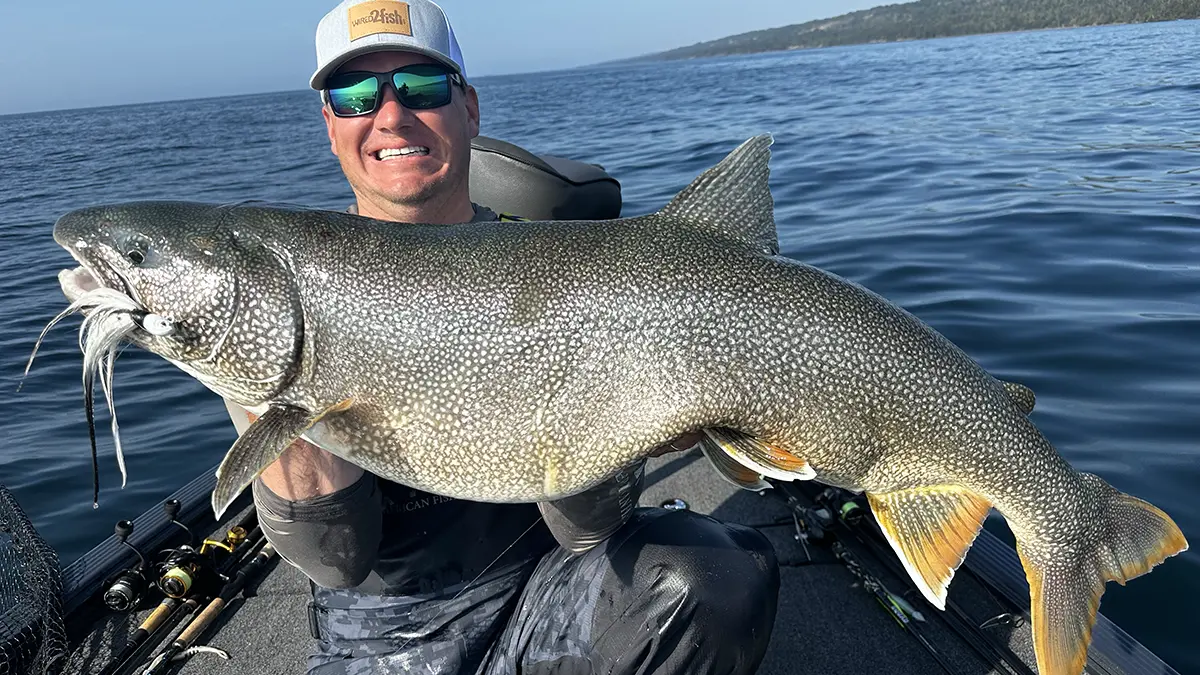
Gear and Tackle Setup for How to Catch Lake Trout
You do not need fancy gear. You need the right basics.
- Rods: Medium heavy spinning or baitcasting for jigging. Eight to nine foot trolling rods for downriggers and lead core.
- Reels: Smooth drag is vital. Use a size 3000 to 4000 spinning reel for jigging. Use line counter reels for trolling.
- Line: Ten to twenty pound braid for jigging. Use a fluorocarbon leader from ten to fifteen pound.
- Knots: Uni to uni for leaders. Palomar for lures. Check knots often.
- Terminal: Swivels reduce twist. Use quality split rings and sharp hooks.
Set your drag to one third of line strength. Lakers make strong runs. A clean drag saves fish. This setup supports how to catch lake trout in many lakes.
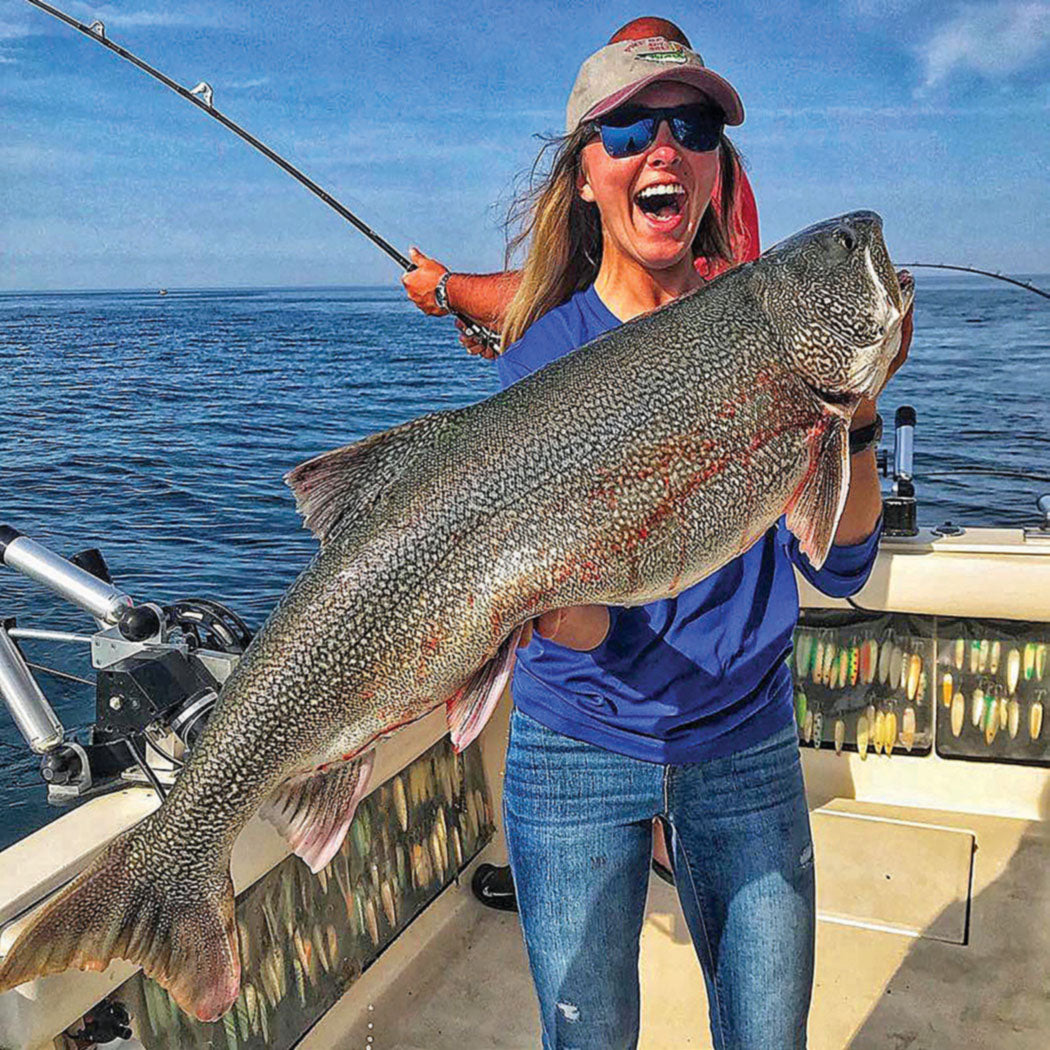
Lures and Bait That Work for How to Catch Lake Trout
Keep your box simple. Focus on proven shapes.
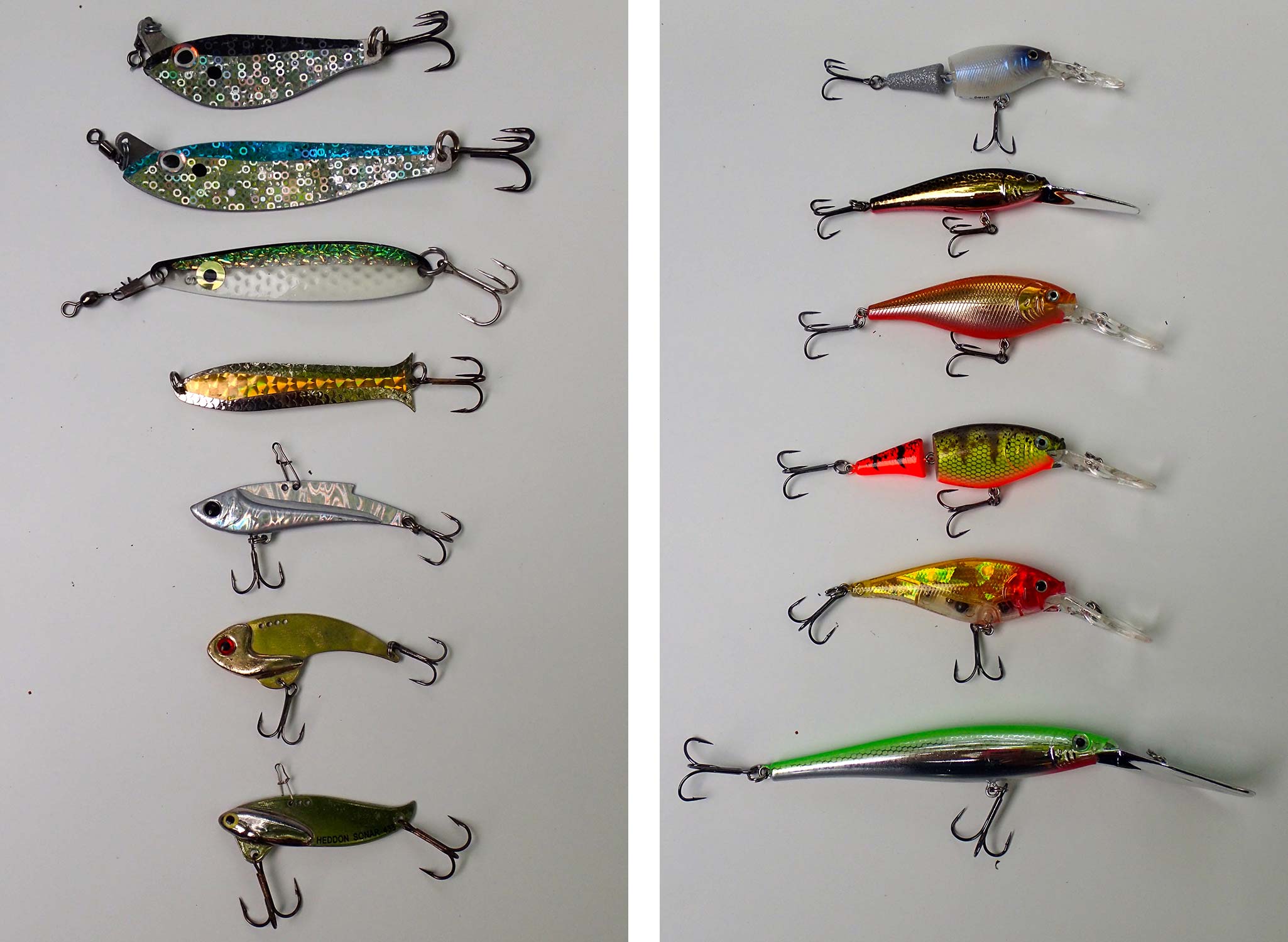
- Spoons: Thin trolling spoons in silver, gold, and white. Add blue or green in clear water.
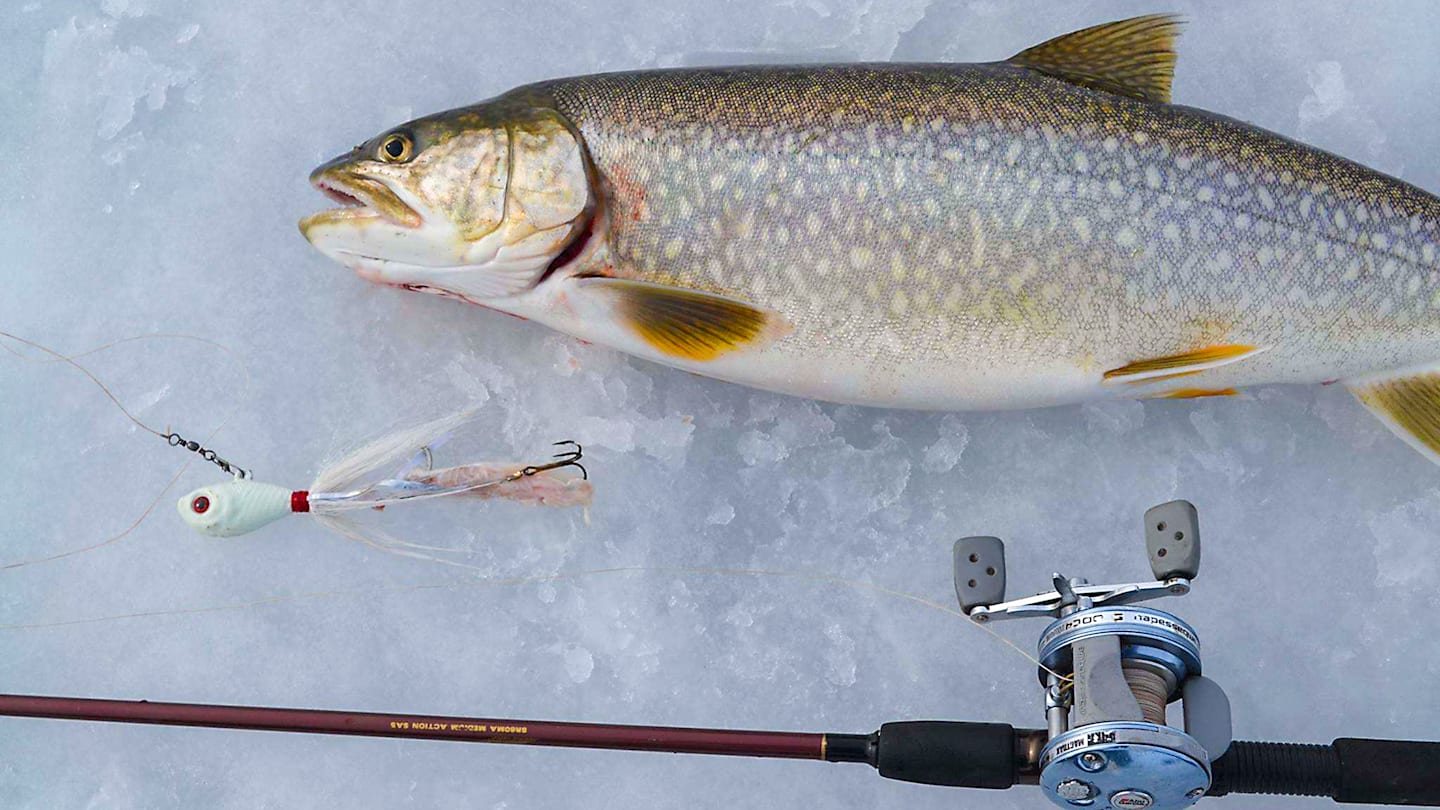
- Tube jigs: Four to six inch white or pearl tubes. Add scent and a stout head from half to one ounce.
- Swimbaits: Four to six inch paddletails on heavy heads. Natural baitfish colors shine.
- Blade baits and jigging spoons: For deep vertical work. Chrome and glow patterns are great.
- Natural bait: Dead bait rigs with herring or smelt are deadly where legal.
Speed matters. Troll 1.6 to 2.2 miles per hour most days. Jig with short pops and long drops. Match the size of local forage. That is a big part of how to catch lake trout.

Techniques That Consistently Hook Fish: How to Catch Lake Trout
Trolling
- Use downriggers, lead core, or weighted steel to hit depth.
- Run two lines at different depths to find the zone.
- Spread lures outside the prop wash with boards if needed.
- Make S turns to change speed and action.
- When a rod fires, mark the spot and repeat the pass.
Vertical Jigging
- Spot fish or bait on sonar. Stop the boat over them.
- Drop a tube or spoon to the mark. Watch the fall.
- Lift two to three feet. Let it fall back on a tight line.
- If a fish follows but will not hit, speed up the lift.
- Many hits come on the drop. Stay tight.
Casting and Counting Down
- Cast heavy spoons over points and humps.
- Count it down to the target depth. Then slow roll.
- Pause often. That pause triggers trailing fish.
Ice Fishing
- Drill a grid over a hump or basin edge.
- Drop a flasher and find the bait layer.
- Use one dead stick and one active jig rod.
- Chase chasers. Raise the bait and make them commit.
These moves work across lakes and seasons. They are the heart of how to catch lake trout when time is short.
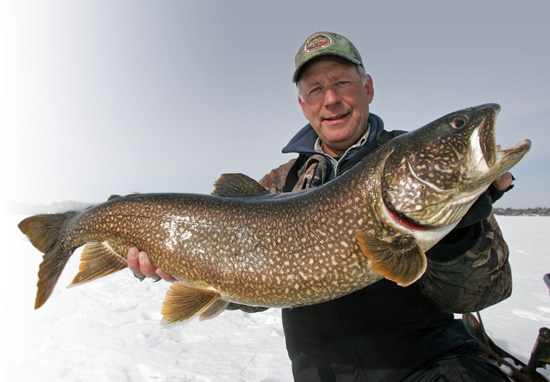
Electronics, Sonar, and Boat Control for How to Catch Lake Trout
Electronics cut guesswork. Use sonar to see the thermocline and bait. Map chips help you line up points, saddles, and humps. Side imaging can show roaming schools.
Tight boat control hooks more fish. Use your bow motor to hold on edges. Use drift socks to slow down in wind. Watch your screen while you jig. You can see fish rise to meet your lure. Learning your screen is core to how to catch lake trout.

Step-by-Step Game Plans for How to Catch Lake Trout
Dawn plan
- Idle a break near deep water. Mark bait.
- Start trolling two spoons at different depths.
- If you mark fish stacked, switch to vertical jigs.
Midday plan
- Find the thermocline on sonar.
- Target humps that top near that level.
- Jig or slow troll swimbaits just above fish.
Windy day plan
- Fish the upwind edge of main lake points.
- Cast heavy spoons and count them down.
- Use a drift sock to keep a slow slide.
Post front plan
- Downsize lures and slow down.
- Hold tight to structure.
- Put baits right in their face.
These plans keep you moving with purpose. They simplify how to catch lake trout when conditions change.
Common Mistakes and Easy Fixes When Learning How to Catch Lake Trout
- Fishing below the fish: Keep lures above the mark. Lakers feed up.
- Going too fast: Slow your troll and your jig strokes.
- Ignoring the thermocline: Find it first. Fish near it.
- Using weak hooks: Upgrade to strong trebles and singles.
- Skipping leader checks: Lakers twist and roll. Check for nicks.
I learned these the hard way. Fix them and you will land more fish. Small tweaks are big wins in how to catch lake trout.
Safety, Ethics, and Regulations
Know the rules for your lake. Size limits and seasons protect stocks. Some lakes have bait rules. Check before you launch.
Fight fish fast and keep them wet. Use long nose pliers for quick release. Support the belly for photos. Barbless hooks help in deep water. Respect the resource and others. Ethical care is part of how to catch lake trout the right way.
A Sample Day Plan: How to Catch Lake Trout From Launch to Landing
- 5:30 am: Launch and scan the first break for bait.
- 6:00 am: Troll two spoons at different depths across your marks.
- 7:00 am: A rod fires. Mark that line and repeat it twice.
- 8:00 am: Switch to vertical jigs on stacked fish.
- 10:00 am: Wind picks up. Cast heavy spoons across the upwind point.
- Noon: Move to a hump that tops near the thermocline. Jig slow.
- 2:00 pm: Review waypoints. Make one last smart pass on your best line.
This plan keeps you on fish from start to finish. It is a simple path for how to catch lake trout with confidence.
Frequently Asked Questions of how to catch lake trout
What depth is best for lake trout?
Target water near the thermocline in summer. In spring and fall, try 20 to 60 feet on rock and gravel.
What speed should I troll for lake trout?
Start at 1.6 to 2.2 miles per hour. Adjust up or down until a rod fires.
What colors work best for lures?
Silver, white, and natural baitfish colors are steady. Add glow or chartreuse in low light or stained water.
Do I need a fish finder to catch lake trout?
It is not required, but it helps a lot. Sonar shows depth, bait, and fish, which speeds success.
What line is best for jigging lake trout?
Use ten to twenty pound braid with a fluorocarbon leader. Braid gives feel and fast hooksets.
Can I catch lake trout from shore?
Yes, during spring and fall. Cast heavy spoons and swimbaits from points that drop into deep water.
Conclusion
You now have a clear path on how to catch lake trout. Find the right depth, follow the bait, and use simple, steady moves. Match season, control speed, and fish above the marks. Small changes in depth and pace make big gains.
Pick one plan from this guide and try it on your next trip. Keep notes, learn your sonar, and refine your passes. Ready to level up more? Subscribe for new tactics, ask a question, or share your best tip with the community.