

Use worms, salmon eggs, minnows, or dough baits matched to conditions.
If you want to master what bait to use for trout, you need more than a tackle box. You need to read water, seasons, and trout behavior. I’ve spent years testing baits on wild browns, stocked rainbows, and finicky brook trout. In this guide, I break down exactly what bait to use for trout, why it works, and how to present it so you get more strikes, fast.
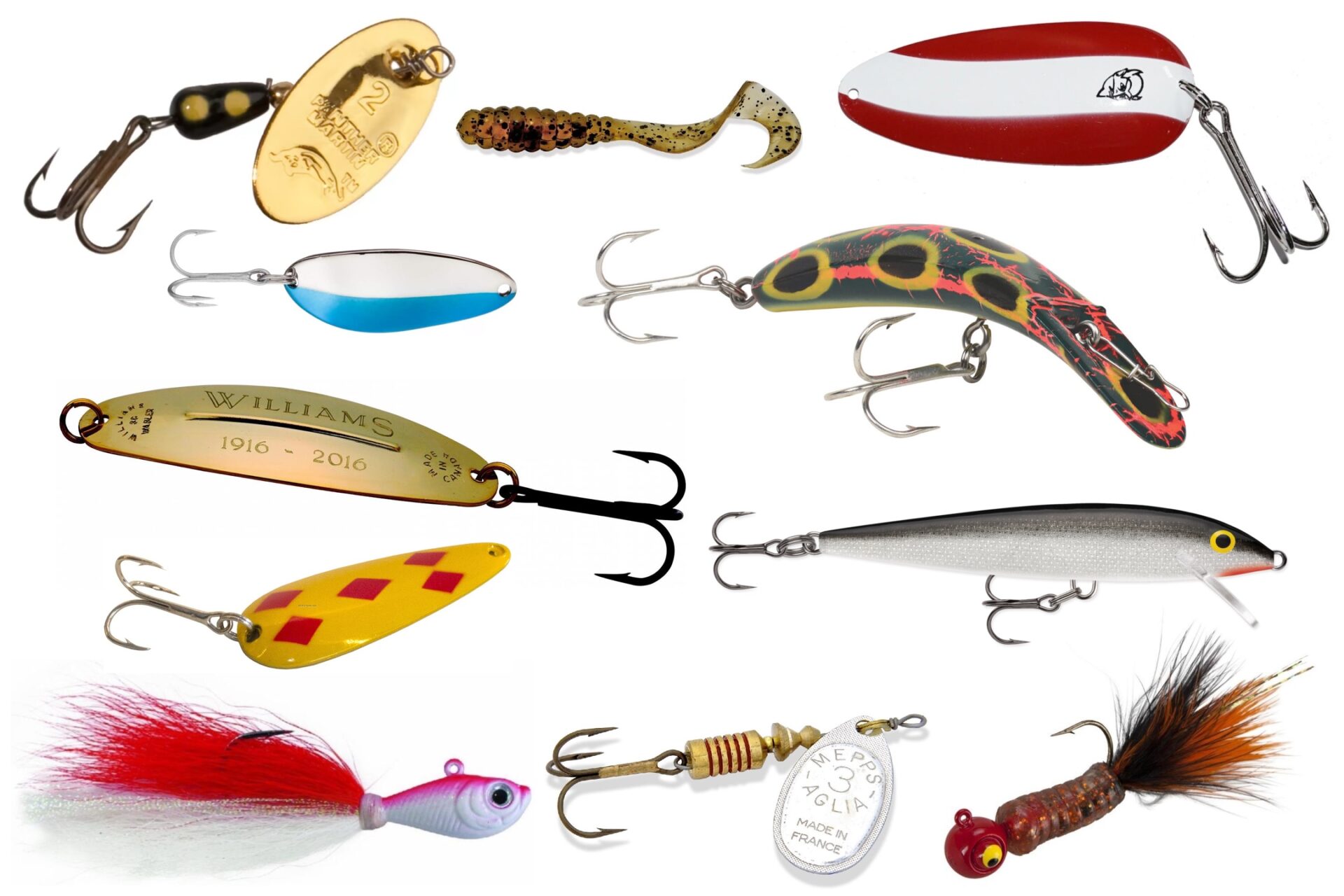
How Trout Choose Bait: Behavior That Drives Bites
Trout feed by sight, smell, and feel. Clear water pushes them to chase small, natural shapes. Stained water lets them use scent and vibration more. Cold water slows them, so they prefer easy meals.
Their world is simple: conserve energy and eat what seems safe. That is why stealth and size matter. A small worm can out-fish a flashy lure when fish are wary. Knowing what bait to use for trout starts with how trout think.
Stocked trout often respond to dough baits and pellets because that matches their hatchery diet. Wild trout key in on insects, minnows, and eggs. Match the real food in front of them and your odds jump.
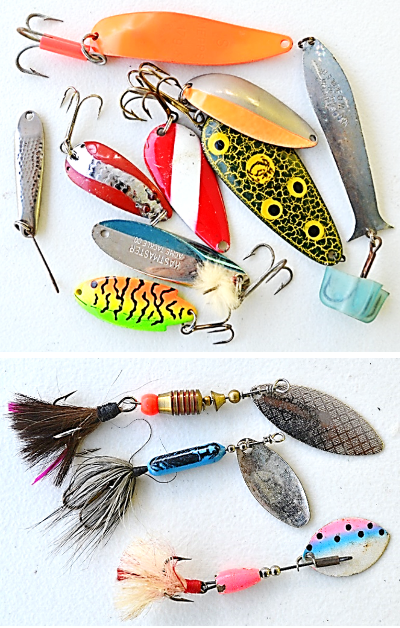
Best Live and Natural Baits for Trout
Live and natural baits catch trout in both lakes and streams. They look and smell real, and that triggers instinct. If you want quick results, start here.
Top picks and when to use them:
- Nightcrawlers and red worms: Drift in current or under a float. Pinch to shorten in clear water.
- Salmon eggs or trout roe: Deadly in spring and fall. Use single eggs in clear water.
- Minnows or shiners: Best for browns and in lakes. Hook through lips for a natural swim.
- Crickets and grasshoppers: Great in summer on small creeks. Drift beside banks and overhangs.
- Mealworms and waxworms: Cold-water killers. Subtle action that shy trout trust.
Hook sizes 8–14 fit most natural baits. Use thin wire hooks to keep them lively. If you ask what bait to use for trout on pressured water, small worms and single eggs are hard to beat.
Prepared Baits and Doughs
Prepared baits shine for stocked rainbows and still water. They float off the bottom and hold scent. This keeps your bait in the strike zone longer.
Popular choices:
- Dough baits: Bright colors like chartreuse, pink, and rainbow. Mold into a tear drop.
- Nuggets and pellets: Good when fish were pellet-fed. Match pellet color.
- Marshmallows with eggs: Adds lift and scent. Useful around weeds or mud bottoms.
Use a sliding sinker rig to let trout take the bait without feeling weight. If you wonder what bait to use for trout on crowded lakes, dough baits often out-fish everything. Rotate colors every 15 minutes until you get hits.
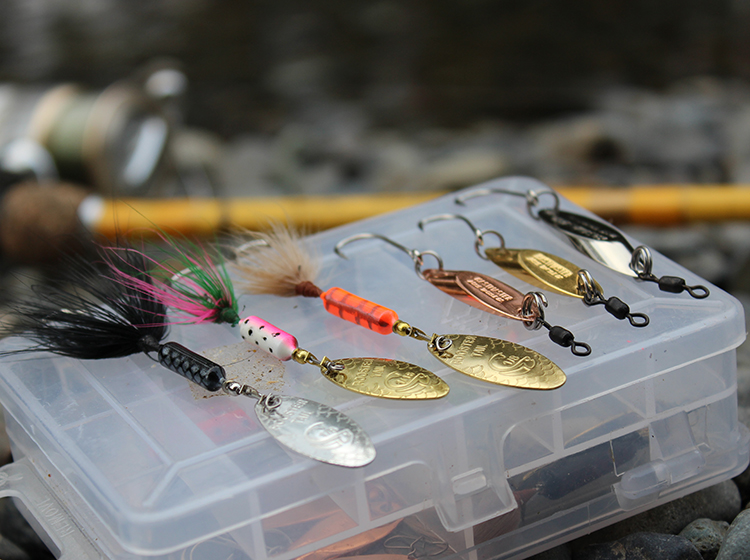
Artificial Lures That Act Like Bait
Lures are not “bait,” but many mimic it well. They can trigger reaction strikes when bait gets ignored. They also cover water fast to find active fish.
Reliable picks:
- Spinners: Size 0–2 in gold or silver. Great in streams and when water has a slight stain.
- Spoons: Slim 1/16–1/8 ounce in silver or copper. Long casts on lakes and wind-blown banks.
- Soft plastics: 1–2 inch minnows, grubs, or worms on light jig heads. Subtle hops seal the deal.
- Flies under a bubble: Woolly buggers, nymphs, and midges. Use when trout are sipping small stuff.
If you are unsure what bait to use for trout during a hatch, try a small soft plastic or a nymph under a float. It blends the best of bait and fly tactics.
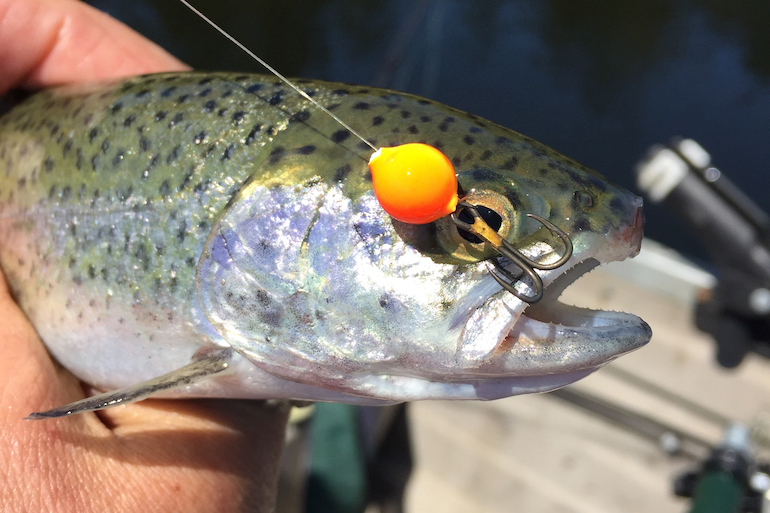
What Bait to Use for Trout by Water Type and Season
Different waters and seasons ask for different choices. Use simple rules to stay on the bite. Adjust size, color, and scent as water changes.
Rivers and streams:
- High, cold flows: Eggs, worms, and bright spinners.
- Low, clear flows: Single eggs, small worms, and natural colors.
- Summer edges: Terrestrial bugs like hoppers and crickets.
Lakes and ponds:
- Cold mornings: Dough baits on a slider rig, small spoons.
- Midday sun: Go deeper with eggs or minnows. Use light fluorocarbon.
- After rain: Scented doughs and worms. Slight stain helps bold colors.
Stocked vs. wild:
- Stocked trout: Dough baits, corn-scented nuggets, spinners.
- Wild trout: Worms, minnows, insects, and subtle lures.
If you ask what bait to use for trout in winter, pick small waxworms, single eggs, and slow presentations. In spring, eggs and worms lead the pack.
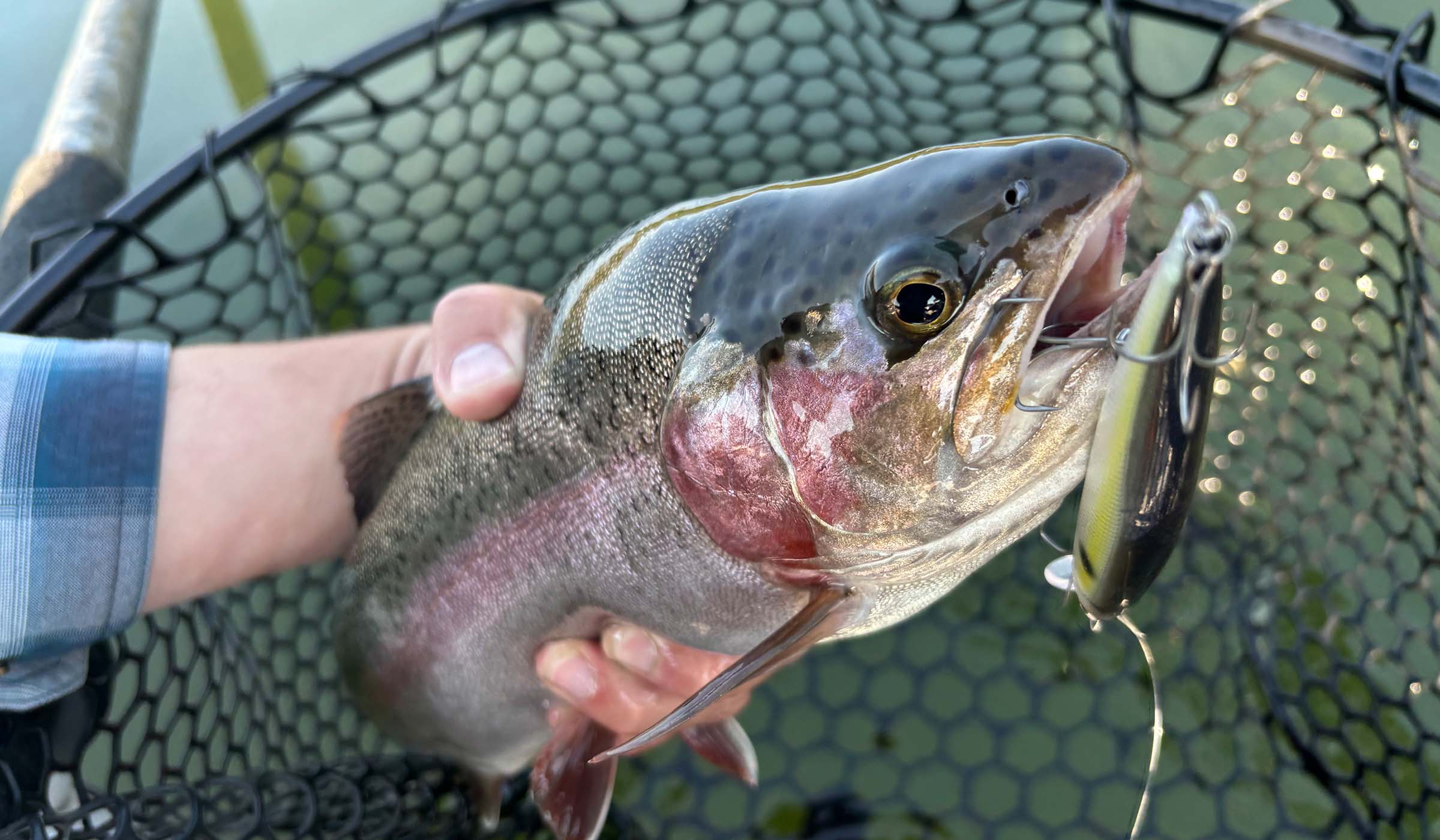
Rigging and Presentation That Get Bites
Good bait is half the job. The way you rig and present it seals the deal. Keep it simple and stealthy.
Proven rigs:
- Drift rig: Small split shot 12–18 inches above a size 10–14 hook. Cast upstream and let it glide.
- Slip float: Set depth so bait ticks above the bottom. Perfect for worms and micro minnows.
- Sliding sinker (Carolina) rig: Great for dough baits in lakes. Trout can take line freely.
- Two-egg rig: One egg above the hook eye, one on the bend. Natural cluster look.
Presentation tips:
- Cast above likely spots and let bait come to fish.
- Mend line to drift at the speed of the current.
- Pause lures near structure to trigger follows into bites.
If you wonder what bait to use for trout when they short strike, downsize the hook and bait. A smaller mouthful feels safer to pressured fish.
Color, Scent, and Size: Dialing It In
Trout judge shape first, then color and scent. Keep the profile small. Then adjust color and scent to match water and mood.
Quick rules:
- Clear water: Natural colors. Browns, olives, and single red eggs.
- Stained water: High-contrast. Chartreuse, white, black, or gold flash.
- Low light: Add scent. Shrimp, anise, or garlic can tip the scale.
Start with small sizes, then go bigger if fish are active. If you ask what bait to use for trout after a storm, choose bold colors and a touch of scent. That cuts through mud and debris.

Gear and Line for Effective Bait Fishing
Light gear makes bait look real. It also helps you feel soft takes. Balance is key.
Suggested setup:
- Rod: 5–7 foot ultralight or light power, fast action.
- Reel: Smooth drag, 1000–2000 size.
- Line: 4–6 lb mono for beginners, or 6–8 lb braid with 4–6 lb fluorocarbon leader.
Carry small split shot, size 8–14 hooks, and swivels to prevent twist. Long leaders matter in clear water. If you ask what bait to use for trout on tiny creeks, pair a short rod with single eggs or pinched worms for precise drifts.

Common Mistakes and Field-Tested Tips
Small errors cost fish. Fix these first. You will see instant gains.
Mistakes to avoid:
- Using hooks that are too big.
- Dragging bait too fast.
- Ignoring line visibility in clear water.
- Sticking with one color too long.
Field-tested tips:
- Wet your hands before touching fish to protect their slime coat.
- Refresh dough bait often to keep scent strong.
- Cast from the shade and keep a low profile.
- Rotate baits until you find a pattern.
When friends ask what bait to use for trout on a slow day, I tell them to switch to a single egg on a long leader. It turns lookers into biters.
Ethical, Legal, and Safety Notes
Rules change by state and water. Some areas are fly-only or artificial-only. Barbless hooks may be required.
Check local regulations before you fish. Decontaminate gear to protect waters from invasive species. Handle trout gently and release them fast if you plan to let them go.
If you wonder what bait to use for trout in restricted waters, switch to artificial lures that mimic your favorite baits.
Frequently Asked Questions of what bait to use for trout
What bait works best for stocked rainbow trout?
Dough baits and pellet-style nuggets are top choices because they match hatchery diets. Bright colors and a sliding sinker rig help keep the bait in the strike zone.
What bait to use for trout in clear water?
Use small worms, single eggs, or natural-colored plastics. Long fluorocarbon leaders and tiny hooks improve stealth.
Do scents really help with trout?
Yes, scents can help in cold, dirty, or pressured water. Use light amounts so they enhance, not overpower, the bait.
What bait to use for trout in winter?
Go small with waxworms, mealworms, and single eggs. Present them slow near the bottom.
Is live bait better than lures for trout?
It depends on mood and water. Live bait often wins in slow or cold conditions, while lures locate active fish fast.
What bait to use for trout in lakes versus rivers?
In lakes, dough baits, eggs, and spoons shine. In rivers, worms, eggs, and small spinners drift naturally with current.
What size hook should I use for trout bait?
Use size 8–14 for most natural baits. Smaller hooks look natural and boost hook-up rates.
Conclusion
Knowing what bait to use for trout is about reading the moment. Start with natural foods, match color and size to water, and present the bait so it drifts like the real thing. Rotate baits until trout tell you what they want.
Take this guide to your local water and try one new tip each trip. Keep notes, track conditions, and patterns will jump out. Ready to level up? Explore more deep dives, subscribe for updates, and share your best trout bait tricks in the comments.