

Aim for 25–40 feet in streams and 40–60 feet on lakes.
There is more to distance than reach. To answer what is good length to cast for trout fishing, you must read water, match gear, and move with stealth.
I have guided new and seasoned anglers who all asked the same thing. The right cast length shifts with clarity, wind, and fish mood. This guide explains how to choose the right distance, why it works, and how to hit it with confidence.

Understanding casting distance for trout
Trout are spooky, visual feeders. On small streams with clear water, many fish hold within a few rod lengths. That means 20 to 35 feet is often perfect. On large rivers and lakes, longer casts help reach cruising fish and avoid pushing them off the bite.
So, what is good length to cast for trout fishing? Think in bands, not a single number. Short to medium casts catch more fish in moving water. Medium to long casts shine on open stillwater.
Typical sweet spots by water type:
- Small streams: 15–30 feet for stealth and control
- Freestone or mid-size rivers: 25–45 feet for reach and line control
- Tailwaters and clear spring creeks: 35–55 feet to avoid spooking fish
- Lakes and reservoirs: 40–60 feet, sometimes 70+ with wind or skittish fish
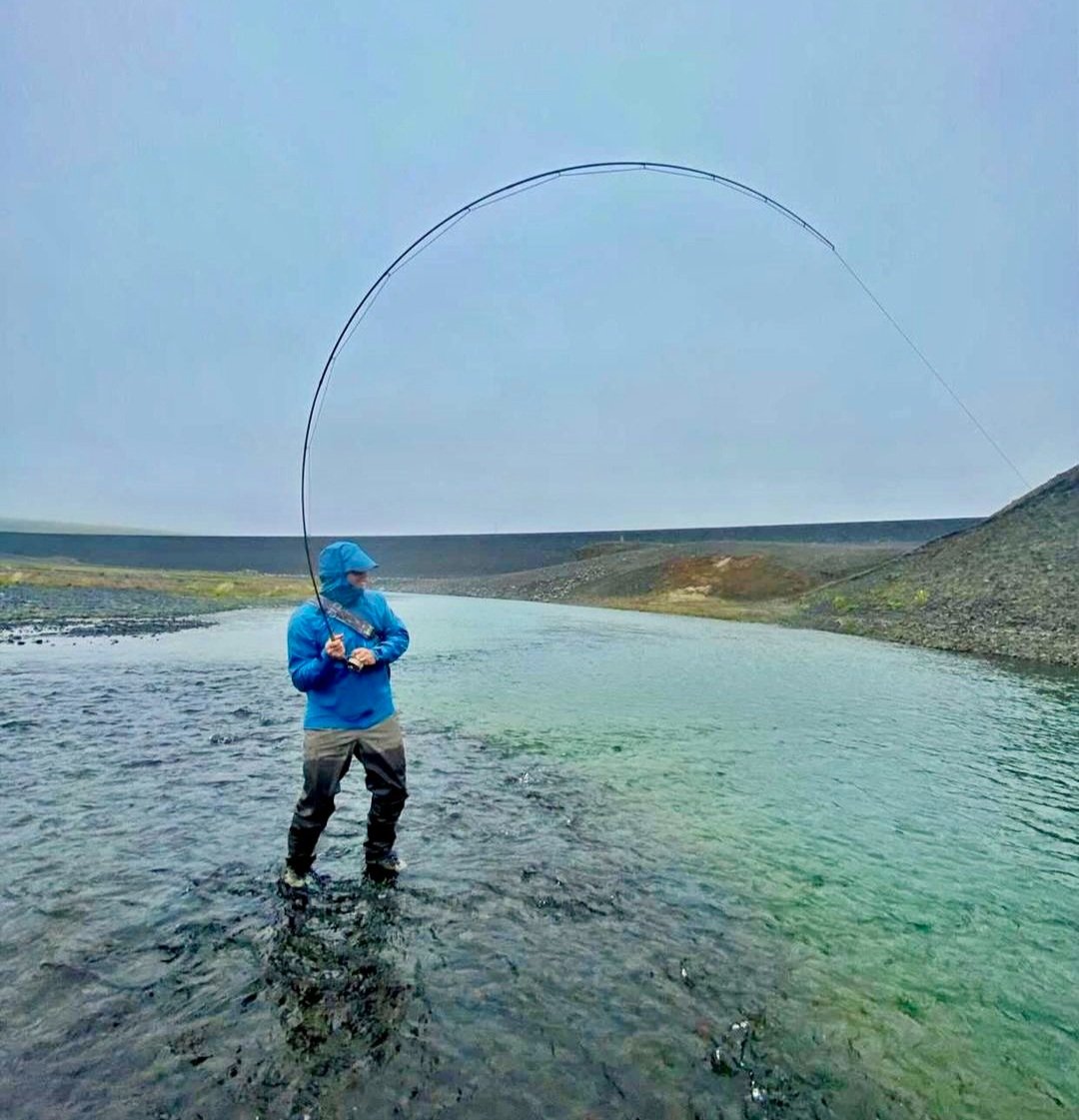
Key factors that decide your ideal casting length
Four forces drive what is good length to cast for trout fishing. If you know them, you can set distance fast and catch more fish.
- Water clarity and pressure. Clear, low water pushes fish into cover and raises their alert zone. Fish may spook inside 30 feet.
- Current speed and depth. Faster flows let you fish closer. Slower, glassy water often demands longer casts.
- Wind and weather. Wind hides your presence but can wreck accuracy. Cast longer on lakes with a wind chop, but tighten loops.
- Species and mood. Browns in daylight tend to hold tight to cover. Rainbows in lakes may cruise flats and require reach.
Use this rule I share with clients. Start short and add 5 to 10 feet only when fish ignore you. That simple step solves what is good length to cast for trout fishing most days.

Situational guidelines: rivers, streams, lakes, and stillwaters
You can answer what is good length to cast for trout fishing by water type. Here is how I set up on the water.
Streams and pocket water
- Cast 15–25 feet. Keep your line off the fast current.
- Use roll casts and short drifts under overhangs.
- Approach from downstream and stay low.
Freestone and mid-size rivers
- Cast 25–45 feet. Reach seams and the far edge of riffles.
- Mend early to protect the drift.
- Use sidearm casts under wind.
Tailwaters and spring creeks
- Cast 35–55 feet in clear, slow flows.
- Present at an angle. Avoid lining the fish.
- Go longer leaders with small tippet.
Stillwater, lakes, and reservoirs
- Cast 40–60 feet to cruising lanes and drop-offs.
- When wind blows, set up with it at your back.
- Count down with lures and strips; watch for follows.
Personal note: On a high-traffic tailwater, I watched anglers bomb 70-foot casts. The fish fed 25 feet out. Those who stood back and cast 35–45 feet out-fished the crowd. Distance is a tool, not a goal.
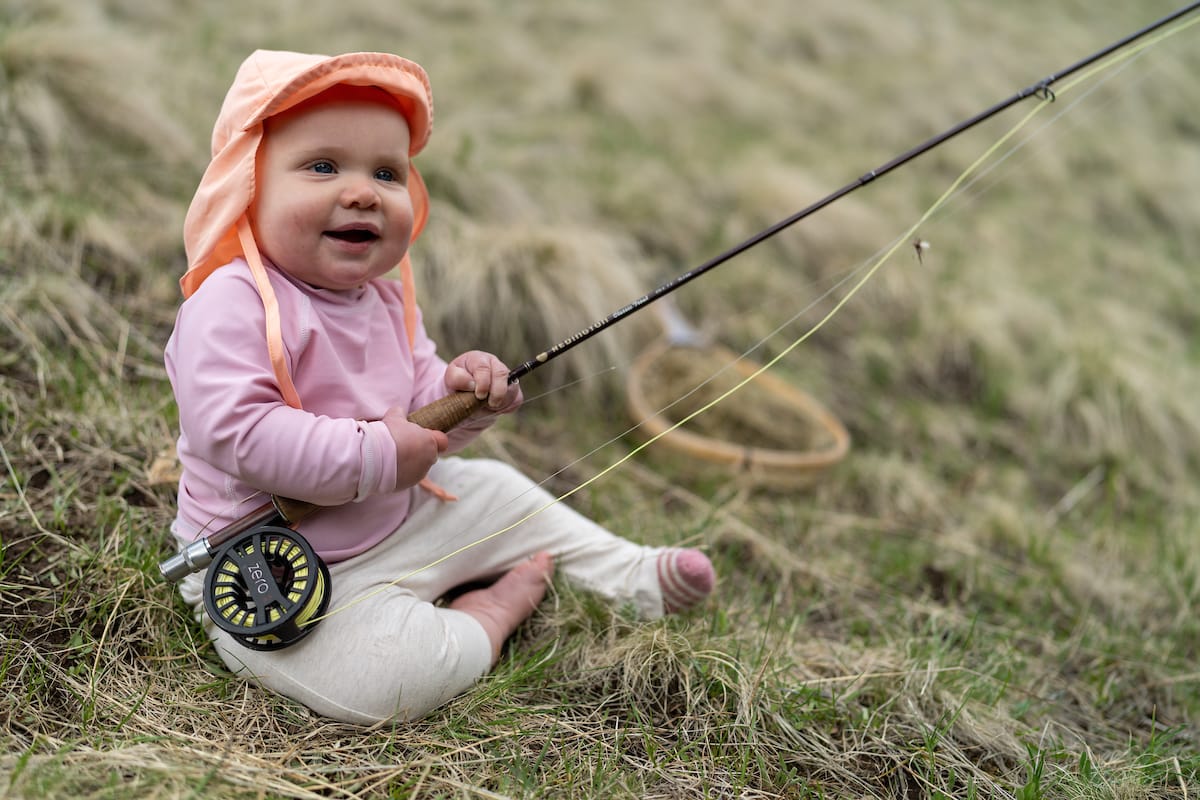
Gear setup that helps you reach the right length
Dialing your setup helps solve what is good length to cast for trout fishing. The right rod, line, and leader make distance easy and quiet.
Rods
- 7’6″–9′ rods shine on tight streams.
- 9’–10′ rods add reach for rivers and lakes.
- Medium-fast actions load quick in short to mid casts.
Lines
- Weight-forward floating lines cover 90% of trout needs.
- Choose a true-to-weight line for accuracy in 25–45 feet.
- Consider a half-size heavy line if you need help loading at short range.
Leaders and tippet
- 7.5–9 ft leaders for small streams.
- 9–12 ft leaders for clear rivers and tailwaters.
- 12–15 ft leaders on glassy lakes with size 16–22 flies.
Reel and backing do not add distance. But smooth drags land fish fast after a long cast.

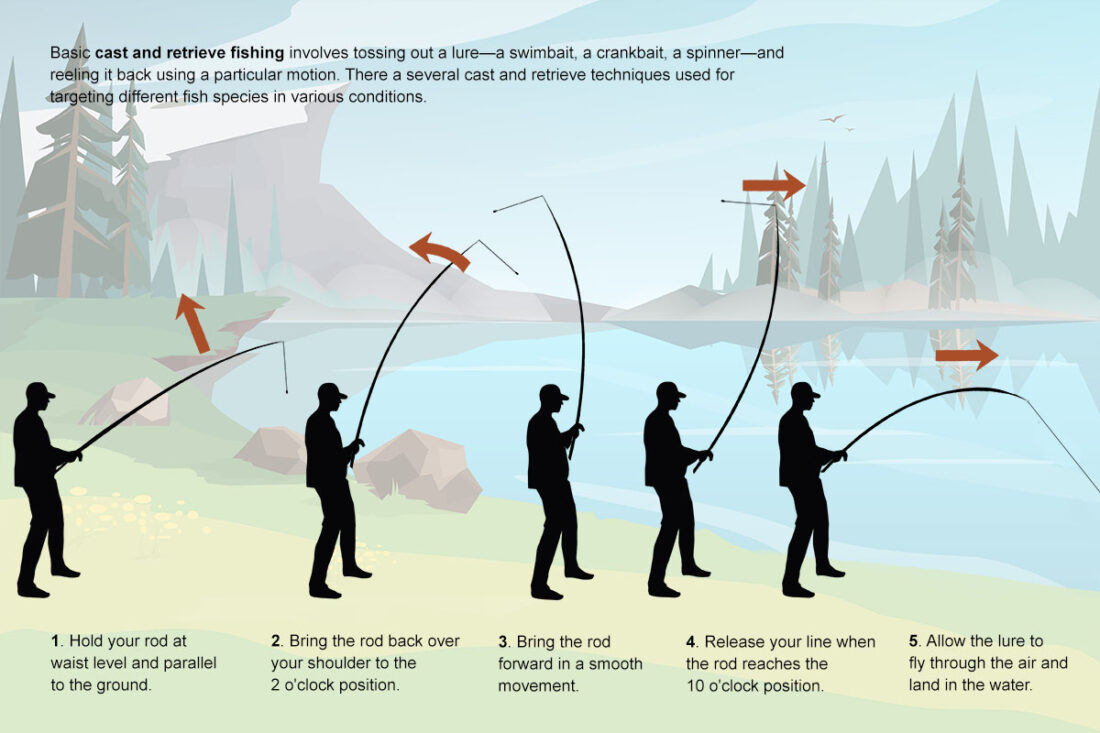
Casting techniques to reach the right length
Technique beats power. Practice these to own what is good length to cast for trout fishing in any setting.
- Roll cast in tight quarters. It lands soft and avoids trees.
- Reach cast to build in a mend before the fly lands.
- Double haul on lakes for 50–70 feet with less effort.
- Sidearm under wind. Keep loops tight and low.
- Stop high on the forward stroke for soft, accurate drops.
Tip from the field: Two clean false casts are plenty. More false casts often line the fish and steal time from the drift.
Common mistakes and how to fix them
Most distance problems come from overcasting. The fish are closer than you think. Fix these and you will nail what is good length to cast for trout fishing.
- Casting at the fish, not past it. Aim two feet above the lane and drift down.
- Too short a leader in clear water. Add three feet and watch the takes rise.
- Sloppy mends. Mend early, not on top of the fly.
- Loud wading. Slow down. Fish will let you fish closer.
Measuring and practicing your casting distance
Do not guess. Measure. This is how I teach distance and solve what is good length to cast for trout fishing on day one.
- Mark 20, 30, 40, and 60 feet with stakes on grass.
- Count line strips. Most reels pick up about 10 inches per strip.
- Use line markers or a permanent pen to mark 30 and 45 feet.
- Practice with wind from different angles. Learn two casts for each wind.
A 15-minute drill before you fish makes that first shot count.

Safety, ethics, and local regulations
Casting longer changes your footprint. Respect the water and others while you decide what is good length to cast for trout fishing.
- Give other anglers space. On rivers, keep two casts apart.
- Mind your backcast. Trees and people do not forgive a size 18 hook.
- Wade with care. Long casts mean more line out; watch for snags and slips.
- Follow local rules. Some waters require barbless hooks or limit distance near spawning redds.
Thoughtful anglers hook more fish and protect the resource.
Frequently Asked Questions of what is good length to cast for trout fishing
Is there one best distance for all trout water?
No. What is good length to cast for trout fishing depends on clarity, current, and pressure. Use 20–35 feet in streams and 40–60 feet on lakes.
How do I know if I am casting too far?
If fish bolt before your fly lands, you went too long or too loud. Step back, shorten to 25–40 feet, and soften your presentation.
Do longer leaders replace longer casts?
Sometimes. A 12–15 ft leader can let you fish closer without spooking trout. It is a smart fix when you cannot reach 50 feet.
What rod length helps hit 50–60 feet on lakes?
A 9’–10′ rod with a weight-forward line works well. Add a double haul to reach what is good length to cast for trout fishing on stillwater.
Should beginners focus on distance or accuracy?
Accuracy first, distance second. Clean 25–35 foot shots catch more trout than wild 60-foot casts.
Conclusion
Distance is a tool, not a number. Most days, 25–40 feet in moving water and 40–60 feet on lakes is what is good length to cast for trout fishing. Read the water, pick the lane, and match leader and line to the task.
Practice short, clean casts, and add distance only when fish demand it. Take these steps on your next trip, track what works, and you will fish with calm and purpose. Want more tips like this? Subscribe for weekly how-tos, or leave a question and I will help you dial your setup.