

Trout season usually opens in early spring, but many waters are open year‑round.
If you ask when is trout season, the practical answer is: it depends on where you fish, what water you choose, and which species you target.
I have planned trout trips across the U.S. for years, and this guide will help you read the rules, time your outings, and fish smart. Stick with me for a clear breakdown of when is trout season in rivers, lakes, tailwaters, and stocked waters, plus tips that anglers use in real life.

What “trout season” really means?
Trout season is the legal period when you can fish for trout on a given water. States set dates to protect fish during spawning or to manage stocking. Some waters allow harvest only during a set window. Many others are open all year with special rules.
The tricky part is that rules can change between nearby streams. When is trout season in your area can vary by county, river section, and even by mile marker. That is why you must check the exact water you plan to fish.
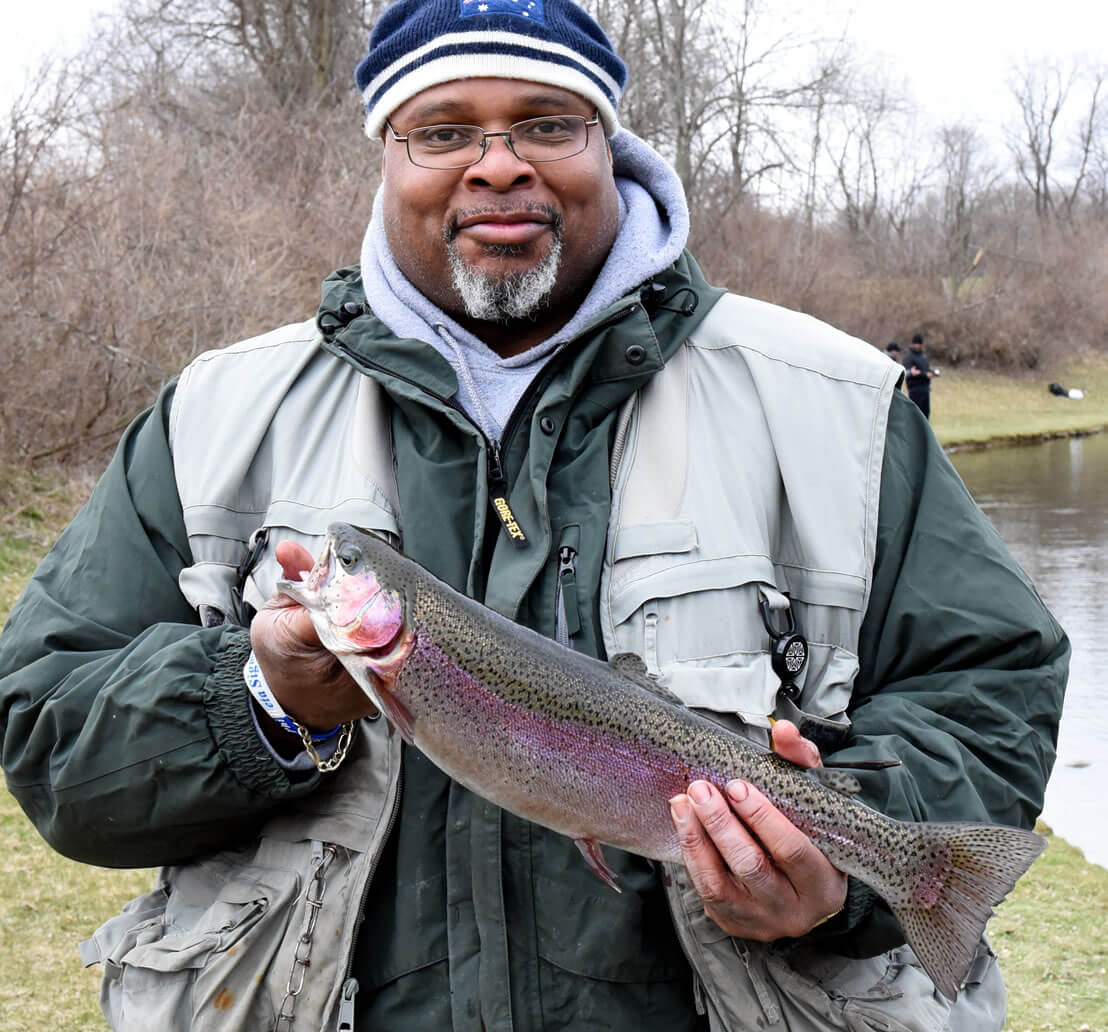
When is trout season by U.S. region?
The United States does not share one trout opener. Climate, species, and management all differ. Use these patterns to plan, then confirm local rules.
Northeast and Mid-Atlantic
- Many streams open in early April for harvest. Some allow catch and release in winter with simple gear rules.
- Lakes and tailwaters are often open year-round.
- Stocked “put-and-take” waters may have in-season closures before big stocking events.
Upper Midwest
- Inland streams often open in spring and run through fall.
- Some states offer an early catch-and-release season in late winter.
- Great Lakes tributaries have special steelhead rules that differ from inland trout.
Rockies and Intermountain West
- Many rivers and tailwaters are open year-round.
- High-elevation lakes may open after ice-out, often late spring or early summer.
- Spawning closures can apply on key tributaries.
West Coast
- Numerous waters are open year-round, especially large rivers and tailwaters.
- Some coastal streams and alpine creeks have seasonal closures to protect spawning or sensitive habitats.
- Urban lakes may follow year-round or put-and-take schedules.
South and Appalachians
- Many waters are open year-round, with sections set aside for special rules.
- Delayed Harvest stretches run fall to spring with catch and release only.
- Summer temps matter; early and late hours can be better for trout.
In every region, when is trout season depends on the exact water and whether it is stocked or wild. Look up your state’s trout map and the specific reach you plan to fish.
Stocked vs. wild trout seasons
Stocked trout
- Put-and-take lakes and ponds often have spring openers and restocking in fall.
- Short closures can occur right before stocking to spread fish and reduce crowding.
- Bag limits are common. Some waters encourage harvest to meet management goals.
Wild trout
- Many wild trout rivers are open year-round with gear or harvest limits.
- Seasonal closures protect spawning. Brook and brown trout spawn in fall, so some streams close then.
- Regulations may require barbless hooks, single hooks, or artificial lures only.
If you are asking when is trout season for a stocked pond, think spring and fall. If you ask when is trout season on a wild river, expect year-round access with careful rules.
Species notes: rainbow, brown, brook, and cutthroat
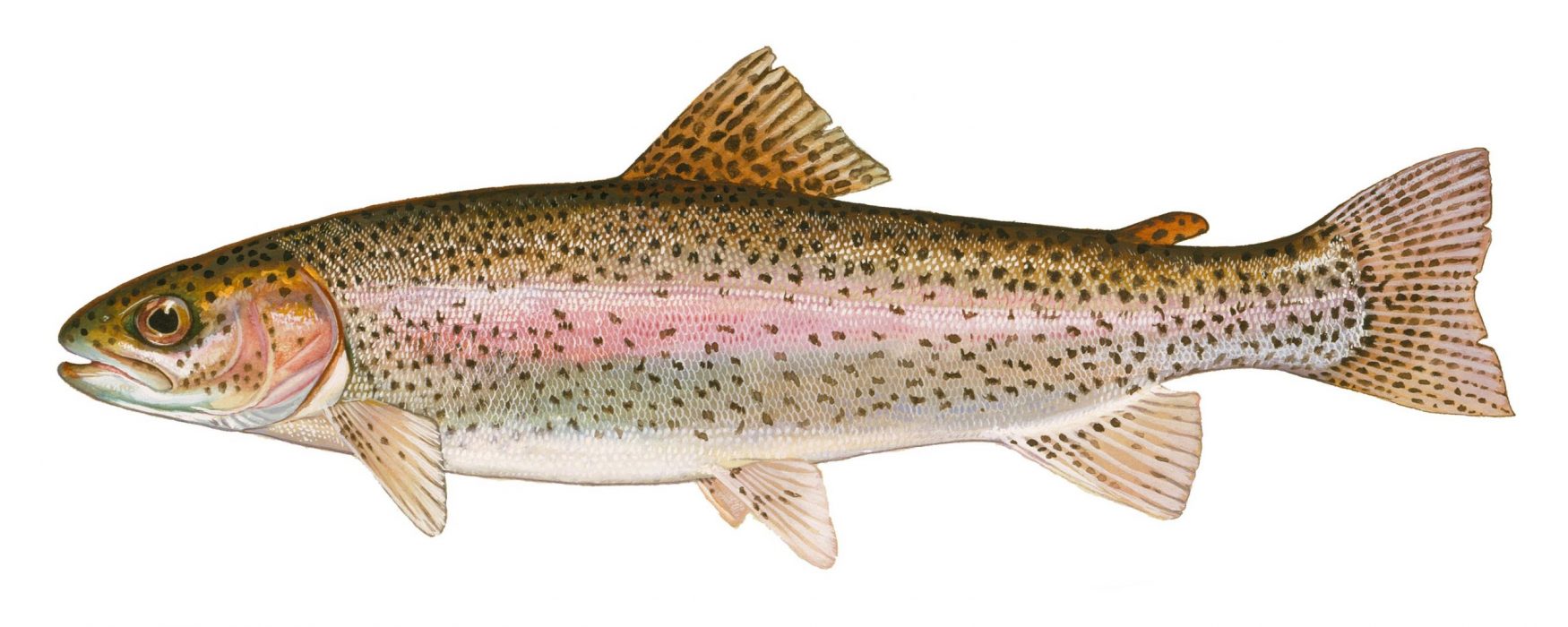
Rainbow trout
- Active in cool to mild water. Many waters are open year-round.
- Stocking drives spring and fall bites in lakes and urban ponds.
Brown trout
- Spawn in fall. Some streams close or shift to catch and release in that window.
- Low light and shoulder seasons can be best.
Brook trout
- Native to many Eastern headwaters. Sensitive to warm water.
- Fall spawning can trigger closures or gear limits.
Cutthroat trout
- Western native with varied runs. Alpine lakes often fish best after ice-out.
- Check tributary closures during spawn.
Knowing the species helps answer when is trout season for the water you want to fish. It also guides your timing within the day and year.
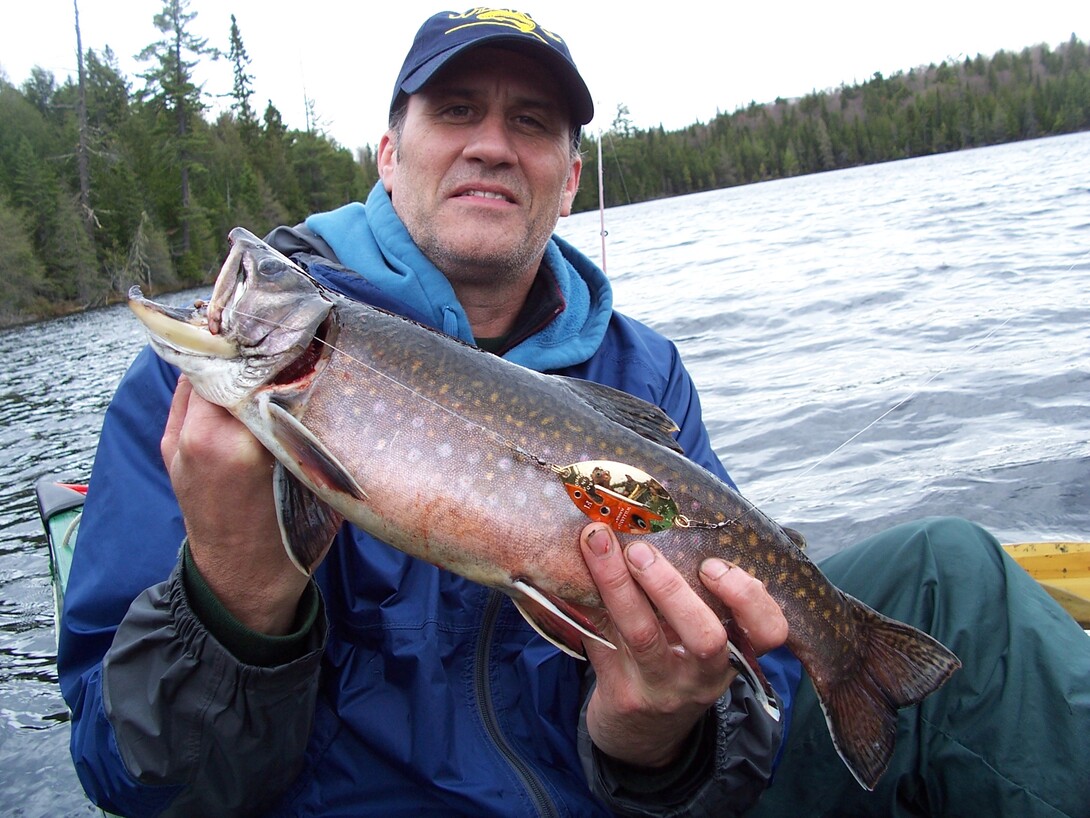
How to read regulations and plan your trip
I plan each trout trip with a short checklist. It saves time and avoids fines.
- Find the exact water name and section. Some rules change at a bridge, dam, or mile marker.
- Confirm the season dates, daily hours, and any seasonal closures.
- Note harvest rules. Bag limits, size limits, and slot limits matter.
- Check gear rules. Some waters require single barbless hooks or artificial lures only.
- Review stocking calendars and recent reports. These hint at pressure and fish density.
- Print or save the rules offline. Cell service can fail near the river.
Using this method, when is trout season becomes a simple lookup, not a guessing game.
Best times within trout season
Season dates are only part of the story. Conditions make or break a day.
- Water temperature: Trout feed best around 50 to 60°F. A cheap thermometer is gold.
- Flows: Stable or dropping flows fish better than rising, muddy water.
- Daily timing: Dawn and dusk are strong. Midday can be good on cool, overcast days.
- Hatches: Use local bug charts. Mayflies, caddis, and stoneflies set the menu.
- Weather: Light rain can spark feeding. Bright sun can push fish to shade or depth.
When is trout season is the start. When trout eat is the win.
Gear and tactics by season stage
Early season (cold water)
- Use small nymphs, midges, and slow presentations.
- In lakes, fish near the bank where water warms first.
Prime season (mild water)
- Match the hatch with dries and emergers.
- Try small spinners, spoons, or soft plastics in clear runs.
Late season (warm or low water)
- Go early and late. Seek shade, springs, and deeper seams.
- Scale down tippet and flies. Keep fish wet and release fast.
Personal note: I once arrived to a favorite river and found a sudden closure for spawning. Since then, I always check the rule map the night before. It takes five minutes and saves a trip. It also answers when is trout season for that exact reach.

Ethics, safety, and conservation
Responsible fishing keeps seasons open and fish healthy.
- Handle trout with wet hands. Keep them in the water.
- Pinch barbs where required, and often even when not.
- Pack out line, hooks, and trash. Lead-free weights are better for wildlife.
- Give space to other anglers. Rotate runs and be kind to beginners.
- Watch for fast snowmelt, slippery banks, and lightning.
Good ethics turn the question of when is trout season into a promise that it will stay open for years to come.
Frequently Asked Questions of when is trout season
When is trout season in most states?
Many states open harvest on streams in early spring. Lakes and tailwaters are often open year-round with local rules.
Are there places where trout fishing is open all year?
Yes. Many rivers, tailwaters, and lakes are open all year. You may see special gear rules or catch-and-release periods.
Do stocked trout have different seasons than wild trout?
Often yes. Stocked ponds and lakes may have spring openers and short closures around stocking. Wild trout streams may be open year-round but limit gear or harvest.
How do I know if a stream is closed for spawning?
Check the state’s regulation map and the specific water name. Look for seasonal notes that cover brook, brown, or cutthroat spawning closures.
What license or stamp do I need for trout?
Most states require a freshwater license. Some also require a trout permit or stamp, especially on stocked or special-regulation waters.
When is trout season best for beginners?
Spring after stocking and early summer during steady flows are great. Choose easy-access lakes or gentle rivers and fish mornings or evenings.
Does weather change when is trout season in practice?
Yes. A cold spring can delay good fishing even if the season is open. Warm summers push feeding to cool hours and spring-fed spots.
Conclusion
Season dates answer the legal part of when is trout season, but your best days come from smart planning. Pick the right water, confirm the exact rules, and watch temps, flows, and hatches. Keep your gear simple, handle fish with care, and enjoy the rhythm of each river.
Your next step: look up your target water’s regulations and stocking schedule, then plan a short trip this week. If this guide helped, subscribe for new seasonal updates or share your favorite opener story in the comments.