

Use stealth, match the hatch, and fish low light near structure.
If you want to master how to catch brown trout, you need more than luck. I have spent years on small creeks, big rivers, and cold lakes. Brown trout taught me patience, timing, and precise moves.
This guide shares proven steps, smart gear choices, and field-tested tactics. Read on to learn how to catch brown trout with clear methods you can use today.
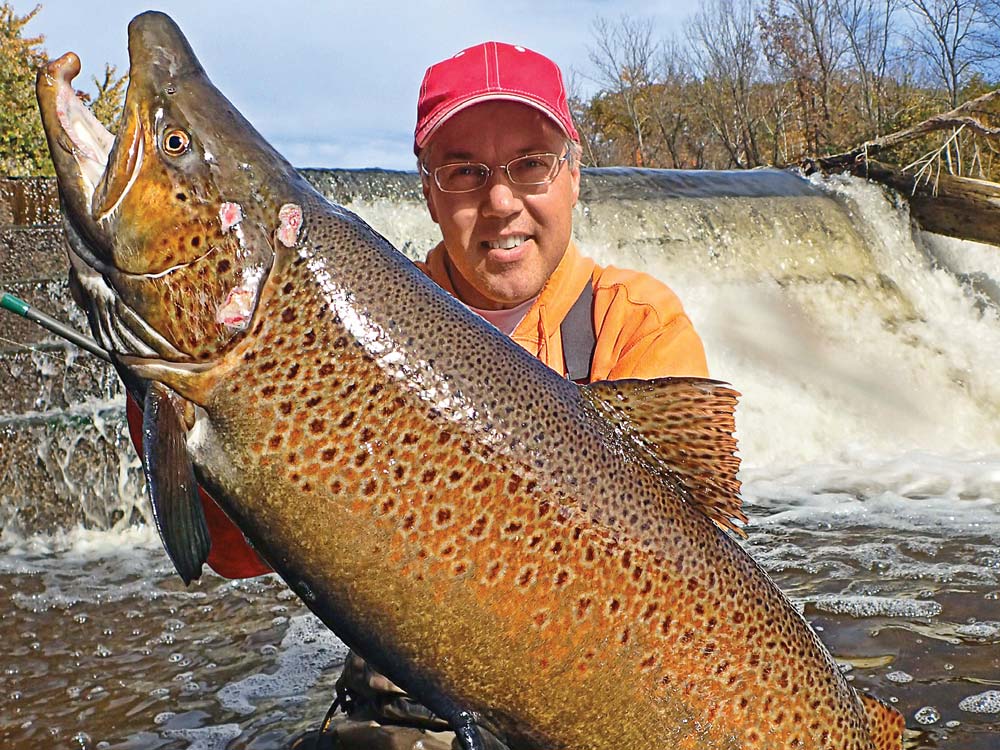
Understanding Brown Trout Behavior and Habitat
Brown trout are cautious. They like cover, shade, and steady flows. They hold near logs, undercut banks, boulders, and deep edges. In lakes, they work drop-offs, weed lines, and inlet mouths.
They feed most at dawn, dusk, and at night. Cloud cover helps. So does light rain or stained water. Cold, clear days can also produce, if you fish slow.
Water temperature matters. Many state reports note the best range is 50 to 60°F. Warmer than 68°F can stress trout. Tight shade and cold inflows are prime.
From my seasons on tailwaters, I see a pattern. Browns slide into seams that deliver steady food with low effort. They move to structure when flows rise or fall. That shift often triggers bites.
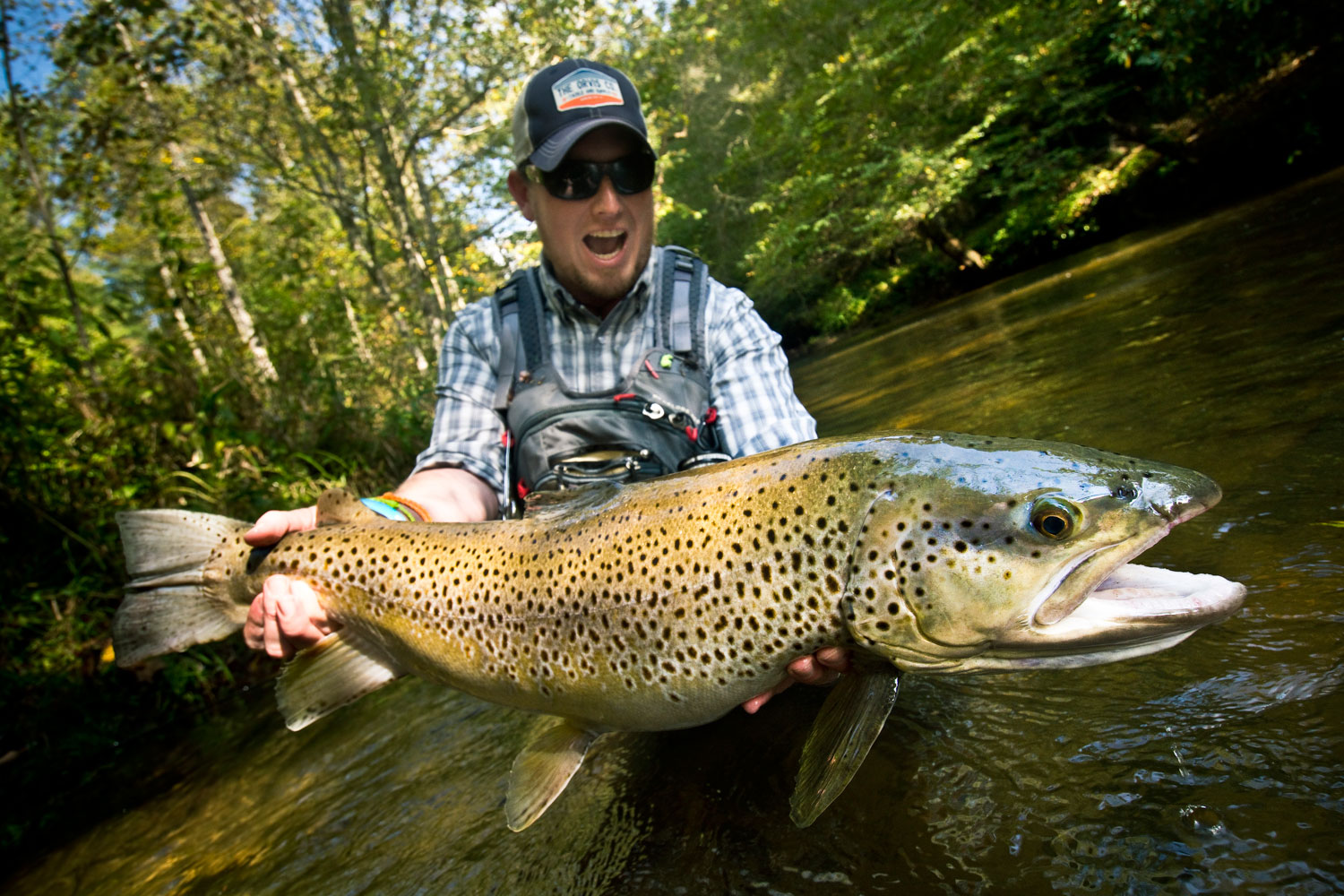
Essential Gear and Tackle for Brown Trout
Your gear should fit the water you fish. Keep it simple and balanced.
- Fly rod: 9-foot, 4 to 6 weight for rivers; 6 to 7 weight for big streamers.
- Fly line: Weight forward floating for most work; sink tip for deep runs or lakes.
- Leader and tippet: 9-foot leaders; 4X to 6X tippet for dries and nymphs; 2X to 3X for streamers.
- Flies: Nymphs like Pheasant Tail, Hare’s Ear, and Perdigon. Dry flies like Elk Hair Caddis, Blue Winged Olive, and Griffith’s Gnat. Streamers like Sculpzilla, Muddler, and Woolly Bugger.
- Spin rod: 6 to 7 foot ultralight or light power. Use 4 to 8 lb mono or 10 lb braid with 6 lb fluoro leader.
- Lures: Size 1 to 3 spinners. Small jerkbaits and minnow plugs. Spoons in 1/8 to 1/4 oz.
- Tools: Polarized glasses, small net, forceps, and split shot. Waders for safe, quiet moves.
Match your gear to the hatch, flow, and clarity. Light line and slim profiles win in clear water. Bigger baits shine in low light and stained flows.
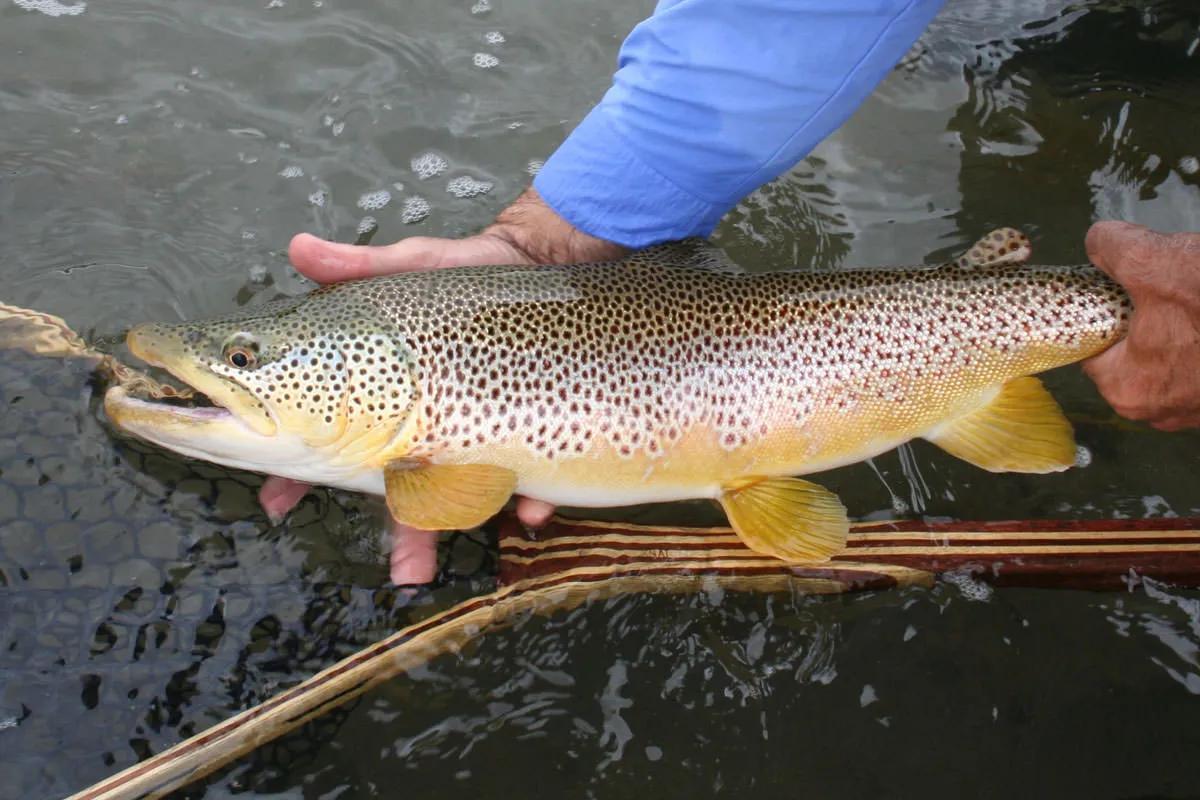
Best Times and Conditions
To dial in how to catch brown trout, pick the right window. Time and conditions drive results.
- Dawn and dusk: Low light makes browns bold. Fish tight to cover and seams.
- Cloudy days: Fish longer with confidence. Use nymphs and streamers.
- Rising or falling flows: Food moves. Browns shift and feed hard.
- Night: In summer, they hunt. Streamers and shallow plugs work.
Season tips you can trust:
- Spring: After runoff eases, nymph deep and slow. Big browns slide out to graze.
- Summer: Fish early, late, or at night. Seek cold springs and shaded banks.
- Fall: Pre-spawn browns get aggressive. Streamers and larger profiles shine.
- Winter: Slow and deep. Tiny nymphs under indicators are steady.
Watch water temps. Stay near 50 to 60°F when you can. If temps spike, go early or switch to cold tailwaters.

Techniques: Fly, Spin, and Bait
Fly Fishing
- Nymphing: Use a two-fly rig with 4X to 5X tippet. Set depth so the bottom fly ticks near the bed. Mend often to get a dead drift. Set the hook at any pause.
- Dry flies: Match the hatch. Use long leaders and fine tippet. Land the fly above the rise and drift drag-free. Lift smooth when the fish takes.
- Streamers: Cast quartering across and downstream. Mend to sink. Strip with short pauses. Speed up if fish chase and miss.
Spin Fishing
- Spinners: Cast above current breaks. Retrieve just faster than the flow. Keep the blade spinning. Tick rocks and change speed to trigger.
- Jerkbaits and plugs: Work the edges of pools and banks. Use twitch-pause moves. Longer pauses in cold water.
- Spoons: Cast far and sweep across seams. Vary depth with a countdown.
Bait (where legal)
- Natural baits: Worms, salmon eggs, or minnows can be deadly. Use small hooks and split shot. Drift the bait as if it is free food.
- Floats and bottom rigs: In slow runs, a float keeps bait above weeds. In deep holes, a light bottom rig keeps it near fish.
I learned to pause more than I thought. Many big browns eat on the pause. That small change boosted my hook-ups.
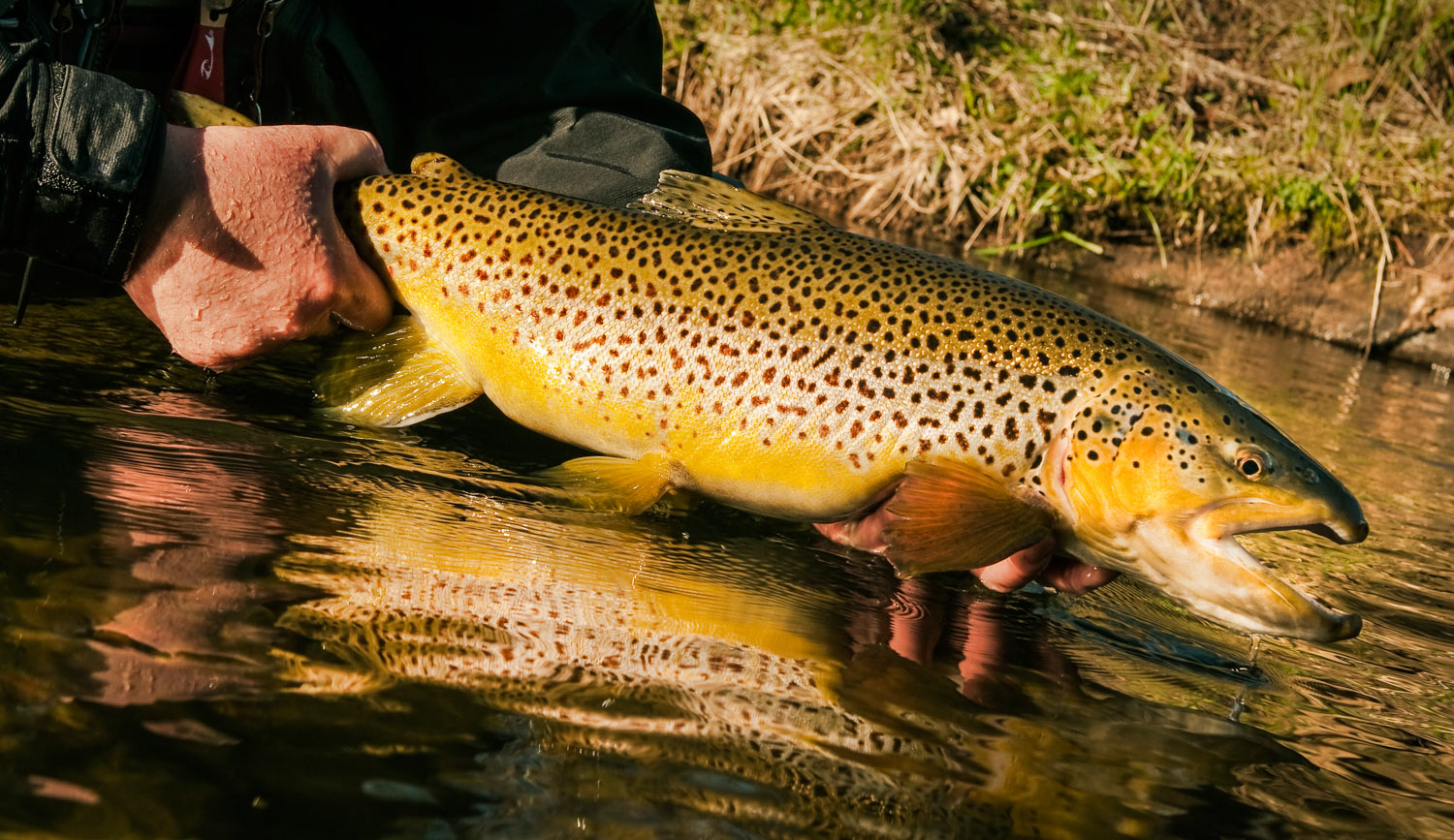
Reading Water and Locating Fish
Learn to see the river in layers. Browns choose spots with food and cover.
- Riffle, run, pool: Fish hold at the head of pools and along the seams. They rest in the soft water and sip from the flow.
- Undercut banks: Prime daytime homes. Keep casts tight and low.
- Boulders and wood: Cast past the structure and swing or drift across.
- Eddies: Hit the foam line where bugs circle back.
In lakes, search the edges first. Work points, drop-offs, and the first break line. Inlets and springs draw bait, and browns follow.
A simple plan:
- Start at the head of the run. 2) Cover the near seam. 3) Work across in lanes. 4) Change depth before you change flies or lures.
Stealth, Presentation, and Hookset
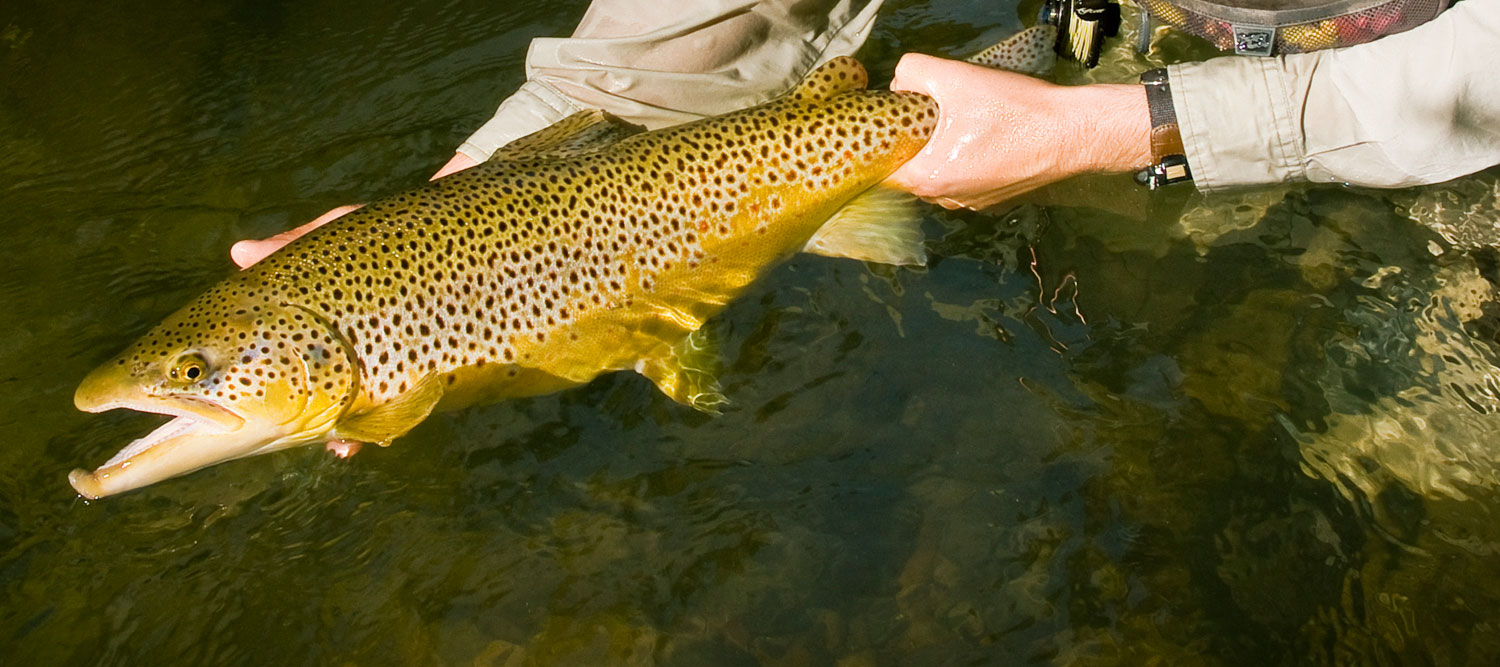
Stealth is your edge. Move slow. Keep a low profile. Wear dull colors. Wade only when you must.
Presentation seals the deal. Long leaders beat spooky fish. Mend often. Aim for no drag. Let the fly or lure ride true.
Set the hook with intent. For nymphs, use a quick, short lift. For streamers and plugs, keep the rod down and sweep. Keep steady pressure and guide the fish to the net.
I learned the hard way that rushing ruins it. Splashy steps and short leaders cost me many browns. Slow down and stretch your system.
Handling, Ethics, and Regulations
Check local rules before you fish. Some waters ban bait. Many require barbless hooks. Seasons and limits vary by river and state. Respect closures around spawning zones.
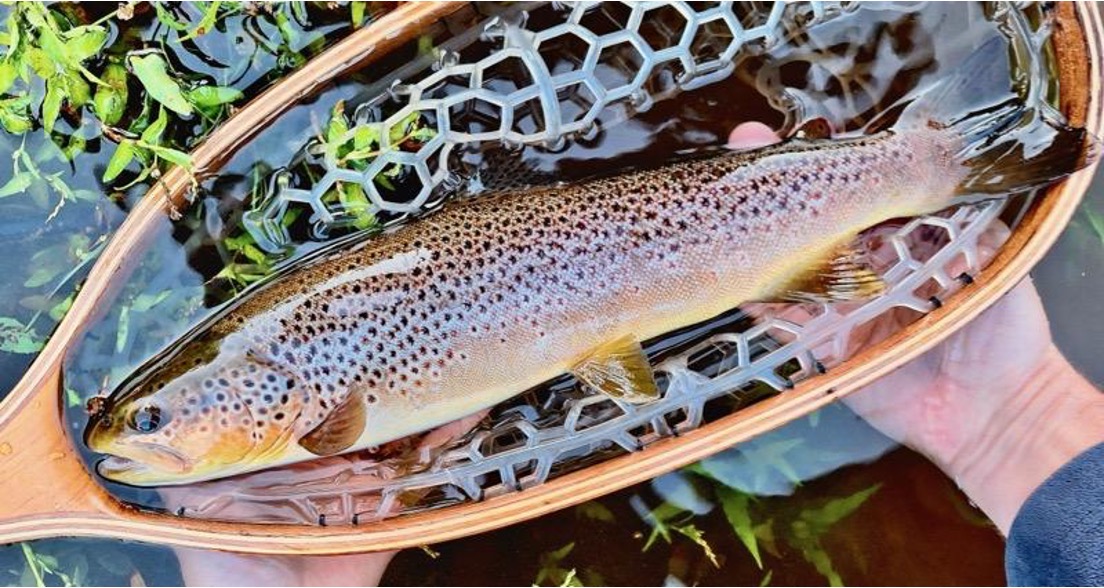
Handle fish with care. Use a rubber net. Wet your hands. Keep fish in the water. Take a fast photo and release. If you keep a legal fish, chill it fast and use it well.
Clean gear to stop invasive spread. Dry waders and nets. Rinse boats. In warm water, stop if temps rise above safe levels to protect the fishery.
Trust builds in the sport when we protect the resource. That includes honest reporting and following size and creel rules.
Proven Setups and Patterns by Scenario
Small freestone stream:
- 8.5 to 9 foot 4 or 5 weight. 5X tippet. Size 16 to 20 dry with a size 18 dropper nymph.
- Spin: Size 1 spinner in gold. Cast upstream and keep tight to the bank.
Big tailwater:
- Two-fly nymph rig. Size 18 to 22 midges and mayflies. Split shot and small indicator.
- Streamer on sink tip. Olive or black. Strip slow with long pauses.
Stillwater:
- Intermediate line with thin streamers. Work drop-offs and points.
- Early and late, fish a suspending jerkbait. Pause near weed edges.
Stained water after rain:
- Black or white streamers. Bigger profile helps. Short casts to structure.
- Spinners with a bright blade. Slow-roll close to cover.
These rigs are the backbone of how to catch brown trout across seasons. Adjust size and color for clarity and light. Depth control makes the biggest change.
Common Mistakes and How to Fix Them
- Fishing at the wrong time: Shift to dawn, dusk, or clouds. Night fish in summer.
- Moving too fast: Cover water in lanes. Make three smart casts per lane.
- Heavy leaders in clear water: Drop to 5X or 6X for dries and small nymphs.
- Ignoring depth: Add or remove weight before you swap flies or lures.
- Weak knots: Use improved clinch or Palomar. Test every knot with a firm pull.
I also see anglers cast over fish. Aim upstream of the target. Let the current deliver the food. That looks real and gets eats.
Frequently Asked Questions of how to catch brown trout
What is the best time of day to catch brown trout?
Dawn and dusk are the most reliable windows. Overcast days extend the bite, and summer nights can be excellent.
What size line should I use for brown trout?
In clear rivers, use 4X to 6X for flies and 4 to 6 lb for spin. In stained water or with streamers, go heavier.
Do brown trout prefer flies or lures?
Both work. Match forage and water clarity, then adjust depth and speed to trigger strikes.
How do I find brown trout in a lake?
Start at points, drop-offs, and inlets. Fish early and late, and use slow, suspending baits near structure.
Is live bait the best way to catch browns?
It can be very effective where legal. Use small hooks, light weight, and a natural drift.
How to catch brown trout in winter?
Fish slow and deep with small nymphs. Use long pauses with streamers and present near the bottom.
What colors work best for brown trout?
Natural tones like olive, black, and brown are steady. In stained water, try white or bright blades for flash.
Conclusion
You now have a full plan for how to catch brown trout. Pick the right window, move with care, and control depth. Match your gear to the water. Use a clean drift and a calm hookset.
Start simple on your home water and record what works. Build on that with small changes in depth, speed, and size. Put these steps to work this week, then share your results and tips. Subscribe for more guides, and leave a comment with your favorite brown trout trick.