

A 4–6 weight fly rod fits most trout; a 5-weight covers the widest range.
Choosing the right power matters more than any other spec. Here, I break down what weight fly rod for trout makes sense in real water.
I draw on years on creeks, freestones, tailwaters, and lakes. You will learn clear rules, simple tests, and smart buys that help you land more fish with less effort.

How fly rod weight works and why it matters
Fly rod weight is a power rating. It matches the line size it is built to cast. This uses the AFFTA standard, which measures the first 30 feet of line. A higher number means more mass and more power.
Think of it like gears on a bike. Light rods feel like easy gears for small loads. Heavy rods are hard gears for big flies, wind, and long casts. If you ask what weight fly rod for trout is best, start with how you plan to fish.
Rod weight affects three things:
- Fly size you can turn over cleanly.
- Distance and wind control you can hold.
- How much pressure you can put on a strong fish.
Quick picks by trout scenario
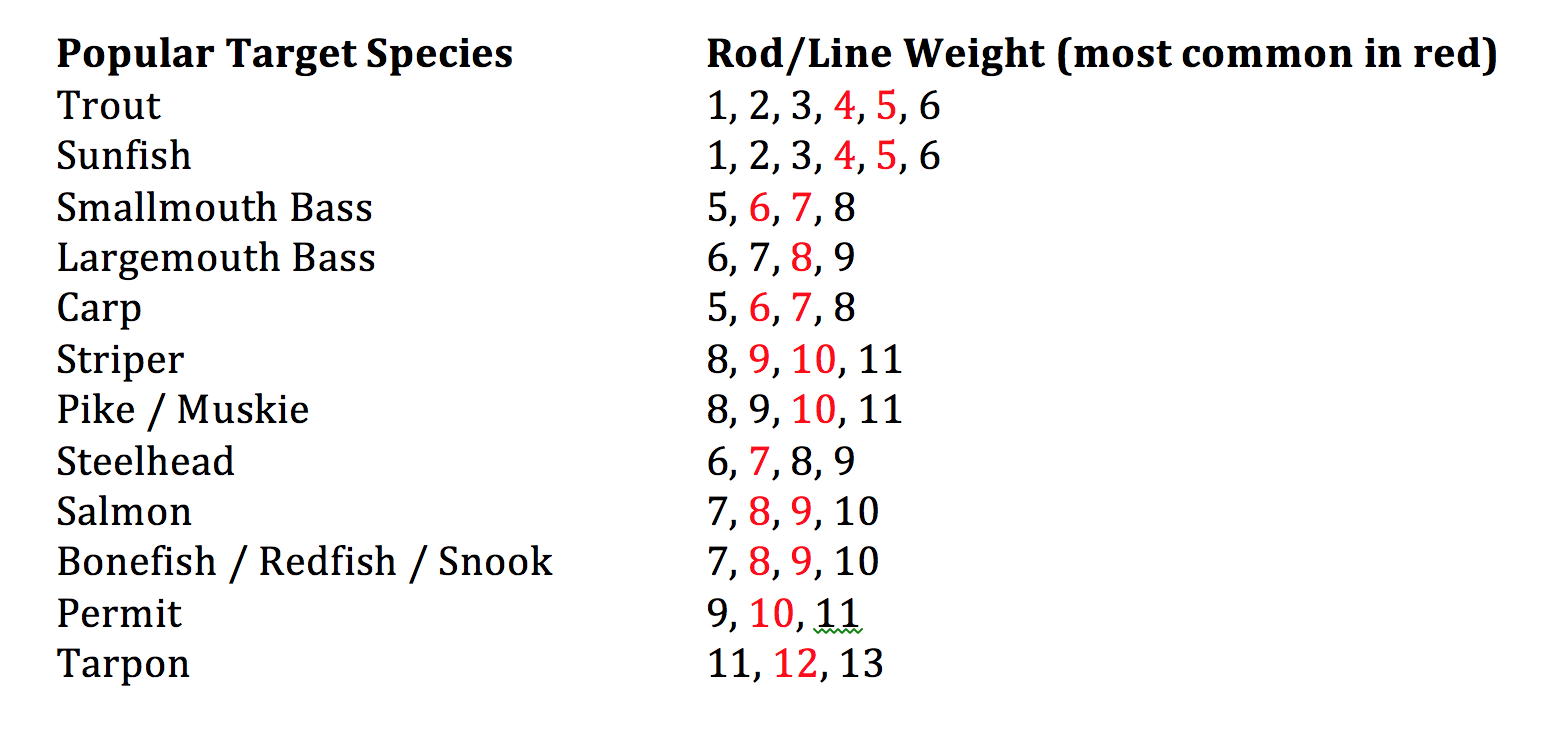
Most anglers can cover almost all trout fishing with a 5-weight. But small water and harsh wind push you up or down. Use these picks as a field guide, not hard rules.
- Tiny creeks, spooky fish, short casts: 2–3 weight, 7–8.5 feet. Great for light dry flies and small nymphs.
- Spring creeks, classic dry fly work: 4 weight, 8.5–9 feet. Delicate, accurate, less splash on the drop.
- All-around rivers and mixed methods: 5 weight, 9 feet. Dry, nymph, light streamers. The one-rod quiver.
- Wind, bigger water, or heavier nymph rigs: 6 weight, 9–10 feet. Controls indicators and sink tips.
- Lakes, big streamers, or big trout: 7–8 weight, 9–10 feet. Throws bulky flies and handles wind and distance.
If you are unsure what weight fly rod for trout to buy first, choose a 5-weight. It solves 80% of days. It also teaches clean casting form, which helps you with any rod later.
Matching rod length and action to trout tactics
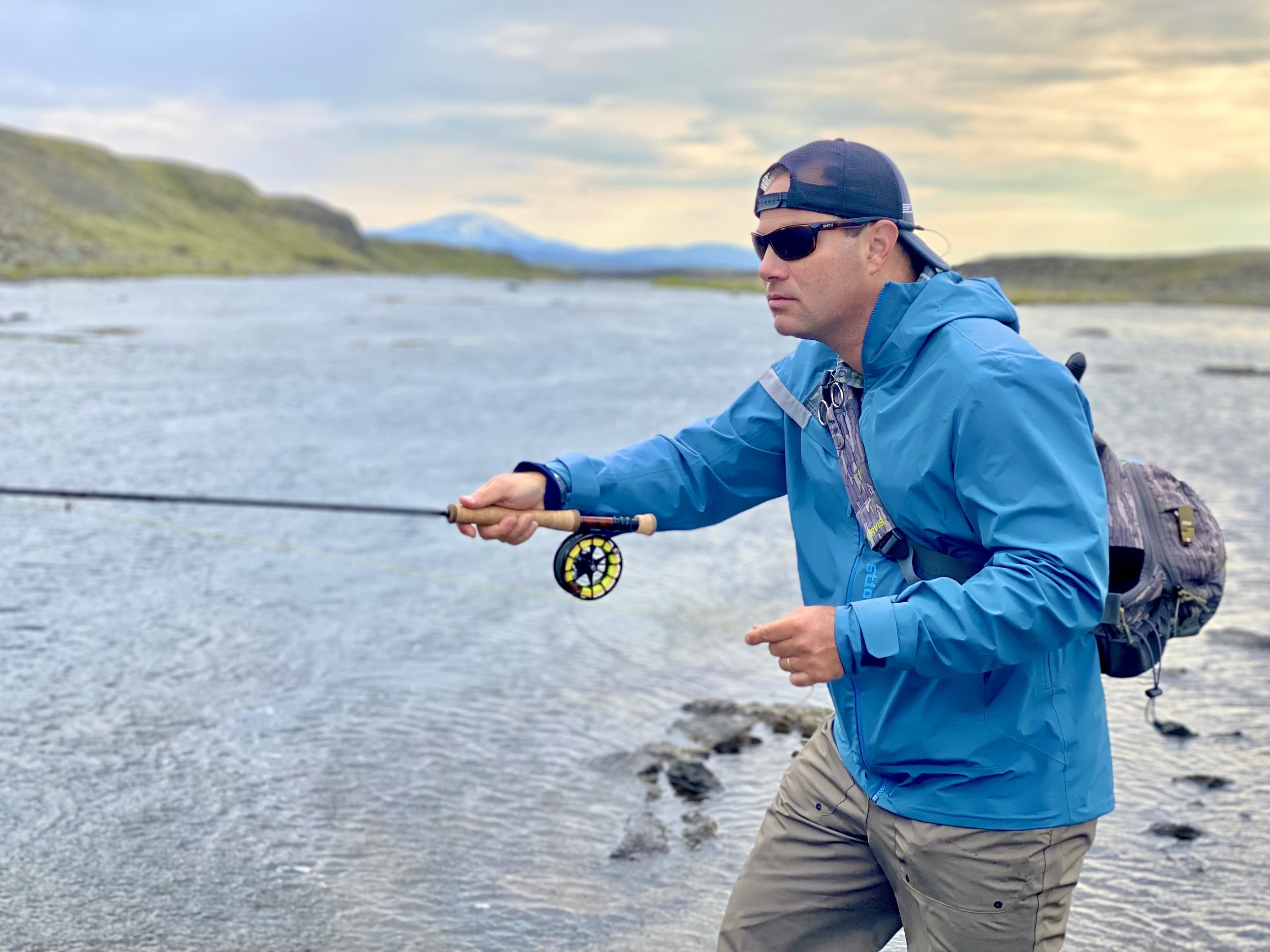
Rod length shapes reach, line control, and mending. Action shapes feel and timing of the cast. Blend them with your target water.
- Small, brushy streams: 7–8.5 feet keeps loops tight under trees.
- Medium to large rivers: 9 feet is the sweet spot for reach and mends.
- Indicator nymphing or euro nymphing: 10–10.6 feet adds reach and drift control.
Action tips:
- Moderate action protects light tippet and lands soft. Great for size 18–24 dries.
- Medium-fast is the best all-around action for a 5-weight.
- Fast action helps in wind and with sink tips. It powers big flies but can be less forgiving.
When people ask what weight fly rod for trout they should pair with a fast action, I say 5 or 6. Those weights use the speed well without feeling like a broomstick.
Fly size, wind, distance, and fish size: choose your power
Pick rod weight with these simple checks. They work on the bank or at the shop.
- Fly size check: If your leader cannot turn over your fly, go up a weight. Big hoppers and streamers need more mass.
- Wind check: If a steady breeze knocks down your cast, go up one weight or move to a faster action.
- Distance check: If you need 50–60 foot shots on a lake, a 6 or 7 helps hold tight loops.
- Fish size check: If fish bend your rod into the cork and fights drag on, go up one weight.
In short, what weight fly rod for trout depends on the load you must move. The load is a mix of fly, air, and water. Match the mass to the job, and your cast will feel easy.
Balance the outfit: line, leader, reel, and tippet
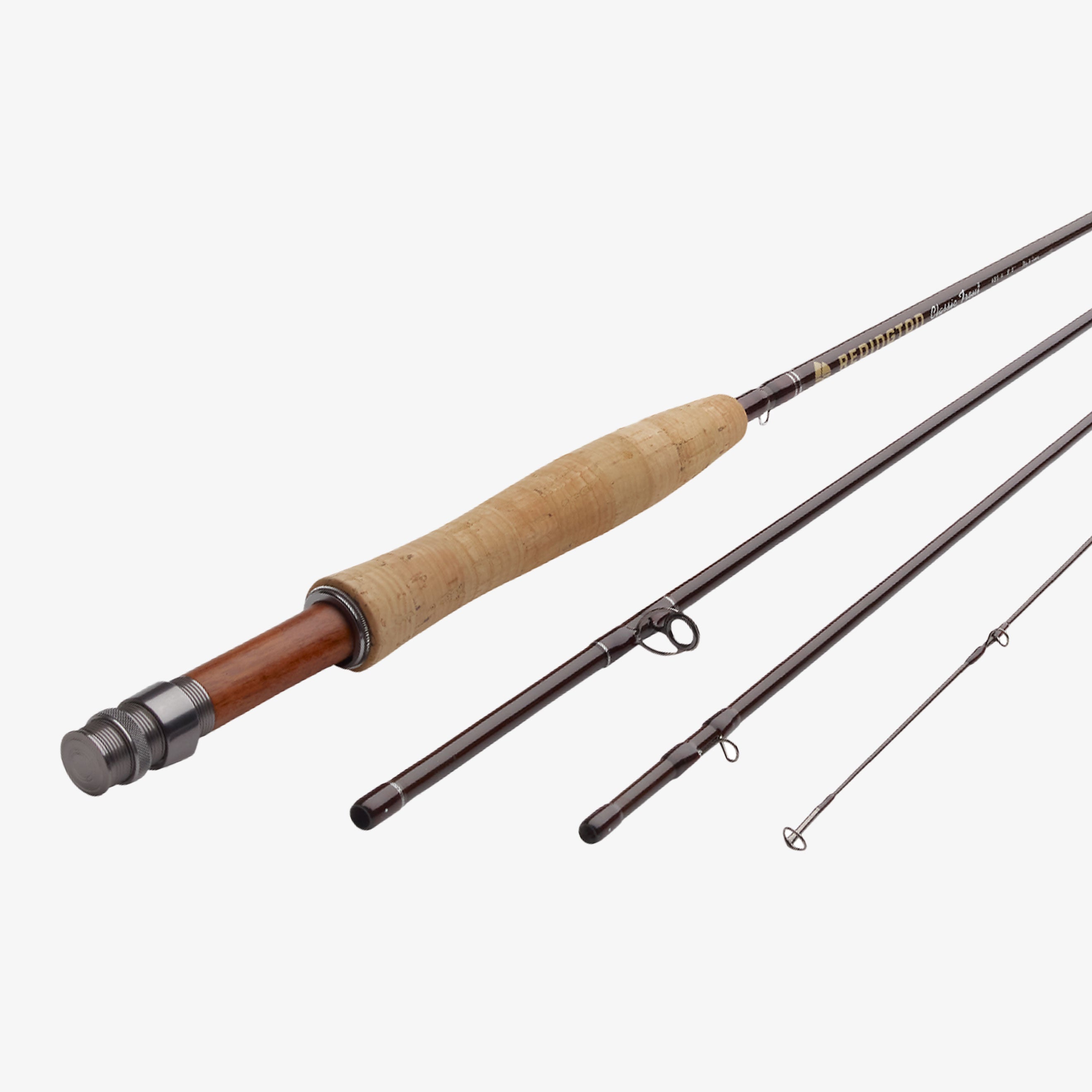
A well-matched setup makes any rod weight sing. Balance the parts so they work as one.
Line
- Use a weight-forward floating line for most trout work.
- Overlining by a half size can help short casts on fast rods.
- Sink tips or full sink lines help with deep streamers on 6–7 weights.
Leader and tippet
- Dry fly setups: 9–12 foot leaders, 5X–6X.
- Nymph rigs: 7.5–9 foot leaders, stronger tippet like 3X–4X to turn over weight.
- Streamers: short leaders, 0X–2X, with a loop knot for fly action.
Reel
- Pick a reel that balances at the front of the grip. Balance reduces fatigue on long days.
- Smooth drag helps with light tippet on fast runs.
If you still wonder what weight fly rod for trout is right, rig a 5-weight with a WF floating line and a 9-foot 5X leader. That setup handles most rivers on most days.

Field notes, lessons, and mistakes to avoid
Years on the water taught me a few hard lessons.
- I once took a 5-weight to a headwater trickle. It worked, but the long rod spooked fish and snagged brush. A 7.5-foot 3-weight would have doubled my shots.
- I fished a windy lake with a 5-weight and size 4 streamers. The rod could not lift and fire that mass in a crosswind. A 7-weight made it easy and kept the fly in the zone.
- I ran heavy indicators on a 4-weight in spring. The soft tip could not pick up the rig for a sharp mend. A 6-weight saved the day.
These stories shape how I answer what weight fly rod for trout makes sense. Match the tool to the task, and the river feels kind.
Common mistakes
- Buying too light because it feels fun in a shop.
- Ignoring wind, which is the real boss on open water.
- Overlooking leader design when blames fall on rod weight.
- Skipping a test cast with your actual fly or a close match.
Budget and smart buying tips
You do not need a premium rod to catch a lot of trout. You do need a rod that fits your water.
- Try before you buy. Cast with the line you plan to fish.
- Mid-price rods today cast far above their cost. Many have strong warranties.
- The used market is full of gems. Check guides, ferrules, and straightness.
- Spend on the line. A well-tapered line can wake up a mid-tier rod.
If price forces one choice, ask the shop what weight fly rod for trout sells most in your area. It is often a 5-weight for good reason.

Setup, care, and your upgrade path
Set up right, and your cast will feel smooth from day one.
- Start with a 5-weight, then add a 3-weight for small water.
- Add a 6 or 7 for wind, big water, and streamers.
- Clean your line often. A clean line casts like a lighter rod.
- Check ferrules for fit and twist tight. Loose joints cause breaks.
- Store rods dry and in a tube. Heat and damp ruin cork and glue.
As skills grow, revisit what weight fly rod for trout you grab most. Your home water and style will guide the next buy.
Frequently Asked Questions of what weight fly rod for trout
Is a 5-weight the best all-around choice for trout?
Yes, a 5-weight covers dries, nymphs, and light streamers on most rivers. It also handles moderate wind and average casting ranges.
When should I pick a 4-weight instead?
Choose a 4-weight for small to medium flies and gentle dry fly work. It helps with soft landings and protects light tippet.
Do I need a 6-weight for Indicator nymphing?
A 6-weight helps pick up and mend heavy rigs and split shot. It also holds stable loops in wind and across big seams.
What rod weight is best for throwing big streamers?
Use a 6 or 7-weight for bulky flies and sink tips. The extra mass turns over big patterns and cuts wind.
Which rod weight is best for euro nymphing?
Most euro sticks are 10–10.6 feet in 2–4 weights. They focus on reach and drift, not on long casts.
Can a 3-weight land big trout?
Yes, with smart angles and steady pressure, it can. But in heavy current or with big flies, a 5 or 6 is safer.
Should I overline my rod?
Sometimes. Overlining by a half or one size can help short casts on fast rods, but test it first.
Conclusion
If you need one rod, pick a 9-foot 5-weight and fish it hard. Add a 3-weight for tight creeks and a 6-weight for wind, big water, and heavy rigs. That trio solves nearly every day for trout.
When you ask what weight fly rod for trout to use, think fly size, wind, and distance first. Then match your rod to the real load you must move. Try these picks on your home water this week, note what feels easy, and build from there.
Want more gear tests and river-ready tips? Subscribe, share your questions in the comments, and tell me what rod you reach for most.