

Use 2-liter jugs with 50–80 lb line; adjust for size and current.
If you are asking what size catfish line jug for catfish is best, you are in the right place. I have run jugs for decades across lakes and rivers. This guide gives clear sizes for jugs, lines, hooks, and weights.
You will learn how to match your setup to water, wind, and fish size. By the end, you will know exactly what size catfish line jug for catfish to deploy, and why it works.
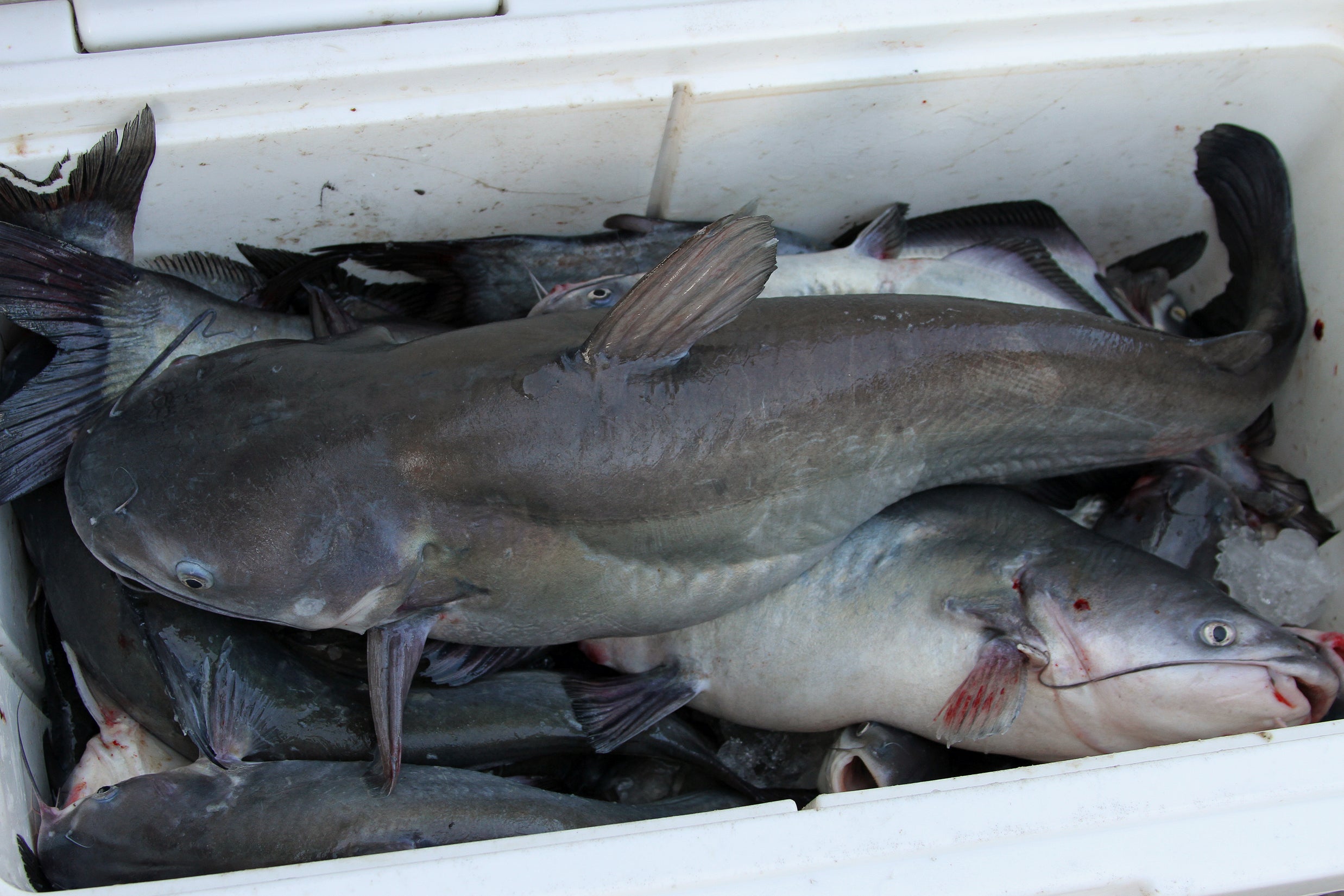
What Is Jug Lining and Why Size Matters?
Jug lining is simple. You suspend baited hooks from floating jugs and let them drift or anchor. The fish fights the line and tilts the jug. Good gear size stops break-offs, reduces lost fish, and keeps jugs under control.
Size matters for three reasons. The jug must float with power. The line must hold a hard run. The rig must hold depth in wind or current. If you came here to learn what size catfish line jug for catfish fits your waters, this section sets the stage with key points.
Key sizing goals:
- Enough buoyancy to fight a strong catfish without sinking
- Line strength that covers sudden runs and abrasion
- Sinkers heavy enough to keep the bait down
- Bright colors and ID for quick recovery
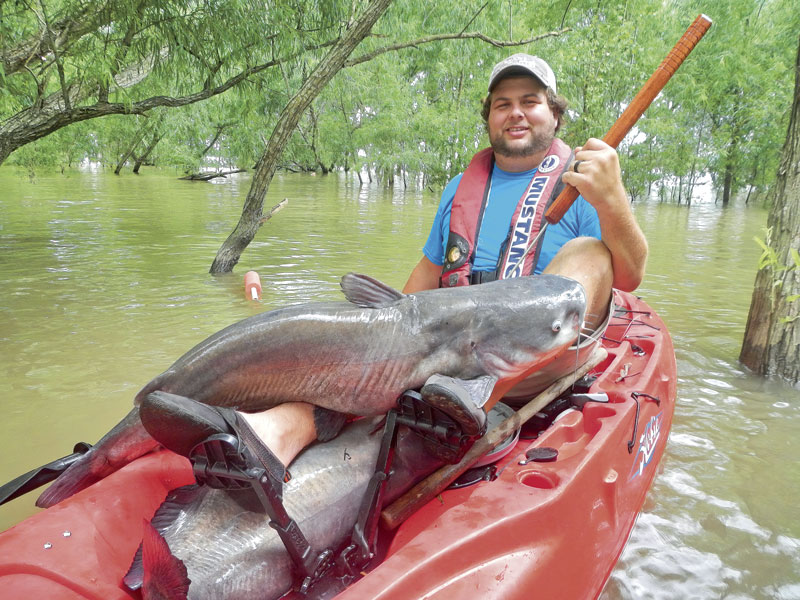
The Short Answer: Jug Size and Line Strength by Catfish Class
Here is a fast guide I trust from years on the water. It answers what size catfish line jug for catfish to use for common targets.
Channel catfish up to 10 pounds:
- Jug: 2-liter soda bottle or 12–14 inch pool noodle on 3/4 inch PVC
- Line: 30–50 lb mono or 50–65 lb braid
- Sinker: 1–2 oz lake, 2–3 oz light current
- Hook: 5/0–6/0 circle
Blue or flathead 10–30 pounds:
- Jug: Stout 2-liter or 1-gallon bleach jug; 16–18 inch noodle on 1 inch PVC
- Line: 50–80 lb mono or 65–100 lb braid
- Sinker: 2–4 oz lake, 3–6 oz river
- Hook: 7/0–8/0 circle
Trophy 30–60+ pounds:
- Jug: 1-gallon jug or double-length heavy noodle; add ballast plug
- Line: 80–100+ lb mono or 100–150 lb braid
- Sinker: 4–8 oz depending on current
- Hook: 8/0–10/0 circle
When readers ask what size catfish line jug for catfish they should own, I suggest building two sets. One set for eaters. One set for heavy fish. This covers most trips and saves rebuild time.
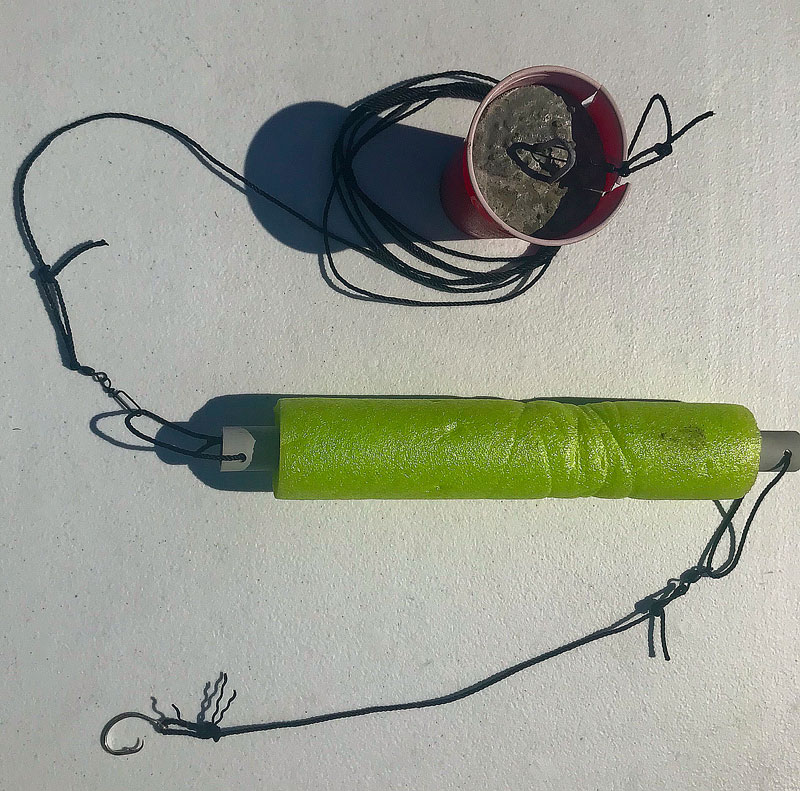
Choosing the Right Jug Float: Size, Shape, and Color
A jug must resist diving and stay visible in chop. A 2-liter bottle is a budget classic. A 1-gallon jug adds lift for big blues. Pool noodle jugs on PVC are rugged and easy to stack.
What works best in practice:
- 2-liter bottles: Cheap, fine for channels and smaller blues
- 1-gallon bleach jugs: High lift for current and large fish
- Pool noodles on PVC: 12–18 inches of large-diameter noodle for most lakes
- Color: Neon orange, chartreuse, or white with reflective tape for night
- ID: Name, phone, and permits as required by local law
If you wonder what size catfish line jug for catfish fights best in rivers, use 1-gallon jugs or long noodles. They resist pull-down and are easy to grab with a gaff.
Line Strength and Type: Mono, Braid, or Nylon
Line is the heart of the system. I match line to fish and cover. For rocks and shells, I go heavier. For clear water, I favor mono for stretch.
Simple rules that answer what size catfish line jug for catfish line to spool:
- 30–50 lb mono for channels in lakes with little cover
- 50–80 lb mono as the all-around choice for mixed fish
- 65–100 lb braid for heavy current, big blues, or weed beds
- 80–100 lb tarred bank line for budget trotline-style setups
- Leader 50–80 lb mono or coated wire if gar or musky are present
Mono gives stretch. Braid gives cut and strength. Bank line is cheap and tough but can tangle. When readers ask what size catfish line jug for catfish is most forgiving, I point to 50–80 lb mono.
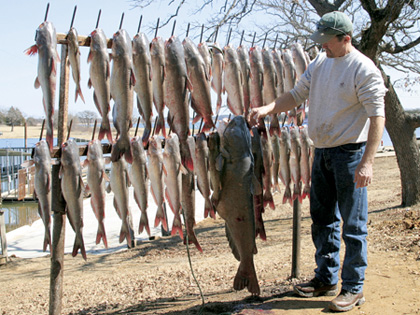
Hook Size, Leader, and Sinkers for Jugs
Hooks matter. Circle hooks pin the corner of the mouth and save fish. Offset helps on big baits. Leader length controls bait action.
Proven sizes:
- Hooks: 5/0–6/0 for eater fish; 7/0–10/0 for large cut bait
- Leader: 12–18 inches for most water; 24 inches for tall grass or rocks
- Sinker: Egg or bank sinkers 1–3 oz in lakes; 3–8 oz in current
- Swivels: Heavy-duty barrel or ball-bearing to reduce twist
If you ask what size catfish line jug for catfish weight works in wind, start at 2 oz in lakes. Step up until the bait holds depth. In rivers, size for the flow you see, not the flow you hope for.

Rigging Steps: A Simple, Durable Setup
This rig is simple, strong, and fast to build. It answers what size catfish line jug for catfish rig you can trust at night.
Steps:
- Tie main line to jug handle or PVC eye with a snug knot and backup wrap
- Add a stopper knot or bead to set max depth
- Thread a sliding sinker or clip a dropper weight
- Tie on a strong swivel
- Add leader and circle hook
- Mark depth on line with paint or small knots for repeatable sets
Tips from the field:
- Heat-seal tag ends of nylon to stop fray
- Use quick clips to swap sinkers as current changes
- Carry spare leaders with hooks pre-tied in zipper bags
Adapting to Water, Current, and Season
Catfish move. Your jug system should move with them. In spring, fish shallow flats. In summer, target ledges and channels. At night, drift edges and points.
Adjust with intent:
- Calm lakes: Lighter sinkers, shorter leaders, brighter colors
- Windy days: Larger jugs, heavier sinkers, drift in controlled lines
- Rivers: One-gallon jugs, stout line, anchor some jugs to hold zones
- Cold fronts: Slow the drift and drop baits a bit deeper
When someone asks what size catfish line jug for catfish to use on a big river, I say start heavy. Big jug. 65–100 lb braid. 4–8 oz sinker. Then scale down as you learn the flow.

Legal Rules, Safety, and Ethical Considerations
Check rules before you set. States limit jug numbers, tags, check times, and night use. Many require name and phone on each jug. Follow the law and respect other boaters.
Safety and ethics:
- Wear a PFD while chasing jugs in chop
- Use reflective tape and a light at night
- Do not leave jugs unattended beyond legal check times
- Use circle hooks to reduce deep hooking
- Keep only what you will eat; release trophies with care
If you type what size catfish line jug for catfish into a search bar, you will also find rule notes. State sites often post legal sizes and ID needs. Review them before you go.
Maintenance, Storage, and Cost-Saving Tips
Well-kept gear lasts longer. A clean jug stays bright and easy to spot. A tidy line avoids tangles at 2 a.m.
Do this after trips:
- Rinse jugs and lines to remove slime and grit
- Check knots, swivels, and hooks for wear
- Replace frayed sections before the next run
- Store jugs on a peg board or in a crate with lines wrapped
Save money:
- Recycle clean 2-liter or 1-gallon jugs
- Buy line and hooks in bulk
- Use leftover pool noodles on scrap PVC to build more rigs
If budget matters and you ask what size catfish line jug for catfish gives the best value, pick 2-liter bottles with 50–80 lb mono. They work and cost little.
Common Mistakes to Avoid
These errors cost fish and time. I made most of them so you do not have to.
Watch out for:
- Line too light for cover or current
- Jugs too small for large fish or waves
- Sinkers too light to hold baits down
- Leaders too long in brush, leading to snags
- Not tagging or checking jugs on time
Your plan should answer what size catfish line jug for catfish you need before you launch. Pack two sizes of jugs and three sinker weights. You will be ready for most days.
Real-World Examples and Results
On a calm summer lake, I set ten 2-liter jugs with 50 lb mono. Hooks were 6/0 circles with 1.5 oz sinkers. We boxed eaters fast and lost none. That day proved the simple answer to what size catfish line jug for catfish works for channels.
On a big river with fast flow, I ran 1-gallon jugs, 80 lb mono, and 6 oz sinkers. We landed two blues over 30 pounds. Heavy gear kept the jugs on top and the hooks planted. This is why what size catfish line jug for catfish changes with water.
At night on a windy point, I switched to 18 inch noodle jugs, 65 lb braid, and 3 oz sinkers. The bright colors and reflective tape saved time. We tracked every fish fast and safe. That setup is now my standard for rough nights.
Frequently Asked Questions of what size catfish line jug for catfish
What size catfish line jug for catfish works for beginners?
A 2-liter bottle with 50 lb mono, 2 oz sinker, and 6/0 circle hook works. It lands eater-sized fish and keeps costs low.
What size catfish line jug for catfish should I use in strong current?
Use 1-gallon jugs, 65–100 lb braid, and 4–8 oz sinkers. Keep leaders short to reduce drag.
What size catfish line jug for catfish is best for trophy blues?
Choose large noodle or 1-gallon jugs with 80–100 lb mono and 8/0–10/0 hooks. Rig heavy and check often.
What size catfish line jug for catfish is safe for kids to help with?
Use bright 2-liter jugs with 30–50 lb mono and 1–2 oz sinkers. Keep hooks covered until ready and supervise closely.
What size catfish line jug for catfish do I need at night?
Use large, bright jugs with reflective tape and a small light. Run 50–80 lb line so you can pull hard when needed.
What size catfish line jug for catfish do I need around rocks and shells?
Go heavier on line, at least 65 lb braid or 80 lb mono. Use abrasion-resistant leaders of 60–80 lb.
What size catfish line jug for catfish should I use for shallow flats?
Small 2-liter jugs with 1–2 oz weights and 12–18 inch leaders work well. Keep baits just off the bottom.
Conclusion
The right jug, line, and sinker turn chaos into control. Pick floats with enough lift, lines with room for shock, and hooks that hold fast. Build two kits so you can swap fast with weather and depth. When in doubt, go stronger. It saves fish and gear.
Put this guide to work on your next trip. Test one setup at a time and take notes. Subscribe for more rig tips, or share your best what size catfish line jug for catfish results in the comments.