

A 7-foot, medium-heavy, fast-action casting rod covers most bass tactics.
If you want to know what type of rod for bass fishing is best for you, you are in the right place. I have spent countless dawns on lakes, rivers, and ponds. I have tested rods in weeds, wood, and rock.
In this guide, I break down choices with clear steps, real picks, and simple rules. You will finish with one clear answer to what type of rod for bass fishing you need for your water, your lures, and your budget.
Rod basics: power, action, length, and material
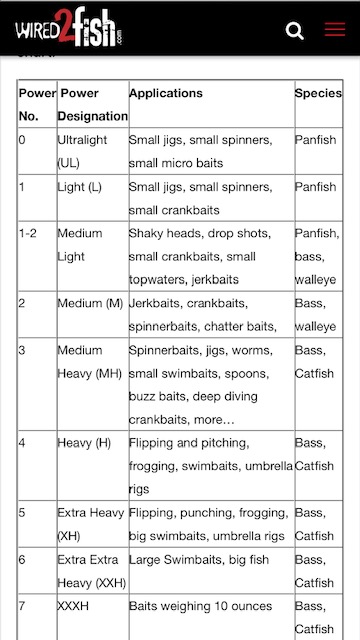
Before you ask what type of rod for bass fishing is best, lock in these four keys. Power is the rod’s strength. Action is where it bends. Length controls cast and hook power. Material shapes feel and flex.
Power
- Ultra light and light are not for bass.
- Medium fits small moving baits and light finesse.
- Medium heavy is the workhorse for many lures.
- Heavy shines in grass, wood, and frogs.
Action
- Fast gives a crisp tip and firm backbone. Great for single hooks.
- Moderate bends deeper. Great for treble hooks like crankbaits.
- Extra fast snaps the tip quick. Great for jigs and Texas rigs.
Length
- 6’6” is easy to handle in tight spots.
- 7’ to 7’3” adds cast reach and hook power.
- 7’4” to 7’6” helps with long casts and heavy cover.
Material
- Graphite is light and sensitive. Best for bottom contact.
- Composite mixes glass and graphite. Great for chatterbaits and moving baits.
- Glass bends deep. Helps keep treble hooks pinned.
If you wonder what type of rod for bass fishing covers the most, think medium heavy power with a fast action near 7 feet. It hits the sweet spot for control, feel, and range.
Power and action for common bass lures
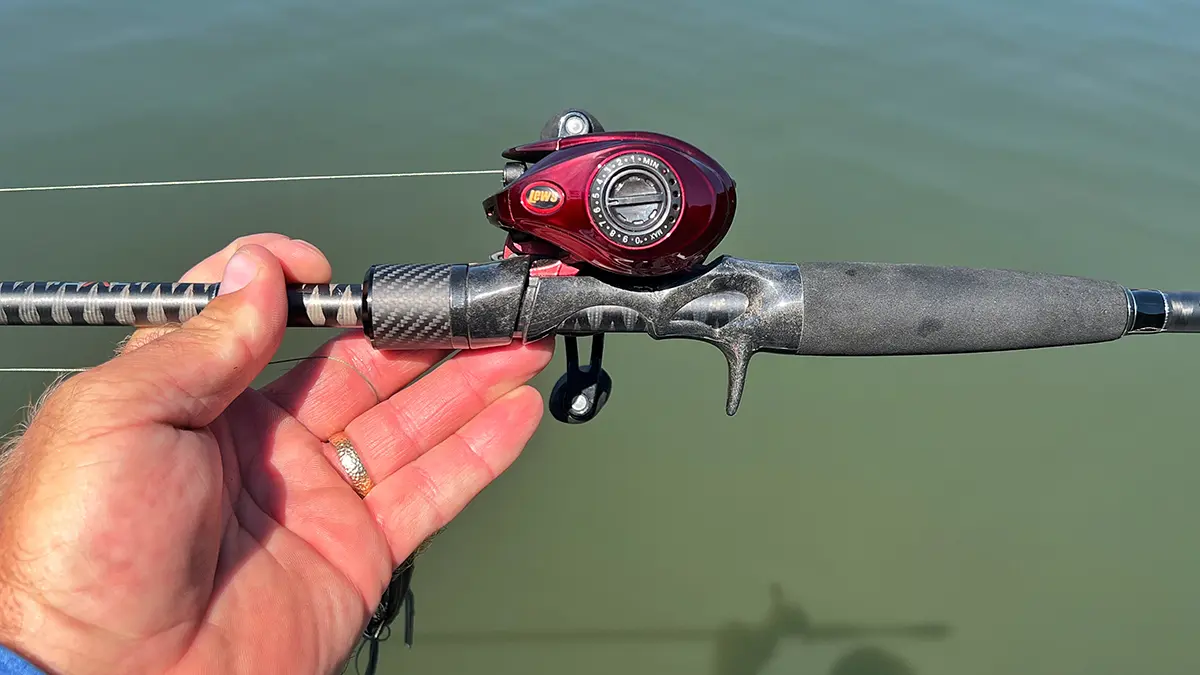
The lure and hook style decide power and action. That is the core of what type of rod for bass fishing you need.
Jigs and Texas rigs
- Power: Medium heavy or heavy
- Action: Fast or extra fast
- Why: You need feel, quick hooksets, and control in cover
Spinnerbaits and chatterbaits
- Power: Medium heavy
- Action: Fast for grass, moderate fast for open water
- Why: A bit of give keeps fish pinned
Crankbaits
- Power: Medium or medium heavy
- Action: Moderate or moderate fast
- Why: Deeper bend so treble hooks do not tear out
Topwater
- Power: Medium or medium heavy
- Action: Fast with mono or moderate with braid
- Why: A touch of delay helps on the strike
Finesse (Ned, drop shot, small swimbaits)
- Power: Medium light to medium on spinning
- Action: Fast
- Why: Light line needs a soft tip and control
When in doubt on what type of rod for bass fishing handles many lures, pick medium heavy fast. It gives you room to grow.
Length and material: where they matter most
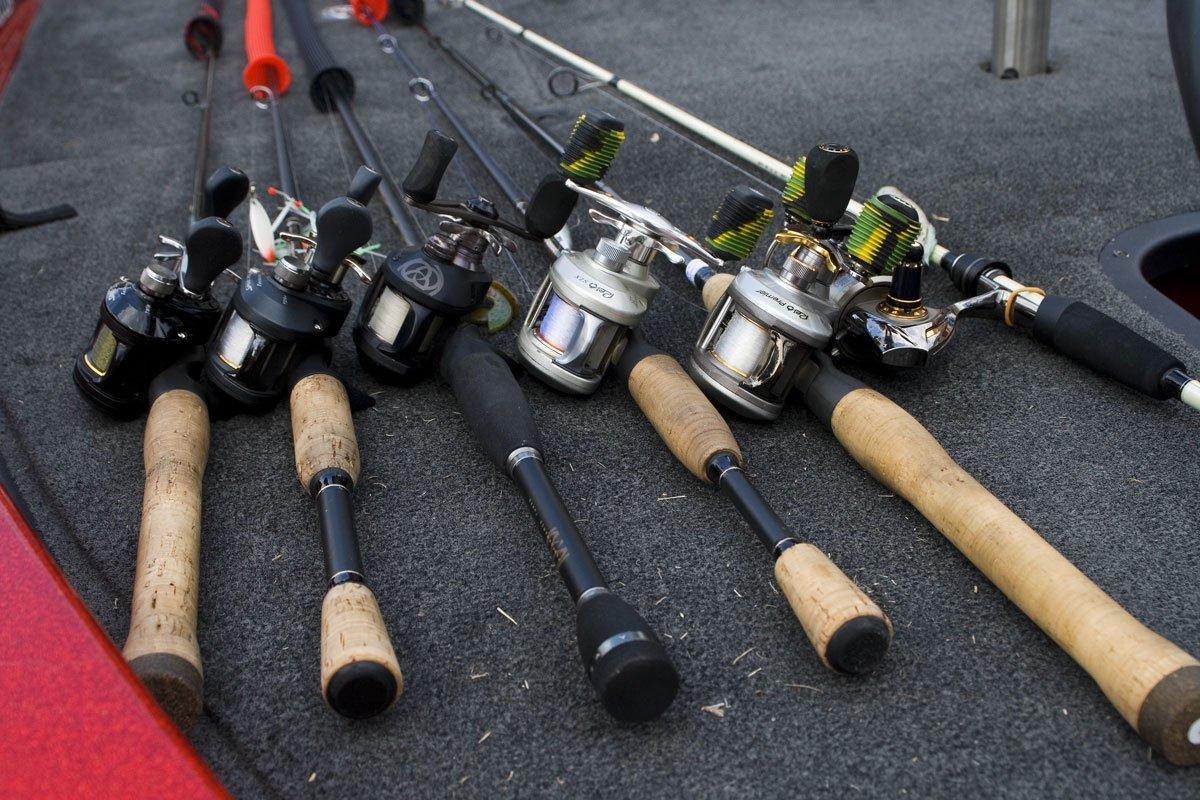
Rod length ties to cast reach, hook power, and control near the boat or bank. The best choice for what type of rod for bass fishing you need often sits between 6’10” and 7’3”.
- Shorter rods help if you fish from a kayak or tight banks.
- Longer rods help with line control for jigs, frogs, and deep baits.
- Mid lengths balance both.
Material shapes the bend and feel:
- Full graphite blanks feel bites on slack line fast. I like them for jigs.
- Composite blanks add a smooth load. I use them for chatterbaits to land more fish.
- Full glass blanks shine for squarebills and deep cranks.
Ask yourself what type of rod for bass fishing fits your main lures and water. Pick length and material to match that first.

Casting vs spinning rods: when to choose each
Anglers often ask what type of rod for bass fishing they should start with. The choice between casting and spinning matters a lot.
Casting rods
- Best for jigs, Texas rigs, spinnerbaits, frogs
- Handle heavier line and bigger hooks
- Give better control on hooksets
Spinning rods
- Best for finesse, small swimbaits, drop shots, and windy days
- Handle light line and tiny baits
- Reduce backlash risk for new anglers
If your main question is what type of rod for bass fishing is best for one rod only, go with a casting rod in medium heavy fast. If you fish lots of finesse, add a medium light or medium fast spinning rod.

Handles, guides, and reel seats: small parts, big gains
Little parts change comfort and feel. They help turn bites into fish in the net.
Handles
- Split grip cuts weight and helps balance
- Full grip adds comfort on long cranks and deep sets
- EVA foam is light; cork gives a classic dry feel
Guides
- Quality inserts reduce line wear with braid
- More guides give a smoother bend and better cast
Reel seats
- Exposed seats boost sensitivity
- Secure lock nuts stop the reel from loosening
If you debate what type of rod for bass fishing to buy, hold it in hand if you can. Balance should feel neutral at the reel seat. That cuts wrist strain in long days.

Technique-specific rod picks I trust
Over years on tour trails and local events, these picks have stuck. Use them to solve what type of rod for bass fishing fits each job.
Bottom contact: jigs and Texas rigs
- 7’1” to 7’3” medium heavy fast graphite
- 15 to 20 lb fluoro or 40 to 50 lb braid to leader
Bladed jigs and spinnerbaits
- 7’2” medium heavy moderate fast composite
- 15 to 17 lb fluoro
Squarebills and mid divers
- 7’ medium moderate glass or composite
- 10 to 14 lb mono or fluoro
Deep cranks
- 7’4” to 7’6” medium heavy moderate glass or composite
- 10 to 12 lb fluoro
Topwater walking and poppers
- 6’10” to 7’ medium fast graphite
- 30 to 40 lb braid or 12 to 15 lb mono
Frogs in heavy grass
- 7’3” to 7’6” heavy fast graphite
- 50 to 65 lb braid
Finesse spinning
- 7’ medium light or medium fast graphite
- 6 to 10 lb braid to 6 to 10 lb leader
If you still ask what type of rod for bass fishing can do most things, pick the jig and Texas rig rod first. It will land the most fish across the most lakes.
Budget and value: where to spend, where to save
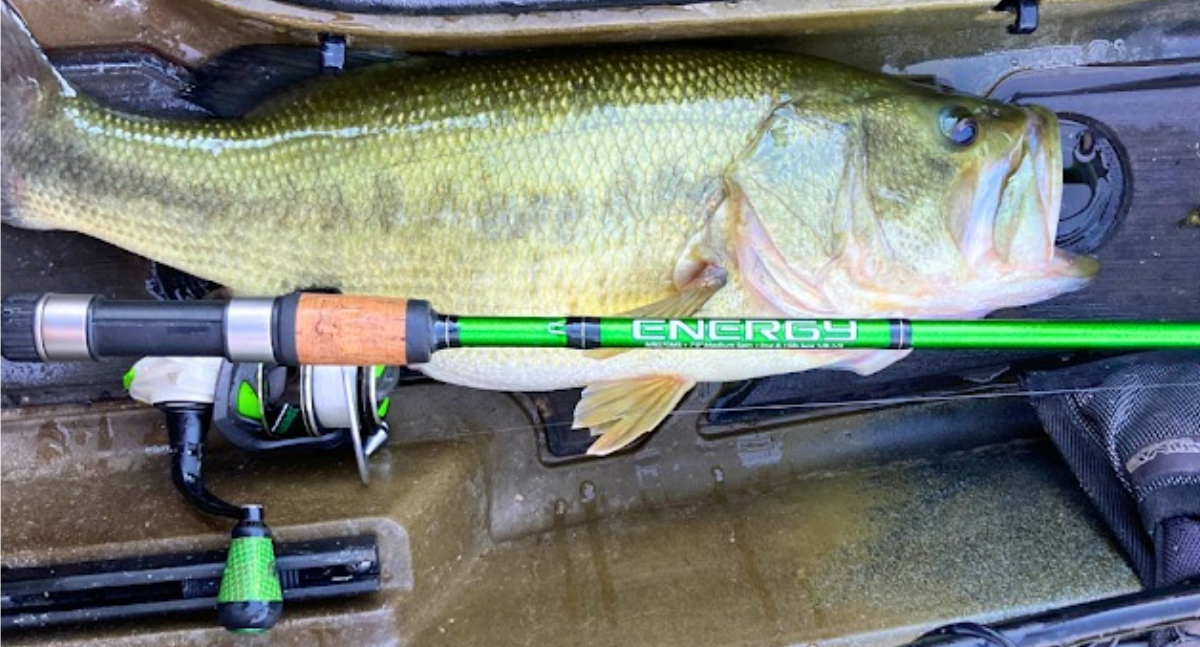
Price does not need to block success. The right spend depends on feel needs.
Entry level
- Sensitive enough for moving baits
- Ideal for learning cast skills
- Great to test what type of rod for bass fishing suits you
Mid tier
- Noticeable bump in sensitivity and balance
- Strong choice for jigs, rigs, and finesse
High end
- Top sensitivity for slack line bites
- Better balance for long days and precise work
My rule: spend more on your bottom contact rod. Save on moving bait rods. If you must pick one, invest in that medium heavy fast casting rod. It is the safest answer to what type of rod for bass fishing gives best return.
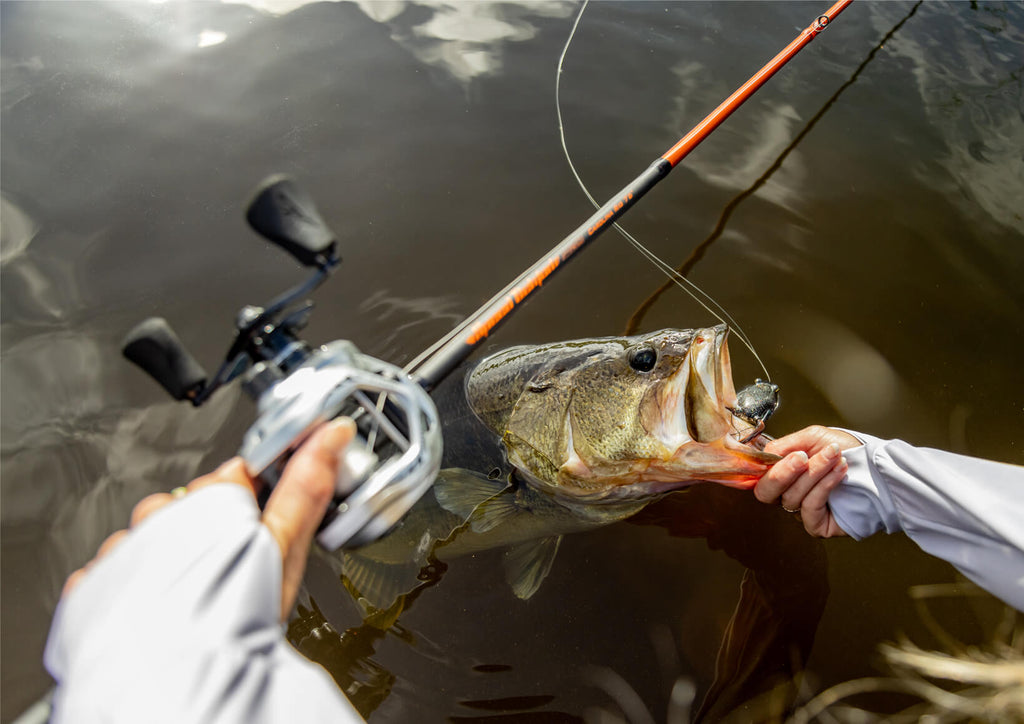
Example setups for your water and style
Here are simple kits that match real spots. Use them to answer what type of rod for bass fishing you should carry today.
Bank angler on small ponds
- 7’ medium heavy fast casting for jigs, chatterbaits, and frogs
- 7’ medium fast spinning for Ned rigs and light swimbaits
Kayak on grass lakes
- 7’3” heavy fast for frogs and heavy Texas rigs
- 7’2” medium heavy moderate fast for bladed jigs
Clear reservoir from a boat
- 7’1” medium heavy fast for jigs and rigs
- 7’ medium moderate for crankbaits
- 7’ medium light fast spinning for drop shots
River with current
- 7’ medium fast spinning for finesse and small swimbaits
- 7’ medium heavy fast casting for spinnerbaits and jigs
Travel one-rod plan
- 7’ medium heavy fast casting with 30 lb braid and a leader
- Swap leaders to fit lures and cover
With these plans, you will no longer wonder what type of rod for bass fishing works. You will know what to grab and why.
Care, line choice, and setup tips
A good rod lasts for years with simple habits.
Care
- Clean guides after sandy or muddy days
- Check guide rings for chips with a cotton swab
- Store on a rack, not in a hot trunk
Line choice
- Braid to leader gives feel and cast reach
- Fluoro sinks and fits bottom contact
- Mono floats and helps topwater timing
Setup
- Balance the rod and reel so the tip does not dive
- Match line test to lure and cover
- Retie often when fishing rock or wood
These steps keep your gear sharp. They also boost the real answer to what type of rod for bass fishing will serve you season after season.
Frequently Asked Questions of what type of rod for bass fishing
What type of rod for bass fishing is best for beginners?
A 7-foot, medium heavy, fast-action casting rod is ideal. It handles many lures and helps you learn fast.
What type of rod for bass fishing should I use for crankbaits?
Pick a medium power, moderate action rod in glass or composite. It keeps treble hooks pinned and smooths surges.
What type of rod for bass fishing works for finesse baits?
Use a 7-foot, medium light or medium fast spinning rod. Pair with light braid to a fluoro leader.
What type of rod for bass fishing is best for frogs?
Choose a heavy power, fast action casting rod. Add 50 to 65 lb braid for thick grass.
What type of rod for bass fishing covers the most techniques?
A 7-foot, medium heavy, fast-action casting rod covers the widest range. It is the safest single-rod choice.
What type of rod for bass fishing should I use with chatterbaits?
Use a medium heavy, moderate fast composite rod. It adds a little give and keeps fish pinned.
Conclusion
Pick by lure first, then match cover, then set length and material. For most anglers, a 7-foot, medium heavy, fast-action casting rod wins. Add a medium light spinning rod if you fish finesse often.
Test, adjust, and build a small set that fits your lake and your style. Take the next step today: choose your main technique, match the rod from this guide, and go catch more bass. If this helped, share it, subscribe for more gear guides, or drop your setup questions in the comments.