

Yes, bass fishing is often better after rain due to oxygen, cooler temps, and cover.
If you wonder is bass fishing good after rain, the short answer is yes, with a few rules. I’ve guided in many rain events and learned patterns that hold up in real life.
Here, I break down weather, water, and fish behavior in plain words. You will see when, where, and how to turn wet skies into your best bass day.
Is Bass Fishing Good After Rain? The Science
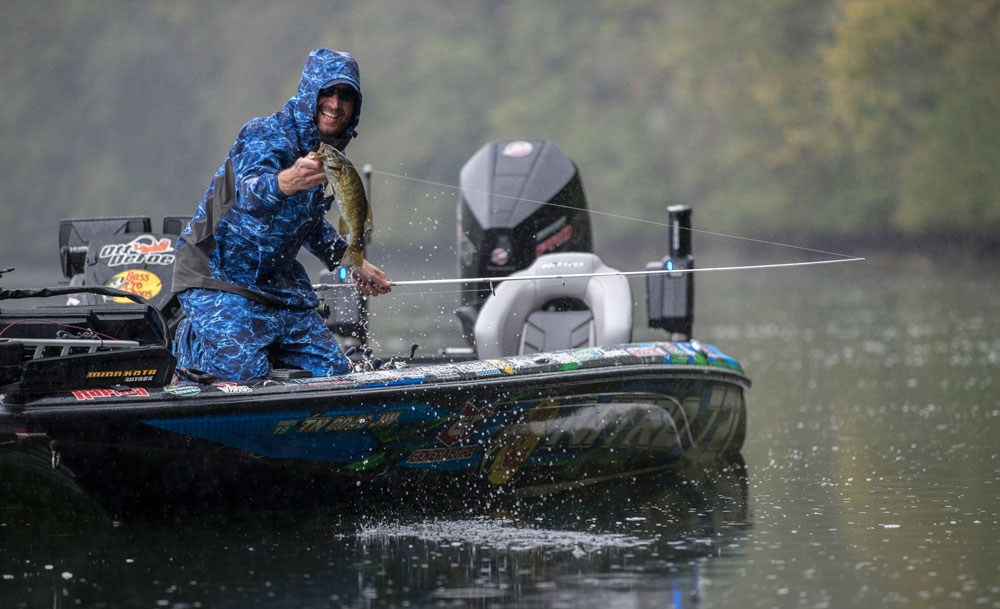
Rain shakes up a lake or river. Wind and drops cool the surface. Oxygen rises. Clouds dim the light. Bait moves. Bass sense that change and feed. So, is bass fishing good after rain? Yes, when you match your spots and lures to the new mood.
Pressure shifts also matter. A falling barometer can make bass roam and hunt. Cloud cover helps them feel safe in shallow water. Ask any guide is bass fishing good after rain during summer heat, and most will say this is prime.
Runoff brings food. Worms, insects, and small fish flush in from banks, drains, and creeks. That starts a short food chain near inflow. Bass slide in to pick off prey. Stained water hides your line and your bait. That lets you fish close without spooking them.
What this means on the water:
- Use wind-blown banks. Food stacks where wind pushes.
- Work fresh inflow. Look for culverts, ditches, and creeks with slight stain.
- Fish moving baits first. Cover water fast to find active fish.
Best Timing After a Storm
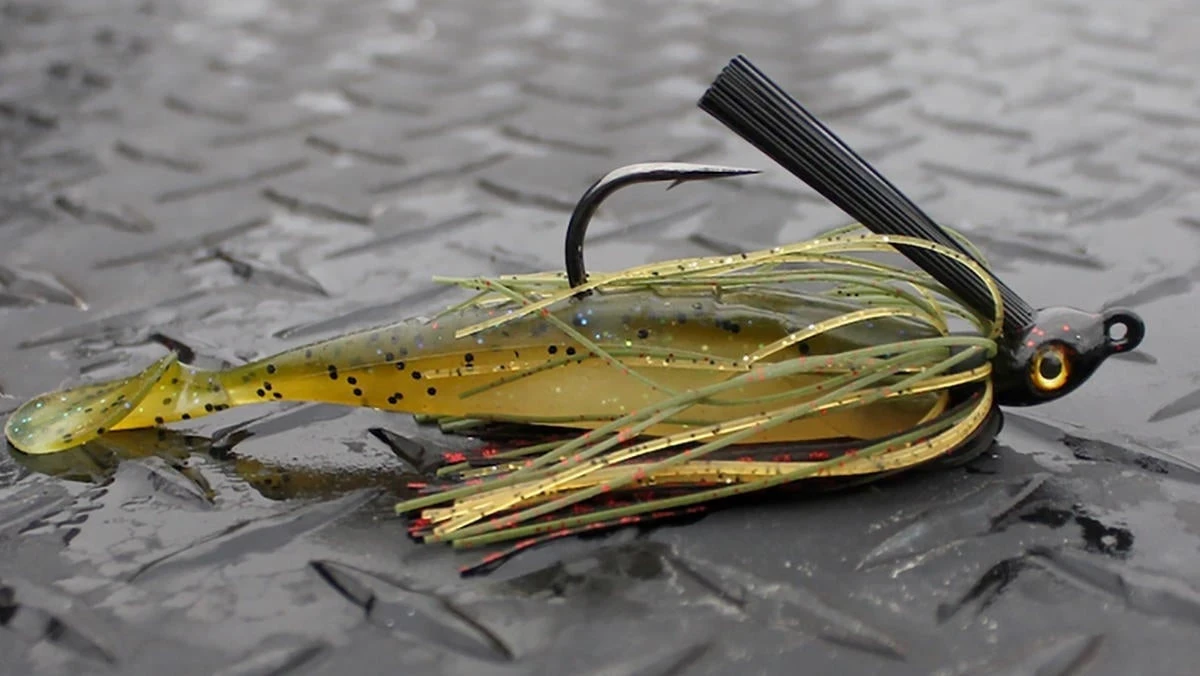
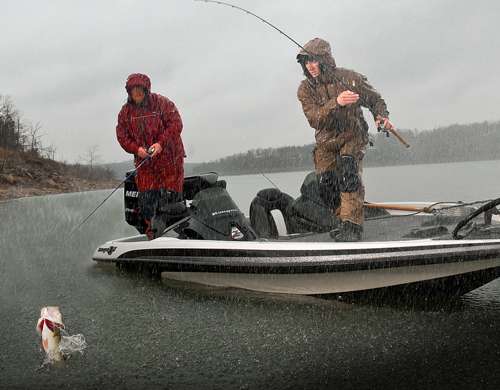
Your clock starts with the first drops. In light to moderate rain, fish can fire up. If it is safe, I often fish during the rain. The bite can peak the moment wind shifts and clouds thicken.
Right after the rain stops is a sweet spot. The sky stays gray, and the water mixes. Bass push shallow and pin bait on flats, points, and laydowns. If the front was strong and cold, give it a few hours. Then target mid-depth edges as bass slide a bit deeper.
The next 24 to 48 hours can still be good. That depends on how much mud came in. If the lake turned chocolate, hunt the edge of clean water. Is bass fishing good after rain if lightning still lingers? No fish is worth that risk. Wait until it passes and water levels stop rising fast.
Where Bass Hold After Rain?
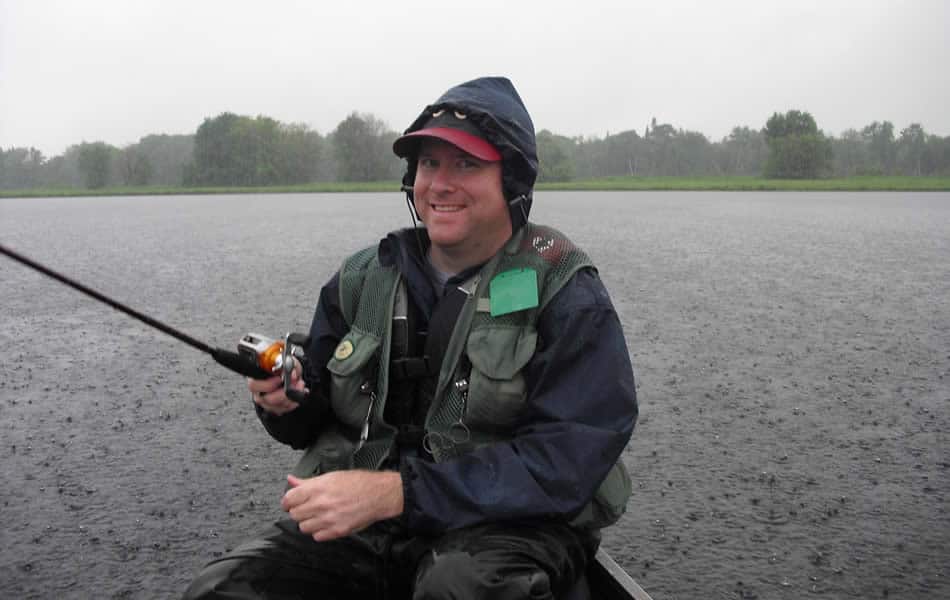
Fresh inflow is the main draw. It brings food, shade, and cooler water. Bass set up where current meets cover. Look for a change you can see.
Lakes and reservoirs:
- Creek mouths and small drains. Work the first drop and any wood or grass on it.
- Wind-blown points. Bass pin bait against rock or riprap.
- Shallow flats near deep water. They feed here then slide off when the sun breaks.
Rivers and creeks:
- Current breaks. Target eddies, wing dams, and behind logs.
- Outside bends with rock. Small baitfish stack here after rain.
- Side channels and backwaters. They calm down and clear first.
Ponds and small lakes:
- Inflow pipes and culverts. Bass often sit just below the bubbles.
- Ditches and drains. Follow the faint flow line.
- Upwind corners. Food and foam drift downwind.
If you wonder is bass fishing good after rain in muddy water, target the clearest water you can find. Fish the seam where clear meets stain. Bass often hold right on that line.
Lures and Presentations That Shine After Rain
Match your bait to the mood and the water color. Let the rain tell you how much noise, speed, and flash to use.
Go-to moving baits:
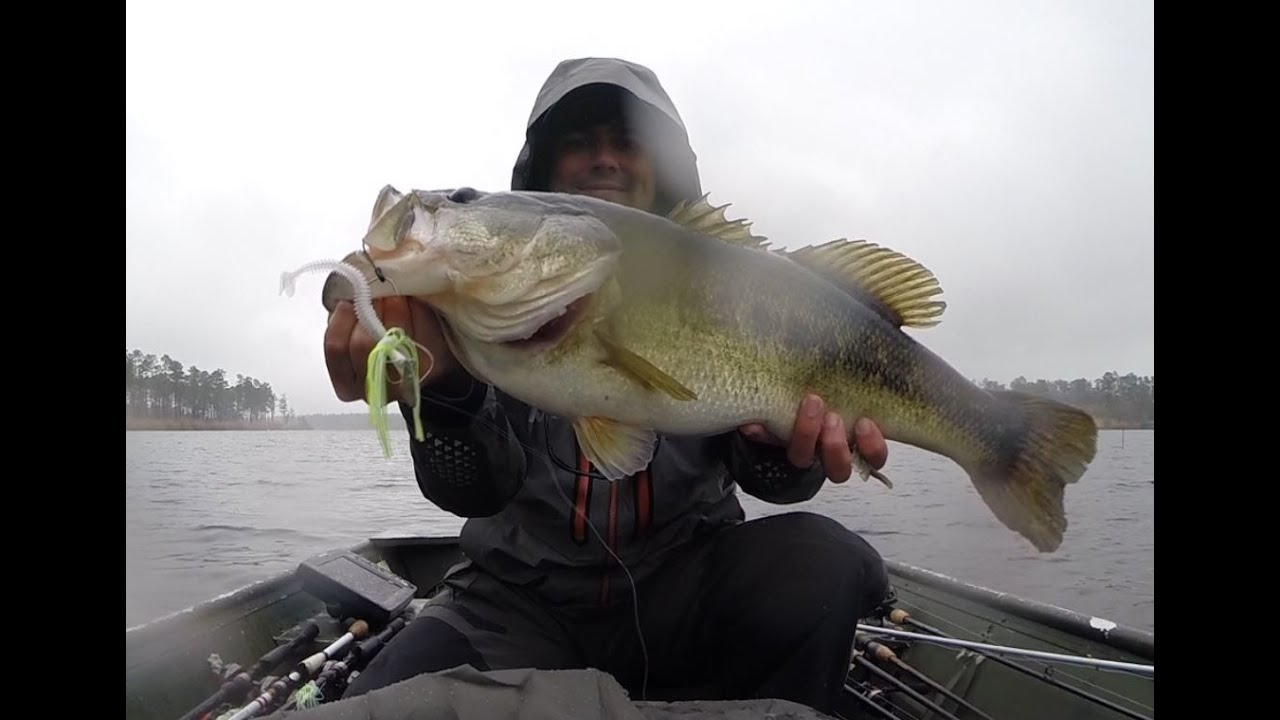
- Spinnerbaits. Use double willow in slight stain and colorado blades in heavy stain.
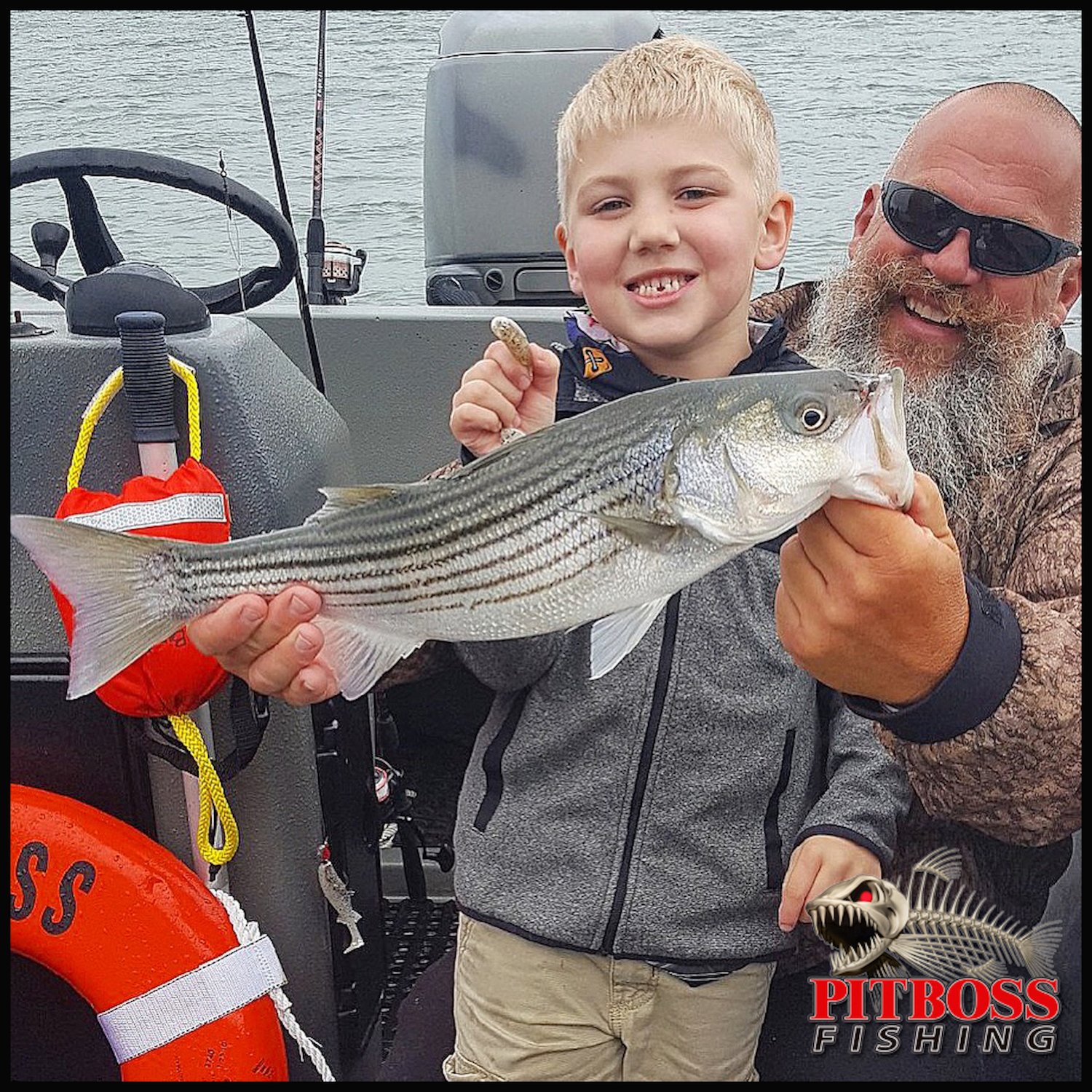
- Chatterbaits. Great in grass and around drains. Slow roll with a paddle tail trailer.
- Squarebill crankbaits. Bang them off wood and rock in 2 to 6 feet.
Bottom and finesse:
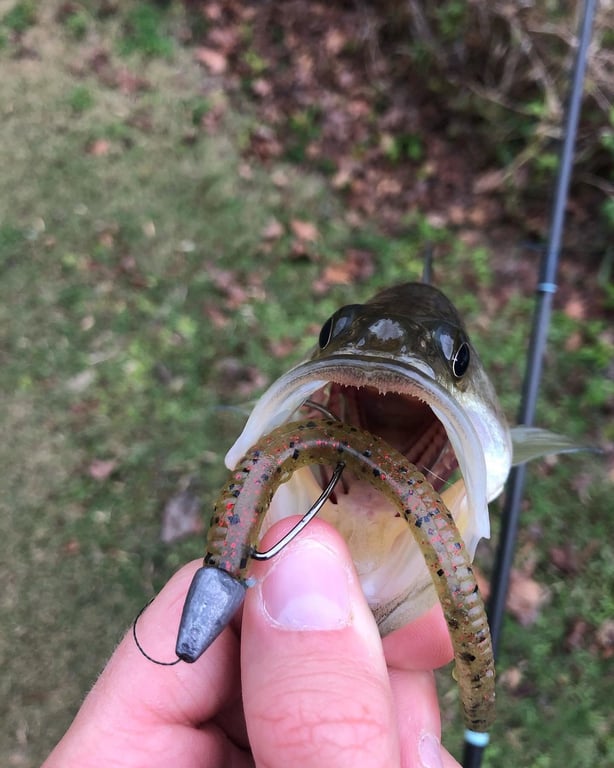
- Texas-rigged creature baits. Flip laydowns near inflow.
- Jigs with craw trailers. Drag on points and along riprap seams.
- Ned rig or drop shot. Use when the front is strong and fish get shy.
Topwater choices:
- Walking baits. Work them on cloudy calm pockets.
- Buzzbaits. Run them along grass lines and current edges.
- Poppers. Pause near shade, docks, and wood.
Color rules are simple. In clear water, use natural shad and green pumpkin. In stain, use white, chartreuse, and black-blue. Many anglers ask is bass fishing good after rain with topwater? Yes, when clouds stay, wind is light, and water is warm.
Seasonal Patterns After Rain
Rain plays a different role by season. You can plan your moves with that in mind.
Spring:
- Light rain warms shallow water first. Bass slide up to feed and stage.
- Work protected pockets, creek arms, and emergent grass.
- In spring, is bass fishing good after rain? Yes, if temps hold steady or rise.
Summer:
- Rain cools hot water. Oxygen rises and bait moves. This is prime.
- Fish shade lines, docks, and fresh inflow. Expect a strong reaction bite.
- Early and late in the day can be lights out.
Fall:
- Bass chase shad into creeks. Rain pulls them even farther back.
- Cover water fast with moving baits. Key on bait schools and birds.
- Watch for clearing water 24 hours later and adjust color.
Winter:
- Cold rain can hurt. It drops temps fast and slows fish.
- Find clearer, stable water near the main lake or deep holes.
- Go slow with jigs, small swimbaits, and finesse rigs.
Safety, Ethics, and Water Clarity Tips
Rain brings risk. Do not fish under lightning, near flooded banks, or on loose rock. Wear a life jacket and check flows if you fish rivers. Rising water can look slow and still sweep you.
Respect the resource. Avoid running over shallow beds in spring. Do not crowd other boats in small inflow creeks. Keep what you need if harvest is legal, but release big breeders. Before you decide is bass fishing good after rain on flooded rivers, check local warnings and debris reports.
Clarity is key. If water turns to chocolate milk, fish a moving bait with thump. In light stain, pick more natural colors. Use scent and rattles if the bite is short.
Mistakes To Avoid And Pro Tips
Small errors can cost you fish. Skip these traps and you will catch more.
Mistakes to avoid:
- Fishing the same clear spots out of habit. Rain creates new ambush zones.
- Using the wrong speed. Slow down when the front is strong and fish sulk.
- Ignoring wind. Wind stacks bait and breaks up light.
- Staying in heavy mud. Find the stain edge or warmer pockets.
- Running too big. Downsizing can save a tough bite.
Pro tips:
- Start fast with a spinnerbait or chatterbait. Switch to a jig to mop up.
- Angle your casts across current, not straight into it.
- Use bright blades or black silhouettes in stain for a clear target.
- Check your hooks. Rain means debris and dull points.
- Log each trip. A pattern today can repeat all season.
A common myth is bass fishing good after rain only in clear water. That is false. Many of my best bites came in stain, near fresh inflow, with a loud bait.
Data-Backed Insights And My Field Notes
Biologists note that cloud cover and rising oxygen can boost feeding. State creel data often show higher catch rates on overcast days. Flow gauges show that a small bump in current helps river bass stack on breaks. Anglers see the result as a quicker bite window.
From my logs over ten seasons:
- Best window was 0 to 4 hours after light to moderate rain.
- Rivers beat lakes when flow rose but stayed safe.
- Spinnerbait and chatterbait accounted for over half of big fish.
- Water temp drops of 2 to 4 degrees helped in summer.
- Heavy cold rain in winter cut my bites by half.
My logs say yes to is bass fishing good after rain on a falling barometer and steady wind. Your water may differ, so test and track. Patterns repeat more than you think.
Frequently Asked Questions of is bass fishing good after rain
Is bass fishing good after rain in muddy water?
Yes, if you fish the stain edge. Use loud, bright baits and target current breaks.
How long after rain should I fish for bass?
Start as soon as it is safe. The best window is often within four hours after the rain ends.
What is the best lure for bass after rain?
Spinnerbaits, chatterbaits, and squarebills cover water fast. Switch to a jig or Texas rig to clean up spots.
Is bass fishing good after rain during winter?
Usually no if the rain is cold. Slow down with finesse and look for stable, clearer water.
Where do bass go right after rain?
They move to fresh inflow, wind-blown points, and shallow flats with cover. In rivers, they hold by current breaks and eddies.
Is bass fishing good after rain if the barometer rises fast?
The bite can slow as pressure spikes. Use slower baits and fish tighter to cover.
Conclusion
Rain resets the menu, the mood, and the map. When you read the sky and the water, you can get your best bite of the week. Focus on fresh inflow, wind-blown banks, and stain edges. Match lure speed to fish mood and stay safe.
Take this plan and test it on your home water this month. Log the weather, water, and your bites. Want more tips like this? Subscribe, share your results, or leave a question so we can help you dial it in.