

Yes, bass fishing at night is often excellent, calmer, and highly productive.
If you’ve wondered, is bass fishing good at night, you are in the right place. I’ve chased largemouth and smallmouth after dark for years, and the payoff is real.
In this guide, I’ll break down why it works, when to go, what gear to bring, and how to stay safe. You’ll get research-backed tips mixed with hard-won lessons so you can fish with confidence and catch more bass.
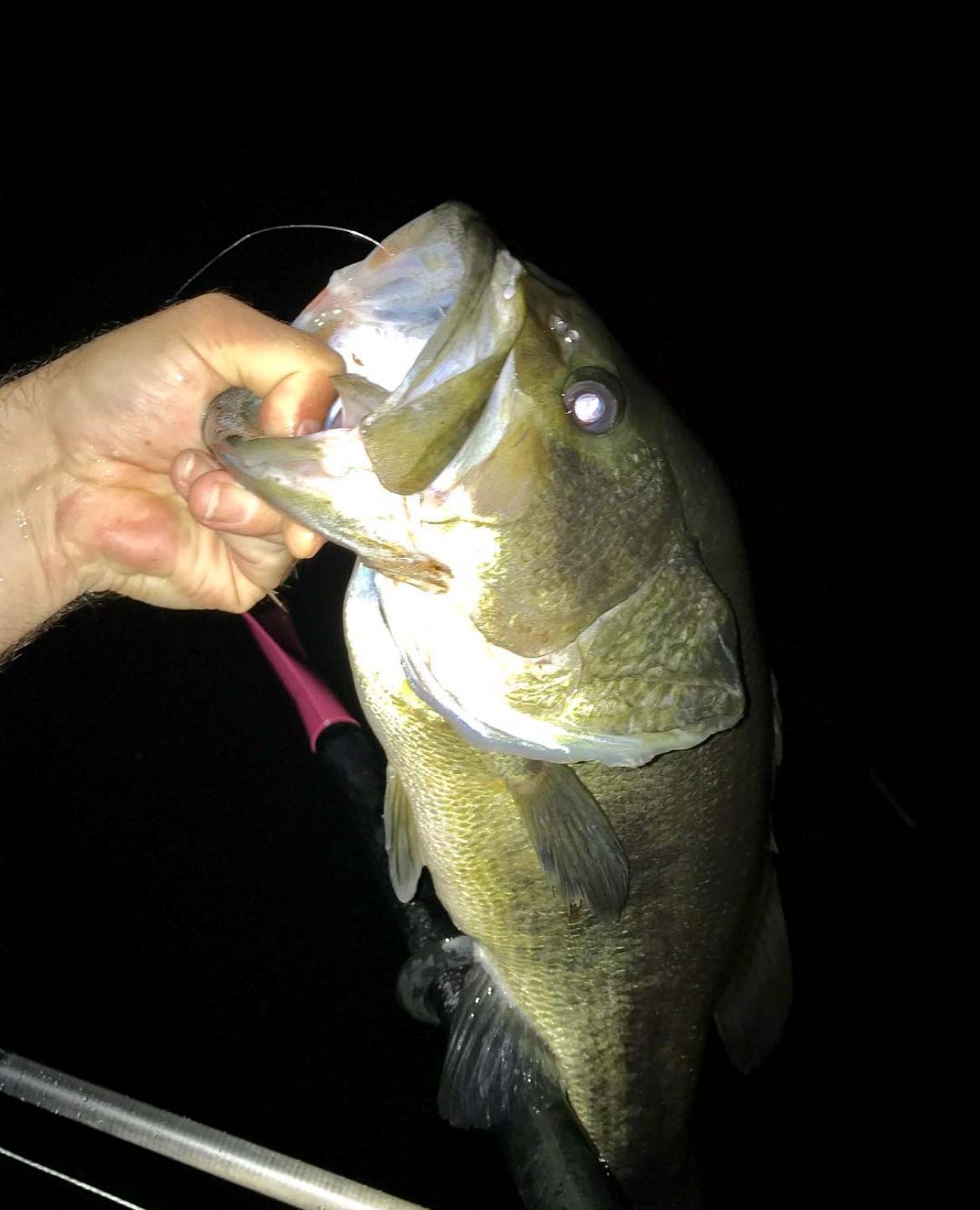
Why Bass Feed More After Dark?
Anglers ask, is bass fishing good at night, and the science says yes. Bass rely on lateral line sensing, hearing, and low-light vision to hunt when the sun drops.
Prey like shad, bluegill, and crawfish move shallow at night. Pressure and boat traffic fall, which lets bass roam and ambush with less stress.
Here is why night bites can shine:
- Cooler water brings bass shallow where they feed with force.
- Low light makes big fish less wary than during bright days.
- Sound and vibration stand out, so loud lures call fish fast.
- Less fishing pressure means bass hold on prime spots longer.
I’ve watched this play out many times. On one July night, a slow day turned into a streak of topwater blowups after 10 p.m. The only change was light and boat traffic. That pattern repeats all summer on many lakes.
Best Times and Conditions for Night Bass
So, is bass fishing good at night during summer heat waves? Yes. Warm months are prime, but timing still matters. Pick windows when bass feel safe and prey is active.
Best time windows:
- Dusk to midnight: Active feeding near points, docks, and grass edges.
- Midnight to dawn: Fewer boats; big fish slide onto flats and riprap.
- Post-storm calm: Stable pressure and light chop improve the bite.
Dial in key conditions:
- Water temperature: 68–82°F is a strong range for active bass.
- Moon phase: Full moons help with visibility; dark moons favor loud baits.
- Wind: A light breeze breaks the surface and hides your presence.
- Water clarity: Stained water is forgiving; in clear water, slow down and go natural.
If your local lake sees heavy day traffic, night fishing often flips the script. That is one reason many anglers answer yes when asked, is bass fishing good at night.

Essential Gear and Tackle Setup
The right setup answers is bass fishing good at night with more strikes and better hook-ups. Keep gear simple, sturdy, and easy to manage in low light.
Rods, reels, and line:
- Rods: Medium-heavy casting rods for jigs, worms, and spinnerbaits; medium rods for topwater.
- Reels: High-quality baitcasters with smooth drags; spinning gear for finesse if needed.
- Line: 40–50 lb braid for frogs and buzzbaits; 15–20 lb fluorocarbon for jigs and worms; 15–20 lb mono for topwater.
Color and terminal tackle:
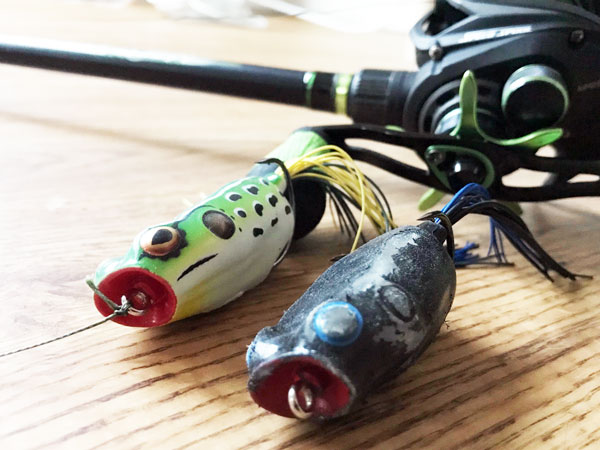
- Dark lures: Black, blue, and Junebug create strong silhouettes at night.
- Hooks: Use sharp, heavy-wire hooks; check points often.
- Add rattles: Clip-on or molded rattles help fish find your bait.
Safety and comfort:
- Headlamp with red light mode to protect night vision.
- Life jacket, boat lights, whistle, and spare batteries.
- Net with rubber mesh, bug spray, and a tidy deck to prevent trips.
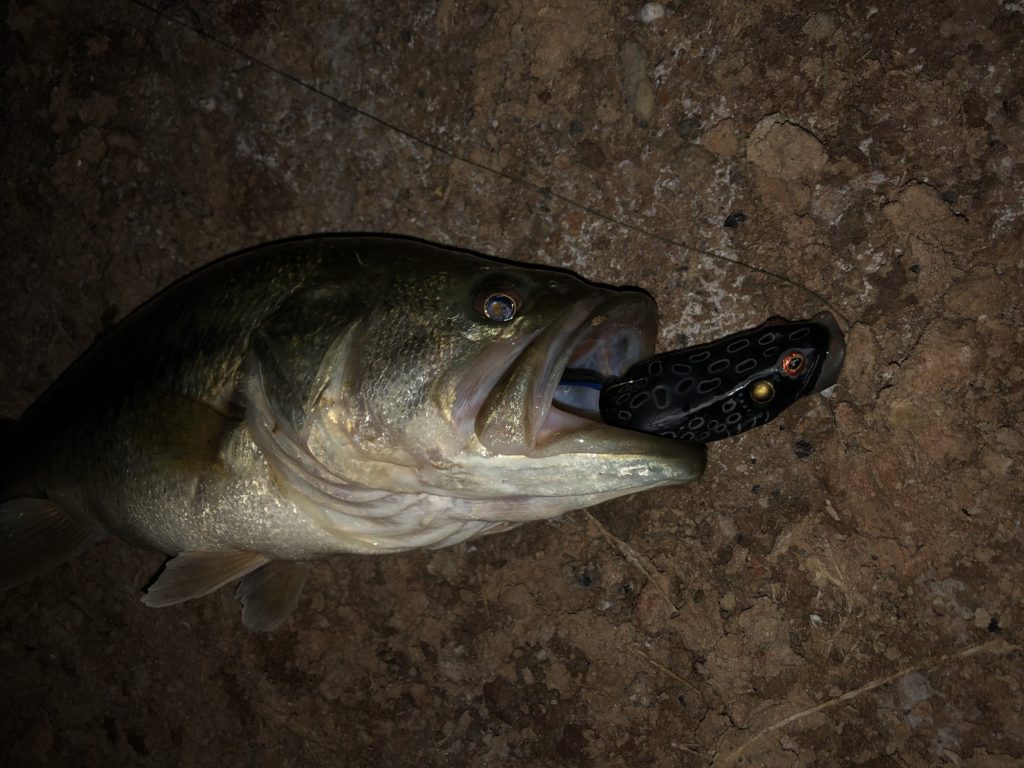
Lures and Presentations That Shine After Dark
One reason many say is bass fishing good at night is the way certain lures come alive in the dark. You do not need a huge tackle box. A few proven baits will cover most situations.
Go-to lures:
- Jigs with trailers: Crawl along rocks, wood, and dock posts. Black and blue is classic.
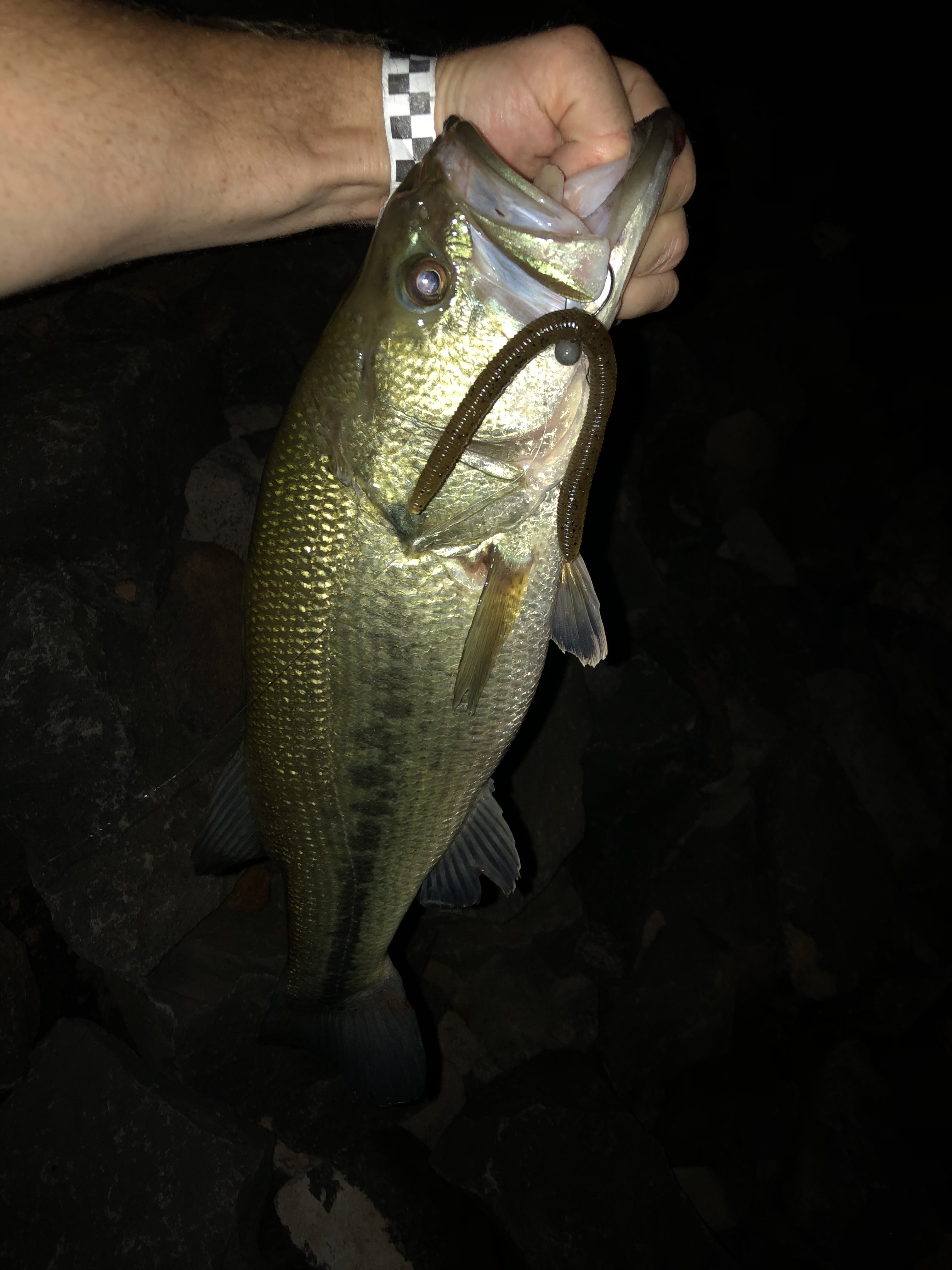
- Big worms: 10-inch ribbon tails or straight tails on Texas rigs. Slow and steady.
- Spinnerbaits with Colorado blades: Thump is king. White, chartreuse, or black.
- Chatterbaits: Great for stained water. Keep retrieves slow and steady.
- Buzzbaits and wakebaits: Make a track on the surface. Let the bait do the work.
- Poppers and walking baits: Short pops near cover can trigger big strikes.
Presentation tips:
- Slow down. Three-quarter speed is often perfect at night.
- Keep contact. Feel the bottom and structure on every cast.
- Use scent. It helps bass commit when visibility drops.
- Cast past the target. Bring the lure through the strike zone, not to it.
Where to Fish: Lakes, Rivers, and Ponds
If you still ask, is bass fishing good at night on small ponds, the answer is often yes. Location is half the game. Focus on routes bass use to feed after dark.
Lakes:
- Wind-blown points, riprap, dam faces, and the first drop off a flat.
- Docks with lights can pull shad and bass into tight zones.
- Grass edges near deep water are high-percentage paths.
Rivers:
- Eddies behind bends, current breaks, and seams near wing dams.
- Hard bottom with rock and wood creates ambush points.
Ponds:
- Inflow and outflow pipes are food highways.
- Shaded banks, culverts, and shallow flats near depth changes.
Map it before you go. Mark three to five high-value spots and rotate through them. Give each one 10–15 minutes before you move.
Safety, Laws, and Ethics at Night
Before you test whether is bass fishing good at night on your home lake, make a safety plan. You must see and be seen. Know the rules and respect private water.
Key safety steps:
- Wear a life jacket at all times in a boat or kayak.
- Run navigation lights and carry a backup headlamp.
- Keep decks clear. Stow extra rods and hooks.
- Go with a buddy or share your plan and return time.
- Check weather and wind. Night storms can build fast.
Be lawful and ethical:
- Follow local night-use rules and speed limits.
- Respect no-wake zones and quiet hours near homes.
- Handle fish fast and wet your hands to protect slime.
- Release big breeders in warm water to reduce stress.
Common Mistakes and How to Avoid Them
Many say no to is bass fishing good at night after one bad trip, but most issues are fixable. Avoid these common errors.
- Moving too fast. Slow your retrieve and give fish time to home in.
- Using tiny baits. Bigger profiles help bass find and eat at night.
- Ignoring sound. Choose baits with thump or add rattles in stained water.
- Fishing open water only. Target edges, shade lines, and hard cover.
- Bright headlamps on the water. Use red light and keep beams off the surface.
- Poor hook care. Sharpen hooks and check knots often.
Seasonal Night Patterns
Whether spring or fall, is bass fishing good at night depends on temperature swings and prey. Match the season to boost your odds.
Spring:
- Warm evenings push fish shallow. Jigs and slow-rolled spinnerbaits excel.
- Focus on staging points and protected pockets near spawning areas.
Summer:
- Peak season for night fishing. Topwater, big worms, and jigs rule.
- Fish shallower than daytime. Target docks and riprap after sunset.
Fall:
- Shad and baitfish roam. Cover water with chatterbaits and wakebaits.
- Points and creek mouths shine as bass chase groups of bait.
Winter:
- In mild climates, slow it down with jigs and small plastics.
- In cold water, nights can be tough. Fish the warmest part of the day.
A Simple Night Trip Plan
Use this plan to prove is bass fishing good at night on your water. Keep it simple and repeatable.
Before you go:
- Check weather, wind, and rules. Charge lights and electronics.
- Pre-rig three to four rods with proven night baits.
- Mark starting spots on a map or GPS.
On the water:
- Start at a high-percent area near a point or dock line.
- Make five to ten smart casts per angle, then switch baits or move.
- Keep noise low. Let your lures do the calling.
Hook-up and landing:
- Sweep set with jigs and worms; keep steady pressure.
- With topwater, wait to feel weight before you set the hook.
- Use a net when possible to avoid last-second jumps.
After the trip:
- Log moon phase, temps, baits, and spots. Patterns repeat.
- Sharpen hooks and re-spool line if worn.
Frequently Asked Questions of is bass fishing good at night
Is bass fishing good at night in clear water?
Yes, but slow down and use natural profiles. Dark moons and subtle presentations help a lot in clear lakes.
Is bass fishing good at night with a full moon?
It can be great. Fish may roam more, and you can fish faster baits thanks to better visibility.
Do I need special colors at night?
Dark colors like black, blue, and Junebug make strong silhouettes. In very clear water, green pumpkin can still work.
What is the best night lure for beginners?
A black buzzbait or a black-and-blue jig is hard to beat. Both are easy to fish and call in bigger bites.
Is bank fishing at night effective?
Yes, focus on points, riprap, bridges, and culverts. Keep safety first and use a red-light headlamp.
How quiet should I be?
Very quiet. Avoid banging the boat, keep talking low, and minimize light on the water.
Conclusion
If you have asked yourself, is bass fishing good at night, the answer is a strong yes when you plan well. Bass feed shallow, pressure drops, and a few proven lures can unlock your best fish of the season.
Start with simple gear, safe habits, and three high-value spots, and let the night work in your favor. Get on the water this week and test one pattern from this guide. Log what happens, refine, and return. Want more night tactics and gear picks? Subscribe for updates, share your results, or drop a question in the comments.