

A good hunting jacket helps you stay comfortable and focused through long sits, quiet walks, and changing weather. Regular outdoor coats may offer warmth, but they can feel bulky, rustle as you move, or lack the camouflage and practical storage bowhunting calls for.
For those trade-offs, a bowhunting jacket offers a more considered layer. Quiet fabrics help limit noise as you draw, while camouflage helps you blend into your surroundings. Weather-resistant materials and adjustable layers also help you stay comfortable as temperatures shift.
Many jackets add roomy pockets for calls and small essentials, plus hoods and cuffs that help shield you from wind. Breathable panels can reduce clamminess on the walk in, so you can settle in without carrying a separate coat for every condition.
Fit, insulation, fabric noise, and weather protection vary across jackets, so consider your season and typical conditions. Explore the best hunting jackets for bowhunting below to find one that suits your time in the field.
8 Best Hunting Jackets for Bowhunting Reviews

1.Gator Waders CMJM Hunting Jackets Windproof
PrimaLoft insulation keeps you warm without bulk, even when damp
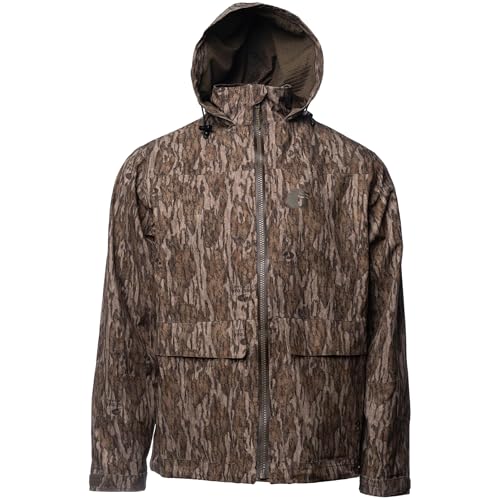
2.Gator Waders SJM Hunting Jackets 3-Layer
A 3-layer shell blocks wind and rain to help keep you protected

3.Drake Waterfowl Hunting Jackets Sherpa Fleece
Agion Active X2 helps reduce your scent signature out in the field

4.ReFire Gear Soft Shell Hunting Jacket
Waterproof soft shell and fleece lining help keep you warm and dry

5.ScentLok BE:1 Voyage Fleece Hunting Jacket
Carbon Alloy technology absorbs body odors to help reduce field scent

6.CQR HOK817 Tactical Softshell Hunting Jacket
Soft inner fleece lining adds warmth and comfort for cold-weather use
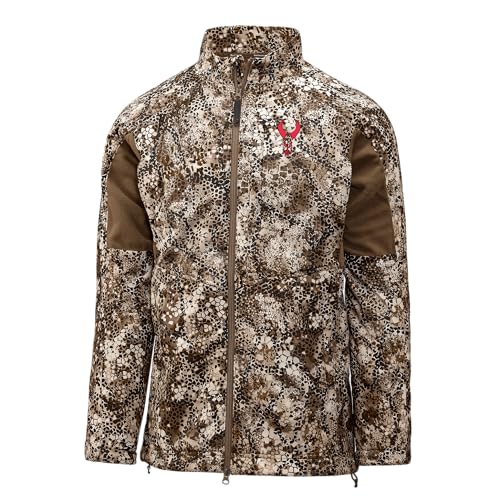
7.Badlands Hunting Jackets with PrimaLoft Gold
40-gram PrimaLoft Gold adds warmth without restricting your movement

8.NAVEKULL Soft Shell Hooded Hunting Jacket
Water-resistant shell resists light rain as fleece locks in body heat
1. Gator Waders CMJM Hunting Jackets Windproof
Gator Waders Cumulus Puffer keeps hunters warm with PrimaLoft insulation, making it a useful choice for bowhunting in cold weather. The insulation retains warmth when damp, so it can help during long stretches in a blind or stand.
Its wind-blocking shell shields against gusts, and the jacket can work on its own or as a layer beneath other gear. That flexibility lets bowhunters adjust their clothing for changing conditions without relying on a bulky coat.
The low-bulk quilting supports movement in the field, which matters when you need room to draw a bow. Its Dirt camouflage suits hunting, and the zip-up front makes it easy to put on or take off between outings.
Storage includes YKK zippered hand pockets and a chest pocket. Those compartments give you places to keep small essentials close and protected while you move through the field.
The contoured hood is shaped to preserve visibility, while an adjustable waist cinch helps hold warmth around the body. These details make it easier to manage coverage without letting the hood or waist fit interfere with your movements.
This X-Large jacket is listed in Dirt. The provided details describe wind protection and warmth, but do not specify a waterproof rating, so buyers needing rain protection should check that point. It suits bowhunters who want insulated camouflage clothing for cold, windy hunts.
- PrimaLoft insulation retains warmth when damp
- Wind-blocking shell works alone or as a layer
- Low-bulk quilting supports movement for bowhunting
- Three zippered pockets secure small essentials
- No major cons
2. Gator Waders SJM Hunting Jackets 3-Layer
For bowhunting in wet, windy conditions, this Mossy Oak Bottomland jacket combines waterproof protection with flexible movement. Its three-layer shell blocks wind, and Gator Waders describes it as waterproof for rain and damp hunting locations.
Four-way stretch fabric gives you room to draw a bow, shift position, or move through hunting terrain. The jacket also works as a light outer layer over hunting camo or beneath warmer clothes, so you can adjust your clothing to the conditions.
YKK waterproof zippers help keep moisture out at the closures. Adjustable wrist cuffs let you tailor the fit around your sleeves, while the contoured hood adds coverage when rain or wind picks up.
Shell loops keep ammunition close at hand during a hunt. Fleece-lined handwarmer pockets give your hands a warmer place to rest in cold, wet weather, and the zip-up design makes the jacket easy to put on or take off.
For changing weather, the jacket is built to cover both windy and rainy conditions, including late-season hunts. Its Mossy Oak Bottomland camouflage suits hunters who want a pattern for concealment, and this X-Large version is aimed at men.
Bowhunters who need a waterproof, windproof shell with flexible fabric, useful storage, and handwarming pockets may find it a practical choice. The listing gives no weight or additional sizing details beyond X-Large, so buyers should check fit before ordering.
- Three-layer shell blocks wind and rain
- Four-way stretch supports bowhunting movement
- Waterproof YKK zippers help keep moisture out
- Fleece-lined pockets warm hands in cold weather
- No weight details to assess carrying comfort
3. Drake Waterfowl Hunting Jackets Sherpa Fleece
11 ounces of bonded polyester interlock give the Drake Nova Silencer a midweight build for bowhunting in cool to mild conditions. High-pile sherpa fleece adds insulation, while the fabric keeps movement quiet for close-range hunting.
Agion Active X2 technology helps reduce the jacket’s scent trace in the field. That can matter when you hunt whitetail, elk or turkey at close range, where bowhunters need to keep their presence low.
A DWR-treated outer layer resists water from light rain and damp brush. The jacket can suit changing conditions across multiple seasons, though the listed protection is water resistance rather than a claim of waterproofing.
Storage includes a Magnattach chest pocket plus zippered YKK chest and waist pockets. A safety harness pass-through supports treestand or saddle hunting, while the pockets keep small gear close at hand during scouting or time in a blind.
Low-profile stretch cuffs allow flexible movement without adding bulky wrist details. A YKK front zipper closes the jacket, and its X-Large Country Roots version is aimed at hunters who want a quiet layer for early starts or as part of a colder-weather layering system.
For bowhunters choosing a jacket around quiet fabric, scent control and field-ready storage, this midweight option brings those features together. It suits hunters pursuing big game or turkey in cool to mild weather, especially those who want a layer that can also fit under outerwear.
- Quiet sherpa fleece suits close-range bowhunting
- Agion Active X2 helps reduce scent trace
- DWR finish resists light rain and damp brush
- Harness pass-through supports treestand hunting
- No major cons
4. ReFire Gear Soft Shell Hunting Jacket
Bowhunters who want a warm shell for changing outdoor conditions get a fleece-lined jacket with camouflage options. This ReFire Gear jacket uses DINTEX soft-shell fabric with a polar fleece lining, making it suited to hunting in autumn, winter and spring.
The maker describes the shell as waterproof and windproof, including protection in sustained winds up to 45 miles per hour. That combination can help keep you dry in rain or snow and block cold air while you wait outdoors.
For bowhunting, underarm vent zippers give you a way to let out heat during active movement. The hood rolls up, while drawstrings at the hood and waist and adjustable hook-and-loop wrist cuffs let you change the fit.
Several pockets hold small items, and large patches on both sleeves give you places to attach morale patches. A two-way zipper opens from either end, which can help adjust the jacket around your waist or when seated.
The Reeds Camo version comes in size Large. The jacket is also described as suitable for hiking, camping, fishing and other outdoor activities, so it can serve beyond hunting. It suits bowhunters seeking a fleece-lined camouflage shell with vents and adjustable coverage.
- Waterproof, windproof shell helps in harsh weather
- Warm fleece lining suits cold-weather hunts
- Reeds camouflage helps conceal you in the field
- Underarm vents help release excess heat
- Plenty of pockets keep hunting essentials close
- No major cons
5. ScentLok BE:1 Voyage Fleece Hunting Jacket
For bowhunters in the woods, the ScentLok BE:1 Voyage jacket combines quiet fleece with odor control for mid-season hunts. Its Carbon Alloy system uses treated and activated carbon with zeolite to absorb body odors until you reactivate the gear in a dryer.
The jacket’s premium fleece adds warmth while staying quiet as you move or draw a bow. Precip-X treatment repels water, mud, blood and other liquids, while the fabric moves moisture away from your body and dries quickly to help keep sweat from soaking in.
Four pockets give you places to carry essential gear. Articulated elbows support a broader range of motion, and tapered sleeves with spandex cuffs and zippers reduce bulk around your arms during a draw.
A concealed opening lets you pass a safety harness through the jacket while keeping the scent-control system around the harness. That detail matters to bowhunters who want to wear a harness without leaving the jacket’s odor-control approach behind.
This version comes in Mossy Oak Terra Gila camouflage and a men’s Medium size. The product information lists the weight as 0.000625 pounds, but that figure appears unusually small for a jacket, so it may not help you judge how it feels to wear.
Its focus on quiet movement, odor absorption and moisture management suits bowhunters looking for a mid-season fleece layer with room for essential gear and freedom to draw.
- Carbon Alloy and zeolite absorb body odors
- Quiet fleece supports stealthy bow movement
- Water-resistant finish repels mud and liquids
- Articulated elbows allow a broader range of motion
- Odor-control gear needs dryer reactivation
6. CQR HOK817 Tactical Softshell Hunting Jacket
Fleece lining gives this CQR hunting jacket added warmth for bowhunters who spend time outdoors in cold weather. Its polyester softshell supports active movement, making it suitable for hiking, tactical training and outdoor work as well as hunting.
The operator hunting camo pattern suits hunters who want a camouflage outer layer. The jacket has a water-resistant design, though the product details give no rating for how much rain it can handle.
For moving through brush or climbing, the softshell construction is designed to allow flexibility. Its fleece interior adds a warmer layer for cold-weather activity, while the jacket’s structured cut aims to support comfort during extended wear.
Hook-and-loop tabs at the cuffs let you adjust the fit around your wrists. A closer cuff fit can help retain warmth and keep the sleeves in place as you move or handle bowhunting gear.
Several zippered pockets provide secure places for personal items and essential gear. The listing gives no pocket count, so buyers should not assume a specific layout or storage capacity.
This X-Large jacket is intended for tactical training, hiking, climbing, motorcycling, fishing and outdoor work, as well as hunting. It suits bowhunters seeking a fleece-lined camo layer for cold outings, with adjustable cuffs and zippered storage.
- Fleece lining adds warmth for cold outings
- Adjustable cuffs help retain warmth while moving
- Zippered pockets secure personal items and gear
- Camo pattern suits outdoor hunting use
- No major cons
7. Badlands Hunting Jackets with PrimaLoft Gold
Badlands makes the Rise Pro Jacket for bowhunters who need warmth and quiet fabric during elevated hunts. Its 40-gram PrimaLoft Gold insulation adds warmth without much bulk, leaving room to move while sitting in a treestand or handling a bow.
Wind Weave fleece resists wind, and Badlands says it blocks nearly six times more wind than traditional fleece. The quiet fabric also helps limit clothing noise during stalking and other movements where sound matters.
The elongated cut adds coverage while you sit, and a treestand-harness port gives a tether a way through the jacket. Stretch-fleece underarms allow more movement for climbing or drawing a bow, while also providing ventilation.
Storage suits field essentials: upper chest handwarmer pockets help warm your hands, and several hand pockets organize other gear. A zippered chest pocket has an internal tether to secure a rangefinder, keeping that tool attached while you move.
This X-Large jacket comes in Approach FX. The supplied details do not list a weight or other colors, so buyers who need those specifications may want to check before choosing a size or color.
For bowhunters who spend time in a treestand or stalk through windy conditions, this jacket combines insulation, quieter fleece and features for harness use. Its pockets and stretch underarms also suit hunters who need access to small gear and room to move.
- 40-gram PrimaLoft Gold adds low-bulk warmth
- Wind-resistant fleece helps block gusts quietly
- Harness port and long fit suit treestands
- Tethered chest pocket secures a rangefinder
- No major cons
8. NAVEKULL Soft Shell Hooded Hunting Jacket
With a water-resistant shell and quiet camouflage, the NAVEKULL jacket suits bowhunters who move through brush and woodland. Its fleece lining helps hold warmth, while the dense fabric blocks cold wind during outdoor hunts.
The outer shell combines 94% polyester with 6% Spandex, and the lining is 100% polyester. The shell can handle light rain or snow, so it offers some coverage in damp conditions, though the listing does not describe it as waterproof.
Reed Camo helps the jacket blend into hunting surroundings such as mountains, swamps, shrubs and woodlands. The hood rolls up to take up less space, and a two-way zipper gives you another way to adjust the front opening.
Underarm vent zippers let you open the jacket for airflow during active stretches. Adjustable hook-and-loop wrist cuffs help secure the sleeves, while two hook-and-loop panels on the arms provide places for patches.
The listing mentions plenty of pockets for hunting gear, but gives no pocket count. This Large jacket also suits fishing, hiking, climbing and camping, making it useful beyond bowhunting. It fits hunters seeking a warm, camouflaged layer for active outings.
- Quiet soft-shell fabric suits stealthy bowhunting
- Windproof fleece lining helps retain body heat
- Water-resistant shell handles light rain or snow
- Underarm vents help release excess body heat
- Two-way zipper and adjustable cuffs aid movement
- No major cons
How to Choose the Best Hunting Jackets for Bowhunting
The right bowhunting jacket helps you stay warm and dry without adding noise or limiting your draw. Your choice depends on weather, activity level, layering needs, harness access, fit, and how quietly the fabric moves around brush and equipment.
| If You Need | Look For | Expect |
|---|---|---|
| Quiet movement | Soft, low-rustle fabric | Less abrasion resistance |
| Cold stand hunts | Fleece or synthetic insulation | More warmth, added bulk |
| Wet, exposed hunts | Waterproof seams and shell | Less breathability |
| Active stalks | Stretch fabric and vents | Less insulation |
| Harness-ready wear | Pass-through or tether port | Fewer jacket styles fit |
| Odor management | Carbon-based odor treatment | Treatment needs care |
| Lower-cost coverage | Basic softshell and fleece | Fewer specialized features |
Quiet Fabric
Bowhunting often puts you close to game, so fabric noise deserves early attention. Soft fleece and quiet-faced materials tend to swish less than stiff rain shells, helping reduce sound when you raise your arms or brush past branches.
Fabric construction and fit both affect noise. A jacket that pulls tight across the shoulders or sleeves may rasp during a draw, so look for flexible panels and enough room to move without excess fabric flapping.
Consider where you hunt. Quiet fleece suits dry, cold conditions and slow movement, while a shell may be necessary in rain despite more noise; choose based on the weather you face most often.
Bowhunting Mobility
A jacket should let you draw, anchor, and follow through without binding. Articulated elbows, four-way stretch, and stretch panels under the arms support those movements, especially when you shoot from a seated or awkward position.
Try the full draw motion while wearing the layers you expect in the field. Sleeves should not ride up, the hem should not catch on your bowstring, and the shoulders should remain comfortable at full extension.
A closer fit reduces loose fabric that could interfere with equipment, but it leaves less room for insulation. For cold hunts, prioritize movement over a trim look and size for your planned layers.
Weather Protection
Water-resistant treatments shed light rain and wet brush, but they are not the same as a waterproof shell. For steady rain or prolonged exposure, look for a waterproof membrane, sealed seams, and protected zippers.
Wind-blocking construction helps during long sits by limiting cold air passing through the jacket. A windproof shell usually protects better than ordinary fleece, though its fabric may feel less breathable during uphill walks.
Match protection to your conditions. A quiet water-resistant jacket suits dry climates and brief showers, while wet, windy locations call for stronger weather barriers; those shells often cost more and trap more body heat.
Warmth And Layering
Insulation level should match how much you move and how long you sit. Fleece or synthetic fill adds warmth for cold stands, while a lighter shell leaves room to add base and mid layers as temperatures change.
For active stalking, too much insulation leads to sweat, which can make you colder after stopping. A lighter jacket with ventilation or removable layers suits changing effort better than one heavily insulated coat.
Check the jacket’s cut over your usual hunting clothes. A snug fit compresses insulation and restricts movement, while an oversized fit can create noisy folds; aim for comfortable layering without bunching at the elbows or waist.
Harness Access
If you hunt from an elevated stand, plan how the jacket works with your safety harness. A dedicated pass-through or tether port lets the connection route through the garment rather than being trapped beneath it.
Confirm the opening’s position and size against your harness instructions. A port that sits too high, too low, or behind a pocket may complicate setup, so the design needs to work with your exact gear.
Harness compatibility does not replace safe use. Follow the harness maker’s directions, keep the tether attached as required, and avoid relying on a jacket opening as a safety feature by itself.
Breathability And Venting
Breathable fabric helps sweat vapor escape during hikes and climbs, reducing damp layers that chill you later. Underarm zip vents provide direct airflow when effort rises, though opening them exposes the area to weather and insects.
For mostly stationary hunts, ventilation may be less important than warmth and wind protection. For long approaches or steep terrain, prioritize vent zippers and lighter construction to manage heat without removing the jacket.
No jacket stays comfortable if you overdress for the climb. Start with fewer layers during strenuous movement, then add warmth at the stand; this simple routine helps limit sweat buildup.
Fit And Coverage
Fit affects warmth, quietness, and shooting freedom at once. Check shoulder room, sleeve length, cuff adjustment, and waist coverage, then sit, kneel, and raise your arms to see whether the jacket shifts or exposes skin.
Longer coverage helps when seated for hours, while adjustable hems and cuffs help seal drafts. A hood can add protection, but it should not block peripheral vision or interfere with a hat or hearing.
Sizing varies across cuts, so use garment measurements rather than assuming your usual size. If you plan to wear a bulky midlayer, compare chest and sleeve measurements with that layer on.
Pockets And Access
Pocket placement matters when you need a rangefinder, calls, or small essentials without digging through layers. Zippered pockets secure items during movement, while handwarmer pockets are useful on cold sits but may be harder to reach with a pack belt.
Look for pockets that remain accessible with a harness or backpack on. A chest pocket can keep compact gear close, while shell loops suit specific setups; extra pockets add storage but can also add bulk.
Keep bow gear clear of the string path. Test pocket access while wearing your pack and raising your bow, since a convenient pocket in ordinary use may obstruct equipment during a shot.
Odor Control
Some jackets use carbon-based treatments intended to reduce human scent, but odor control works alongside—not instead of—clean handling and wind awareness. Check care instructions because washing methods and detergents can affect treated fabrics.
These features suit hunters who prioritize scent management during close-range hunts. They add a consideration to cleaning and storage, and they do not remove the need to hunt with favorable wind and avoid contaminating clothing.
Price And Value
Lower-priced jackets often cover basic needs with fleece lining, a softshell exterior, and simple pocket storage. They suit mild conditions or occasional use, but may lack waterproof construction, specialized harness access, or refined ventilation.
Higher prices commonly bring stronger weather barriers, quieter fabrics, stretch panels, or dedicated bowhunting details. Paying more makes sense when those features address your regular conditions; it does not guarantee a better fit or quieter movement.
Compare the cost with the jacket’s role in your kit. A dedicated cold-weather stand layer justifies more spending for frequent use, while a general-purpose jacket may offer better value for mixed outdoor tasks.
Durability And Care
Zippers, cuffs, seams, and pocket edges face repeated strain from packs, branches, and frequent use. Look for reinforced construction where available, smooth zipper action, and adjustments that stay secure without snagging on other gear.
Waterproof and odor-control treatments may need specific washing or reproofing, so read the care label before buying. Simple care helps preserve fabric function, while neglect or harsh detergents can shorten the useful life of specialized finishes.
Camouflage And Visibility
Choose camouflage suited to the vegetation, season, and hunting area rather than selecting a pattern by appearance alone. Woodland patterns blend into leafy cover, while marsh or reed patterns suit different backgrounds; no pattern conceals movement.
A contoured hood and an unobstructed view help you track surroundings while keeping covered. If a hood shifts when you turn your head or blocks side vision, its weather protection may not justify wearing it during a shot.
Frequently Asked Questions
Which jackets use insulation to provide warmth without adding much bulk?
The Gator Waders CMJM uses PrimaLoft insulation that stays warm even when damp, while the Badlands jacket uses 40-gram PrimaLoft Gold for warmth without restricting movement.
Which options are designed to block wind or rain?
The Gator Waders SJM has a 3-layer shell that blocks wind and rain. The ReFire Gear offers a waterproof soft shell, while the NAVEKULL’s water-resistant shell is suited to light rain.
Which jackets help reduce scent in the field?
The Drake Waterfowl Sherpa Fleece uses Agion Active X2 to help reduce your scent signature, and the ScentLok BE:1 Voyage Fleece uses Carbon Alloy technology to absorb body odors.
Should I choose the Gator Waders CMJM or the Badlands jacket?
Choose the CMJM if insulation that stays warm when damp is a priority; choose the Badlands if you want PrimaLoft Gold warmth while maintaining freedom of movement.
What should I look for in a jacket for cold-weather bowhunting?
Consider the insulation and lining: the CQR HOK817 has an inner fleece lining for warmth and comfort, while the ReFire Gear combines a fleece lining with a waterproof soft shell.
Which jackets are better suited to light rain rather than heavier rain?
The NAVEKULL is described as water-resistant and intended to resist light rain. For a shell that blocks wind and rain, consider the Gator Waders SJM’s 3-layer construction.
Do these jackets come with accessories or extra items?
The product details provided describe jacket materials and features but do not specify included accessories, so check the listing for what comes in the box.
So, What Should You Buy?
For most bowhunters, the Gator Waders CMJM is a strong all-around pick: its PrimaLoft insulation provides warmth without bulk, even when damp. Choose the CQR HOK817 for a budget-friendly option with a warm fleece lining, or the Gator Waders SJM if blocking wind and rain is your priority.
For scent control, consider the Drake Waterfowl Sherpa Fleece or ScentLok BE:1 Voyage; the Badlands adds warmth without restricting movement, while the NAVEKULL resists light rain. Choose the jacket that best matches your conditions and priorities.