

Use small jigs low and slow near structure, and keep moving until you mark schools.
If you want to master how to catch crappie in the wintertime, you need to read patterns, not just spots. I have spent many frozen dawns and cold boat rides testing gear, drilling grids, and learning from biologists.
This guide gives clear steps, proven rigs, and smart use of electronics. You will learn how to catch crappie in the wintertime with confidence, even on tough bluebird days.
Understanding Winter Crappie Behavior
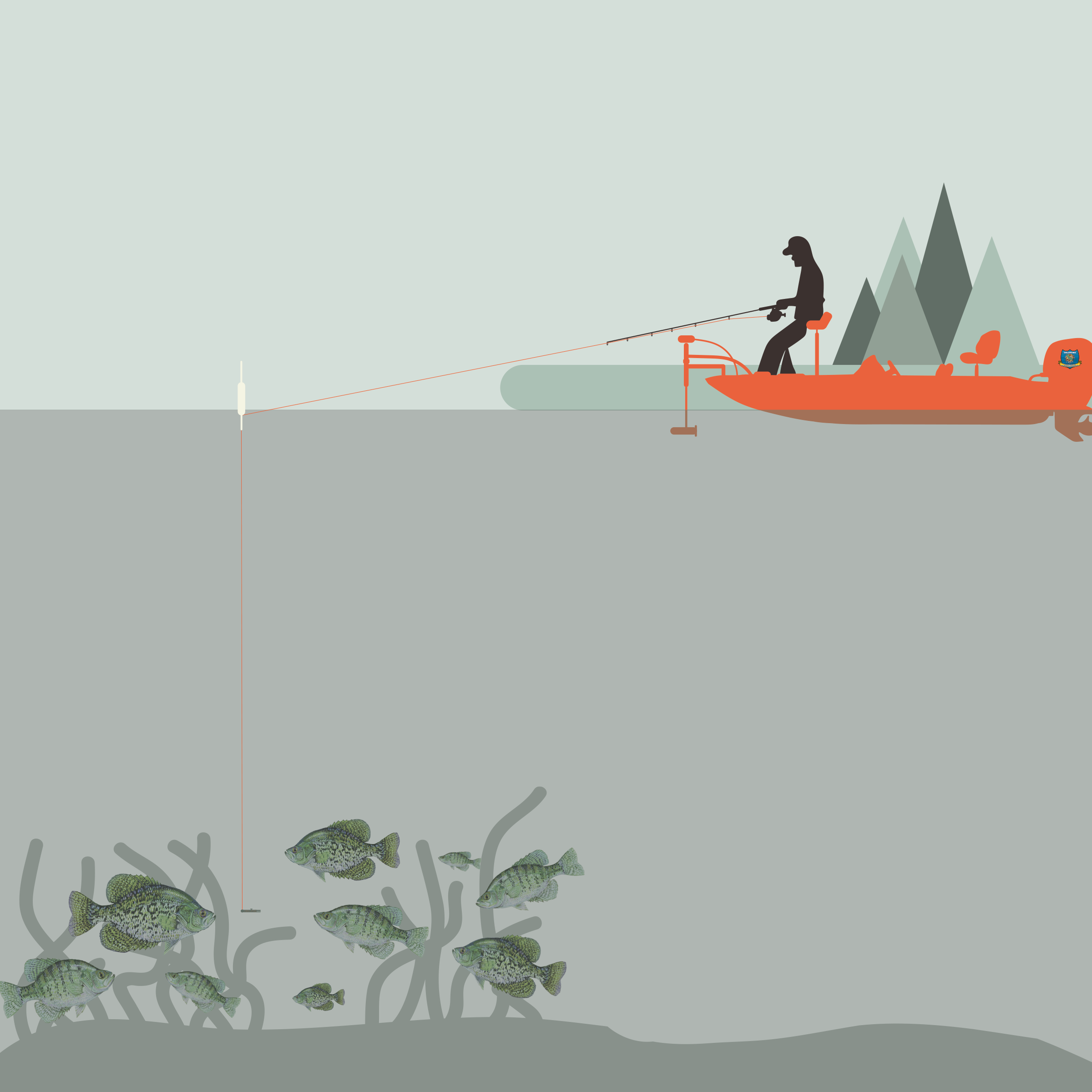
Cold water slows crappie, but it does not stop them. They still feed each day. They group in tight schools and often suspend off bottom. Many hold near the last green weeds, channel turns, brush piles, or basin edges.
In natural lakes, expect fish over 15 to 35 feet, often 3 to 10 feet off bottom. In reservoirs, look along creek channels, old roadbeds, standing timber, and deep docks. State fisheries crews often note that winter crappie track plankton and small minnows. That is why you may see them roam the basin and then stack on a piece of cover.
Light matters. Crappie have big eyes and like low light. Dawn, dusk, and cloudy days push fish shallower or higher in the water column. Stable weather often improves the bite. Learn this cycle and you will know how to catch crappie in the wintertime more often.
Essential Gear and Tackle
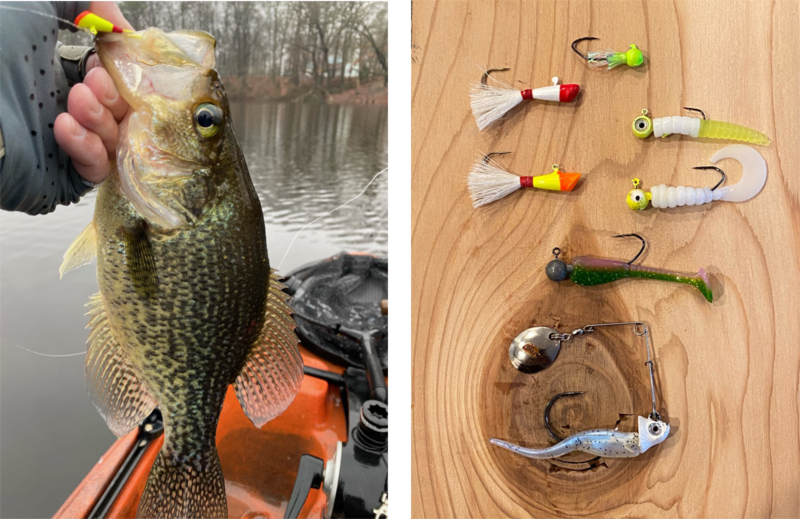
You do not need a lot. You need the right size and feel. Cold water calls for small, subtle, and sensitive.
Recommended rods
- Ice: 28 to 36 inch light or ultralight with a soft tip and solid backbone.
- Open water: 6 to 7 foot light power, fast tip for tiny jigs and floats.
Reels and line
- 500 to 1000 size spinning reel with smooth drag.
- 2 to 4 pound mono or fluoro in clear water.
- 5 to 8 pound braid with 3 to 5 foot fluoro leader for feel and hook sets.
Jigs and hooks
- Tungsten jigs in 3 to 5 mm for fast drop and tiny profile.
- Lead hair jigs 1/64 to 1/16 ounce for a slow fall.
- Tight wire size 6 to 8 hooks for minnows.
Plastics and bait
- 1 to 1.5 inch plastics, micro tubes, and paddle tails.
- Live bait: small minnows, waxworms, or spikes as a trailer.
Floats and terminal
- Slim slip float for open water to hold a set depth.
- Tiny snap or no snap to keep action clean.
I keep two setups tied. One is a 4 mm tungsten with a 1 inch plastic. The other is a size 6 hook with a single minnow. These two rigs cover most days for how to catch crappie in the wintertime.

Finding Winter Crappie: Spots, Structure, and Depth
Finding fish is half the game. Start with a map. Mark basin flats, inside turns, and the first deep water near coves or points. Mark man-made cover like brush piles, bridge pilings, and marina docks.
Where to check first
- Basin edges in 18 to 35 feet.
- Creek channel bends and intersections.
- Standing timber tops at the depth of active bait.
- Last green weeds, especially cabbage or milfoil lines.
- Lighted docks after dark.
Under ice, drill a short grid. Start with five to ten holes. Check each hole fast with sonar. Drop to the level of the highest fish you see. If there is no life in ten minutes, move. Cover water. This is the core of how to catch crappie in the wintertime.
In open water, idle with side imaging at 3 to 5 mph. Look for bait balls and stacks of arcs. Mark them, then slip back with the wind and fish.
Winter Techniques That Produce
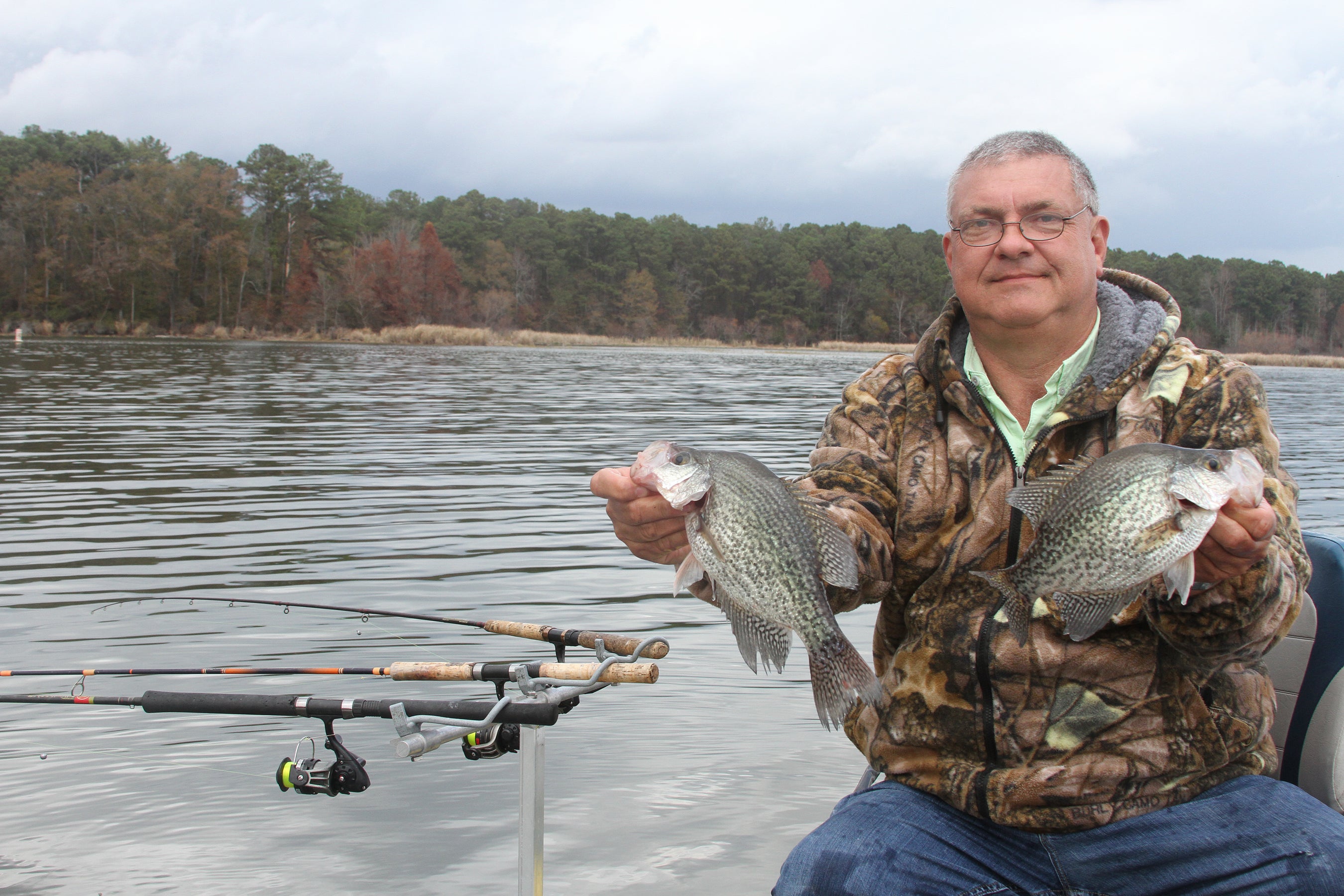
Winter bites are light. Work small and slow, but add life with tiny moves.
Core methods
- Hover jigging. Drop to the level of the fish. Hold it still. Add a soft quiver with your finger. Crappie often eat when the jig pauses.
- Lift and fall. Raise 6 to 12 inches, then let it fall on a tight line. Watch for line ticks.
- Deadstick. Set a minnow 2 feet above the school on a float or rod holder. Touch the rod tip now and then.
- Spoon and dropper. Use a 1/16 ounce spoon to call fish, with a small dropper jig 6 inches below.
- Vertical drop-shot. Tie a small hook 12 to 18 inches above a 1/8 ounce weight. Hold at fish level.
Cadence tips
- Count to five between moves.
- If they rise to look and fade, go smaller or hold longer.
- If they rush and miss, speed up or lengthen the profile.
I once found a school at 28 feet on a main basin. A pink 4 mm tungsten with a white plastic got 30 fish in an hour. The key was a two-count pause. That pause is a big part of how to catch crappie in the wintertime.
Using Electronics and Visual Cues
Electronics turn guesswork into a plan. A simple flasher or 2D sonar is enough. Live sonar adds more power, but it is not required.
Set up for success
- Sensitivity high enough to see your jig and bait.
- Use zoom to lock on the bottom 10 to 15 feet.
- Watch for layers of small marks above bottom. That is often plankton and crappie.
Reading what you see
- Big bright arcs near bait are active fish.
- Thin lines that rise to your jig are curious fish.
- If fish stay under your jig, lower it to their nose.
In open water, side imaging finds brush piles and schools. At night, watch for minnows near dock lights. Where bait stacks, crappie are close by. Using electronics well is central to how to catch crappie in the wintertime.
Baits, Colors, and Profiles That Work in Winter
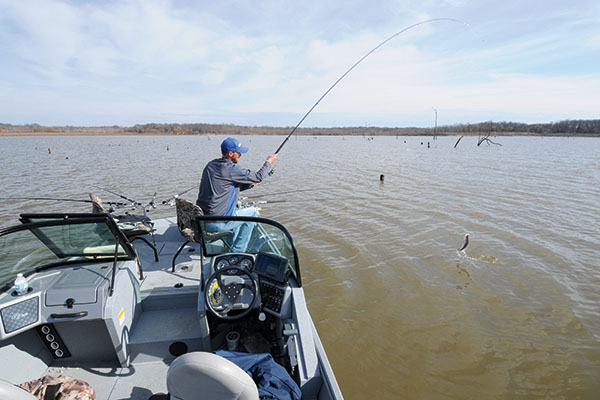
Winter forage is small. Think snack size. Less is more.
Go-to picks
- 1 inch plastics in white, glow, chartreuse, pink, and natural shad.
- Tiny marabou or craft hair jigs for a subtle pulse.
- Small minnows hooked through the nose or back.
Color rules
- Clear water: natural or translucent with metal flake.
- Stain: glow white, chartreuse, or pink.
- Dark or night: glow and add scent.
Rigging notes
- Keep tails straight to avoid spin.
- Use a loop knot for better action.
- Tip plastics with a single spike or waxworm on tough days.
Rotate size before color. If I miss short strikes, I cut a plastic to 3/4 inch. Downsizing can flip a slow day and is a bedrock part of how to catch crappie in the wintertime.
Weather, Light, and Timing
You can plan your trip around windows. Crappie feed best when light and pressure help them.
Simple rules
- Stable weather beats sharp fronts.
- Morning and evening are strong. Midday can shine in deep basins.
- Cloud cover helps in clear lakes. Sun helps in muddy water.
- After dark, check docks and bridges with lights.
Wind can be your friend. A light chop breaks light and masks sound. Dress warm and stay mobile. Picking the right window is a big lever for how to catch crappie in the wintertime.

Safety, Ethics, and Comfort
Cold water is not forgiving. Safety first, always.
Ice safety
- Check with local bait shops and wardens.
- Bring picks, rope, and a float suit or life jacket.
- General guides: 4 inches for walking, 5 to 7 for machines, more for vehicles. Local ice varies. Test as you go.
Open water safety
- Wear a life jacket and carry a throw rope.
- Keep dry clothes and a hot drink in a dry bag.
Fish care and harvest
- Keep fish fresh on ice or in a livewell.
- Follow local limits and consider selective harvest.
- Let big slabs go to help the fishery.
Warm hands and dry feet let you fish slow and think clear. Comfort helps you make better moves, which is key for how to catch crappie in the wintertime.
Step-by-Step Plan: How to Catch Crappie in the Wintertime on Your Next Trip
- Check reports and maps. Mark three likely areas near basin edges or channels.
- Pack two main rigs. A tungsten jig with plastic and a minnow rig under a float.
- On the water or ice, scan fast. Drill or idle until you see life.
- Drop to the highest fish. Start with a gentle quiver and a five-count pause.
- If no bites in ten minutes, change one thing. Size, color, or cadence.
- If fish chase and stop, hold the bait still for a long pause.
- If the screen goes blank, move 50 to 100 yards and repeat.
- Once you dial the pattern, log the depth, time, and cover.
- Keep your hands warm and your line fresh.
- Review your notes to refine how to catch crappie in the wintertime next trip.
This simple loop keeps you learning and catching. It is my trusted path for how to catch crappie in the wintertime on any lake.
Common Mistakes to Avoid
- Fishing on bottom. Most winter crappie suspend. Fish above them.
- Moving too slow. If you do not mark life, keep moving.
- Using heavy line. Go light for more bites and better action.
- Overworking the jig. Small moves and long pauses work best.
- Ignoring weather windows. Pick stable days if you can.
Avoid these and you will nail how to catch crappie in the wintertime with far less trial and error.
Frequently Asked Questions of how to catch crappie in the wintertime
What depth are crappie in winter?
They often hold 15 to 35 feet in lakes and near channel bends in reservoirs. Always fish at or slightly above the level you mark on sonar.
Do I need live bait to catch winter crappie?
No, but it helps on tough days. Small plastics on tungsten jigs catch many fish; a single minnow can seal the deal when they are picky.
What color works best in cold water?
In clear water, use natural shad or smoke with metal flake. In stain or low light, try glow white, chartreuse, or pink.
How slow should I work the jig?
Slower than you think. Hold still for a few seconds, add a tiny quiver, and let the fish decide.
Can I catch crappie at night in winter?
Yes, especially near lighted docks and bridges. Use glow baits or small minnows and fish the top of the school.
Conclusion
Winter slabs reward patience and smart moves. Find schools, fish above them, and use small baits with calm hands. Keep notes on depth, time, and cover. That habit will dial your pattern fast.
Take this plan to your next trip. Try two or three spots and fish with intent. If you learned something new here, subscribe for more tips, share with a friend, or drop a question so we can help you catch more.