

Fish slow around bait-rich structure, match depth, and let the jig hover.
If you want to learn how to catch crappie in the fall with confidence, you are in the right place. I have spent years tracking slabs from late September through the first frost.
In this guide, I break down how to catch crappie in the fall with clear steps, proven methods, and simple gear. You will see where they move, what they eat, and how to present your bait so they bite.

Understanding Fall Crappie Behavior
Crappie follow food. In fall, shad and minnows move shallow during warm spells and slide deeper when cold fronts hit. Crappie shadow these schools and hold near edges, brush, and hard breaks.
Water temperature sets the depth. Early fall around 68 to 72°F keeps fish near weeds, docks, and flats that drop to 10 to 15 feet. Mid fall from 60 to 65°F pushes many fish to 12 to 25 feet on points, timber, and creek mouths. Late fall under 58°F stacks crappie on deep brush, channel swings, and steep banks.
Turnover matters. When lakes mix, the bite can slow for a few days. Look for clearer water and steady bait on your sonar. If you are learning how to catch crappie in the fall during turnover, move until you find stable visibility and active bait.
Daily moves are short. Crappie often rise in the afternoon when the sun warms the top few feet. That is the best time to fish a slip float near mid-depth. When light fades, they may slide onto the first break to feed.
My rule from years on the water: if you can find bait on a break near cover, you can unlock how to catch crappie in the fall in any lake.
Where to Find Crappie in Fall?
Focus on spots that link shallow food to deeper safety. Map out areas that let crappie move only a short distance as weather swings.
Prime locations by season window:
- Early fall: Weed edges near 8 to 12 feet, dock shade with 10 to 15 feet close by, riprap on wind-blown banks.
- Mid fall: Secondary points, brush piles in 12 to 20 feet, creek channel bends near flats.
- Late fall: Main-lake points with timber, deep standing trees, steep bluffs, and channel swings in 18 to 30 feet.
Lake types:
- Natural lakes: Weed lines, sand-to-mud transitions, and inside turns hold schools. Look for green weeds that still produce oxygen.
- Reservoirs: Creek mouths, secondary points, and submerged roadbeds shine. Bait stacks on wind-driven shorelines.
- Rivers and oxbows: Outside bends, backwater cuts, and eddies behind laydowns. Fish face into flow and sit behind cover.
On tough days, I hop spots fast until I see bait clouds or arcs on the screen. That simple scan is the heart of how to catch crappie in the fall without wasting time.

Gear and Tackle That Work
Use light gear for feel and control. Crappie bite soft in cool water, so sensitivity matters.
Rod and reel:
- Ultralight or light power rod from 6 to 10 feet. Use 6 to 7 feet for casting. Use 9 to 10 feet for vertical work and long reach.
- Spinning reel with a smooth drag.
Line and leaders:
- 4 to 6 lb mono for floats and casting small jigs.
- 8 to 10 lb braid with a 4 to 6 lb fluorocarbon leader for vertical jigging and spider rigging.
Terminal tackle:
- Jigs from 1/32 to 1/8 oz. Go lighter in shallow water or in low wind. Use 1/16 oz as a good all-around start.
- Hooks size 4 to 6 for minnows.
- Slip floats with small bobber stops for precise depth.
I prefer high-vis line to watch for slack bites. Seeing the tick is key when you practice how to catch crappie in the fall with finesse.

Best Baits and Lures for Fall Crappie
Live bait and small plastics both shine. Match the hatch and keep it simple.
Live bait:
- Small minnows are gold. Hook them through the lips or behind the dorsal. Use them under a slip float near cover edges.
Jigs and plastics:
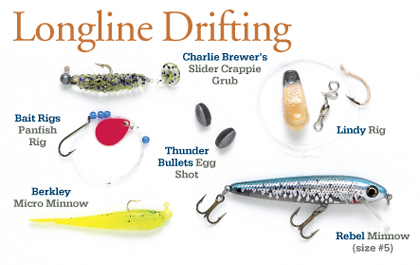
- Tube jigs, paddle tails, and shad bodies from 1 to 2 inches get the most bites.
- Hair jigs excel in cold snaps since they breathe even when still.
- Colors for clear water: natural shad, silver, smoke, and white.
- Colors for stained water: chartreuse, black and chartreuse, pink, and monkey milk.
- Add scent to boost short strikes and hold time.
If I see bait deep, I use a 1/8 oz jig to get down fast, then switch to 1/16 oz to slow the fall once I mark fish. That small change is often the difference in how to catch crappie in the fall when fronts pass.
Techniques That Consistently Produce
You do not need complex rigs. You need control, speed, and the right depth. Here are the methods I trust.
Slip float at edges:
- Set the stop for exact depth over brush or weeds.
- Cast past the target, ease the float back, and pause.
- Nudge the float two inches at a time. Wait for the float to tilt, sink, or stall.
Vertical jigging on structure:
- Drop straight down to the fish on sonar.
- Hold the jig still with tiny shakes. Think of a leaf in light wind.
- Raise or lower by one foot to find the bite zone.
Casting and swimming a jig:
- Cast beyond the target. Count down the jig to the depth.
- Slow roll it so the tail just wakes. Pause every few feet.
- Feather the line on the drop for neutral fish.
Spider rigging for open water:
- Spread 8 to 14 foot rods off the bow with 1/16 to 1/8 oz jigs or minnows.
- Move 0.3 to 0.7 mph. Follow contour lines around points and creek mouths.
Dock shooting:
- Bend the rod, sling the jig under the dock, and let it pendulum out.
- Target darkest shade and cross beams.
When people ask me how to catch crappie in the fall, I tell them to master one slow technique first. Then add the next. Depth control beats fancy tackle every time.

Using Electronics and Maps
Sonar turns a good day into a great one. You want to find fish fast and spend time on the best spots.
Core tools:
- Down imaging to see brush shape and fish above it.
- Side imaging to scan 80 to 120 feet each side for timber, stumps, and bait balls.
- Forward-facing sonar to watch fish react to your jig. Stop moving when they shy away. Lower the jig to their nose.
Mapping:
- Use contour maps to trace 12 to 25 foot breaks.
- Mark waypoints on brush piles, creek bends, and points with wind.
- Follow the edge of the old river channel on reservoirs.
Boat and bank tips:
- Use a drift sock or spot-lock to hold in wind.
- If you fish from the bank, pick wind-blown shorelines, walk the first break, and count down your jig.
Learning how to catch crappie in the fall with electronics is like turning on the lights. You will see why one brush pile loads up while the next sits empty.
Timing, Weather, and Moon
Weather drives fall patterns. Stable high pressure and light wind build a steady bite. A falling barometer before a front can spark a hot window. The day after a front, slow down and go deeper.
Time of day:
- Late morning to mid afternoon warms the surface. Fish often rise a few feet. That is prime for slip floats.
- Last light pulls fish shallow on windward banks.
Wind:
- A light chop hides you and pushes bait to one side. Fish the windy side if safe.
Season timeline:
- Early fall: Fish the first break off flats with green weeds.
- Mid fall: Work mid-depth brush near creek mouths and points.
- Late fall: Target deep slopes with timber and suspended schools over channels.
On nights with a bright moon and clear skies, early morning can be slow. Midday often wins. If you track these shifts, you will feel at ease with how to catch crappie in the fall on any body of water.

Mistakes to Avoid and Pro Tips
Small errors cost bites. Here are traps I see often and simple fixes.
Common mistakes:
- Fishing too fast. Fix: Pause longer. Watch your line.
- Ignoring depth changes. Fix: Adjust by one foot at a time.
- Using big baits. Fix: Downsize to 1.5 inch plastics in cold snaps.
- Staying on dead water. Fix: Move if you do not mark bait in five minutes.
- Not checking knots and hooks. Fix: Retie often and keep hooks sharp.
Pro tips from my boat:
- Start with a natural color. Switch to chartreuse when the light fades.
- Use a loop knot on jigs for better action.
- Mark the best depth on your rod with a small piece of tape for repeat casts.
- When crappie nip short, add a small stinger hook or move the plastic down the shank.
- Keep a log of water temp, depth, and lure color. Patterns repeat each fall.
When you think about how to catch crappie in the fall, think systems. Right spot. Right depth. Right speed. Stack those, and the counter clicks fast.
Safety, Ethics, and Regulations
Cold water is no joke. Wear a life jacket and carry a throw rope. Let someone know your plan and check the forecast.
Fish with care:
- Use a rubber net to protect fins.
- Handle fish with wet hands. Release deep fish quickly to avoid stress.
- Keep only what you will eat. Many lakes need selective harvest to protect bigger year classes.
Know the rules:
- Check length and bag limits. They change by lake and season.
- Some waters mark brush piles and fish attractors. Use them, but be courteous.
How to catch crappie in the fall also means learning how to respect the resource. Good habits now keep the bite strong for years.
Frequently Asked Questions of how to catch crappie in the fall
What is the best depth for fall crappie?
Early fall fish hold 8 to 15 feet. By late fall, many stack 18 to 30 feet on steep breaks and brush.
What color jig works best in fall?
In clear water, use shad colors like white, silver, and smoke. In stained water, switch to chartreuse, black and chartreuse, or pink.
Do I need live bait to catch fall crappie?
No. Plastics and hair jigs work great, especially with scent. Live minnows can help during cold fronts or after lake turnover.
How fast should I retrieve in fall?
Slow. Think crawl, not sprint. A steady swim with pauses or a near-still hover often triggers bites.
Is wind good or bad for fall crappie?
Light wind is good because it moves bait and breaks the surface. Strong wind can scatter fish and make boat control hard, so tuck behind points.
Conclusion
Fall rewards anglers who slow down and track bait, depth, and cover. Focus on edges that link food to safety, fish at the right speed, and let your jig hang in the strike zone. That simple plan will lift your confidence and your catch.
Put these steps to work on your home water this week. Log what you find and repeat the wins. If this guide helped, share it with a friend, subscribe for more seasonal playbooks, and drop your questions or your best tip on how to catch crappie in the fall in the comments.