

Live minnows, small jigs, and scented plastics catch crappie in most waters.
If you want clear, expert advice on what is good crappie bait, you’re in the right place. I’ve tested live and artificial options in all seasons, from clear highland lakes to muddy flood control reservoirs.
Below, I explain what works, why it works, and how to fish it. You’ll learn how to match bait to season, water clarity, and crappie behavior so you can catch more fish with confidence.

How Crappie Feed: Behavior That Shapes Bait Choice
Crappie are sight feeders. They eat small fish, insects, and crustaceans. They prefer an easy meal that hangs above them, not below. That is why a slow, level presentation works so well.
Their main forage is minnows and young shad. In spring, they move shallow to spawn. In summer, they hold on brush, docks, and drop-offs. In winter, they slide deeper and feed in short windows.
Water temp and light change their mood fast. Early and late in the day, crappie roam and rise. Midday, they hold tighter to cover. If you are asking what is good crappie bait, match the small, natural foods they already chase and keep your bait in their strike zone.
I keep a thermometer in my boat. When water hits 58–65°F, I go shallow with small minnows under a slip float. When it drops below 50°F, I slow down with hair jigs or scented plastics.
Best Live Baits That Consistently Produce Crappie
Live bait shines when fish are picky or the water is cold. It also helps new anglers get confident fast.
Minnows
Minnows catch crappie year-round. Fatheads and small shiners in the 1–2 inch range get the most bites. Use a size #4–#6 light wire hook. Hook through both lips for casting or through the back behind the dorsal for a vertical set. A slip float lets you set depth and keep the bait in the strike zone.
Worms and Insects
Crappie also eat waxworms, mealworms, and small red worms. These are great in cold water or under fishing pressure. Tip a small jig with a waxworm for a subtle, slow fall.
When Live Bait Wins
Live bait is clutch after cold fronts, in muddy water, or when teaching kids. If I need to answer what is good crappie bait for tough days, I say a lively minnow under a slip float near wood or reeds.
Best Artificial Baits For Crappie
Artificial baits let you search water fast and stay efficient. They also cost less over time than buckets of minnows.
Soft Plastics
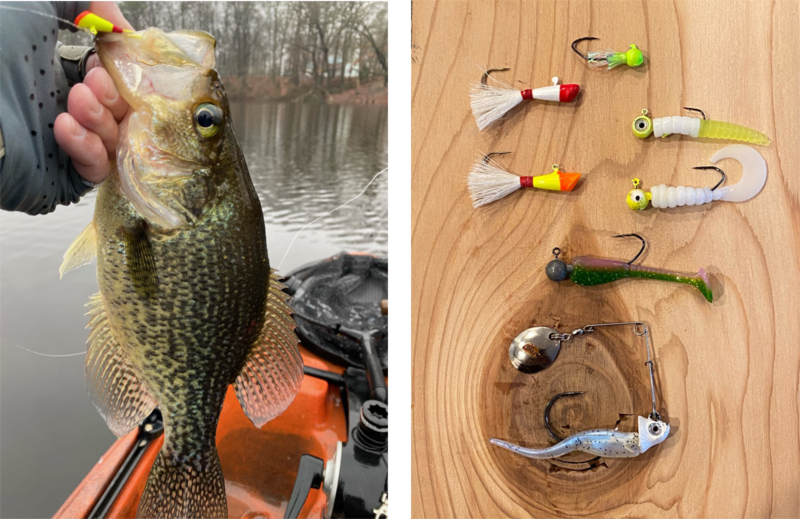
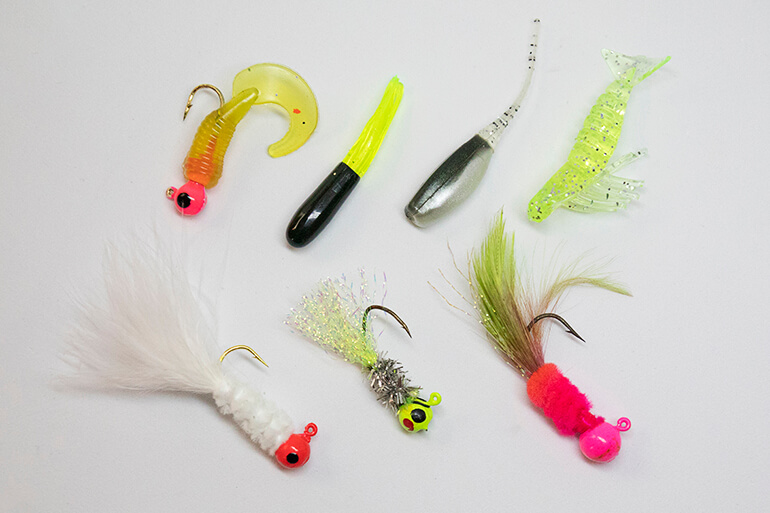
Soft plastics are my daily driver. Use 1–2 inch tubes, grubs, stinger tails, or paddle tails on 1/64–1/16 oz jig heads. Natural colors like shad, smoke, and silver work in clear water. Chartreuse, pink, and white shine in stained water.
Move just enough to make that tail quiver. Pause often. If you wonder what is good crappie bait for covering water, a 2 inch paddle tail on a 1/16 oz head is hard to beat.
Hair Jigs
Marabou and bucktail jigs fall slow and look alive at rest. They excel in cold water and around brush. Try 1/32 oz with a gentle lift-drop.
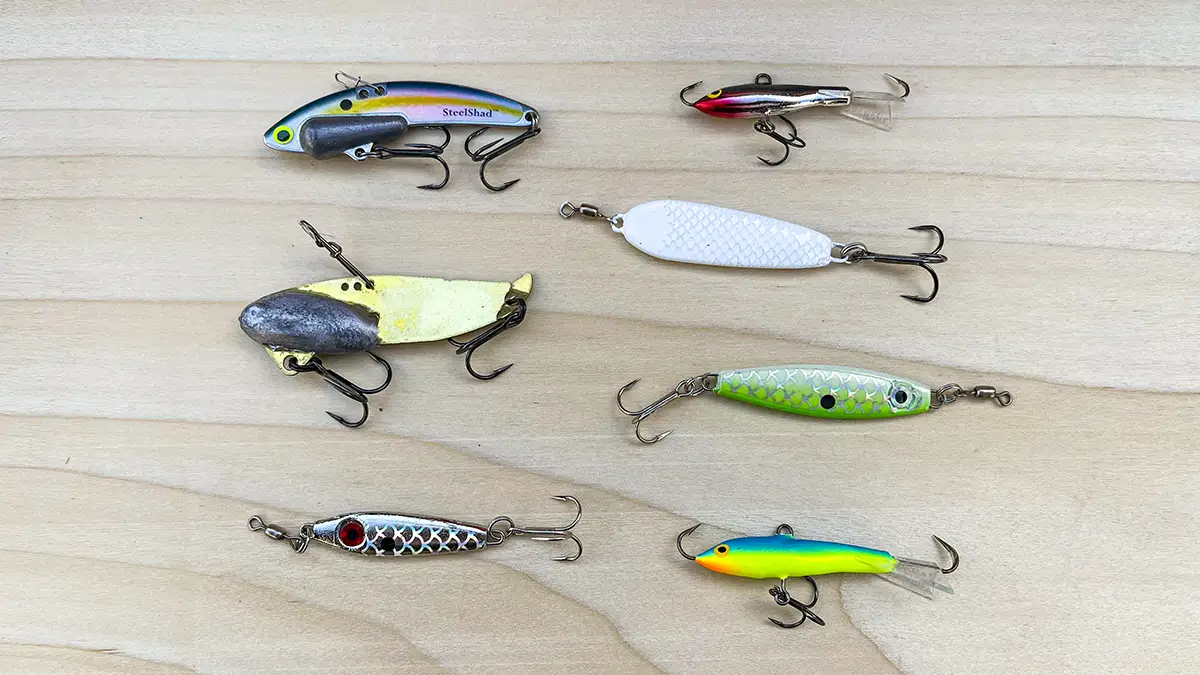
Spinners and Tiny Crankbaits
Small safety-pin spinners and micro cranks help you find roaming fish. Use them in wind or when crappie chase shad. Keep speeds slow and steady.
Add Scent
Scented plastics or a dab of crappie gel can double your bites. It masks human odor and keeps fish holding on longer.
Match Bait To Season And Conditions
The best bait changes with water temp, depth, and the spawn cycle. Tuning into the season is key to what is good crappie bait.
Spring
Pre-spawn and spawn are prime. Work shallow cover, banks, and reeds. Minnows under slip floats or 1/32 oz jigs get crushed. Use bright colors if rain muddies the water.
Summer
Fish hold deeper on brush, docks, and ledges. Use spider rigging, vertical jigging, or dock shooting. Soft plastics with a slow fall catch steady limits.
Fall
Crappie chase shad in creeks and coves. Cast 2 inch swimbaits or grubs and count down to the school. Natural shad patterns excel on sunny days.
Winter
Go slow and downsize. Hair jigs and scented plastics are top picks. Vertical presentations near timber or on channel swings work well.
Presentation And Rigging That Get More Bites
How you present bait matters as much as what you use. Small changes in depth, speed, and angle can flip the switch.
Slip Float Rigs
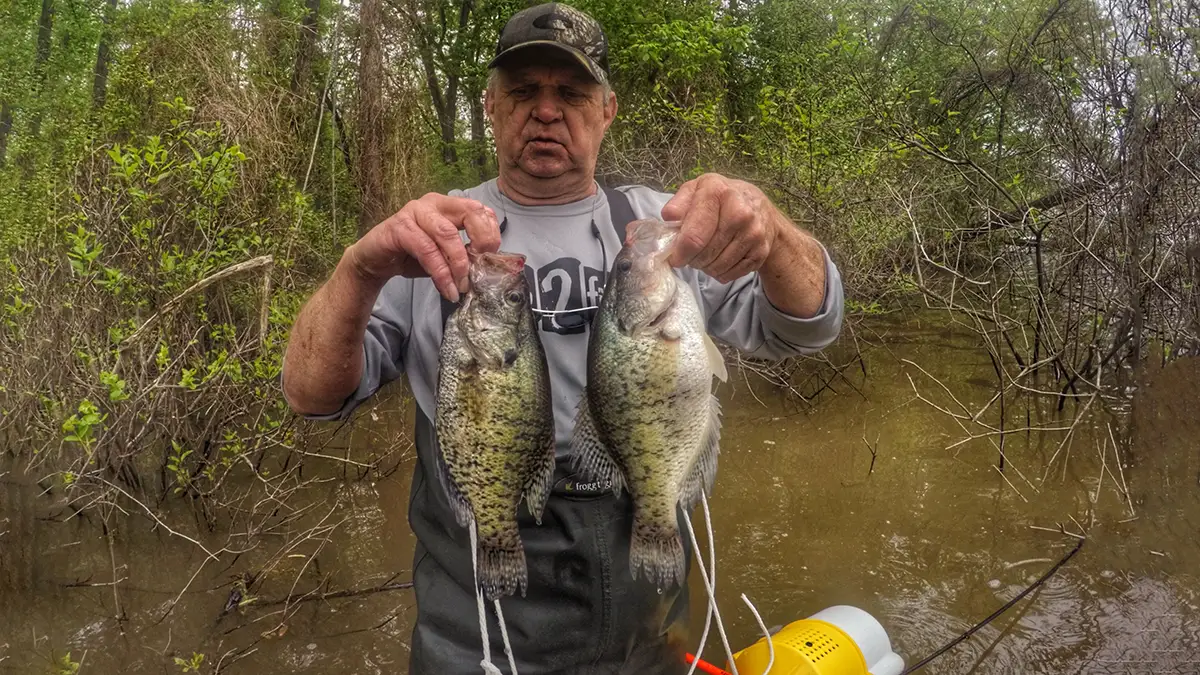
Set your bobber stop to run just above the fish. Keep the bait still with tiny twitches. Use a long rod to reach brush without spooking fish.
Vertical Jigging
Hold a jig above fish and barely move it. Watch your line, not just the rod tip. A soft rod and 4–6 lb mono help detect light bites.
Spider Rigging and Long-Lining
Slow-troll multiple rods with jigs or minnows. Vary depths until you get hits. Track speed with GPS and note what works.
Tightlining and Drop Shot
A light drop shot excels over standing timber or deep brush. Keep your sinker below and a short tag to the jig or hook above.
If a friend asks what is good crappie bait for learning control, I hand them a slip float, a minnow, and a bobber stop. It teaches depth and pace in minutes.
Water Clarity, Color, And Size Selection
Crappie react to color and size. Match the mood and clarity.
Clear Water
Use natural colors and smaller baits. Think silver, smoke, and translucent profiles. Light line helps improve your bites.
Stained To Muddy Water
Use bright colors like chartreuse, white, pink, and glow. Add scent. Slow the fall to give fish time to see the bait.
Size and Vibration
Downsize after cold fronts or heavy pressure. Up-size when fish chase shad. Paddle tails and spinners add thump when visibility is low.
When anglers ask what is good crappie bait in muddy water, I say bright 2 inch plastics or a minnow with a loud profile near cover.

Common Mistakes And Pro Tips
Years on the water taught me what to avoid and what to repeat.
Mistakes To Avoid
- Using baits that are too big for the mood or season
- Fishing too fast after a cold front or in winter
- Forgetting to set an exact depth with slip floats
- Ignoring water temp and clarity
- Not retying after scraping brush or rocks
Pro Tips
- Downsize to 1/32 oz jig and add scent when bites are light
- Count down your jig to control depth
- Use a thermometer; the 58–65°F window is prime for shallow fish
- Keep a log of colors, speed, and depth on good days
- Keep minnows lively with an aerator and fresh water
In my notes, the most reliable answer to what is good crappie bait in tough bites was a 1/32 oz hair jig tipped with a waxworm, held dead still over timber.
Tackle And Gear Checklist
You do not need much, but the right tools help.
- Rods: 5–7 ft ultralight for casting; 10–12 ft for dipping and spider rigging
- Reels: Small spinning reels with smooth drags
- Line: 4–6 lb mono for floats; 6–8 lb mono or fluoro for spider rigging
- Hooks: #4–#6 light wire for minnows; fine wire holds better and frees from brush easier
- Jig Heads: 1/64 to 1/8 oz; use lighter heads for slow falls
- Floats: Slip floats with bobber stops for precise depth
- Tools: Aerator, thermometer, long-handled net, polarized glasses
- Boat or Bank: From shore, target bridges, walkways, and riprap; from a boat, map brush piles and creek channels
If someone asks what is good crappie bait to start a kit, I suggest small minnows, 2 inch tubes, and 1/16 oz jig heads in chartreuse and shad.
Frequently Asked Questions of what is good crappie bait
What size minnows work best for crappie?
Use 1–2 inch minnows. Small baits match natural forage and get more bites from both slabs and eaters.
Do colors really matter for crappie?
Yes, color matters with clarity and light. Use natural colors in clear water and bright colors like chartreuse and white in stained water.
Is live bait better than artificial for crappie?
Live bait often wins in cold water or after fronts. Plastics win for speed, coverage, and cost, especially when fish are active.
What line should I use for crappie?
Use 4–6 lb mono for floats and casting. Use 6–8 lb mono or fluoro for spider rigging and heavier cover.
Can I catch crappie at night, and what bait should I use?
Yes, night fishing can be great under lights. Use minnows or small jigs in shad colors around docks, bridges, or lit coves.
How deep should I fish for crappie?
Match the season and find structure. In spring fish shallow cover; in summer and winter, target brush and channels from mid-depth to deep.
What is the best jig weight for crappie?
Start with 1/16 oz for general use. Go lighter for a slower fall in cold water, and heavier in wind or deeper water.
Conclusion
You now have a clear plan for choosing and fishing the best crappie bait in any season. Focus on small, natural profiles, control your depth, and let the bait fall slow. When in doubt, a live minnow or a 2 inch soft plastic on a light jig head will catch fish.
Put these tips to work on your home lake this week. Track your depth, color, and speed, and you will dial in what is good crappie bait fast. Want more guides like this? Subscribe, share your results, or drop a question in the comments.