

Crappie season peaks in early spring during the spawn, with excellent secondary runs in fall.
If you want steady action and full coolers, timing is everything. In this guide, I break down when is crappie season by state, water temperature, and weather.
You will learn how to read the lake, pick the right gear, and plan trips that line up with the bite. I have guided anglers through every month, and I’ll show what works, what fails, and how to adjust fast.
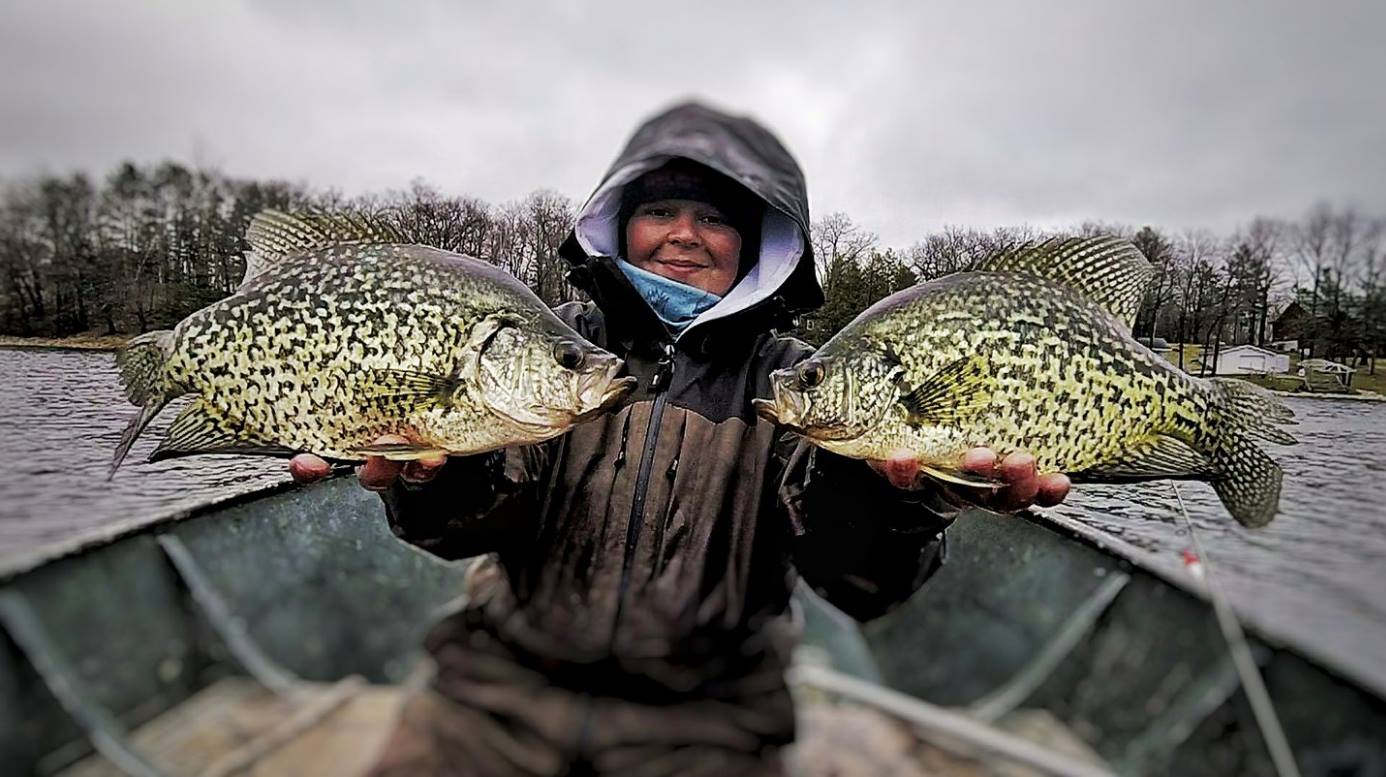
Understanding Crappie Behavior Across Seasons
Crappie are ruled by water temperature, photoperiod, and forage. The classic spawn happens when water warms to about 58–68°F. That is the key band in most lakes and rivers.
Before and after the spawn, fish follow bait and cover. In winter they move deeper and slow down. In summer they hold to shade, brush, and ledges. When is crappie season depends on this cycle, not the calendar.

Regional Timing: North, South, and West
Local weather shifts the calendar by weeks or months. That is why when is crappie season varies so much.
- Deep South: Expect prespawn action in February. Peak spawn is often March to early April.
- Lower Midwest and Mid-South: Peak runs from late March to late April. Prespawn can fire in early March.
- Upper Midwest and Northeast: Ice-out starts the clock. Peak is usually late April to mid-May, sometimes early June.
- West and High Elevations: Many reservoirs peak in April to May. Cooler, clear water can delay things.
I keep a simple rule: follow the temps, then adjust for fronts. If a cold snap drops water back into the low 50s, the spawn stalls.

Water Temperature and Moon Phase: Your Real Clock
Water temperature is the best signal. Aim for 58–68°F for the most reliable shallow bite. Prespawn staging often starts around 52–55°F.
Moon phase can nudge timing a bit. Many lakes see stronger shallow movement around full or new moons in stable weather. Use it as a tie-breaker, not a hard rule, for deciding when is crappie season in your area.
Spring: The Classic Spawn Bite
This is the main event. Crappie push into 1–6 feet of water near protected banks, brush, and gravel. Males fan beds, and females stage just off the bank.
I like a light float rig with a small jig or a live minnow. Cast past the cover and drag into it. When is crappie season at its best? It is right here, when the water hits the 60s and the banks come alive.
Summer: Post-Spawn and Heat Strategies
After the spawn, fish slide deeper and spread out. They hold to docks, bridge pilings, standing timber, and the first drop.
Use shooting under docks, vertical jigging on brush, or slow trolling. Downsize jigs and keep presentations tight to shade. Many anglers ask when is crappie season in summer; it still is, but you must fish deeper and slower.

Fall: The Second Best Crappie Season
Cooling water pulls shad shallow. Crappie school up and chase bait along points, creek mouths, and flats.
This is a numbers season. I run small shad-style profiles in white, chartreuse, or natural bait colors. When is crappie season for strong action without crowds? Fall delivers steady bites and easy limits on many lakes.
Winter: Slow and Steady, Big Rewards
Fish group up on steep drops, deep brush, and channel turns. In the North, ice anglers find them over basins or mid-depth flats near structure.
Use tiny jigs, small plastics, or minnows with subtle moves. Watch your sonar and hold the bait still. If you ask when is crappie season for big, clean fillets, winter is in the mix.
Legal Seasons, Limits, and Ethics
Most states keep crappie open year-round. Daily limits and size rules vary. Some lakes set special minimum lengths to protect the stock.
Always check current state rules before you go. Handling fish with wet hands, keeping only what you need, and releasing big females during peak spawn are smart moves. When is crappie season from a legal view? Usually all year, but smart ethics keep it strong.
Baits, Lures, and Presentations That Match the Season
- Prespawn and spawn: Small tubes, hair jigs, or minnows under a float. Use bright colors in stained water.
- Post-spawn and summer: Shooters for docks, 1/16–1/8 oz jigs on brush, or slow-trolled double rigs.
- Fall: Shad-profile soft plastics, small crankbaits, and tight-line jigs along bait balls.
- Winter: Micro-jigs, tungsten ice jigs, and small minnows fished vertical and still.
Match your bait to the mood. When is crappie season at your lake? Let your jig size and speed reflect water temp and fish behavior.
Where to Find Crappie: Structure and Habitat by Month
- Late winter to early spring: Creek channels leading to coves, staging brush in 8–15 feet.
- Spawn window: Protected pockets with wood, reeds, or pea gravel, 1–6 feet.
- Summer: Shade and depth edges, docks with 6–12 feet under them, submerged timber and brush piles.
- Fall: Wind-blown points, creek mouths, mid-depth flats with bait schools.
- Winter: Deep brush, channel bends, steep breaks, and basin edges.
Use maps and sonar to hop spot-to-spot. When is crappie season on your home water? It is when you can link the calendar to specific structure.
Gear Checklist and Boat vs. Shore Tactics
- Rods and reels: Light-power rods, 6–7 feet for floats and casting; 9–12 feet for dipping; ultralight for ice.
- Line: 4–8 lb mono or braid with a light fluoro leader.
- Terminal: Jigs from 1/64 to 1/8 oz, small hooks, split shot, floats, and swivels.
- Electronics: Basic sonar helps. Side imaging finds brush and schools fast.
- Boat vs. shore: Boat lets you hit offshore brush and troll lines. Shore anglers do great in spring and at night-lit docks.
When is crappie season best for shore anglers? Spring and fall shine. Night fishing around lit docks can be great year-round.
Proven Day Plans (Real-World Examples)
A March trip in Mississippi taught me patience after a cold front. Water dropped from 61°F to 56°F. We backed off the bank to 8–10 feet and slow-rolled hair jigs. The bite came in short bursts, but we filled a limit by noon.
One October in Kansas, wind stacked shad on a main-lake point. We watched birds dip and graphed tight schools at 12 feet. A simple 1/16 oz jig in plain white caught fast. When is crappie season for easy patterns? Fall wind lines make it simple.
If storms muddy your lake in spring, move to clearer water or hit the warmest pockets by afternoon. A slight temp bump can change a skunk to a pile of bites.
Common Mistakes and How to Fix Them
- Ignoring water temperature: Check it often. A few degrees can flip the bite.
- Fishing too fast: Slow down in cold water. Use smaller jigs and longer pauses.
- Overlooking mid-depth brush: Not all fish are shallow, even during the spawn.
- Using one color all day: Rotate colors and profiles until fish react.
- Skipping the wind: Wind pushes bait. Fish wind-blown banks and points when safe.
When is crappie season for you? It is when you remove these mistakes and follow the fish.
Frequently Asked Questions of when is crappie season
When is crappie season in the South?
Crappie peak in March across much of the South, with prespawn in February. Some lakes fire as early as late January in warm spells.
When is crappie season up North?
After ice-out, most lakes peak from late April to mid-May. Cooler springs can push the spawn into early June.
Does the moon affect when is crappie season?
Moon phase can nudge shallow movement in stable weather. Water temperature and weather fronts matter far more.
What water temperature marks the start of when is crappie season?
Prespawn staging starts near 52–55°F. The prime shallow spawn is often 58–68°F.
Can I catch crappie year-round?
Yes, with the right approach. Fish deeper and slower in winter and summer, and target shallow cover in spring and fall.
Is live bait better during crappie season?
Live minnows shine in cold water and tough days. Jigs catch just as well when fish are active or schooling.
How do fronts change when is crappie season timing?
Cold fronts delay shallow pushes and tighten schools. Fish a bit deeper and slow your retrieve for a day or two.
Conclusion
If you remember one rule, make it this: follow the water temperature, then match your speed and depth. That simple move answers when is crappie season on any lake. Use the regional windows as a guide, then fine-tune with structure, bait, and weather.
Plan your next trip around a warming trend, check temps, and bring a range of small jigs and minnows. Share your results, ask questions, or subscribe for more seasonal playbooks.