

Use small jigs on light line, move slow, and target brush or docks.
Crappie crush small lures when you match size, speed, and depth. In this guide, I show how to fish for crappie with artificial bait in simple steps that work from bank or boat.
I share proven patterns, tackle picks, and field notes learned over years on clear lakes, muddy rivers, and busy docks. Follow along and you will feel more bites, set more hooks, and fill more limits.
Understanding crappie behavior and seasonal patterns
Crappie are sight feeders. They like shade and soft movement. They stack on cover and shift with light, wind, and water temp. Learn this first and the rest gets easy.
They feed up. Keep lures above them when you can. In clear water they suspend. In stain they hug cover. Peak action spikes at dawn, dusk, and on cloudy days.
Water temperature sets the mood. Spawning starts near 58–68°F on shallow flats with firm bottom. Summer heat pushes fish to deeper wood and bridge lines. Fall cools the surface and spreads fish along points. In winter, they group tight and want slow moves.
Knowing this is the base of how to fish for crappie with artificial bait. It helps you pick depth, speed, and color with care.
Essential artificial baits that catch crappie
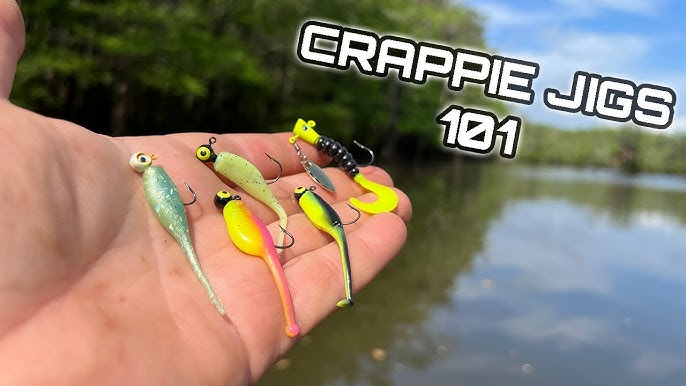
Small is king. Most days a 1–2 inch profile wins. Keep a few styles and swap fast until you get strikes.
Soft plastic jigs:
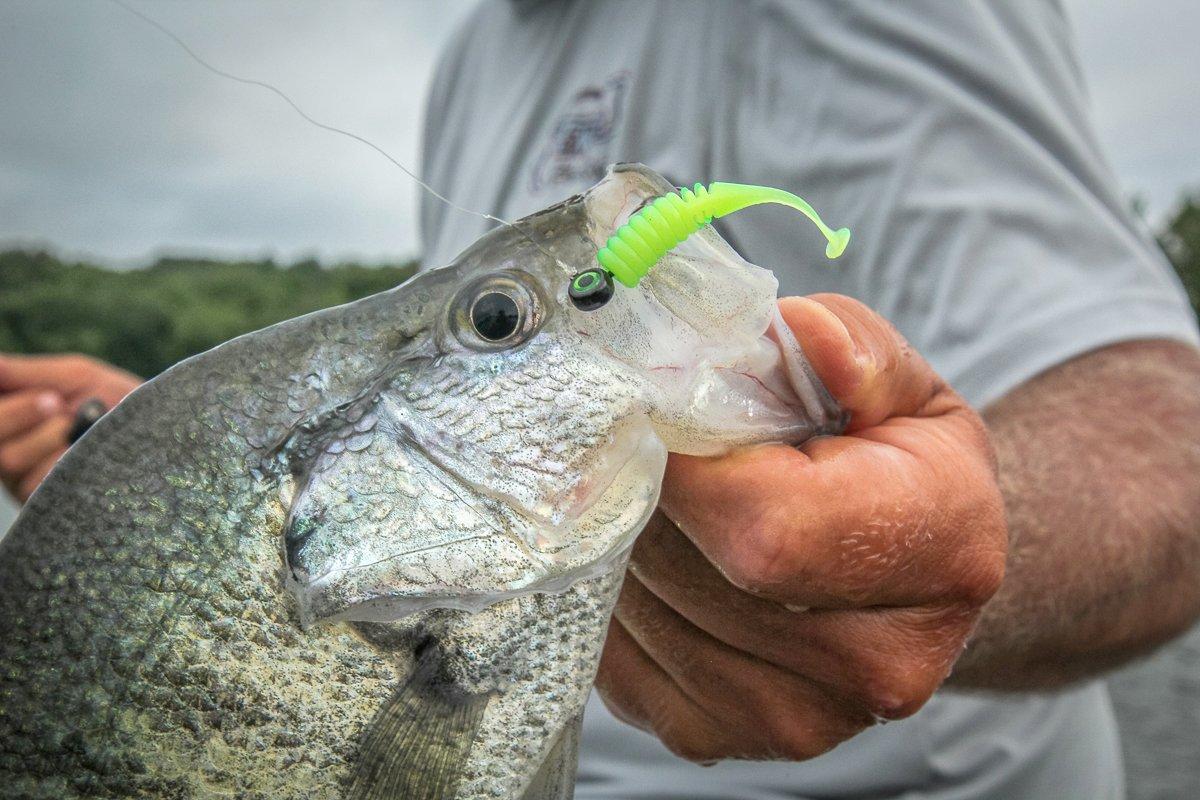
- Tubes in 1.5–2 inches for a glide and thump
- Paddle tails for steady roll on slow swim
- Straight tails for a tight quiver when still
Feather and hair jigs:
- Marabou for a slow, breathing pulse in cold water
- Bucktail for a slim shape and clean fall
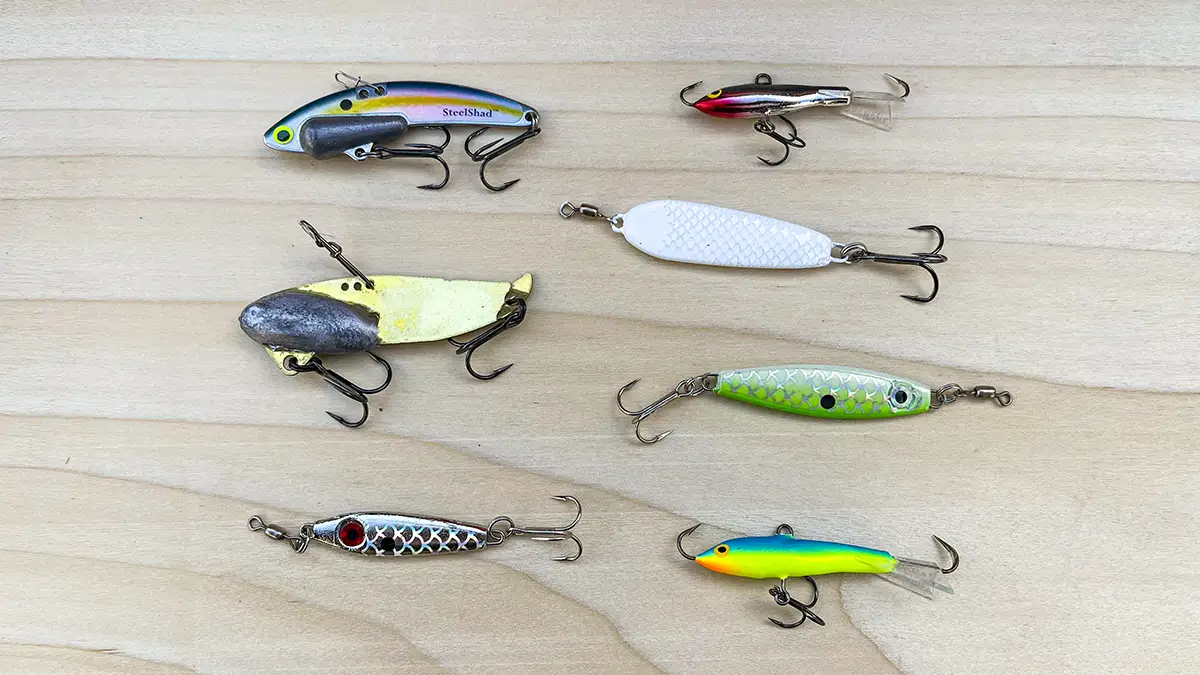
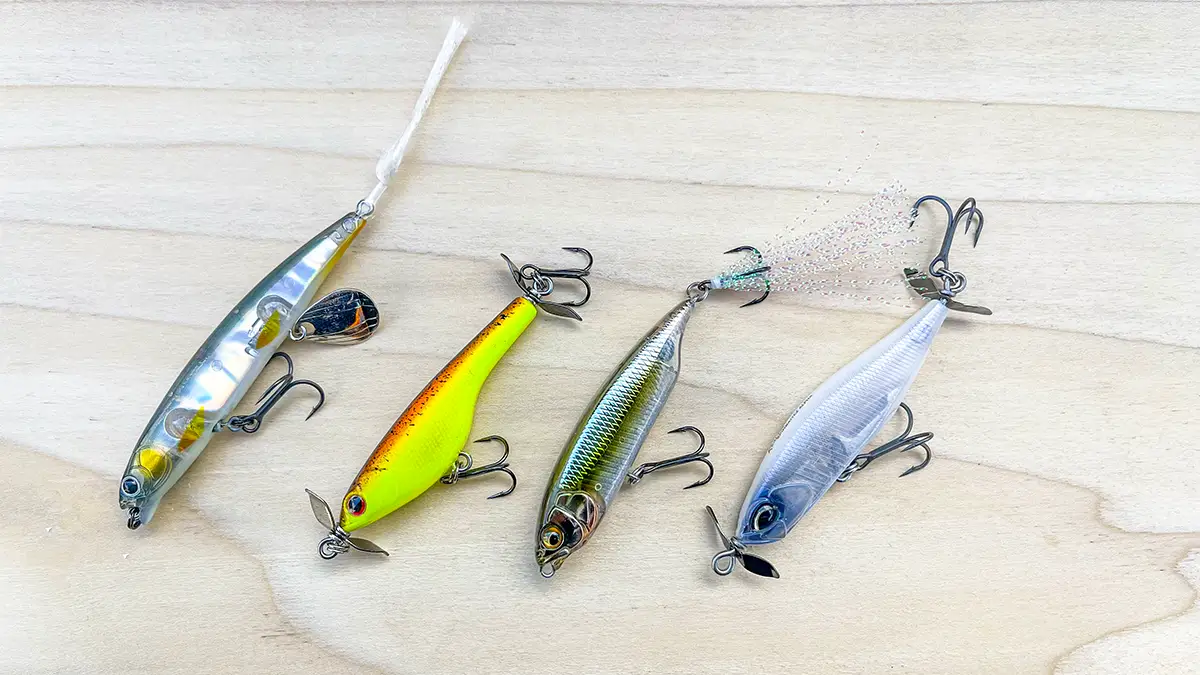
Add small spinners, tiny crankbaits, and micro spoons on wind-blown banks. They call fish from farther away. I use them when fish chase shad or when water has a chop.
Color matters, but do not overthink it. Use natural tones in clear water. Use chartreuse, white, pink, or glow in stain. Mix two colors on a jig to cover both. I keep black/chartreuse, monkey milk, blue ice, and plain white in my box.
These picks fit right into how to fish for crappie with artificial bait. Switch shape, tail action, and flash to match mood.
Tackle, rigs, and line for control
Use a light, sensitive rod. A 6–7 foot ultralight or light power rod is ideal. It casts small lures and shows soft ticks. Pair it with a 1000–2000 size reel.
Line sets the feel. Two to six pound mono is easy to cast and has stretch for paper-thin mouths. Fluoro in four to six pound helps in clear water. I often run six to eight pound braid with a four pound fluoro leader for best feel.
Jig heads matter. Stock 1/64, 1/32, 1/16, and 1/8 ounce. Use lighter heads for shallow, slow falls. Step heavier in wind or deeper water. Fine wire hooks help with light set and easy pull from brush.
Simple rigs catch most fish:
- Clip-on float with a 1/32 ounce jig for shallow fish
- Slip float rig for precise depth over brush
- Double jig rig to test two colors or two depths
- Drop shot with a small plastic when fish lock tight to bottom
Dialing rigs is the heart of how to fish for crappie with bait. It lets you present light lures with control.
Presentations that trigger bites
Count down and swim. Cast past the target. Let the jig fall on a tight line and count. Start a slow reel with tiny twitches. Keep the lure above the fish.
Pendulum swing. Cast across a brush pile. Let the jig swing in an arc as you hold the rod still. The steady fall across the strike zone is deadly.
Vertical jigging. Drop straight down over cover or on a school you mark. Lift six to twelve inches. Pause. Most bites come on the drop or during the pause. Use a loop knot for more lure wiggle.
Dock shooting. Load the rod and skip a jig under docks. It reaches shade that others miss. Aim where the darkest shade meets a post.
Slow trolling and spider rigging. Pull or push jigs at 0.4–1.0 mph. Use multiple rods if legal. Change speed and head weight until rods bow. These two moves are key in how to fish for crappie with artificial bait on big flats.
When unsure, slow down. Add one-second pauses every few cranks. Crappie love the stall.
Finding crappie: spots, structure, and electronics
Cover is a magnet. Look for brush piles, laydowns, standing timber, docks, riprap, and weed edges. Shade and a hard edge draw bait and crappie.
On lakes, trace creek channels, secondary points, and the first drop from a flat. On rivers, fish eddies behind wood and inside bends. Wind blowing into a bank can spark a feed. Let it tell you where to cast.
Electronics help. Use side imaging to find brush off points and docks. Mark fish arcs on 2D sonar. Watch depth, bait balls, and water temp. I scan first, then fish.
From shore, do laps. Hit the upwind bank, bridge corners, and pilings. Count your lure down to different layers. Bank anglers can master how to fish for crappie with artificial bait by working shade lines with a slip float.
Seasonal game plans that work
Spring. Target four to ten feet near spawning flats. Use floats with small jigs and slow swims along bank cover. Watch for males guarding nests in shallow shade.
Summer. Fish early and late. Midday, go deeper to brush on points, timber, or bridge pylons. Use 1/16–1/8 ounce heads and a slow, steady retrieve.
Fall. Follow shad into coves and creek arms. Cast small swimbaits on windy banks. Change speed until you get thumps.
Winter. Think slow and small. Vertical jig on deep brush and channel edges. Hold lures still with tiny shakes. Feathers shine in cold water.
Each season tweaks how to fish for crappie with artificial bait. The keys are depth, speed, and a tight zone.
Boat, bank, and kayak strategies
Boat anglers can grid water fast. Use a trolling motor to hold in wind. Line up with current so your lure moves natural. Spot lock on brush, then work angles.
Kayak anglers win with stealth. Slide tight to docks and wood. Cast light jigs and let them fall. Use a compact graph and a long net to land fish.
Bank anglers score with reach and precision. Use a slip float to hit exact depth. Shoot jigs under docks from the walkway. Walk light and pick apart shade.
No matter where you stand, the core of how to fish for crappie with artificial bait is the same. Find cover, set the right depth, and move slow.
Common mistakes and how to fix them
Using heavy heads. A fast fall pulls you past fish. Drop to 1/32 ounce and add pauses.
Reeling too fast. Crappie want an easy meal. Slow your retrieve until you just feel the tail thump.
Line too thick. Big line kills action and spooks fish. Use two to six pound test.
Wrong color in stain. Switch to chartreuse, white, or glow when water muddies. In clear water, use natural shad tones.
Fishing below the school. They feed up. Count your jig less and start the retrieve higher.
These small tweaks define how to fish for crappie with artificial bait on tough days.
Advanced tweaks: color, scent, UV, and hardware
Scent helps on slow bites. Dab gel or add a small nibble. It makes fish hold on longer.
Use contrast. Two-tone baits pop in stain and low light. Pair dark backs with bright bellies to outline the shape.
Try UV or glow on deep or dingy water. Charge glow baits for night or under bridges. Do not overdo it on clear days.
Hardware hacks:
- Add a tiny willow blade on a snap for flash
- Tie a loop knot for more swing
- Use a micro swivel to cut line twist with spinners
These fine points round out how to fish for crappie with artificial bait when pressure is high.
Safety, ethics, and local rules
Mind limits and size rules. Many lakes have special crappie regs. Check before you fish. Keep only what you will eat.
Handle fish with wet hands. Support the body. Use a soft net. Barbless or pinched barbs make release fast and safe.
Watch weather, wear a life jacket on boats and kayaks, and use lights at night. A safe angler fishes more days.
Ethics and care build trust in the sport. They also keep the bite strong for the next trip.
Frequently Asked Questions of how to fish for crappie with artificial bait
What size jig works best for crappie?
Most days a 1/32 or 1/16 ounce jig is best. Go lighter for shallow and calm water, and heavier for wind or depth.
How do I choose color for crappie lures?
Use natural shad and clear tones in clear water. Use chartreuse, white, pink, or glow in stained water, and adjust based on sun and cloud cover.
What is the best line for crappie?
Two to six pound mono or fluoro works well. Use braid with a light fluoro leader when you need extra feel and better hook sets.
How deep should I fish for crappie?
Match the season and time of day. Start at the top of the school and fish above their level, since they feed up.
Can I catch crappie without live bait?
Yes. Small jigs, spinners, and tiny crankbaits catch lots of crappie. Focus on slow moves, right depth, and steady contact with cover.
What retrieve speed should I use?
Slow and steady wins most days. Add one-second pauses often, and speed up only if fish chase.
Do scents help with artificial baits?
They do on tough bites. Scent makes crappie hold the lure longer, which boosts your hook-up rate.
Conclusion
You now have a clear plan for how to fish for crappie with artificial bait. Keep lures small, move slow, and fish above the school on cover. Match head weight to depth and wind, and change color only after you set speed and depth.
Take one lake, one pattern, and one lure size this week and practice. Log what works. Share your results, ask questions, and subscribe for more hands-on tactics that keep rods bending year-round.