

Assemble rod, match reel and line, tie lure, adjust drag, and cast.
If you want to learn how to set up a fishing rod for bass with confidence, you are in the right place. I have rigged rods for weekend trips, club events, and dawn patrol missions for years.
This guide shows, step by step, how to set up a fishing rod for bass the right way, with clear choices and real tips that work on the water.

Choose the right rod and reel for bass
Your setup starts with a balanced rod and reel. This choice shapes casting, lure control, and hooksets. A good match makes everything easier.
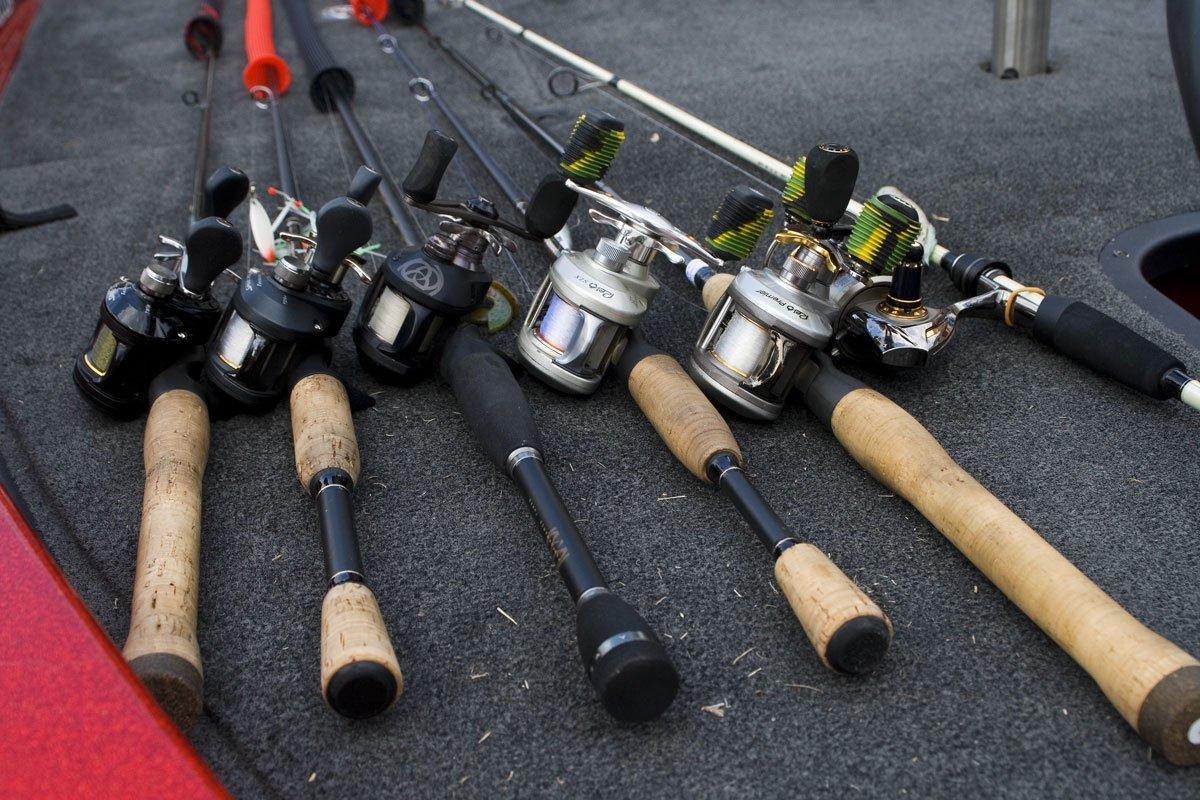
Spinning vs baitcasting
- Spinning setup is best for light lures, finesse rigs, and windy days.
- Baitcasting setup shines with jigs, Texas rigs, spinnerbaits, and frogs.
Rod power and action
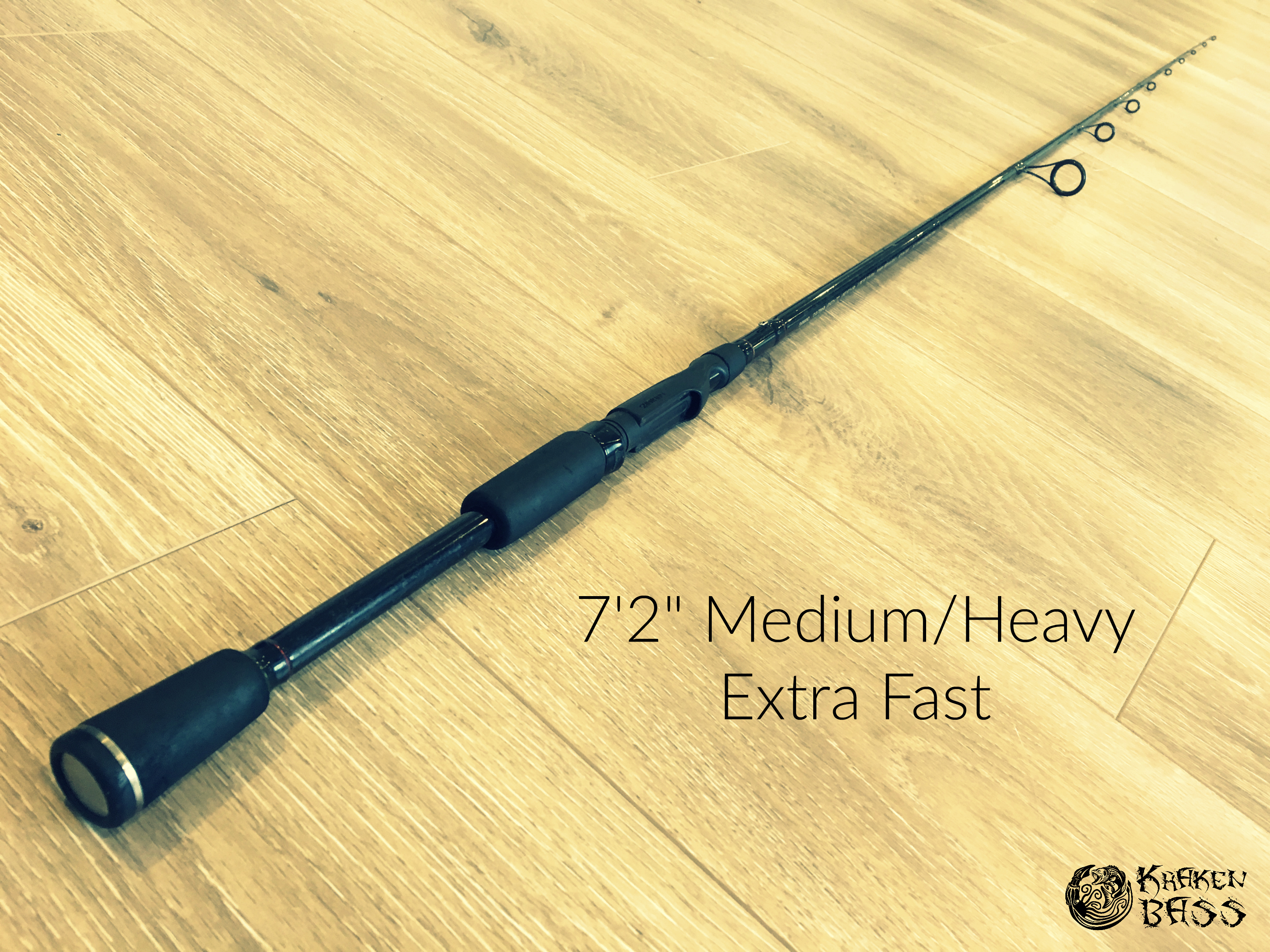
- Medium or Medium-Heavy power covers most bass tactics.
- Fast action gives quick hooksets and better feel.
- Length of 6 feet 6 inches to 7 feet 3 inches offers reach and control.
Reel sizes and ratios
- Spinning reels in 2500 to 3000 size fit bass line sizes well.
- Baitcasting reels with 6.6:1 to 8.1:1 gear ratios handle many lures.
Practical pairings I trust
- Finesse combo: 7-foot Medium Fast spinning rod with 2500 reel.
- Bottom contact combo: 7-foot 2-inch Medium-Heavy Fast baitcaster with a 7.1:1 reel.
- Moving bait combo: 7-foot Medium Moderate-Fast for crankbaits.
If you ask how to set up a fishing rod for bass that works in most lakes, pick a Medium-Heavy Fast baitcaster and back it with smart line choice.
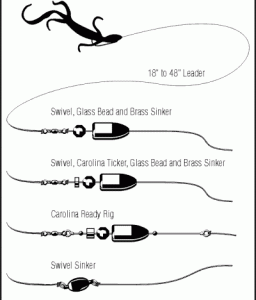
Select the right fishing line and leader
Line choice affects casting distance, lure action, and strike detection. Use line that fits your water and lure style.
Main line options
- Monofilament floats a bit and has stretch. It is great for topwater and treble-hook baits.
- Fluorocarbon sinks and is low-vis. It is ideal for clear water and bottom contact.
- Braid has zero stretch and great strength. It is best for heavy cover and long casts.
Suggested pound-tests
- Finesse spinning: braid 10 to 15 lb with a 6 to 10 lb fluoro leader.
- General baitcasting: straight fluoro 12 to 17 lb for jigs, worms, and spinnerbaits.
- Frogs and flipping: braid 50 to 65 lb for grass and wood.
Leader tips
- Use 4 to 6 feet of fluorocarbon leader in clear water.
- Tie a smooth connection knot like FG or Double Uni.
- Check the leader for nicks after each fish.
I learned this the hard way. I lost a five-pounder to a nicked leader at the boat. Now I retie more often. It is a small step that saves big fish when you learn how to set up a fishing rod for bass with care.
Rigging basics: knots, hooks, and lures
Knots
- Palomar for braid and fluoro on most lures. It is fast and strong.
- Improved Clinch for mono on small hard baits.
- Uni knot for a simple, reliable tie.
- FG or Double Uni for braid-to-fluoro leaders.
Hooks and sizes
- Offset EWG worm hooks in 2/0 to 4/0 for Texas rigs.
- Straight-shank flipping hooks in 3/0 to 5/0 for heavy cover.
- Drop shot hooks in sizes 1 to 2/0 for finesse presentations.
Lures and rigs that win
- Texas rig worm with a 1/8 to 3/8 oz bullet weight.
- Wacky rig stick bait with an O-ring to save baits.
- Jig and trailer from 3/8 to 1/2 oz for docks and brush.
- Spinnerbait 3/8 oz for wind and stained water.
- Squarebill crankbait for shallow cover.
- Walking topwater for low light and baitfish boils.
Rig choices change with water clarity, cover, and season. Keep it simple and you will master how to set up a fishing rod for bass that fits any lake.
Step-by-step: how to set up a fishing rod for bass
Follow these steps and you will be ready to fish in minutes.
-
Assemble and inspect
- Seat each rod section snugly if it is a two-piece.
- Check guides for cracks with a cotton swab. Snags mean damage.
- Ensure the reel seat threads are clean and tight.
-
Mount the reel
- Align the reel foot in the reel seat and tighten until snug.
- Make sure the handle clears your knuckles and the drag knob turns smooth.
-
Spool the line
- For spinning, run the line through guides first, then tie to the spool with an Arbor knot.
- Lay the line spool label up to reduce twist. Fill to about 1/8 inch below the lip.
- For baitcasters, tie to spool, add slight tension with fingers, and fill to 1/8 inch below the rim.
-
Add a leader if needed
- Tie braid to fluoro with an FG or Double Uni knot.
- Trim tags close so the knot slides through guides.
-
Tie the lure
- Use a Palomar for most rigs. Wet the knot and cinch slow.
- Add a peg or bobber stop for a Texas rig if fishing thick cover.
-
Set drag and brakes
- Spinning drag should pull at about one-quarter of line strength.
- For baitcasters, set spool tension so the lure drops slow and smooth, then set brakes to halfway.
-
Final checks
- Pull on the line to test knots and drag.
- Make a few short casts near shore or the dock.
This is how to set up a fishing rod for bass in a clean, repeatable way. Once you feel the rhythm, you can rig in low light without worry.

Dial in drag, brakes, and spool tension
Small tweaks help you cast far, keep control, and land more fish.
Spinning reels
- Drag should slip before the line breaks. Aim for 25 to 30 percent of line rating.
- Close the bail by hand after a cast to reduce twist and line loops.
- Keep the spool gap at about 1/8 inch to avoid wind knots.
Baitcasting reels
- Spool tension controls the start of the cast. Set it so your lure drops slow with no overrun.
- Brakes control the mid-cast. Start at 50 to 70 percent, then back off as skill improves.
- Thumb the spool as the lure lands to stop backlash.
Gear ratios and uses
- 6.6:1 for crankbaits and chatterbaits.
- 7.1:1 for jigs and Texas rigs.
- 8.1:1 for frogs and flipping to pick up slack fast.
These fine points are key if you are focused on how to set up a fishing rod for bass that casts clean and fights fish well.

Seasonal setups and scenarios
Water changes, bass move, and your setup should follow.
Clear water
- Use lighter leaders from 6 to 10 lb fluorocarbon.
- Go with natural colors like green pumpkin and shad.
- Long casts matter, so use braid to fluoro on spinning gear.
Stained or muddy water
- Step up to 15 to 20 lb fluorocarbon or 50 lb braid.
- Use bold colors and baits that thump, like spinnerbaits and chatterbaits.
Grass and heavy cover
- Use 50 to 65 lb braid with a heavy rod.
- Frogs, Texas rigs, and punching rigs excel.
Seasonal picks
- Spring: jerkbaits, spinnerbaits, and lipless cranks around points and flats.
- Summer: frogs, big worms, and deep cranks on ledges and grass lines.
- Fall: moving baits that chase baitfish schools, like squarebills and swim jigs.
- Winter: drop shot, Ned rig, and micro jigs with light line.
These patterns make it easier to decide how to set up a fishing rod for bass before you leave the house.
Common mistakes and pro tips
Avoid these mistakes
- Overfilling spools creates loops and backlashes.
- Using the wrong knot for braid leads to slippage. Use Palomar or Uni.
- Ignoring nicks in fluorocarbon causes break-offs near the boat.
- Setting drag too tight bends hooks and tears mouths.
Pro tips from long days on the lake
- Use line conditioner on fluorocarbon to reduce memory.
- Bright braid with a fluorocarbon leader improves bite detection and keeps stealth.
- Peg your bullet weight in heavy cover, but leave it free in open water for better action.
- Sharpen hooks often. A few strokes on a file save fish.
- Practice short roll casts to skip lures under docks with a baitcaster.
On my first guided trip, I set my brakes too low and spent ten minutes picking out a bird’s nest while my partner boated two fish.
I learned to start conservative and tune down brakes only after a few clean casts. That small habit pays off when figuring out how to set up a fishing rod for bass that does not waste time.

Maintenance and safety checks
Care keeps gear smooth and reliable.
After each trip
- Rinse with a light mist if you were near brackish water.
- Dry rods and reels before storage.
- Back off drag to reduce washer compression.
Routine care
- Add a drop of oil to handle knobs and worm gear every few trips.
- Replace mono and fluoro every season or after heavy use. Replace braid when faded and frayed.
- Check guides with a cotton swab to spot chips that cut line.
Safety
- Wear polarized glasses to protect eyes and see cover.
- Pinch barbs if you fish from a kayak or tight cover to avoid injury.
- Keep a small first-aid kit in the boat.
A little care goes a long way, especially when you know how to set up a fishing rod for bass and want the same smooth feel next season.
Frequently Asked Questions of how to set up a fishing rod for bass
What is the best all-around rod for bass?
A Medium-Heavy Fast rod around 7 feet is the most versatile. It handles jigs, Texas rigs, spinnerbaits, and light topwater very well.
Should I use braid with a fluorocarbon leader?
Yes, braid to a fluorocarbon leader gives sensitivity and stealth. Use a smooth connection knot and check it often.
How tight should I set my drag?
Set drag to about one-quarter of your line’s pound test. It should slip on a hard pull but still drive hooks home.
What knot should I use for most lures?
The Palomar knot is fast and strong for braid and fluorocarbon. Wet it and cinch slowly to avoid friction.
How do I stop baitcaster backlash?
Set spool tension so the lure drops slow and set brakes at mid-level. Use your thumb to stop the spool as the lure lands.
Can I use one setup for both clear and stained water?
Yes, use braid to fluorocarbon for clear water and switch to straight fluorocarbon or heavier braid in stained water. Change lure color and size to match conditions.
How often should I change my fishing line?
Change mono and fluoro every season or after heavy trips. Replace braid when it frays or fades too much.
Conclusion
You now have a clear plan to choose gear, pick line, tie reliable knots, and tune your reel. You also know how to set up a fishing rod for bass in simple steps you can repeat anywhere. Keep the routine tight, retie often, and adjust to water and cover.
Put this guide to work on your next trip. Rig two rods to match the day, and give each spot a few smart casts. Want more tips and seasonal checklists? Subscribe for new how-to guides, or share your questions in the comments.