

Use 3/0–5/0 for channel cats, 7/0–10/0 for blues and flatheads.
Choosing what size hook for catfish is the key to steady bites, solid hookups, and safer releases. In this guide, you’ll get a precise, field-ready answer to what size hook for catfish for each species, bait type, and rig.
You’ll also learn pro tips on gap, wire gauge, hook style, and common mistakes that cost fish. If you want a simple, data-backed way to pick the right hook every time, keep reading.
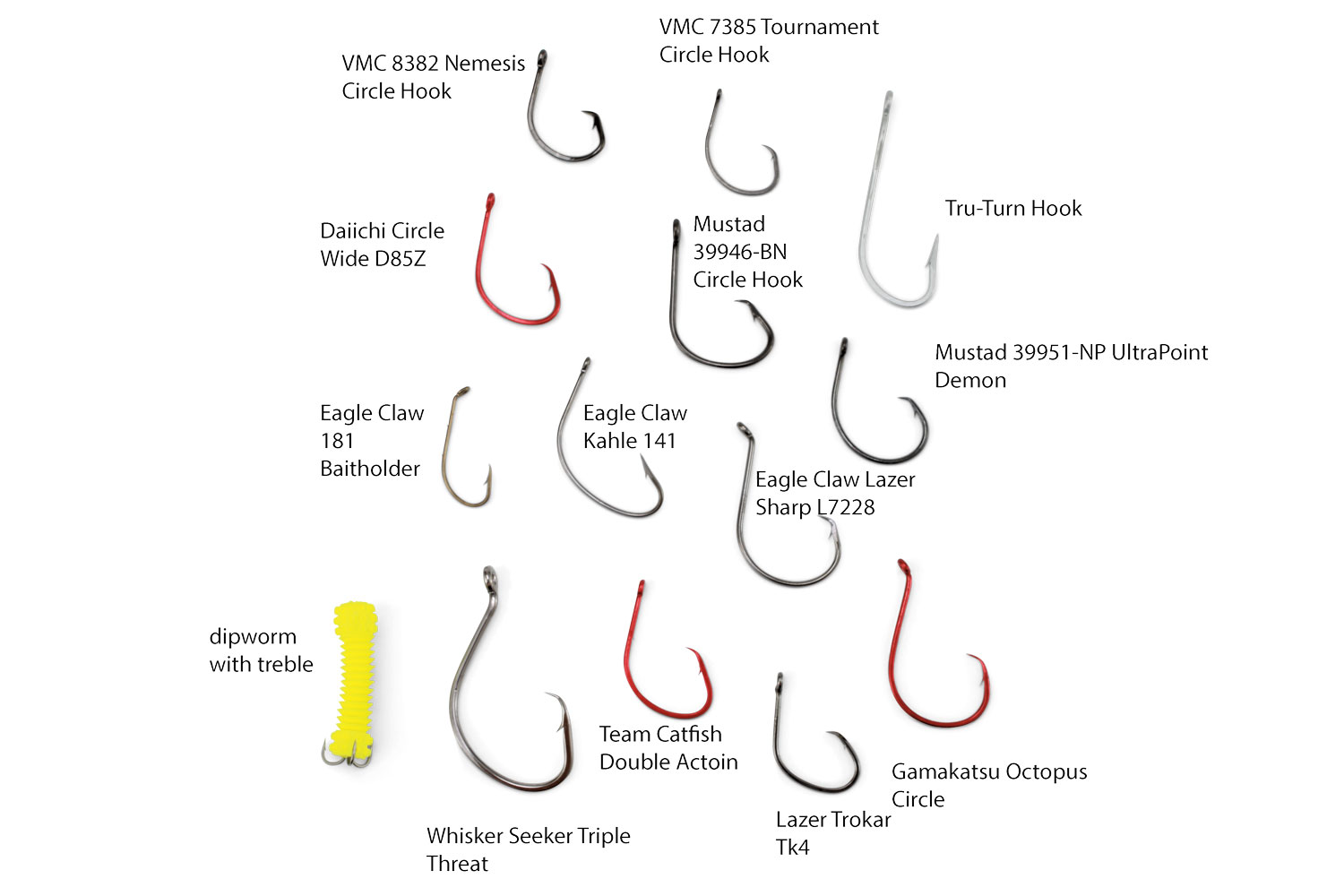
Hook size basics for catfish
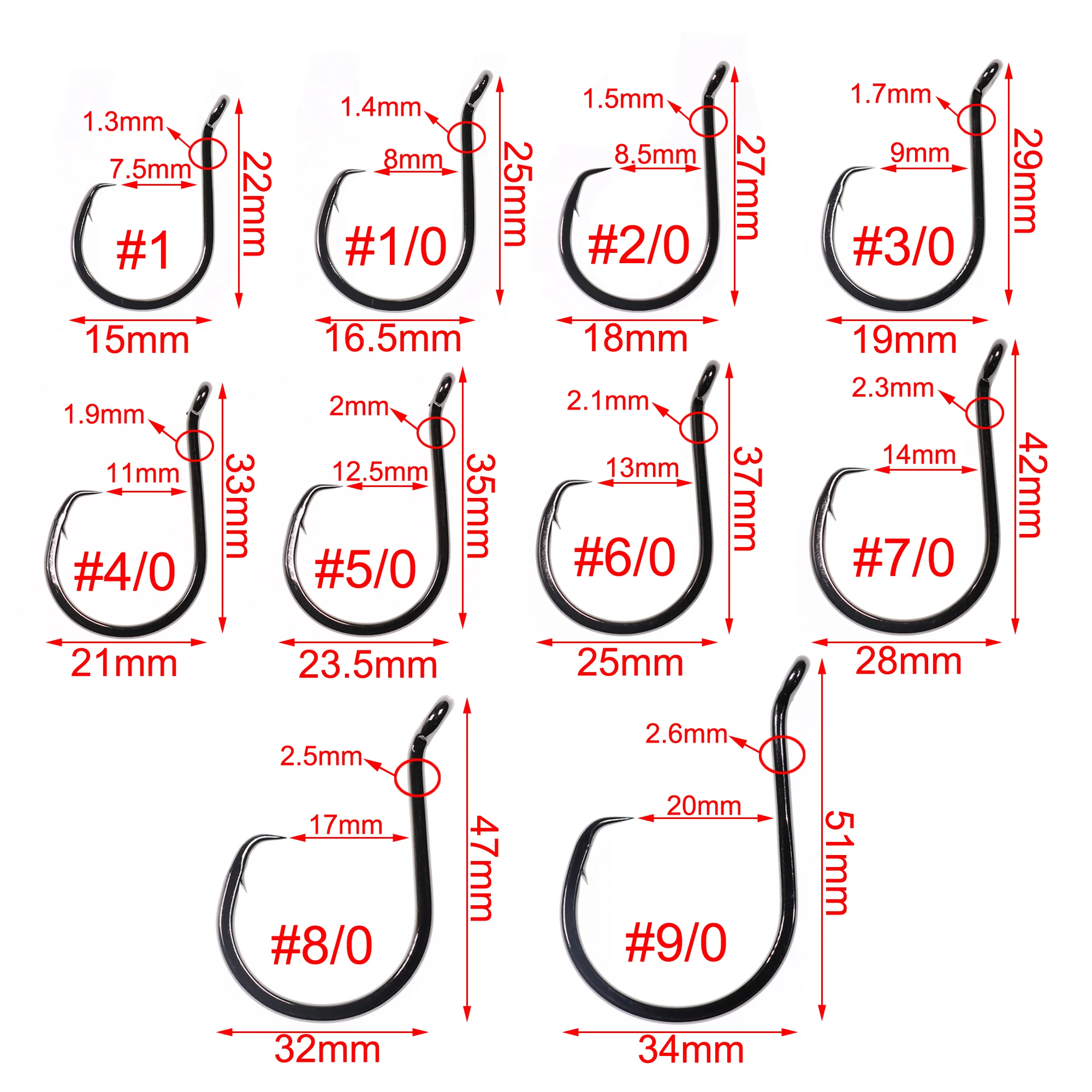
Hook size can look odd at first. Small numbers (#10 to #1) are small hooks. After #1, sizes shift to 1/0, 2/0, up to 12/0 and beyond, which get larger as the number goes up. For catfish, most anglers live between 2/0 and 10/0.
The most important metric is gap. The gap must be bigger than the thickness of your bait plus room for the jaw. If the gap is choked by bait, your hookup rate drops. As a rule, the bait should take no more than half the hook gap.
For quick picks, use this:
- Channel catfish with cut bait or worms: 2/0–5/0.
- Blue catfish with cut bait: 6/0–10/0.
- Flathead with live bait: 7/0–10/0.
- Dip or punch bait: treble size 4–6.
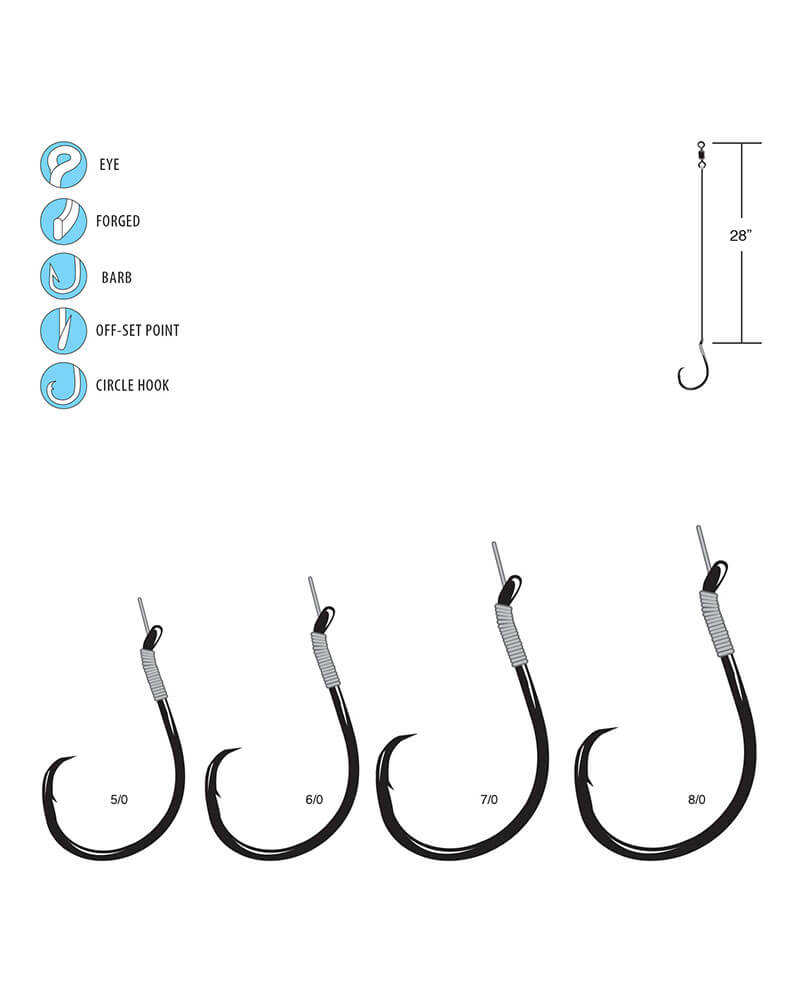
Best hook types for catfish and when to use them
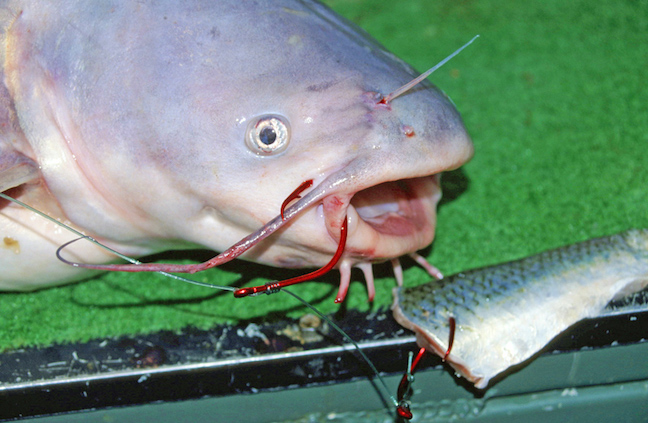
What size hook for catfish depends on the hook style too. Circle hooks, J hooks, and trebles each shine in a lane.
Circle hooks
- Why use: High corner-of-mouth hookups; less deep hooking.
- Best for: Cut bait, live bait, big blues and flatheads.
- Sizes: 4/0–8/0 for most fish; 9/0–10/0 for trophy-class baits.
- Tip: Do not set the hook with a hard snap. Just reel down and load the rod.
J hooks (octopus, kahle, or wide-gap)
- Why use: Good for active hooksets and lighter rigs.
- Best for: Channels, smaller baits, or when fish are short-striking.
- Sizes: 1/0–6/0 based on bait bulk.
- Tip: Use a firm, steady sweep to set.
Treble hooks
- Why use: Holds dip, punch, or sponge baits well.
- Best for: Channel cats in ponds, lakes, and slow rivers.
- Sizes: 4–6 for most dip baits; downsize to 6–8 in cold water.
- Tip: Use bait holders or spring coils to keep stink bait on longer.
What size hook for catfish by species and bait
If you want a fast answer to what size hook for catfish, match the species, bait style, and average fish size where you fish.
Channel catfish
- Worms, minnows, small cut bait: 2/0–3/0 circle or 1/0–3/0 J.
- Dip or punch bait: treble 4–6 on a slip or float rig.
- Notes: Channels often peck. Smaller, sharper hooks boost hookups.
Blue catfish
- Cut shad, skipjack, or big chunks: 6/0–10/0 circle.
- Head pieces or large fillets: 8/0–10/0 circle with heavy wire.
- Notes: Blues have big, bony mouths. Wide gaps help the point find purchase.
Flathead catfish
- Live bait (sunfish, suckers, bullheads): 7/0–10/0 circle or wide-gap J.
- Live bait placement: Through the back near the dorsal, or through the nose for current.
- Notes: Go heavier wire for live bait. You need strength to pull fish from cover.
Cold water or tough bite
- Downsize one step. For example, move from 8/0 to 6/0 circles.
- Sharpen and check points often. Cold-water fish are less aggressive.
Heavy current or big bait
- Upsize one step. Choose larger gaps to avoid clogging with bait.
- Use heavier wire to prevent bending during surges.

Rigs, placement, and technique that boost hookups
Your rig and hook placement matter as much as what size hook for catfish you pick.
Proven rigs
- Slip sinker rig: A classic for rivers and lakes. Pair with 4/0–10/0 circles based on bait size.
- Santee Cooper rig: Adds a float to lift bait off bottom. Great for blues with cut shad in 6/0–10/0 circles.
- Three-way rig: Holds bait in current seams. Use 6/0–10/0 circles for large chunks.
Hooking your bait
- Cut bait: Thread once through tough skin, then expose the point and most of the gap.
- Live bait: For circles, avoid skull plates. Go through nostrils or soft tissue behind the dorsal.
- Dip or punch bait: Use trebles with bait holders and dip fresh often.
Hookset and drag
- Circle hooks: Slow, steady reel-down until the rod loads. No snap set.
- J hooks: Smooth sweep. Avoid slack during the fight.
- Drag: Set to about one-third of line strength. Blues and flatheads surge hard.
Common mistakes and easy fixes
Most missed fish come from three errors, not from the wrong brand.
Hook too small
- Symptom: Short bites and stripped baits.
- Fix: Upsize one or two steps. Keep at least half the gap free of bait.
Gap blocked by bait
- Symptom: Fish on for a second, then gone.
- Fix: Reduce bait size or switch to a wider-gap model.
Wire too light
- Symptom: Bent hooks after a surge.
- Fix: Move to heavier wire or a stronger pattern with the same size.
Point too dull
- Symptom: Poor penetration on tough mouths.
- Fix: Touch up with a fine file. Test on a fingernail; it should catch.
Wrong style for the bite
- Symptom: Gut hooks or missed runs.
- Fix: Use circles for set-it-and-forget-it rigs. Use J hooks when you must drive the point.

Quick size guide for real conditions
Use this cheat sheet to answer what size hook for catfish on any water.
Small ponds and lakes
- Channels to 5 lb on dip bait: treble 6.
- Worms or small cut bait: 2/0–3/0 circle.
Medium rivers and reservoirs
- Mixed channels and small blues on cut bait: 4/0–6/0 circle.
- Live bait for flatheads under 20 lb: 7/0–8/0 circle or wide-gap J.
Big rivers and trophy water
- Cut shad heads or large chunks: 8/0–10/0 circle.
- Big live bait for flatheads: 8/0–10/0 heavy-wire circle.
Kids or new anglers
- Keep it simple: 3/0–4/0 circles with small cut bait.
- Let the rod load. No hard hooksets.
Testing, ethics, and regulations
Selecting what size hook for catfish is also about fish care. Circle hooks reduce deep-hooking rates compared to J hooks in both saltwater and freshwater research. That means better survival on release. Many tournaments also require circles because of this.
Before you fish, check local rules. Some waters require barbless hooks or ban trebles. A simple test day saves headaches. Bring 3–4 sizes of your chosen hook. Rotate until you see clean corner hookups and firm holds. Log water temp, bait, and hookup rates. Over time, your notes will point to the best what size hook for catfish for your home water.

Frequently Asked Questions of what size hook for catfish
What size hook for catfish with cut bait?
Use 4/0–6/0 circles for channels and 6/0–10/0 for blues. Keep the gap at least half clear of bait.
What size hook for catfish when using live bluegill?
Go 8/0–10/0 heavy-wire circles or wide-gap J hooks. Hook through the nose in current or behind the dorsal in still water.
What size hook for catfish in small ponds?
For channels under 5 lb, use 2/0–3/0 circles or treble 6 with dip bait. Small, sharp hooks hook light biters better.
What size hook for catfish in strong current?
Upsize to 7/0–10/0 circles with heavier wire. The larger gap resists bait clogging and grabs better on the take.
What size hook for catfish if I keep missing bites?
Downsize one step or switch styles. Try a 3/0–4/0 circle and reel down instead of snapping a hookset.
What size hook for catfish with stink bait?
Use treble size 4–6 with a bait holder or spring. Refresh the bait often to keep scent strong.
What size hook for catfish in winter?
Downsize slightly and sharpen often. Try 3/0–5/0 circles and smaller bait pieces for light strikes.
Conclusion
Pick your hook by species, bait bulk, and gap. For most trips, 3/0–5/0 covers channels, and 7/0–10/0 covers blues and flatheads. Keep the gap clear, use heavier wire for big baits, and let circle hooks do the work. That simple system answers what size hook for catfish in any season.
Put this guide to the test on your next trip. Pack two sizes up and one size down from your target. Track bites and hookups, then lock in your best performer. Want more gear breakdowns and rig tips? Subscribe, share your results, or leave a question below.