

Yes, catfish counts as seafood, even though most catfish species live in freshwater.
Curious minds often ask is catfish seafood, and the answer shapes diet, health, and menu choices. I study food systems and cook for a living, so I see how labels affect what we buy and eat. Stay with me, and I will unpack terms, nutrition, safety, and real tips you can use at home.
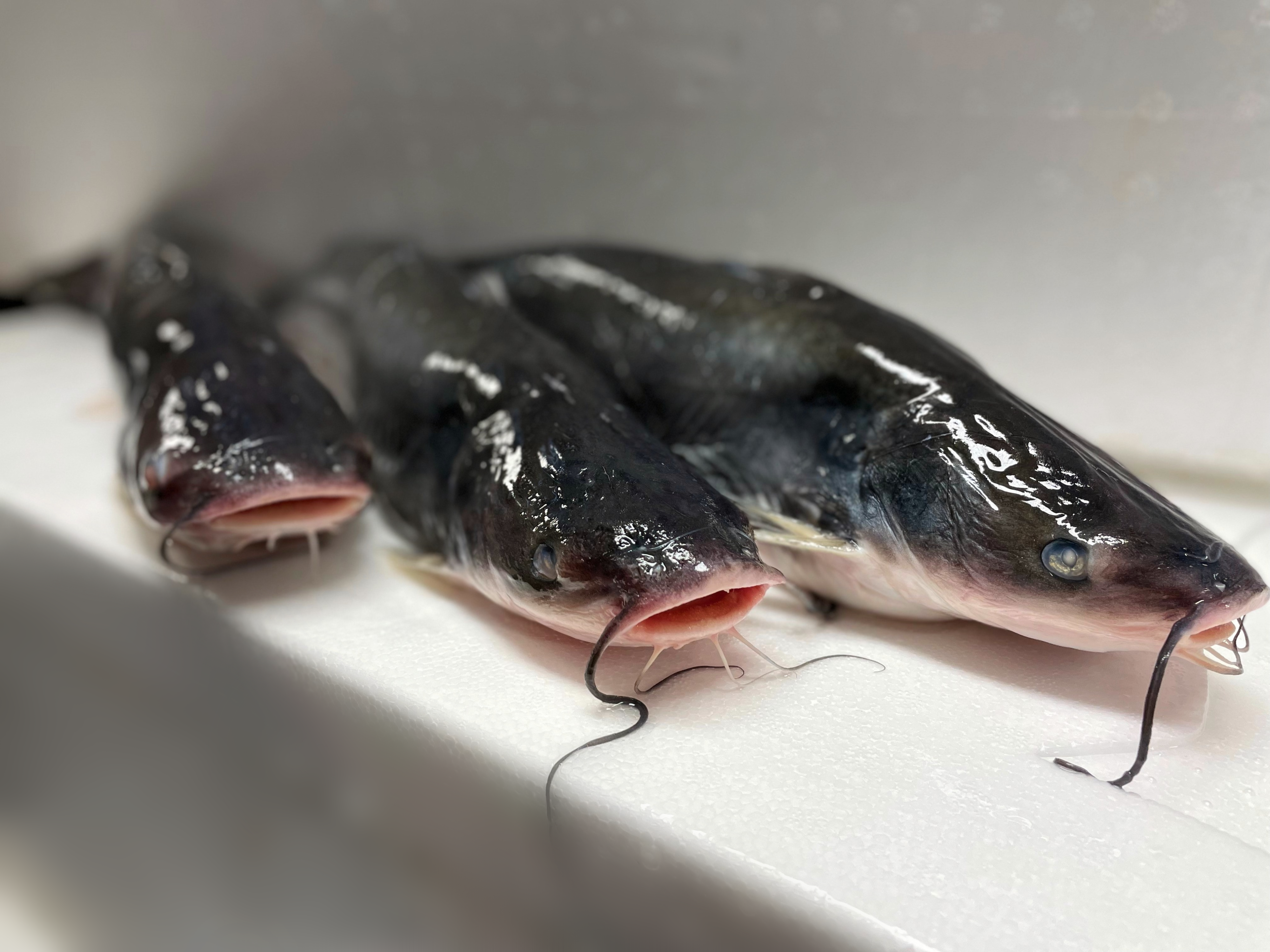
What “seafood” really means and where catfish fits?
The word seafood covers fish and shellfish eaten by people. In food rules and trade use, seafood includes fish from fresh and salt water. That means catfish fits the group even when it is farmed in ponds.
Many folks still ask, is catfish seafood, since it does not always come from the sea. The core point is this: seafood is a food group, not a map pin. In the U.S., guidance treats seafood as edible aquatic animals. That covers catfish, trout, salmon, shrimp, and many more.
I have seen this mix-up at markets and in kitchens. A guest once told me, “I do not eat seafood, but I do eat catfish.” I had to smile. If you ask is catfish seafood in a kitchen, pros will say yes. If you ask at a dock, they may say, “It is fish.” Both views can be true, but the food world lands on yes.
Use this rule of thumb:
- If it swims and we eat it, it likely counts as seafood.
- Fresh or salt water does not change that.
- Menus and diet guides group catfish under seafood.
So, is catfish seafood? Yes. Think of it as a member of the seafood family with its own style and taste.
:max_bytes(150000):strip_icc()/__opt__aboutcom__coeus__resources__content_migration__simply_recipes__uploads__2012__07__fried-catfish-vertical-a-1400-05a251842bf74e0e9194ebc5e0ae9901.jpg)
Catfish varieties: freshwater vs. saltwater
Most catfish that you see in U.S. stores are freshwater. Common types are channel, blue, and flathead. They have firm, mild flesh and do well with high heat. Some species live in brackish or salt water too, like many in the Ariidae family.
Key notes from the kitchen:
- Freshwater catfish tastes mild and sweet. It fries and blackens well.
- Marine catfish can taste fuller and a bit briny.
- Farmed catfish is steady in taste all year.
People ask, is catfish seafood, when they learn it is often freshwater. Yes, and both forms cook in similar ways. Pick fresh, firm fillets with a clean smell.

Nutrition and health benefits
Catfish offers lean protein and key micronutrients. A 3–4 ounce cooked portion gives about 15–20 grams of protein. It also provides vitamin B12, vitamin D, and selenium. Omega‑3 fats are lower than fatty fish like salmon, but still helpful.
What this means for you:
- Good for muscle health due to high protein.
- Supports brain and nerve function with B12.
- Lower fat makes it a light meal choice.
Is catfish seafood that fits a heart smart plan? Yes, when baked, grilled, or air fried. Most health guides list catfish among best choice fish. Many suggest two to three servings of low‑mercury seafood per week, and catfish fits that plan well.
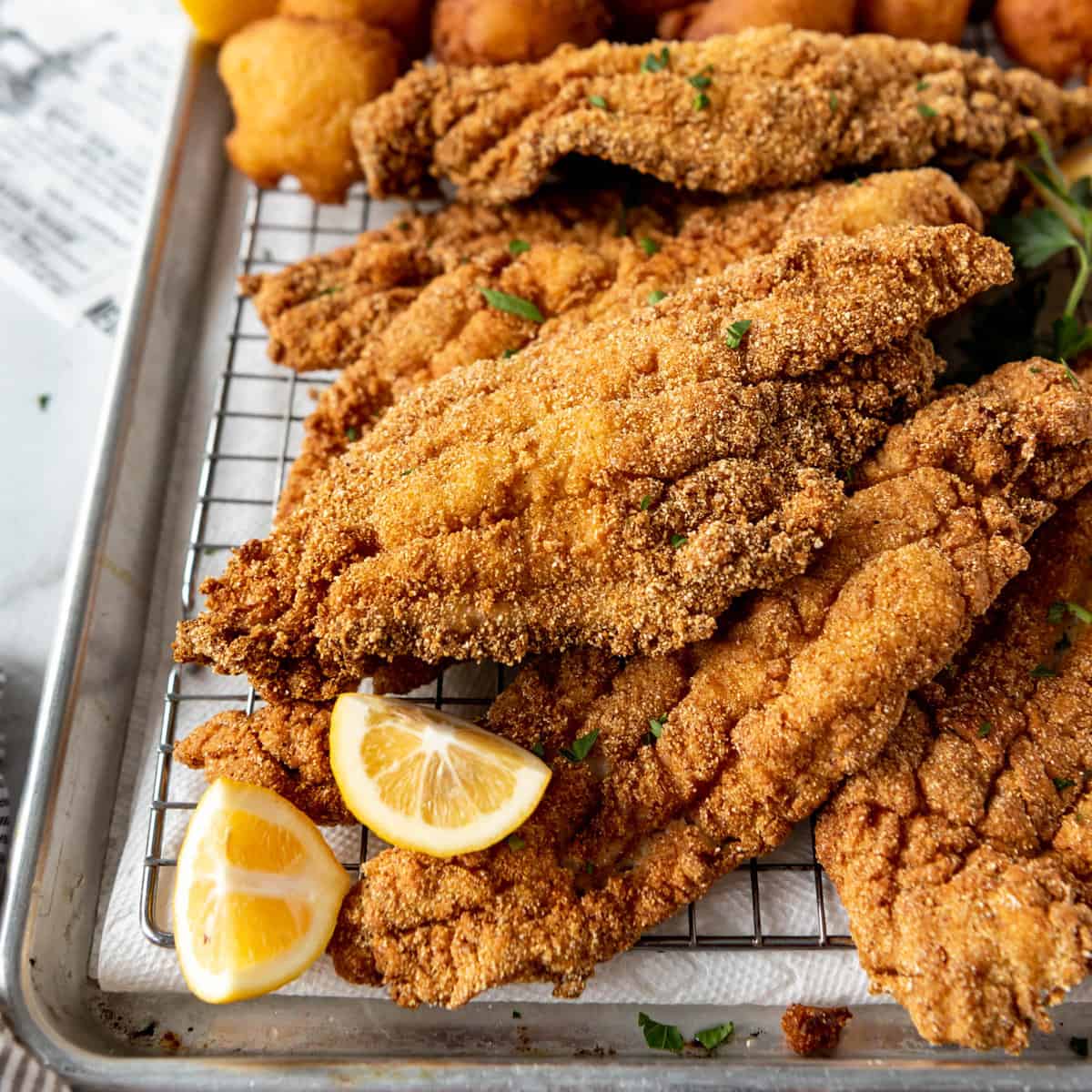
Sourcing, sustainability, and labeling
U.S. farmed catfish is a strong pick for steady quality and lower impact. The fish get a plant‑based feed and live in managed ponds. That helps keep off‑flavors low and traceability high.
Many markets also carry imported fish like swai or basa. These are close cousins in the same order and may show different names on labels.
What to check on a label:
- Country of origin and whether it is farmed or wild.
- Any third‑party seals such as ASC, BAP, or MSC.
- Fresh date, firm flesh, and a clean scent.
From a buyer’s view, is catfish seafood that you can trace? Yes, if you scan labels and ask questions. I like to buy from stores that can tell me the farm, feed type, and harvest date. That detail pays off on the plate.
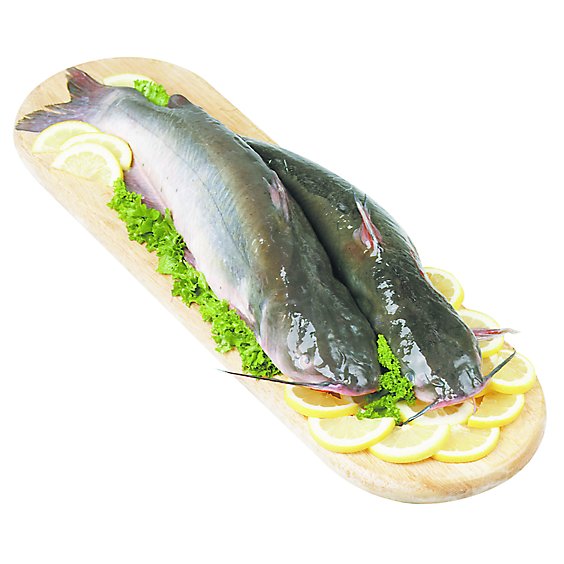
Cooking tips and flavor boosters
Catfish shines in simple, high‑heat methods. Its mild taste makes it a great blank slate. A quick brine or buttermilk soak keeps it juicy. A spice rub or cornmeal crust adds crunch and color.
Try these easy methods:
- Blackened: Coat with Cajun spice, sear in a hot cast‑iron pan.
- Oven‑baked: Brush with oil, add lemon and herbs, roast at 425°F.
- Air‑fried: Light oil, seasoned cornmeal, cook until crisp.
- Stewed: Simmer in tomato, peppers, and garlic for a light broth.
Food safety tip: Cook to 145°F internal temp until the flesh flakes. If you wonder, is catfish seafood that works with bold spice, the answer is yes. It loves heat, smoke, and citrus.
Safety, allergens, and contaminants
Catfish is a finfish allergen. That is not the same as shellfish allergy. People with any fish allergy should avoid it unless cleared by a clinician. Freshwater fish can carry parasites. Proper cooking solves that risk. Catfish is not a common raw fish choice.
On contaminants, farmed catfish tends to test low for mercury. It also shows low levels of some other pollutants due to feed controls and short life cycles.
Is catfish seafood safe for kids and people who are pregnant? Yes, in the right amounts. It is often listed as a best or good choice, two to three servings per week.
A note on taste: If you ever taste a muddy note, it may be from geosmin. A brief soak in milk or lemon water can help. I also trim the dark fat line before cooking.

Culture, language, and why the debate keeps going
The debate lives on because words shape how we think. Many people hear seafood and picture the ocean.
That image is strong, so they ask is catfish seafood even after they know the rule. Cuisine and faith traditions also add layers. In many places, fish is fine during fasts, and catfish counts.
You will see catfish at fish fries in the South, in spicy soups in West Africa, and as basa fillets in Southeast Asia. In all of these, it sits next to other seafood on the menu. So the kitchen world treats it as part of the same family.
Frequently Asked Questions of is catfish seafood
Is catfish considered seafood in restaurants?
Yes. Restaurants group catfish under seafood because it is an edible aquatic animal. You will find it listed with fish and shellfish on menus.
Are all catfish saltwater fish?
No. Most catfish are freshwater fish, though some species live in brackish or salt water. Either way, they are still part of seafood in food service and trade.
Is catfish safe during pregnancy?
Yes, in moderate amounts. Catfish is a low‑mercury fish and often listed as a best or good choice for two to three servings per week.
Does catfish taste fishy?
Catfish has a mild, sweet flavor when fresh and handled well. If it tastes muddy, a lemon or milk soak and proper trimming can help.
Is catfish high in mercury?
No. Farmed catfish usually has low mercury levels compared with larger predatory fish. This makes it a good option for regular meals.
Is swai the same as catfish?
Swai is a related fish often sold under its own name. It is in the same broader group and used like catfish, but labels may differ by country.
Why do people still ask is catfish seafood?
Many think seafood must come from the sea. In food rules, seafood includes fish from fresh and salt water, so catfish qualifies.
Conclusion
Catfish is seafood, plain and simple, and it earns that place with its taste, value, and nutrition. Buy smart, cook it hot, and season with bold, bright flavors. Your table will thank you.
Take what you learned here and try a new method this week, even if it is a simple oven bake with lemon. If you found this guide useful, share it, subscribe for more practical food tips, or leave a question so I can help you cook with confidence.