

Catfish is halal for most Sunni Muslims, but not for many Shia Muslims.
If you have wondered is catfish halal, you are not alone. I help diners, chefs, and small food brands make sound halal choices every day.
Here, I explain the rulings, the reasons, and the real-life steps to shop and cook with care. You will leave clear on is catfish halal, and how to decide for your home or business.
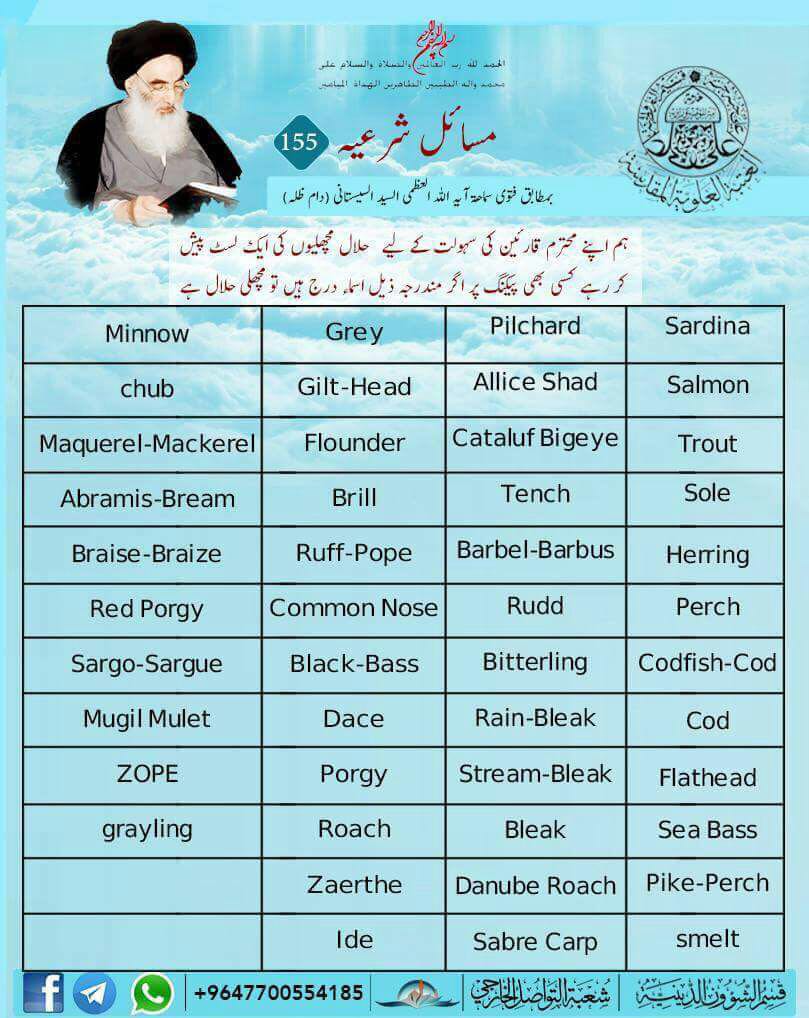
Source: islamic-laws.com
What Halal Means For Seafood?
Halal means what is allowed by God. For seafood, the rules are simpler than for land meat. Most Sunni scholars say fish are halal. Many Shia scholars allow only fish with scales.
Catfish are true fish. They live in water and have whiskers, not scales. That detail shapes the ruling in some schools. This is why many people ask, is catfish halal.
Fish do not need slaughter like beef or chicken. The key is that the fish is taken from the water alive and then dies. Avoid fish found dead and floating, as many jurists do not allow it. These basics also guide the question, is catfish halal, in daily life.

Is Catfish Halal Across Islamic Schools?
Hanafi (Sunni)
Hanafi scholars permit all true fish. Catfish are fish, so they are halal. Some advise care with fish from dirty water or that feed on filth. If smell or taste is off, avoid it until it clears.
Shafi’i (Sunni)
Shafi’i scholars allow sea animals unless they are harmful or poisonous. Catfish are safe to eat and thus halal. This school gives a clear yes to is catfish halal.
Maliki (Sunni)
Maliki scholars also allow most sea life. Catfish fall within what is allowed. Many Malikis eat catfish with no issue.
Hanbali (Sunni)
Hanbali views are close to Shafi’i. Catfish are halal in this school. The focus is on safety and lack of harm.
Ja’fari (Shia)
Ja’fari scholars allow only fish with visible scales. Catfish have no scales, so they are not halal in this school. If you follow Ja’fari fiqh, the answer to is catfish halal is no.
Across schools, local custom and health also matter. If you are still unsure, ask a scholar you trust. This helps you answer is catfish halal for your own family with peace of mind.
Nutrition, Safety, and Ethics Of Catfish
Catfish is a lean source of protein. It has B vitamins, selenium, and some omega-3s. It is mild, so kids and new fish eaters like it.
Farmed channel catfish often have low mercury. Many farms use clean feed and tested ponds. This fits the goal of tayyib food, which means pure and good.
Sourcing matters. Choose fish from clean water and trusted farms. This keeps both health and faith in balance. Many readers link these steps with the key ask, is catfish halal, in a broad, wholesome sense.
How To Buy, Handle, and Cook Catfish The Halal Way
- Know your school. If you are Sunni, catfish is generally halal. If you are Ja’fari Shia, do not eat catfish.
- Pick trusted suppliers. Look for halal-aware markets or labels. Ask clear questions.
- Avoid cross-contact. Do not use shared oil with pork, shrimp, or alcohol-battered foods. Ask restaurants if fryers are shared.
- Check signs of freshness. The flesh should be firm. It should smell like clean water, not ammonia.
- Catch and death rules. Fish do not need zabiha. Choose fish that were alive when taken from water, not floating dead.
- Cook with care. Do not use wine or beer in marinades or sauces. Keep tools and boards just for halal foods.
- For restaurants. Train staff on oil, tools, and labels. Note the school view on menus when guests ask is catfish halal.
From my work with a small cafe, one fix changed everything. We moved catfish to a dedicated fryer and logged oil changes. Guests stopped asking is catfish halal at that spot, because the process spoke for itself.

Common Myths About Catfish And Halal
- Myth: Catfish is haram because it has no scales. Fact: That is true only in Ja’fari fiqh. Most Sunni schools still allow it.
- Myth: Catfish is haram since it is a bottom feeder. Fact: Being a bottom feeder does not make it haram. Clean water and good feed matter more.
- Myth: Farmed catfish are fed pork. Fact: Reputable farms use plant or fish-based feed. Ask for specs if you worry.
- Myth: Fish need halal slaughter. Fact: Fish are halal by nature when caught alive, then die outside water.
- Myth: Is catfish halal only if wild? Fact: No. Both farmed and wild are fine if other rules are met.
A Simple Decision Guide: Is Catfish Halal For You?
- Step 1: Name your school or ask your imam. This will answer most of is catfish halal at once.
- Step 2: Check the source. Farmed or wild, make sure it is clean and safe.
- Step 3: Review handling. No shared oil, no alcohol in cooking, no cross-contact.
- Step 4: Taste and smell check. If off, skip it. Halal also means wholesome.
- Step 5: If hosting mixed guests, label it. Say which school view you follow on is catfish halal.
- Step 6: Keep records if you run a kitchen. It helps staff give a clear yes when guests ask, is catfish halal here.
I have seen this plan work in many kitchens. It turns is catfish halal from doubt into a calm, simple yes or no based on your path.
Frequently Asked Questions of is catfish halal
Is catfish halal in the Hanafi school?
Yes. Hanafis allow all true fish, and catfish are fish. Check water quality and handling for wholesomeness.
Is catfish halal in Shia (Ja’fari) fiqh?
No. Ja’fari rulings require fish with visible scales. Catfish have no scales, so they are not halal.
Do fish need halal slaughter like beef or chicken?
No. Fish are halal when taken from the water alive and then die. Many jurists do not allow fish found dead and floating.
What if catfish feed on waste or live in dirty water?
If the taste or smell shows impurity, avoid it. Many scholars advise waiting until the fish is clean and its odor normal.
Is farmed catfish halal?
Yes for most Sunnis, if the feed and water are clean and safe. For Ja’fari followers, it is still not halal due to no scales.
Can restaurants serve catfish in shared fryers?
Shared oil with non-halal items can be a problem. Use dedicated oil and tools to keep the fish clearly halal.
Conclusion
Most Sunnis can enjoy catfish with confidence, while many Shia followers should avoid it due to the scale rule. Focus on clean sources, careful handling, and clear labels, and you will honor both halal and tayyib.
Use the steps here to set a household or kitchen policy today. If you still wonder is catfish halal for your case, speak with a local scholar and choose with peace. Share your question or experience below, and subscribe for more guides on halal living.