

Yes—catfish is a nutritious, budget-friendly fish with a mild, versatile flavor.
If you have wondered is catfish good for everyday meals, you are in the right place. I work at the crossroads of culinary practice and nutrition research.
I will show you what makes catfish a smart choice, how to buy it well, cook it safely, and enjoy it with confidence. Expect clear facts, simple tips, and real kitchen insight.
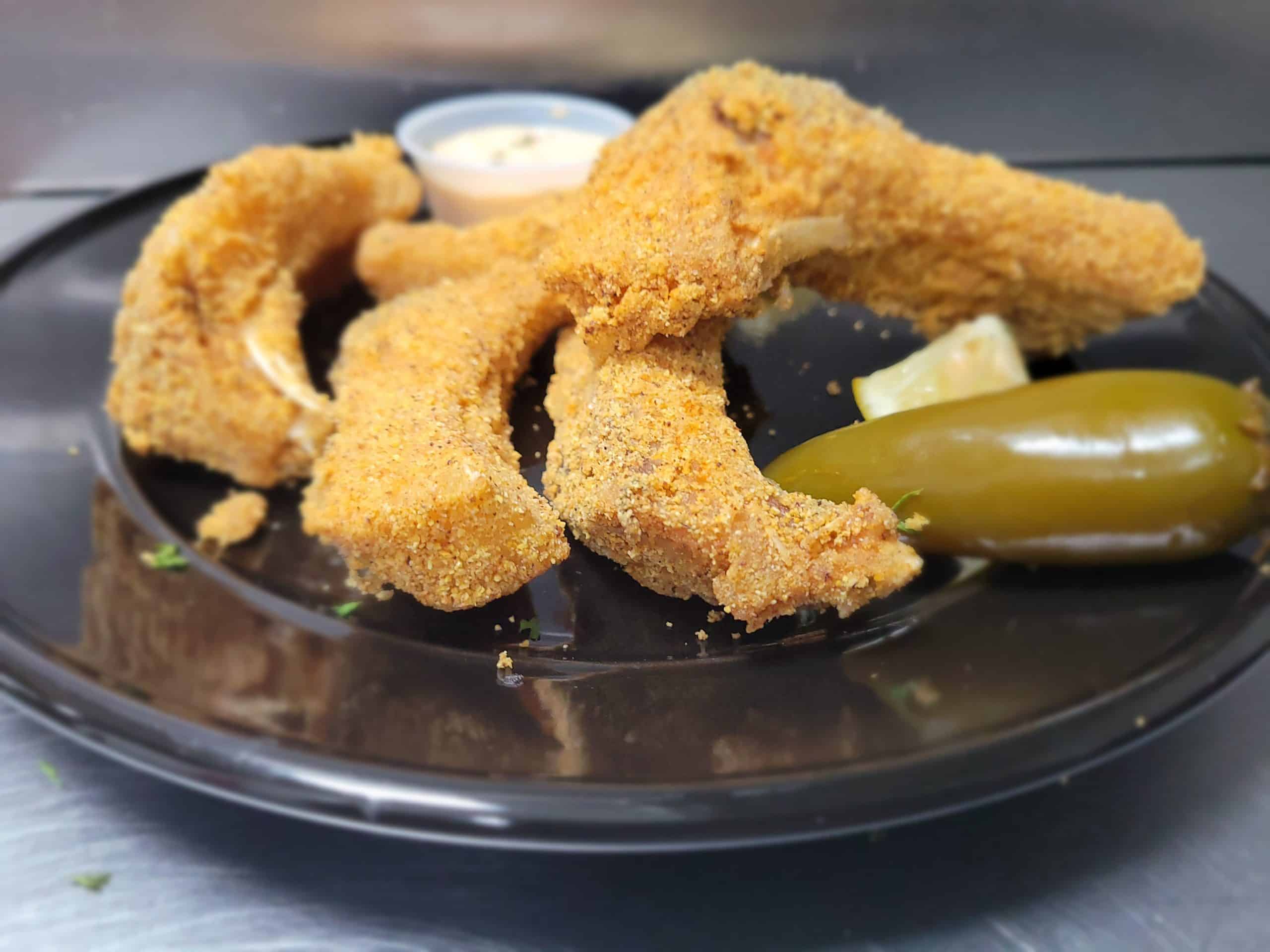
Is catfish good for your health? A nutritional snapshot
Catfish is lean, high in protein, and low in mercury. A typical 3.5-ounce cooked serving offers about 18–20 grams of protein and roughly 100–150 calories. Fat is modest and varies by source. Omega-3s are present, though lower than fatty fish like salmon.
Key nutrients found in catfish include:
- Vitamin B12 for nerve health and energy support.
- Selenium for antioxidant defense and thyroid function.
- Phosphorus for bones and teeth.
- Potassium for heart and muscle function.
USDA data show catfish provides solid protein per calorie. It keeps you full without a heavy calorie load. If you ask is catfish good for a balanced diet, the numbers say yes.

Health benefits you can feel
Catfish supports heart health when cooked with little added fat. It also pairs well with high-fiber sides like greens or beans, which helps blood sugar control. The protein helps muscle repair, which is useful for active people and older adults.
What stands out about catfish:
- It is a low-mercury fish. FDA and EPA list it among the Best Choices.
- It fits many goals, from weight loss to high-protein diets.
- It is gentle on the palate, so kids tend to accept it.
Is catfish good for simple, healthy dinners? Yes, especially when baked, broiled, grilled, or air-fried.
Risks, myths, and how to avoid them
You may hear that catfish is a “bottom feeder,” so it must be dirty. That is a myth when you buy from trusted sources. U.S.-farmed catfish are raised in controlled ponds with strict feed and water rules. Oversight limits contaminants and antibiotics.
Keep these points in mind:
- Imported fish can vary in quality. Look for Product of USA or trusted certifications.
- Allergies to fish can occur. If you react to other fish, use caution and speak to your clinician.
- Frying in old oil adds calories and harmful compounds. Aim for baking, grilling, or air-frying.
- Off or “muddy” flavors come from natural compounds like geosmin. Trim the dark strip, rinse well, and soak in milk for 20 minutes to reduce it.
So, is catfish good when you manage these risks? Yes. Buy smart, handle with care, and cook with clean heat.
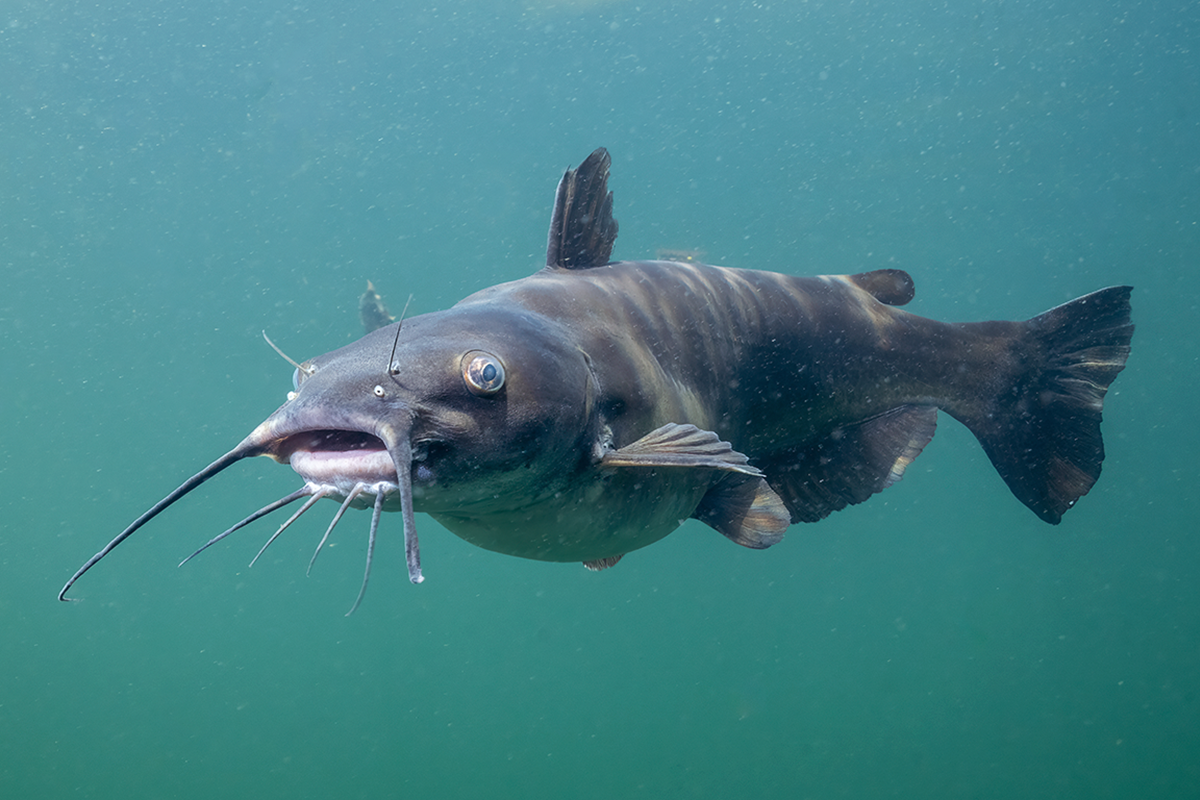
Choosing the right catfish: farmed, wild, and labels
For most buyers, U.S.-farmed channel catfish is the best choice. It is consistent, affordable, and inspected under federal rules for Siluriformes.
Labels to look for include Product of USA and certifications such as BAP or ASC. These point to audited farms and traceable supply chains.
Other options:
- Wild blue catfish from the U.S. Mid-Atlantic is a flavorful, firm choice. It also helps control an invasive species.
- Pangasius (basa or swai) is often sold alongside catfish. It is a different species with similar uses. Quality varies by producer.
Is catfish good from a sustainability angle? U.S.-farmed and responsibly harvested wild options are strong picks.
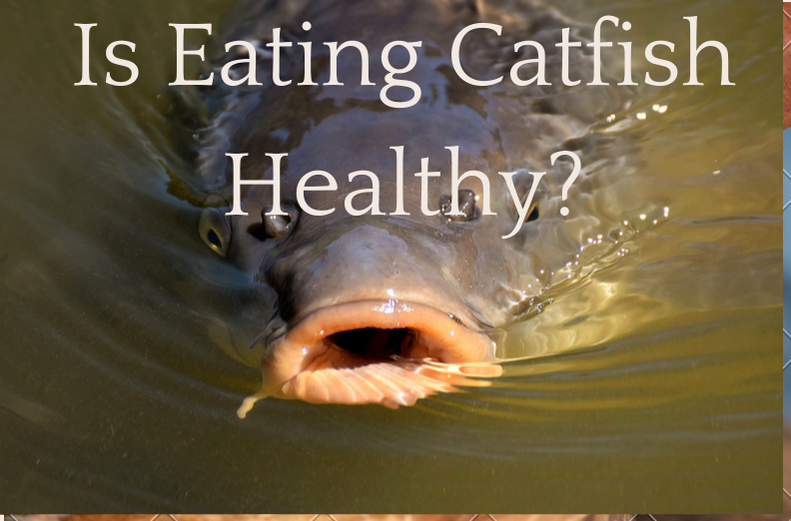
Taste and cooking: make catfish shine
Catfish has a mild, sweet flavor and a tender, flaky bite. It takes well to bold spices and fast heat. Aim for an internal temperature of 145°F, then rest for a minute.
Easy ways to cook:
- Blackened: Coat with Cajun spice, sear in a hot cast-iron pan, finish in the oven.
- Oven-baked: Brush with olive oil, lemon, garlic, and paprika. Bake at 400°F for 12–15 minutes.
- Air-fried: Light coat of oil and cornmeal. Cook at 390°F for 10–12 minutes, flipping once.
- Poached: Simmer in tomato broth with onions and peppers for a light stew.
My kitchen tip: trim the thin dark line on the fillet for a cleaner taste. Pat dry before seasoning. If you wonder is catfish good for quick weeknight meals, these methods deliver.

Who should eat it and how often?
Most people can enjoy fish two to three times a week. Catfish fits this guidance well due to low mercury and good protein. For pregnant people and children, FDA Best Choices include catfish, which supports safe variety.
Good fits:
- Weight loss and glucose control: lean protein helps steady hunger.
- Athletes: protein supports recovery without heavy fat.
- Heart health: bake or grill, and pair with vegetables and whole grains.
- Keto or low-carb: catfish works well due to its lean profile.
Be mindful if you have a fish allergy, need a low-sodium diet, or face specific medical issues. Ask your clinician for personal advice. If you ask is catfish good for everyday health, the answer is yes when cooked with care.

Buying, storage, and food safety
Fresh catfish should smell clean and like the sea, not sour or “fishy.” Flesh should look moist and spring back when pressed. Frozen fillets should be solid with no ice burn.
Follow these steps:
- Store fresh catfish in the coldest part of your fridge and use within 1–2 days.
- Freeze for up to 2–3 months for best quality. Wrap tightly to prevent freezer burn.
- Thaw in the fridge overnight or under cold running water in a sealed bag.
- Cook to 145°F. The flesh should be opaque and flake with a fork.
- Keep raw fish away from ready-to-eat foods to avoid cross-contamination.
From a safety standpoint, is catfish good to keep on hand? Yes, if you store it cold, thaw it right, and cook it through.
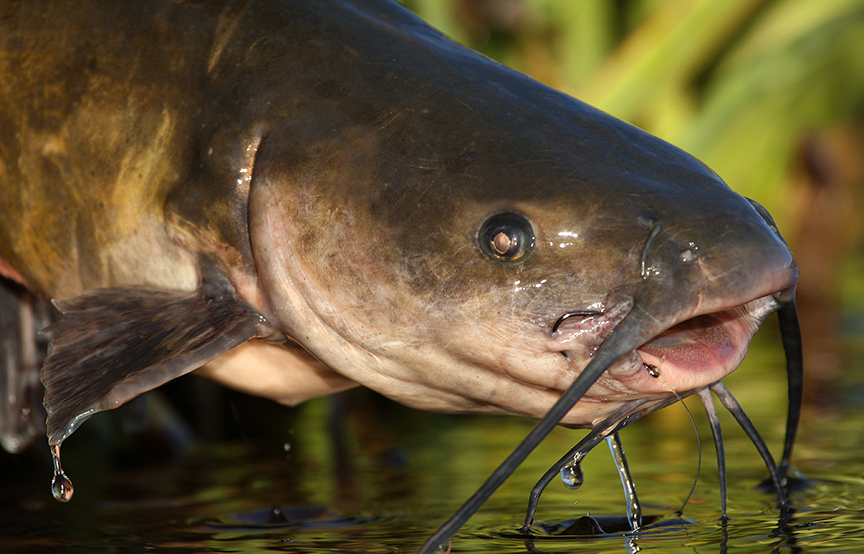
Practical ways to enjoy catfish any night
Make catfish the anchor of a balanced plate. It cooks fast, so your sides should be simple too. Keep herbs, lemon, and pantry spices close at hand.
Ideas to try:
- Blackened catfish with cucumber-tomato salad and brown rice.
- Baked lemon-garlic catfish with roasted broccoli and sweet potatoes.
- Air-fried cornmeal catfish with slaw and a yogurt-dill sauce.
- Catfish tacos with cabbage, avocado, and salsa verde.
From my own tests, U.S.-farmed fillets taste clean and cook evenly. The fish holds spice blends well, which helps picky eaters. If you still wonder is catfish good for flavor, try blackening once and see the difference.
Frequently Asked Questions of is catfish good
Is catfish good for weight loss?
Yes. It is high in protein and modest in calories, which helps you feel full. Bake or grill it to keep calories low.
Is catfish good during pregnancy?
Yes, in moderate portions. Catfish is a low-mercury choice, which makes it safe within FDA weekly limits.
Is catfish good compared to tilapia?
They are similar in protein and mild taste. Catfish tends to be a bit firmer and takes spice very well.
Is catfish good to eat raw?
No. Eat it fully cooked to 145°F to reduce the risk of foodborne illness. Save raw preparations for fish graded and handled for sushi.
Is catfish good for high cholesterol?
It can fit a heart-smart plan when baked or grilled. Avoid heavy frying and pair with vegetables and whole grains.
Is catfish good for meal prep?
Yes. Cooked fillets keep well for 2–3 days in the fridge. Reheat gently to avoid drying out.
Conclusion
Catfish is a smart, affordable fish with a mild flavor and solid nutrition. It is low in mercury, high in protein, and easy to cook in minutes. The key is to buy from trusted sources, handle it cold, and favor clean cooking methods.
Make one change this week: swap a fried dish for baked or blackened catfish. Track how you feel after a few meals. If this guide helped, share it, subscribe for more kitchen-smart nutrition tips, or leave a comment with your favorite catfish recipe.