

For most bass, use a 2500–3000 spinning reel or a 100–150 baitcaster.
Choosing what size reel for bass fishing shapes how far you cast, how well you control fish, and how your rod feels in hand. I’ve spent years dialing in sizes across lakes, rivers, and thick grass.
This guide breaks down what size reel for bass fishing works best for each technique, line, and condition. If you want clean advice with real examples, keep reading.
How Reel Sizing Works?
Reel sizes are not universal, but most brands follow similar ranges. Spinning reels use a 1000–4000 scale, while baitcasters use 70–200. Bigger sizes hold more line and have stronger drags, but they add weight.
Spinning sizes often go like this: 1000 is ultra finesse, 2500–3000 is all‑around, and 4000 is power. Baitcaster numbers point to spool size and frame width. A 100–150 baitcaster is the sweet spot for bass.
The right choice depends on line diameter, lure weight, and cover. When in doubt, balance the reel to your rod and your main bait style. That is the core of what size reel for bass fishing you should pick.

Best Spinning Reel Size for Bass
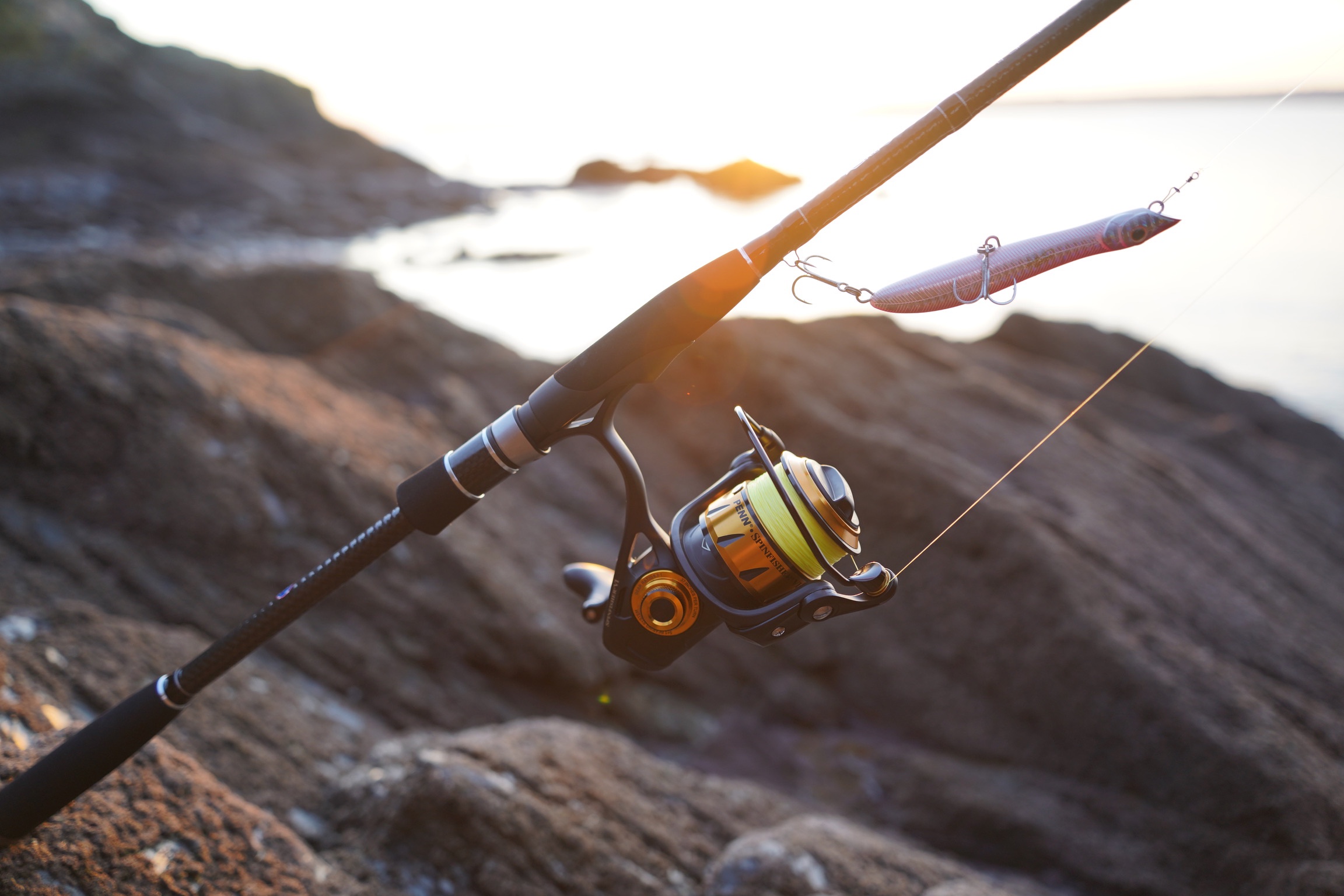
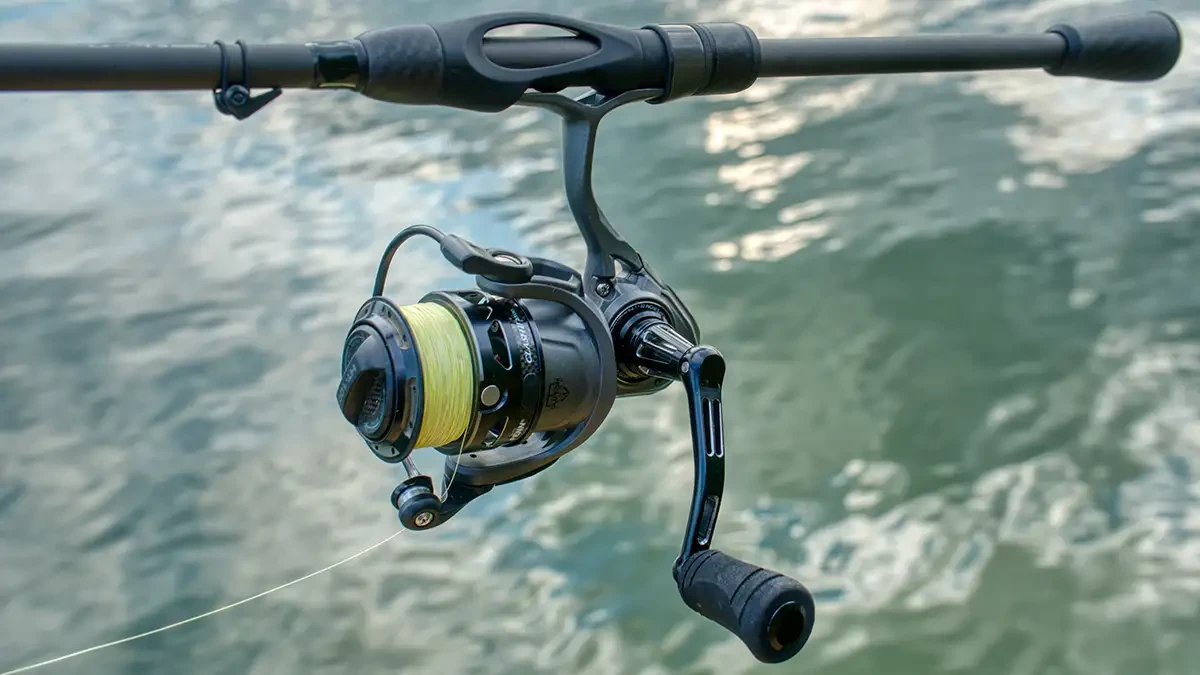
For most bass tactics, a 2500 or 3000 spinning reel is ideal. It balances well on a 6’10” to 7’2” medium rod and handles braid to leader with ease. Go 2500 for finesse and 3000 for a bit more power and line pickup.
Use a 2000 or 2500 for drop shots, Ned rigs, shaky heads, and small swimbaits. Step up to a 3000 for tubes, light jerkbaits, and long cast hair jigs in wind. A 4000 is rare but useful for heavy current or deep, long-range casts.
From experience, a 2500 with 10–15 lb braid to an 8 lb leader covers 80% of my spinning needs. It answers what size reel for bass fishing makes sense when you want control, distance, and sensitivity.
Best Baitcaster Size for Bass
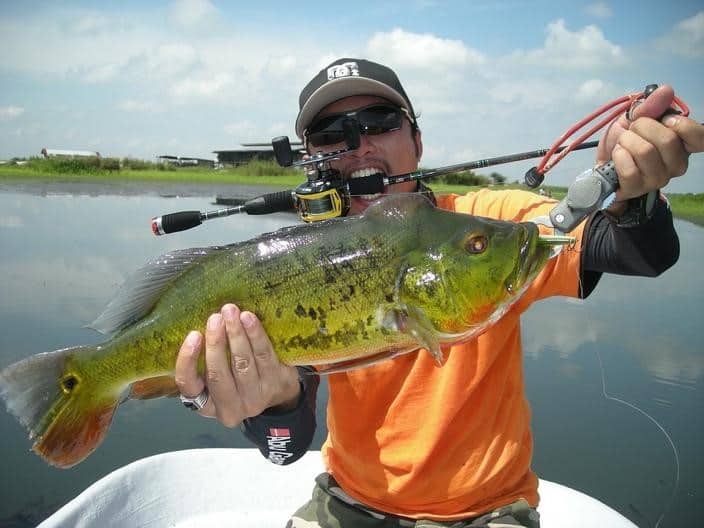
A 100–150 size baitcaster suits most bass lures. It palms well, casts clean, and has enough drag for jigs, Texas rigs, and spinnerbaits. Match it with a 7’ to 7’3” medium-heavy rod for a great daily combo.
Choose a 70–80 size only for finesse baitcasting with light braid or BFS style baits. Use a 200 size for big swimbaits, A-rigs, or heavy frogging in matted grass. Larger spools help with thick 50–65 lb braid and long casts.
My rule on what size reel for bass fishing with a baitcaster is simple. If the lure weighs 3/8 to 3/4 ounce, a 150 is home base. If you throw an ounce or more often, a 200 saves headaches and gears.
Gear Ratio, Drag, and Spool Capacity
Gear ratio is how fast the reel picks up line. But inches per turn also matters, and it changes as the spool fills. Pick speed by technique, not just by the number on the box.
- 6.3:1 to 7.2:1 for all-around moving baits and jigs. Clean pickup without too much slack.
- 5.1:1 to 6.1:1 for deep cranks and big resistance baits. Keeps torque and feel.
- 7.5:1 to 8.5:1 for flipping, frogging, and topwater work. Fast line control and hook sets.
Drag needs to match line and cover. Spinning reels with smooth 12–15 lb drag are great for finesse. Baitcasters with 14–20 lb max drag help winch fish from grass and wood.
Capacity should suit the job. Aim for 120–150 yards of your main line. Keep the spool full to about 1/16 inch below the lip. That ensures casting distance and steady retrieve speed.

Line Choice and What Size Reel for Bass Fishing
Line and reel size go hand in hand. Thicker line eats capacity and needs a larger spool. Thinner line casts farther but needs a careful drag and rod choice.
- Spinning: 10–15 lb braid with a 6–10 lb fluoro leader on a 2500 or 3000. Great for finesse.
- Baitcaster: 12–17 lb fluoro for jigs, Texas rigs, and chatterbaits on a 100–150. Clean bites and abrasion control.
- Heavy cover: 40–65 lb braid on a 150–200 for frogs, punching, and big hooks.
If you wonder what size reel for bass fishing with 15 lb fluoro, lean toward a 150 baitcaster. Throwing big swimbaits on 20–25 lb mono or 65 lb braid? Go 200. The line tells you the reel.

Matching Reel Size to Rod and Technique
Your setup should feel like one piece. A balanced rod and reel reduce fatigue, improve accuracy, and boost hook sets. If the tip dips or the handle feels heavy, change one side.
- 7’ medium spinning rod with a 2500: drop shot, Ned rig, light swimbaits.
- 7’ to 7’3” medium-heavy baitcaster with a 150: jigs, Texas rigs, chatterbaits.
- 7’3” to 7’6” heavy baitcaster with a 200: frogs, punching, big single-hook baits.
Watch ergonomic fit too. A 150 size baitcaster palms nicer for small hands. A 3000 spinning balances longer rods. This is a big part of what size reel for bass fishing most people overlook.
Situational Guide: Lakes, Rivers, Cover, Bank vs. Boat
Conditions change your choice fast. Think about wind, water clarity, and how far you must cast. Also factor in how much room you have to fight fish.
- Clear lakes and light baits: 2500 spinning with braid to leader for long casts.
- Rivers and current: 3000 spinning or 150 baitcaster for stronger pickup and control.
- Heavy grass and wood: 150–200 baitcaster with strong drag and heavier line.
- Bank or kayak: one do-it-all combo helps. A 2500 spinning or 150 baitcaster covers most days.
This checklist makes what size reel for bass fishing a practical call, not a guess. Choose for the real spots you fish, not a catalog.
Budget, Reliability, and Maintenance
You do not need a $400 reel to catch bass. But you want smooth drag, steady tolerances, and proven frames. Mid-range reels today are excellent and last with care.
- Budget picks: Choose reels with sealed drags and solid frames. Avoid ultra-cheap soft gears.
- Mid-range wins: Many $100–$250 reels offer great value, strong drags, and good bearings.
- Care tips: Back your braid with mono, clean line rollers and levelwinds, and add a drop of oil to bearings a few times a season.
I have tested setups from entry to high-end. The best answer to what size reel for bass fishing on a budget is to buy the right size first. Features matter less than fit to your water and lures.
Common Mistakes to Avoid
Small errors with size hurt casting and hook sets. Fixing them makes a big jump in results. Learn from these simple missteps.
- Oversizing the reel for the rod. It ruins balance and feel.
- Underfilling the spool. You lose distance and speed.
- Using heavy line on small spools. It kills capacity and creates wind knots.
- Picking the wrong gear ratio for cranks or frogs. Match speed to the bait.
- Ignoring drag. Set it to 25–30% of line strength and test it.
These points settle what size reel for bass fishing you should buy next. Get the core right, then upgrade as you grow.
Sample Setups and My Favorites
These are proven, easy-to-cast builds that I trust. They cover most lakes and rivers. Tweak line and gear ratio for your local cover and baits.
- Finesse spinning all-around
- 2500 reel, 6’10”–7’ medium fast rod
- 10 lb braid to 8 lb fluoro leader
- Drop shots, Ned rigs, small swimbaits
- Power moving baitcaster
- 150 reel, 7.1:1, 7’2” medium-heavy rod
- 15 lb fluorocarbon
- Chatterbaits, spinnerbaits, swim jigs
- Heavy cover frog and punch
- 200 reel, 8.1:1, 7’4” heavy fast rod
- 50–65 lb braid
- Frogs, punching, big single-hook baits
These examples show what size reel for bass fishing pairs well with each lane of tactics. Start with one lane, then add the others as needed.
Frequently Asked Questions of what size reel for bass fishing
Is a 2500 or 3000 spinning reel better for bass?
Both work. Pick 2500 for finesse and 3000 for more line pickup and wind control.
Is a 150 baitcaster enough for heavy cover?
Yes for most grass. If you throw big frogs or punch thick mats often, a 200 adds torque and capacity.
What gear ratio should I pick for jigs and Texas rigs?
A 7.1:1 is a great all-around choice. It picks up slack fast and drives hooks home.
Can I use a 4000 spinning reel for bass?
You can, but it is bigger and heavier. Use it for long casts in wind or heavy current if needed.
What line fits best on a 2500 spinning reel?
Use 10–15 lb braid with a 6–10 lb fluoro leader. It casts far, stays sensitive, and manages well.
How much line should I put on my reel?
Fill the spool to about 1/16 inch below the lip. That keeps casts long and helps steady retrieve speed.
Will a 70 size baitcaster throw light baits better?
It can with light braid and fine-tuned brakes. But for most anglers, a 100–150 is more forgiving.
Conclusion
The simple answer is steady. For most bass fishing, a 2500–3000 spinning reel or a 100–150 baitcaster covers the work. Step down for finesse and up to a 200 for heavy cover or big baits.
Use your lures, line, and water to guide the call. That is how to decide what size reel for bass fishing with confidence.
Try one of the sample setups this week, note how it feels, and refine from there. If this helped, share it with a friend, subscribe for more gear guides, or drop your question in the comments.