

People love bass fishing for the hard strikes, easy access, and steady excitement.
There is a clear reason why do people like fishing bass so much: the action is close, the learning never ends, and the fish are everywhere.
I have chased largemouth and smallmouth for years, from tiny ponds to big rivers, and the pull still feels new. In this guide, I will unpack the appeal, share field-tested tips, and explain what keeps anglers coming back, season after season.
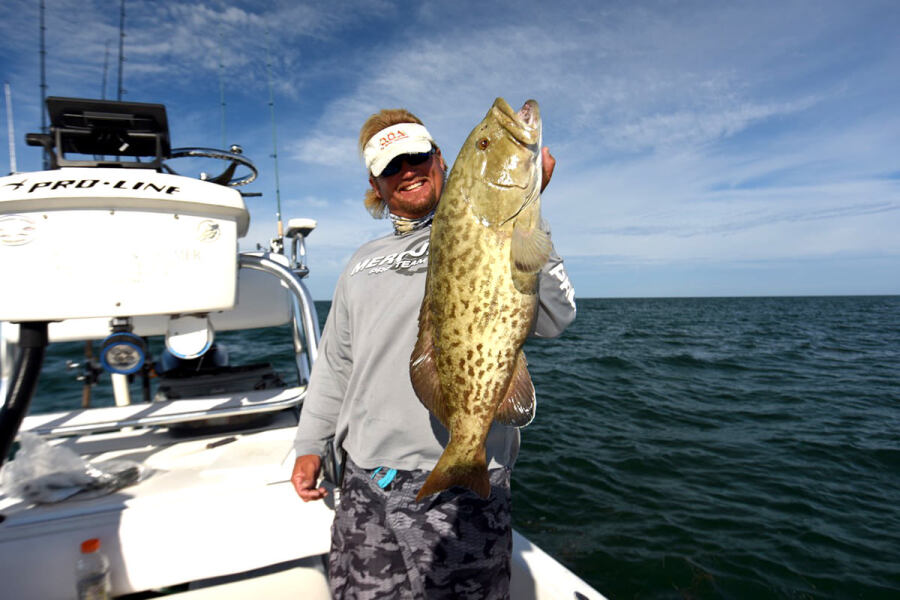
The thrill of the strike and the fight
Bass hit with intent. A topwater popper vanishes in a splash. A jig thumps like a door knock. Even a light tap on a finesse rig can turn into a hard run. That rush hooks beginners and veterans alike.
Small bodies, big power. Largemouth dive for cover. Smallmouth jump and shake with speed. Each fight is a small test of line, drag, and nerves. Ask any angler why do people like fishing bass so much, and many point to that sudden surge when the fish realizes it is hooked.
The thrill scales well. You can feel it on a farm pond with a simple setup. You can feel it on a large lake with sonar and boats. The bite is the moment that erases the rest of the day.

Abundance and easy access
Bass live almost everywhere in the United States and many parts of the world. Ponds, creeks, city lakes, suburban canals, and big reservoirs all hold fish. Public access is common, and shore fishing can be great.
This reach is a core reason why do people like fishing bass so much. You do not need a long trip or a guide. A short drive before work can be enough. Many states manage bass well, and catch-and-release keeps more fish in the water for the next cast.
Access grows skill. The more you fish, the more patterns you see. Local water teaches more than a book can. That steady practice raises success rates over time.

Endless tactics, lures, and a fun learning curve
Bass will eat many things. That opens the door to many styles. Some days it is a spinnerbait in wind. Other days it is a drop shot in deep water. In spring, a jerkbait can shine. In summer, a frog can rule.
This variety answers why do people like fishing bass so much. Each lure is a puzzle piece. Depth, speed, color, and cover all matter. You learn to read wind lines, shade, grass edges, points, and current seams.
A simple starter box works. Then you add lures as you learn. You can grow with the fish, year after year. That growth is both fun and real progress.
Community, culture and competition
Bass fishing has a big, friendly scene. Local clubs meet often. Weeknight derbies run all summer. College and high school teams are common now. Shared photos and stories keep the stoke high.
Industry surveys show bass are the top target for many U.S. anglers. Tournament trails and media push the sport forward. This culture explains why do people like fishing bass so much. You can go solo at dawn, then swap tips online at lunch.
Friendly contests help you learn under pressure. Time limits, clear rules, and livewells make for good habits. You can also fish from a kayak or bank and still compete.
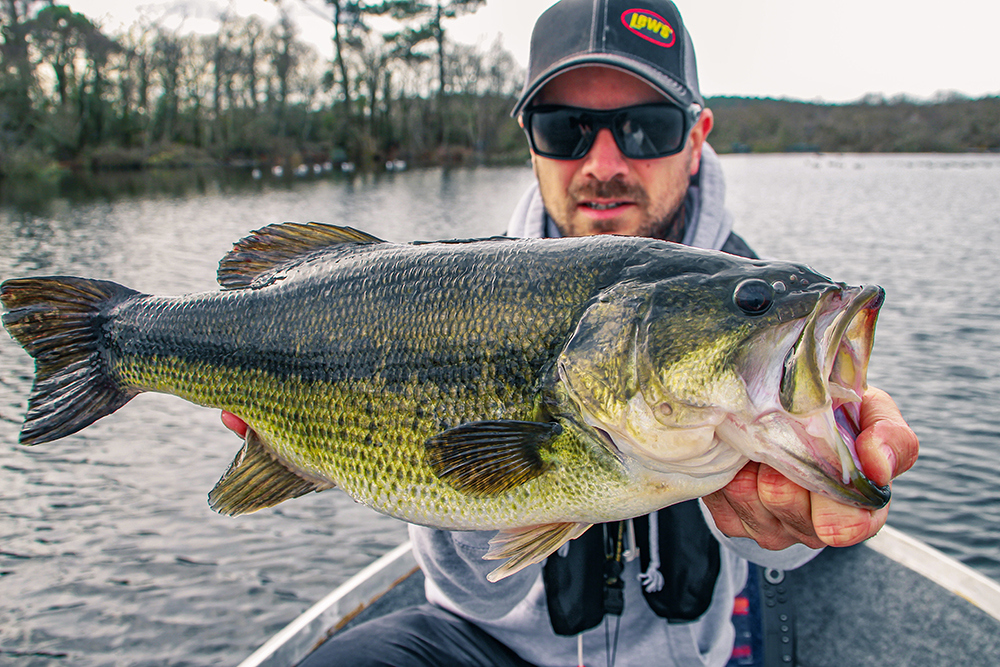
Mind and body benefits outdoors
Time on the water calms the mind. You focus on simple steps. Cast, feel, adjust, and repeat. That focus is a reset from screens and stress.
Light motion adds health value. You walk the bank, paddle a kayak, or stand and cast. Sun, wind, and fresh air feel good. For families, safe shore spots make great first trips. When people ask why do people like fishing bass so much, the peace and the joy of being outside are high on the list.
Many anglers report better mood and sleep after trips. License data and surveys also show more people started fishing in recent years and kept at it. The benefits stick.

Conservation and giving back
Bass fishing has a strong care-for-the-resource ethic. Catch-and-release is the norm in many places. Proper handling, quick photos, and fast releases help fish thrive.
Healthy grass beds, wood cover, and clean water matter. Anglers join local groups to plant habitat, clean banks, and report issues. This shared duty shapes why do people like fishing bass so much. You enjoy the bite, and you help protect it.
Know your local rules. Size limits, seasons, and special regs protect fish. Invasive plants and fish can harm lakes. Rinse boats and gear to stop the spread.
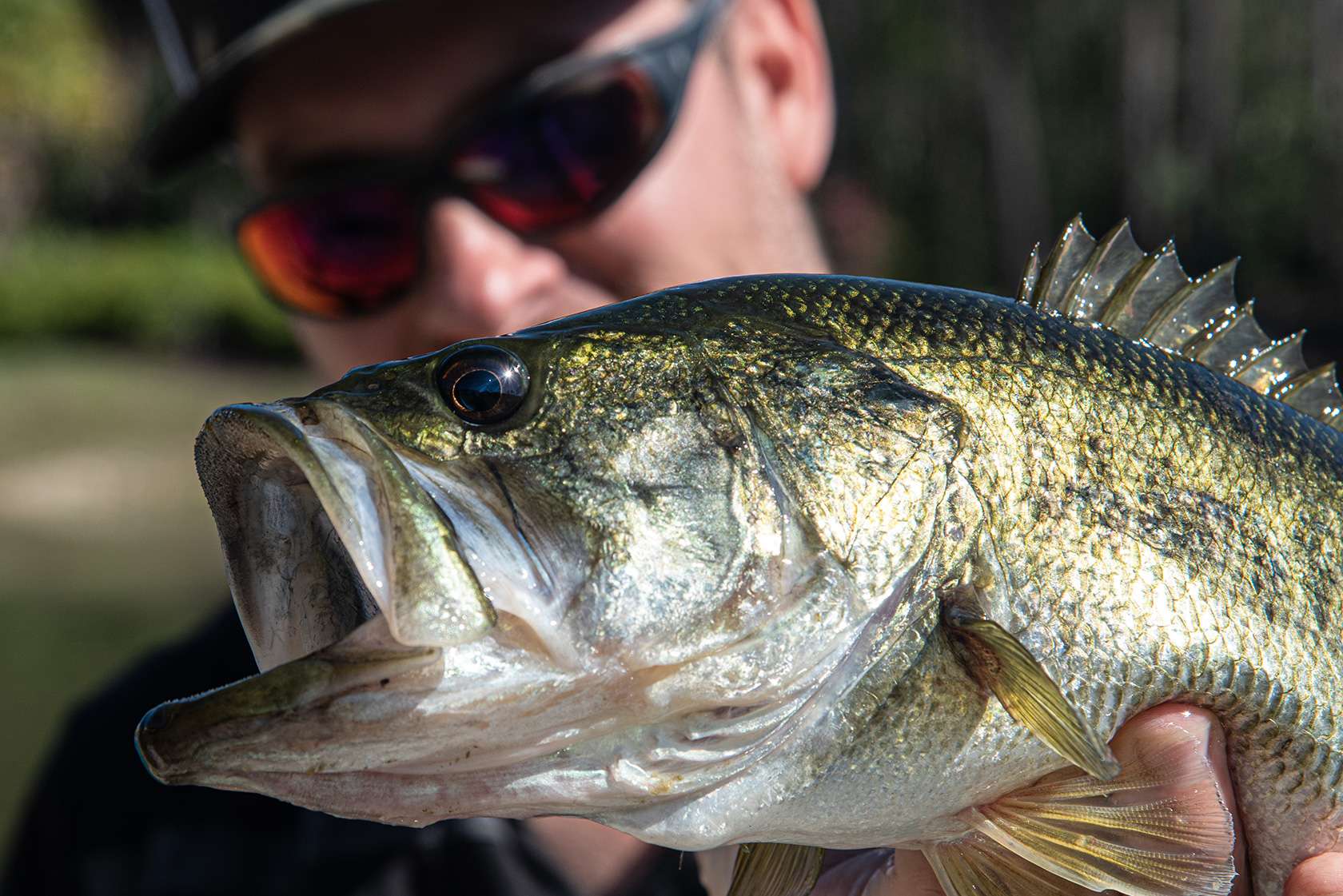
Cost, gear, and simple steps to start
You can start small and catch fish. You do not need a boat. A medium rod, a decent reel, and a few proven lures can do the job.
Starter kit that works:
- Medium power spinning combo with 8–10 lb mono or fluoro for clear water
- A pack of 5-inch stick worms for wacky and Texas rigs
- A small box of 1/8–1/4 oz jigheads, hooks, and bullet weights
- One topwater popper, one squarebill crankbait, and one spinnerbait
- Polarized glasses, small pliers, and a simple tackle bag
Quick plan for your first month:
- Week 1: Fish an hour at dawn or dusk on a local pond. Cast a wacky worm to shade lines and let it sink.
- Week 2: Add a spinnerbait on windy banks. Cast past grass edges. Keep the blade just ticking.
- Week 3: Try a topwater early. Pause between pops. Count to two.
- Week 4: Note where you get bites. Mark wind, light, depth, and cover. Repeat the pattern.
This stepwise path shows why do people like fishing bass so much. Early wins are common, and skills stack fast.
Common mistakes and lessons I learned the hard way
I once lost a great smallmouth by rushing the net. I learned to keep steady pressure and let the rod work. I also used to overwork lures. Many days, a slow, simple retrieve beats fancy moves.
Avoid these pitfalls:
- Fishing too fast in cold water. Slow down and fish deeper spots.
- Using line that is too heavy. Clear water can demand lighter line.
- Ignoring the wind. Wind pushes bait and stacks fish on the windward side.
- Camping on dead water. If you do not get a bite in 15 minutes, move.
Mistakes are part of learning. They also reveal why do people like fishing bass so much. The game is fair, and good habits pay off.
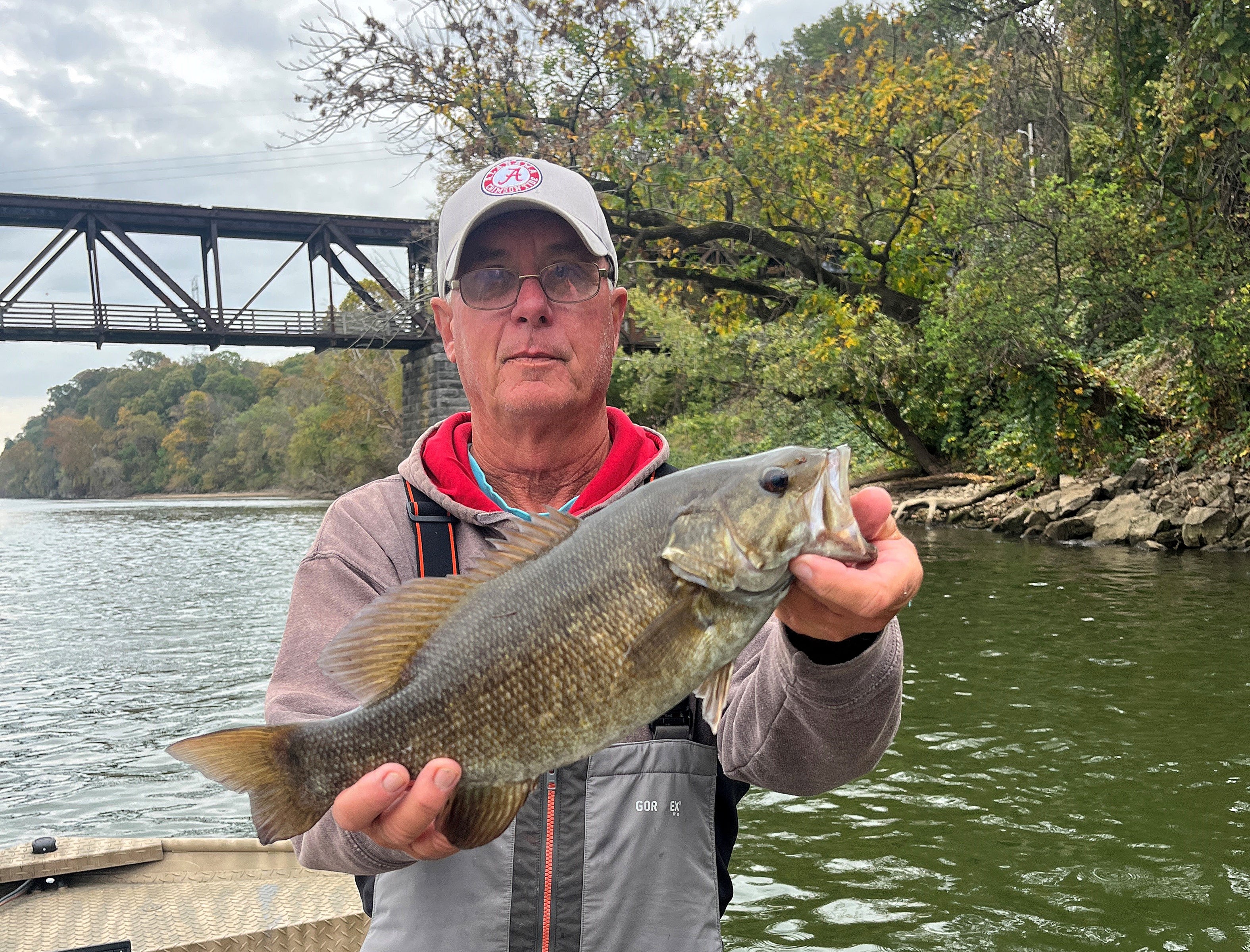
Best seasons and quick patterns by region
Spring
- Pre-spawn: Jerkbaits, lipless cranks, and jigs on points and staging banks.
- Spawn: Soft plastics near beds. Be gentle and release fish fast.
Summer
- Early and late: Topwater over grass and along shade lines.
- Midday: Texas rigs and jigs in deeper shade, docks, or ledges.
Fall
- Chase bait: Spinnerbaits, squarebills, and swimbaits around shad schools.
- Windy coves: Power fish the edges with reaction lures.
Winter
- Slow and small: Finesse worms, Ned rigs, blade baits on sunny rocks or deep breaks.
- Watch water temp: One or two degrees can make a big change.
These patterns show why do people like fishing bass so much. You can match the season and still find action close to home.
Frequently Asked Questions of why do people like fishing bass so much
Is bass fishing good for beginners?
Yes. Bass live in many easy-to-reach waters and hit many simple lures. A basic spinning setup can catch fish fast.
Do I need a boat to catch bass?
No. Many anglers catch bass from the bank or a kayak. Focus on access points with grass, wood, or shade.
What time of day is best?
Dawn and dusk are great, especially in summer. Midday can work too if you target shade, docks, or deeper water.
Which lures should I buy first?
Buy stick worms, a spinnerbait, a squarebill, and a topwater popper. These cover most depths and moods with little cost.
Why do people like fishing bass so much compared to trout or walleye?
Bass are widespread, aggressive, and often close to home. The learning curve is fun, and the bite is bold.
Is catch-and-release important for bass?
Yes. Quick, careful releases keep local fish populations strong. Wet hands, support the fish, and limit air time.
How does weather affect bass bites?
Wind, light, and fronts shift fish mood and position. Wind can help by pushing bait, while sharp cold fronts can slow fish down.
Conclusion
Bass fishing blends thrill, access, and growth into one clear package. You can start with a simple kit, learn fast, and get real results close to home. That mix explains why do people like fishing bass so much, and why the passion keeps growing.
Pick one local spot this week. Bring a small box, a plan, and a calm mind. Track what works, drop what does not, and enjoy the bite. Want more guides and step-by-step plans? Subscribe, share your latest catch, and tell me what you want to learn next.